.png)


Rendering for XR
Why rendering matters in XR production
In XR, rendering is not only about making an image look polished. It is where lighting, shading, camera movement and compositing determine whether a scene feels believable, readable and practical for the intended platform. Mimic Productions approaches rendering as the final stage of a wider 3D pipeline, so the work stays aligned with modelling, texturing, animation and the delivery format from the outset. For XR teams, that means thinking carefully about what needs to happen in real time, what should be rendered in advance and how the final visuals will sit inside a headset, a web-based experience or a mixed-reality context. Mimic XR describes its work across virtual reality, augmented reality and mixed reality, with environment creation, asset development, interaction design and performance optimisation. That makes rendering a useful part of the workflow when you need high visual quality without ignoring platform limits. The practical scope often includes lighting decisions that support mood and legibility, camera animation for controlled virtual shots, head tracking where live-action and digital faces need to be integrated, and compositing when XR content includes live-action footage or VFX layers. Mimic Productions also coordinates in-house rendering for smaller projects and external render farms for larger productions, which helps match the production setup to the project size rather than forcing every XR deliverable through the same process. For brands building immersive activations, virtual showcases or digital human content, the main buying question is usually not whether rendering can make the scene look better.
Production challenges
Common XR production pressures
XR rendering has to balance visual ambition with platform constraints and handoff requirements.
01
Real-time limits
XR visuals often need to respect low-poly ceilings, LOD structures and polycount limits while still preserving enough material and texture detail to read well in use.
03
Delivery fit
A render that looks strong in isolation may still fail if it is not planned for the target headset, mobile AR, web XR or mixed-reality workflow.
02
Hybrid content
When XR includes live-action footage, digital faces or VFX elements, the render has to fit the surrounding material cleanly so the final composite feels coherent.
What your team gets
What the rendering stage adds
01
Better visual control
Lighting, materials and camera framing can be tuned to support the story rather than leaving everything to the source model.
02
Cleaner output planning
Rendering decisions can be matched to the project scale, from in-house rendering to external farm coordination.
03
Stronger integration
Compositing and head-tracked face work help XR assets sit more naturally beside live-action or other digital elements.
04
More usable handoffs
A render process built around the target platform makes it easier for XR teams to use the final assets in production.
Capabilities and deliverables
Relevant production capabilities
-
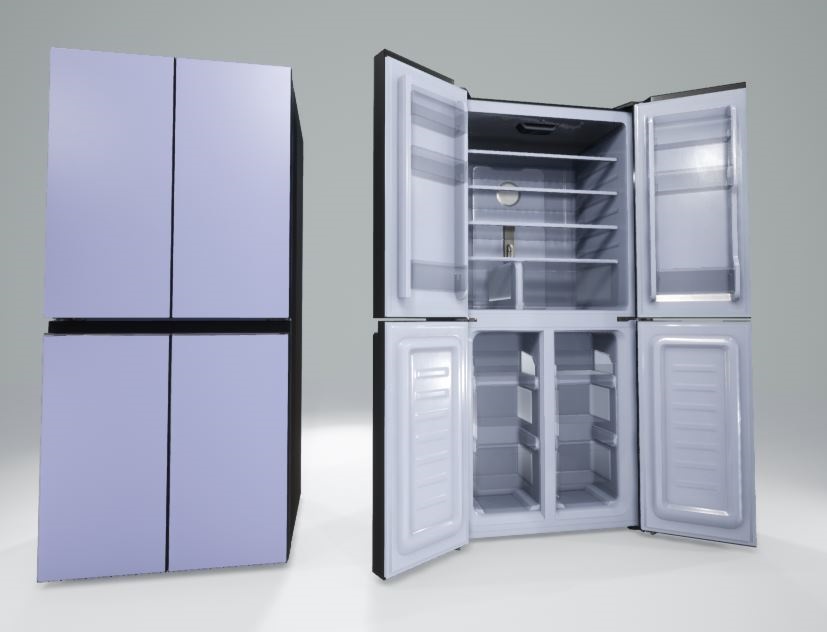
- Lighting and shading refinement. Review illumination and contrast against the intended visual reference.
-
- Camera animation and shot design. Plan framing and movement around the subject and viewing format.
-
- Head tracking for face integration. Identify the expressions and close-up detail required by the performance.
-
- Compositing with live-action and VFX. Discuss how digital elements should sit within the surrounding footage.
-
- In-house rendering for smaller jobs. Agree the visual target, review stages and final output requirements.
-
- External render farm coordination. Agree the visual target, review stages and final output requirements.
-
- Performance-aware XR asset output. Plan the session around action references and performance requirements.
-
- Virtual reality, AR and mixed reality support. Set a clear scope and review sequence with your production team.
Production approach
How Mimic approaches XR rendering
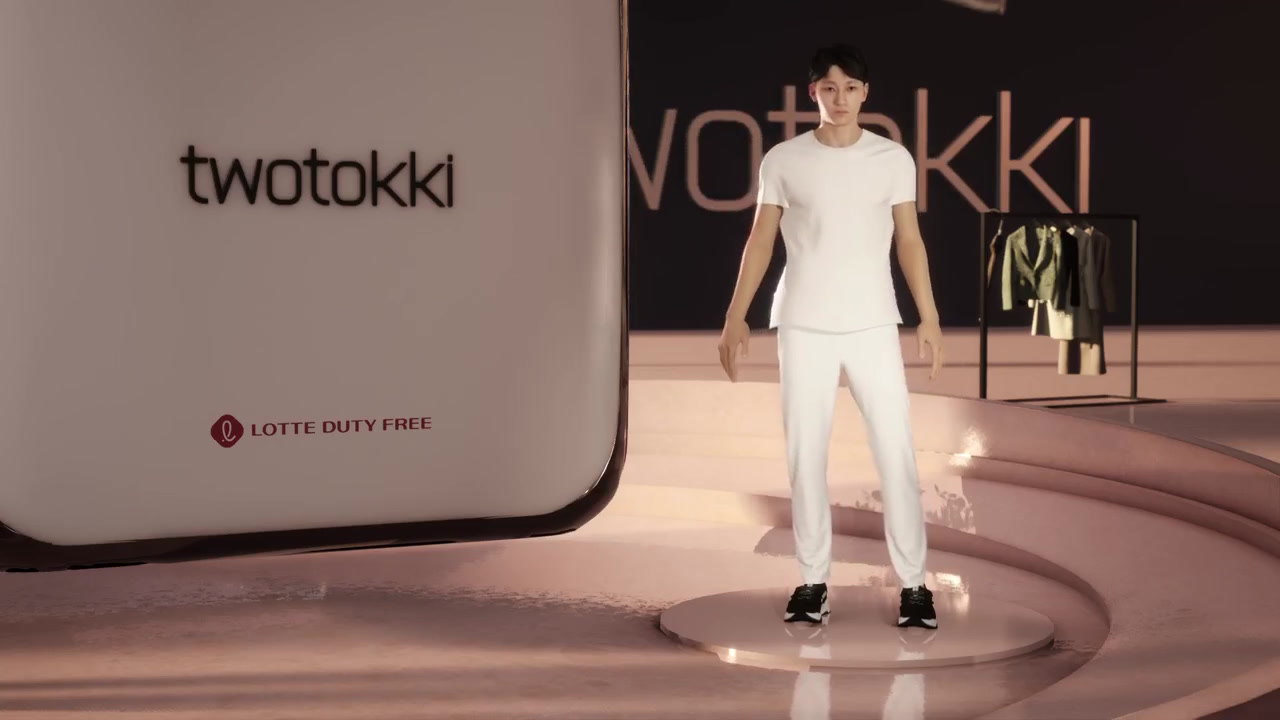
Mimic Productions treats rendering as the point where image quality, story intent and technical delivery meet. In an XR context, that means planning the render around the final environment as well as the asset itself. Lighting is adjusted with the texturing team to improve realism and mood, camera animation is used to create controlled digital shots, and compositing brings together rendered elements, live-action footage and other visual layers when required.
The same thinking applies to character-led XR work. Mimic XR offers character creation, avatar customisation and portable 3D scanning for digital doubles, which means rendering may need to support expressive faces, believable materials and efficient delivery across immersive platforms. The aim is not simply to produce a finished image, but to create output that sits comfortably inside the wider XR experience and can be handed off in a usable form.
Provide the intended shot list, reference lighting and final presentation format. Review framing, materials and exposure together, then agree the animation, compositing and output requirements before committing to final frames. For XR, specify the viewing device and interaction scenario, including how close the audience will get to the character.
Explore our 3D Rendering services and XR production.
Related production services: 3D Modeling for XR · Digital Hair and Clothing for XR · 3D Rendering for Holograms.


How we work
Typical delivery stages
01
Review the XR brief
We check the target platform, visual goal and delivery constraints so the render plan matches the intended experience from the start.
02
Prepare lighting and camera
Lighting, materials and camera movement are adjusted to support realism, clarity and the kind of shot language the project needs.
03
Render and composite
Rendered elements are produced and, where needed, combined with live-action or VFX layers to create the final image sequence.
04
Handoff for XR use
We deliver output in a form that suits the production pipeline, with the project size and platform requirements in mind.
Frequently asked questions
Questions teams ask before production
Is rendering in XR only for polished final visuals?
No. Rendering can support a range of needs, from final frames and composited shots to character presentation, test outputs and hybrid live-digital scenes. In XR, the key question is how the render will be used inside the wider experience and what performance limits apply to the target platform.
Can Mimic handle both small and larger rendering jobs?
Yes. The service material states that Mimic Productions provides in-house rendering for smaller projects and coordinates external render farms for larger productions. That flexibility matters in XR, where different deliverables may need different levels of throughput and control.
Does XR rendering replace real-time optimisation?
No. Rendering does not remove the need to plan for headset, mobile AR or web constraints. Mimic XR specifically notes performance budgets, LOD structures, polycount limits and real-time rendering requirements, so the render approach should fit those conditions rather than ignore them.
Can this service create the XR platform itself?
Not on its own. The source material supports asset development, character creation, environment creation, interaction design and optimisation within XR, while rendering covers the visual finishing stage. If the project needs a full immersive build, the render scope should be defined as part of that broader pipeline.
How does rendering support hybrid live-action XR content?
Through lighting, head tracking and compositing. Mimic Productions describes head tracking for integrating a digitally rendered face into live-action footage, and compositing as the stage where digital assets, VFX and live-action elements come together. That makes rendering especially relevant when XR content has mixed sources.
What should we prepare before starting?
A clear brief on the target platform, the role of the render, the asset status and the intended handoff format is the best starting point. It also helps to know whether the project needs character work, environment work, camera animation or live-action integration so the visual workflow can be scoped properly.
Frequently asked questions