.png)
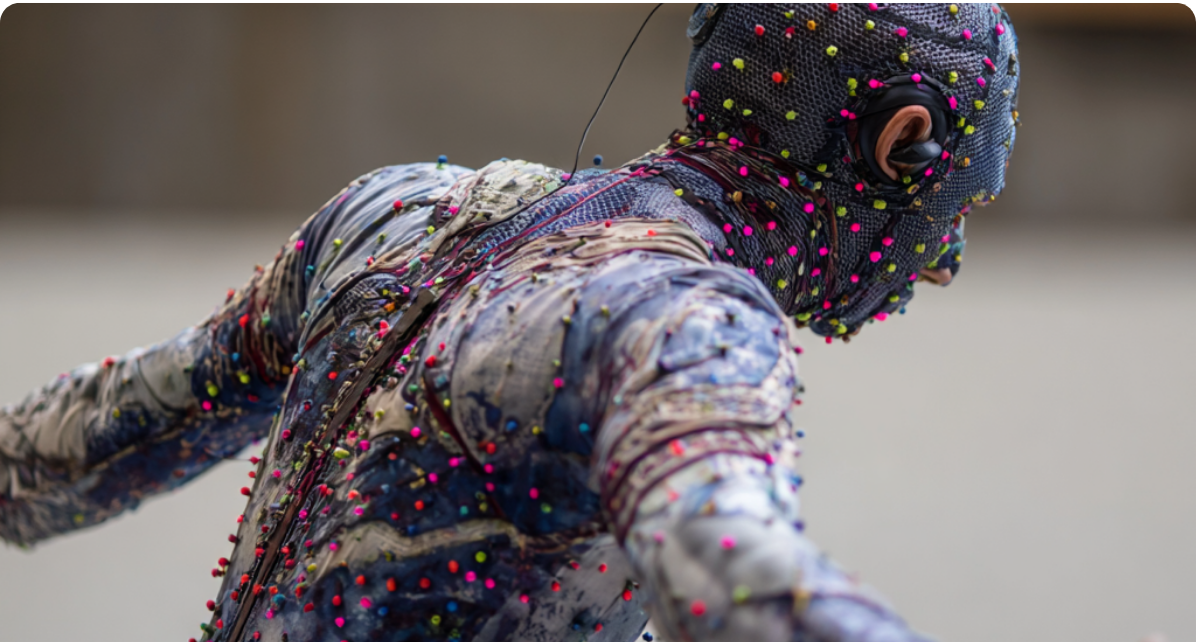


Rendering services for holographic experiences
From character data to stage-ready imagery
Holographic work asks for more than attractive frames. It needs a rendered result that reads clearly in motion, supports the performer or digital human, and holds up under live or recorded presentation. At Mimic Productions, rendering sits at the end of a character production pipeline that can include facial rigging, head tracking, lighting, camera animation and compositing, so the final image feels coherent rather than assembled.
For hologram projects, the practical question is usually not whether a model can be made to look impressive in isolation, but whether it can be seen at the right distance, under the right timing, and in the right context. That may mean a live performance, an exhibition installation, a museum setting or a brand experience. Our role is to help turn complex 3D assets into finished visuals that support those uses, with guidance on the most efficient rendering approach for the production scale.
Production challenges
What makes hologram rendering difficult
Holographic visuals depend on timing, clarity and believable performance, so the final render must solve both technical and creative demands.
01
Readable performance at presentation scale
A holographic character must remain legible when viewed in a stage, exhibition or installation context. Rendering needs to preserve facial cues, body language and scene clarity without losing detail in motion or overprocessing the image.
03
A finish that matches the pipeline
Rendering is only one part of a broader character workflow. If face replacement, animation or compositing are involved, the final frames must integrate those elements cleanly so the holographic result feels unified rather than patched together.
02
Consistent look across lighting and shots
Hologram productions often combine different environments, angles and takes. Lighting, shading and camera animation must be planned carefully so the character keeps a consistent appearance and the final output feels intentional across the full sequence.
What your team gets
Why teams choose this approach
01
Pipeline-aware delivery
Rendering is planned with the wider character workflow in mind, so the final output supports animation, face replacement and compositing decisions already made upstream.
02
Flexible production scale
Mimic can render smaller projects in-house or help coordinate external render farms for larger productions, giving the team a practical route for different scopes.
03
Cinematic visual control
Lighting and camera animation are treated as part of the storytelling, which helps holographic characters feel purposeful rather than flat or static.
04
Suitable for live and recorded use
The same rendering discipline can support live performances, museum experiences, brand activations and digital content where a believable character presence matters.
Capabilities and deliverables
What we can support
-
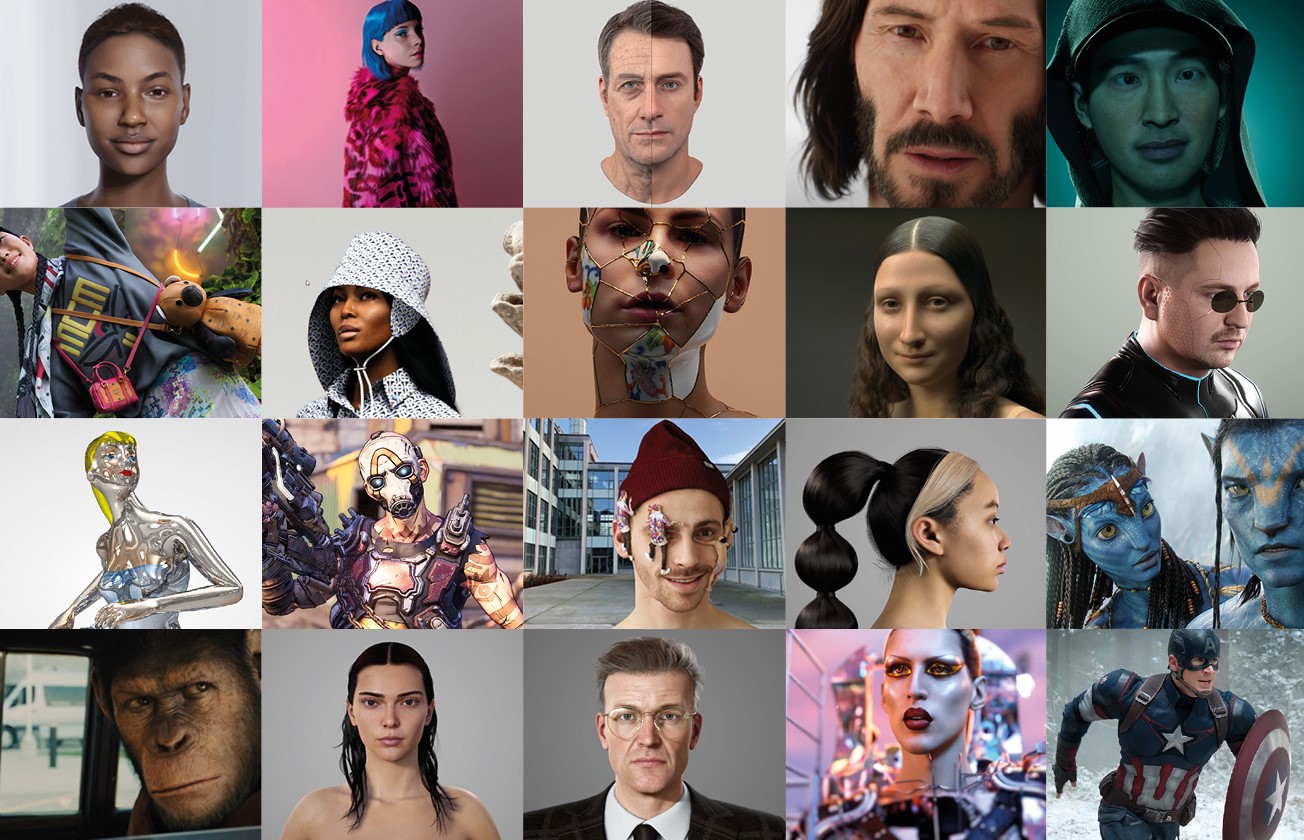
- Photoreal 3D rendering. Agree the visual target, review stages and final output requirements.
-
- Lighting setup and refinement. Review illumination and contrast against the intended visual reference.
-
- Camera animation for digital cinematography. Plan framing and movement around the subject and viewing format.
-
- Head tracking integration. Discuss the required result and production scope during the project briefing.
-
- Digital face replacement support. Identify the expressions and close-up detail required by the performance.
-
- Compositing of live-action and digital layers. Discuss how digital elements should sit within the surrounding footage.
-
- Holographic character visuals. Discuss the required result and production scope during the project briefing.
-
- Render planning for larger productions. Agree the visual target, review stages and final output requirements.
Production approach
Built for the last mile of character production
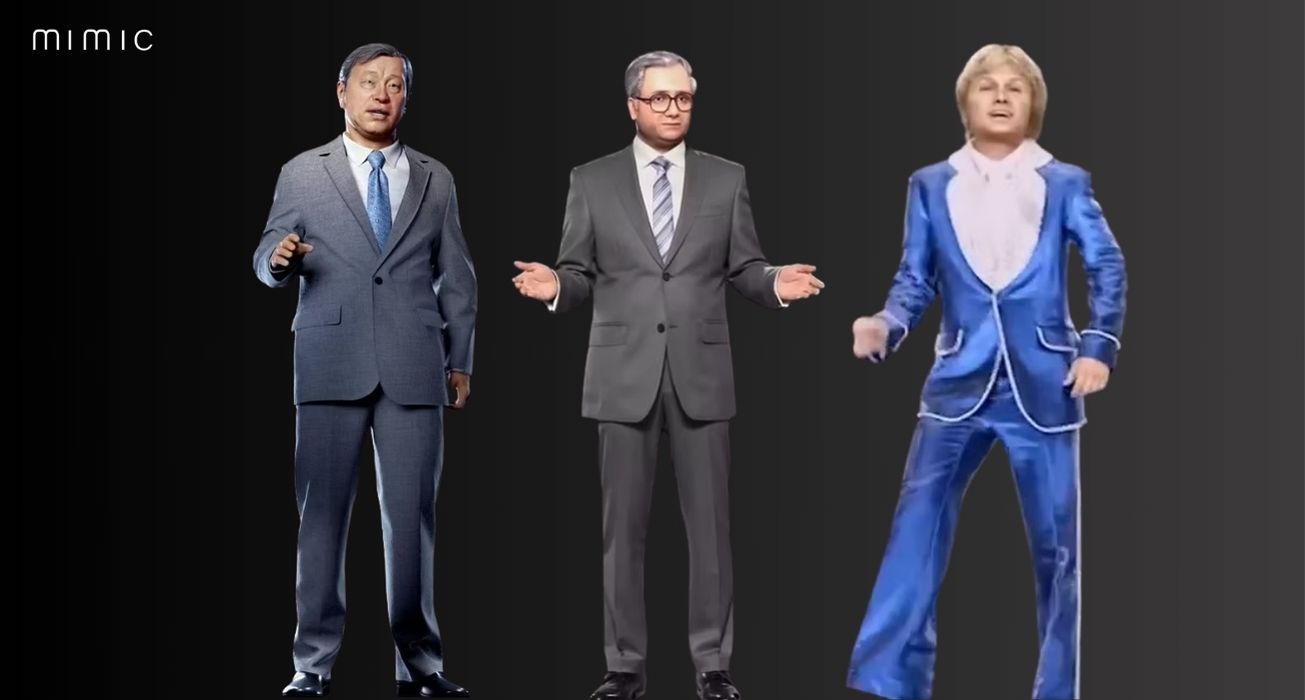
Rendering is the final stage where lighting, materials, camera design and compositing decide whether a holographic character feels convincing. For Mimic Productions, that means working from the wider production context, not treating frames as isolated images. The team can assess requirements, choose an efficient render path and support the kind of final polish needed for holographic performances, exhibitions and digital human experiences. When projects involve hybrid live-digital footage, the same process can help align face replacement, motion and rendered assets so the audience sees one coherent character, not separate technical components.
We can work with smaller jobs in-house and coordinate external render farms for larger productions when project demands require it. Lighting, shading, camera design and compositing are handled as part of the visual storytelling process, so digital humans and holographic characters keep their identity, expression and scene logic across frames. For hybrid work, head tracking and face replacement workflows can be combined with photoreal rendering to create believable motion for live-action or staged content.
Provide the intended shot list, reference lighting and final presentation format. Review framing, materials and exposure together, then agree the animation, compositing and output requirements before committing to final frames. For holographic presentation, share the display format, viewing distance and staging constraints before defining the character’s framing.
Explore our 3D Rendering services and Holograms production.
Related production services: 3D Modeling for Holograms · Digital Hair and Clothing for Holograms · 3D Rendering for Immersive Events.


How we work
How the work typically moves forward
01
Review the asset and use case
We look at the character, the target environment and the intended presentation format so the rendering plan fits the real delivery context.
02
Shape lighting and camera logic
Lighting artists and animation teams refine materials, mood and camera movement to support the character’s presence and the story being told.
03
Render and integrate
Frames are rendered with the chosen workflow, then compositing brings together digital assets and live-action or stage elements where needed.
04
Prepare for presentation
The final output is checked against the project’s practical requirements so it can be used in a holographic, exhibition or digital environment.
Frequently asked questions
Frequently asked questions
Is this only for fully digital hologram shows?
No. Rendering can support fully digital holographic experiences, but it is also useful when a production combines live-action footage with digital characters, face replacement or composited visual effects. The approach depends on how the character needs to appear in the final experience and where it will be shown.
Do you provide the hologram display hardware?
No. Our work includes rendering and character production, not projection hardware. Mimic’s role is to create the visual content and the supporting digital pipeline for holographic experiences, while the physical display system would be handled separately by the client or another specialist partner.
Can you help if the project is still at concept stage?
Yes, provided there is enough reference and a clear idea of the intended experience. The team can help shape a practical route through character capture, lighting, camera animation, rendering and compositing. That makes it easier to define what the final holographic output needs to achieve before production gets too far along.
What makes rendering important in hologram work?
Rendering is where the character’s appearance becomes visible in the final image, so it has a direct effect on believability. In hologram projects, the audience judges motion, expression and presence very quickly, which means the rendered frame has to support the performance rather than distract from it.
Can you handle both small and larger productions?
Yes. The source states that Mimic offers in-house rendering for smaller projects and can coordinate external render farms for larger productions. That gives the team flexibility to match the technical setup to the scale and schedule of the work without assuming every project needs the same infrastructure.
Does rendering alone create an interactive digital human?
No. A photoreal render can show the character, but interaction depends on the wider system, including animation, performance design and any conversational or real-time components. Rendering is one part of the finished experience, not the entire engagement layer.
Frequently asked questions