.png)


XR character production
Hair and clothing that hold up in immersive scenes
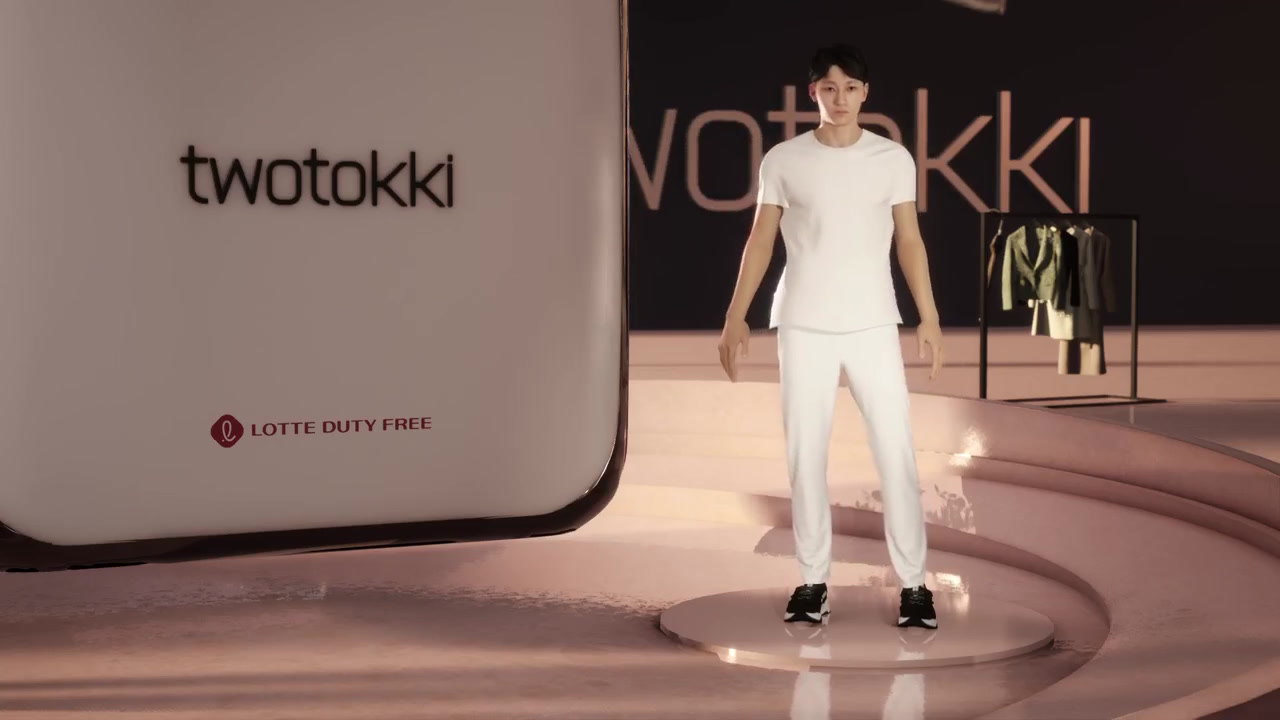
In XR, hair and clothing do more than finish a character. They help sell presence, scale and motion when the audience can look around a scene, move through it and interact with it. Mimic Productions builds 3D hair simulation and 3D cloth simulation for characters, avatars and digital doubles that need to work in virtual reality, augmented reality and mixed reality settings.
Our Berlin studio develops hair and clothing with the requirements of immersive production in mind. That means balancing natural motion with platform limits, whether the final use is a headset experience, mobile AR, a web-based activation or a real-time character pipeline. We can work with full simulation when the shot needs dynamic movement, or guide projects toward bone-driven hair and rigged cloth when performance, load times or engine constraints matter more.
Production challenges
Common XR production pressures
Immersive projects often need character realism without overshooting technical limits. These are the issues we help teams resolve.
01
Performance budgets
XR scenes often need hair and cloth that stay convincing while still running well in real time, especially on headsets and mobile devices.
03
Pipeline fit
Teams may need simulation output that works cleanly with Unreal, Unity or another real-time setup, without adding unnecessary rework.
02
Motion consistency
Interactive camera movement can expose stiff hair, drifting garments or rigging issues, so character assets need stable behaviour from every angle.
What your team gets
What this adds to an XR build
01
Natural movement
Hair and garments are built to respond believably to motion, gravity and scene behaviour.
02
Real-time readiness
Assets can be planned for immersive environments where efficiency matters as much as realism.
03
Flexible approaches
Choose between full simulation, bone-driven systems or rigged solutions according to the project need.
04
Cleaner handoff
We keep delivery focused on practical production use, so character teams can move assets into the next stage with fewer surprises.
Capabilities and deliverables
Relevant production methods
-
- Full 3D hair simulation. Define the silhouette, density and behaviour needed in close-up and motion.
-
- Bone-driven hair for real-time use. Define the silhouette, density and behaviour needed in close-up and motion.
-
- Non-dynamic hair and rigged skin binding. Review proportions, range of movement and the animation handoff.
-
- Full 3D cloth simulation. Review fit, movement and intersections against the garment reference.
-
- Rigged cloth weighted to the animation rig. Review proportions, range of movement and the animation handoff.
-
- Real-time optimisation for XR engines. Discuss the target application and practical performance constraints.
-
- Character and avatar outfit updates. Define the character’s role, appearance and intended interaction setting.
-
- Digital double and avatar pipeline support. Define the character’s role, appearance and intended interaction setting.
Production approach
Built for immersive character work
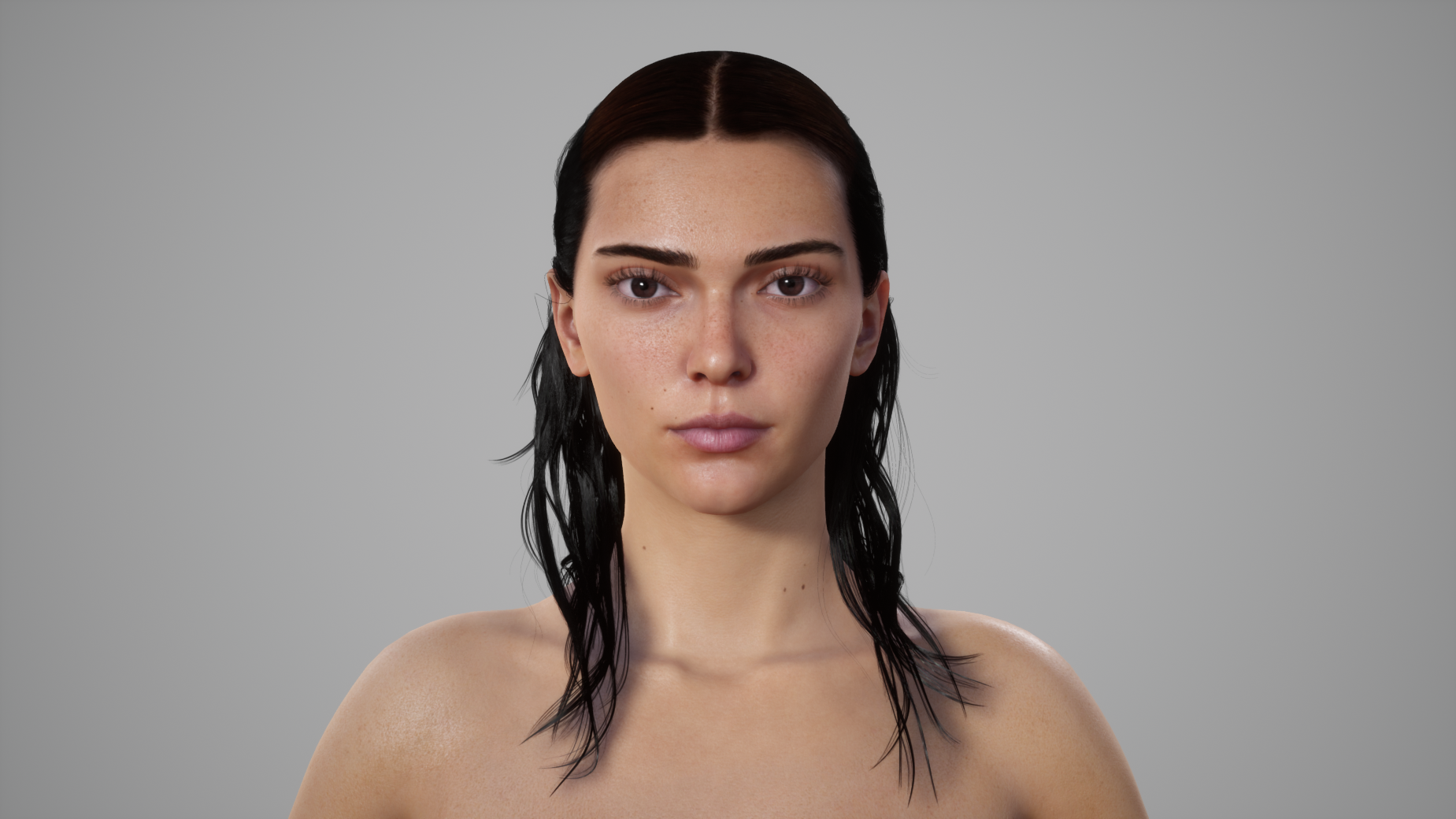
Hair and cloth in XR need to do two jobs at once. They have to look convincing enough for close viewing, and they have to behave predictably in a live environment. Our approach is to match the simulation method to the use case, rather than forcing every project into a single solution.
For some characters, full simulation gives the best result, especially when the audience is meant to notice the subtleties of motion. For other builds, a more controlled system is the right answer, particularly when the experience must remain light enough for real-time playback. We can support both hair and clothing in ways that suit immersive production, from stylised avatar looks to more photoreal digital humans.
For XR teams, the practical questions are usually about where fidelity matters most, what can be simplified without hurting the look, and how to keep characters stable in real-time. We help define those choices early so hair, garments and rigs are built for the final environment rather than adapted at the last minute. That includes planning for engine compatibility, animation delivery, performance budgets and the way cloth or hair should respond in interactive scenes.
Mimic also supports the wider character pipeline around these assets. If your avatar is being customised with new outfits, hairstyles or body types, we can help keep the look coherent across the full build. The result is hair and cloth that feel believable in motion, while still being practical for XR production and deployment.
Explore our Digital Hair and Clothing services and XR production.
Related production services: 3D Modeling for XR · 3D Animation for XR · Digital Hair and Clothing for Holograms.


How we work
How we usually structure the work
01
Assess the target use
We start by looking at the intended XR format, the character style and the level of motion realism required.
02
Choose the right system
Hair and cloth are set up using the method that best fits the budget, platform and visual goal, from dynamic simulation to rigged alternatives.
03
Prepare for real-time delivery
Assets are shaped with performance and engine compatibility in mind so they can be used in immersive environments without unnecessary overhead.
04
Support the handoff
We deliver production-ready character elements that your team can integrate into the wider XR build, animation or avatar workflow.
Frequently asked questions
Questions teams often ask
Do you always use full simulation for hair and cloth?
No. Full simulation is useful when motion detail is important, but it is not always the best fit for XR. Depending on the project, we may recommend bone-driven hair, non-dynamic hair, or rigged cloth so the character remains efficient and stable in real-time environments.
Can you help with both hair and clothing on the same character?
Yes. We work on both elements as part of the character pipeline, which is often the most practical approach for avatars and digital doubles. That helps keep the overall look coherent and avoids separate teams making conflicting decisions about motion, scale or performance.
Is this only for photoreal characters?
No. The same production thinking can support stylised or realistic characters. What changes is the level of detail and the simulation method. A stylised avatar may need controlled, efficient motion, while a photoreal digital human may need more detailed fabric or strand behaviour.
Can this be used in Unreal or Unity projects?
Our Our work includes we optimise real-time hair and clothing simulation for engines like Unreal and Unity. That makes the service relevant for immersive XR work, although the exact integration approach still depends on the project structure, engine setup and performance targets.
What should we prepare before starting?
It helps to share character references, target platform details, the final use case and any known constraints around runtime performance. The more clearly the delivery environment is defined, the easier it is to choose a simulation strategy that matches the build without overcomplicating the asset.
Do you also handle the wider avatar build?
Mimic XR describes a full character pipeline that can include sculpting, rigging, optimisation and avatar customisation. Hair and cloth can therefore be planned as part of a broader character workflow rather than treated as isolated finishing tasks.
Frequently asked questions