.png)


Mimic Productions Berlin
Realistic characters built for XR pipelines
Mimic Productions creates 3D character models for XR projects that need believable appearance without ignoring real-time constraints. We work from scan data, reference images or concept art, then shape facial and body structure, refine textures and prepare maps suited to interactive delivery.
For XR teams, the decision is not only how a model looks in a still image. It is also whether the asset can support headsets, mobile AR and web-based experiences, whether the detail holds up in motion, and whether the file is organised for later rigging, animation and optimisation. Our modelling service is built around that handoff.
Production challenges
What XR teams need to solve
Immersive projects succeed when the character looks right, behaves predictably and fits the platform.
01
Identity has to read instantly
In XR, users may view a character at close range and from unusual angles, so facial structure, body proportions and surface detail need to remain convincing.
03
The asset needs a clear next step
Teams usually need more than a static model. They need a file that can move into rigging, animation or avatar production without avoidable rework.
02
Realism must respect device limits
A detailed sculpt is only useful if it can be managed inside the target build, with practical choices around topology, texture maps and visible detail.
What your team gets
Why teams choose this approach
01
Built from your source material
We can work from scans, reference images or concept art, depending on what the brief provides and what the character needs to communicate.
02
Facial and body detail handled together
Our work covers both expression and proportion, so the model reads as one coherent digital human rather than separate parts.
03
Texture work planned for realism
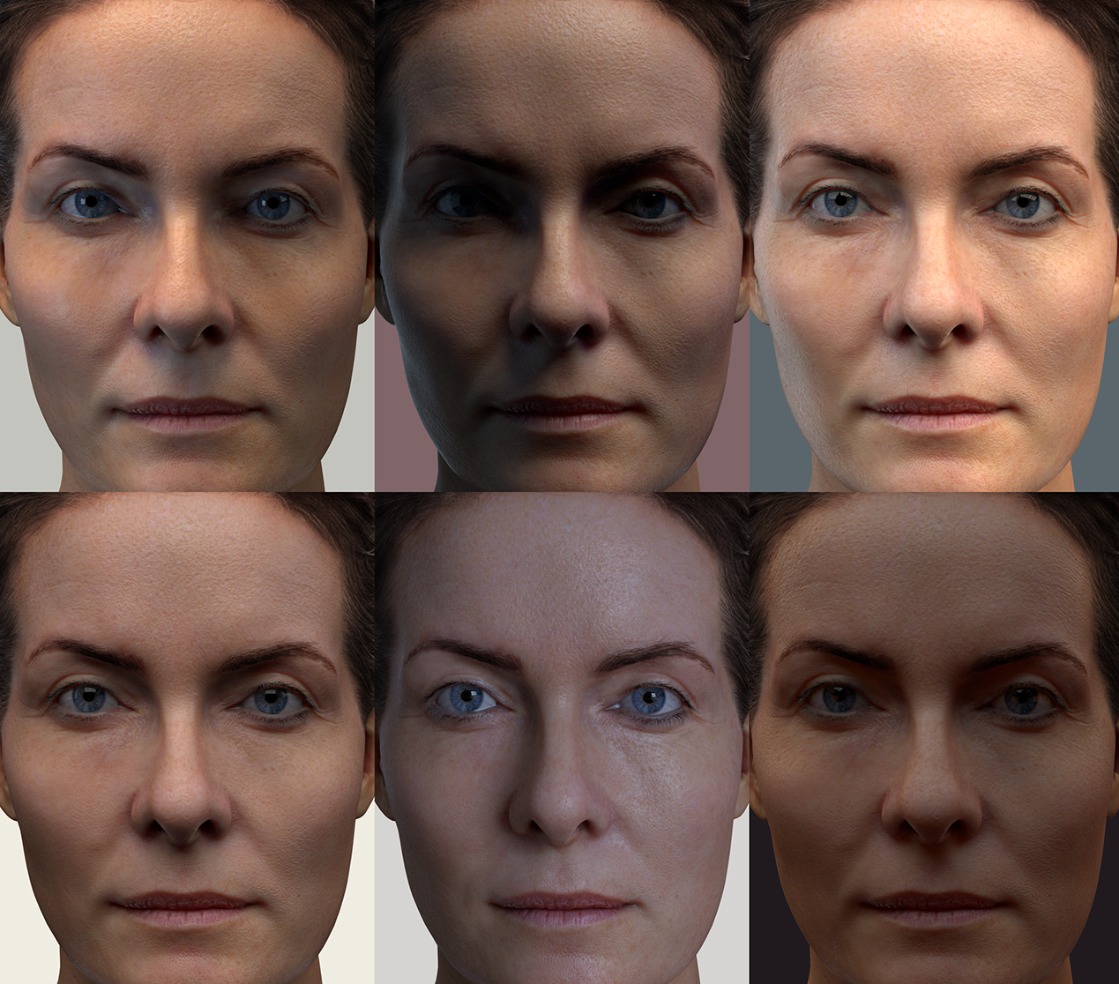
Skin, hair and fabric detail can include pores, wrinkles and map-based depth so the model responds well to light in immersive scenes.
04
Prepared for downstream production
Models can be shaped with later rigging, animation and optimisation in mind, making handoff easier for XR teams and partner studios.
Capabilities and deliverables
Core modelling capabilities
-
- Reference-led character modelling. Shape the asset around its proportions, intended views and downstream use.
-
- Scan-based digital human sculpting. Agree subject coverage and the downstream use of the captured detail.
-
- Facial and body proportion refinement. Identify the expressions and close-up detail required by the performance.
-
- Realistic skin texturing. Review surface detail under representative lighting and camera distances.
-
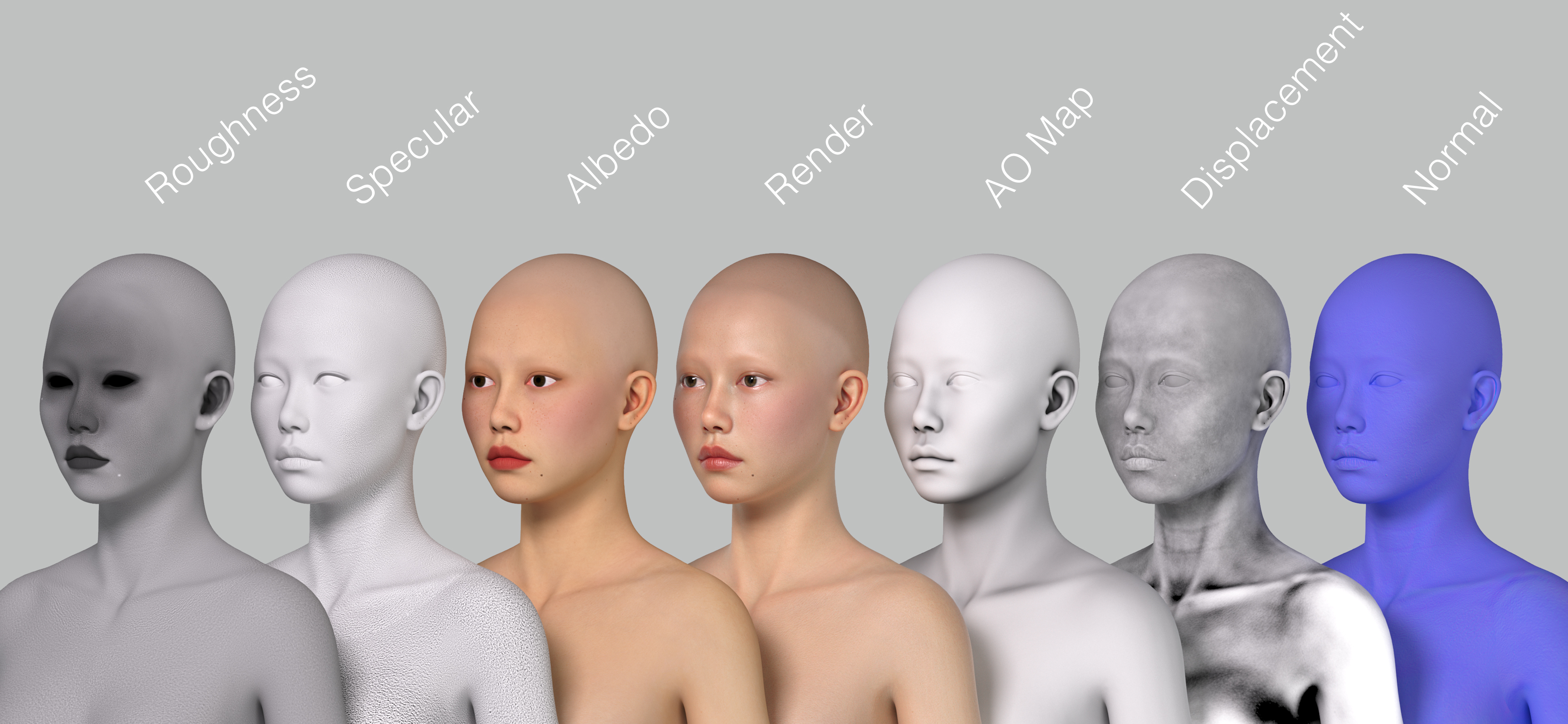
- Normal, displacement and diffuse maps. Discuss the required result and production scope during the project briefing.
-
- Gloss, specular, depth and ambient maps. Discuss the required result and production scope during the project briefing.
-
- Avatar and digital double workflows. Define the character’s role, appearance and intended interaction setting.
-
- XR-ready asset preparation. Discuss the required result and production scope during the project briefing.
Production approach
How the service fits XR work
XR production asks for a balance of presence and practicality. Mimic Productions models digital humans and related assets with the detail needed for close-up credibility, then supports them with texture maps and production choices that suit interactive delivery. Depending on the brief, that may mean recreating a person from photographic references, turning scan data into a usable asset, or building a character from concept art for a virtual scene, augmented experience or metaverse environment.
The aim is not only photoreal appearance in stills. It is also a model that can sit inside an XR pipeline, where performance budgets, facial readability and later rigging all matter. That makes the service useful for teams developing avatars, virtual events and immersive simulations where believable human form is central to the user experience.
The source material also shapes the workflow. A character might begin from scan data, a set of reference photographs or concept art, and each route brings different production choices. Scan-led work can preserve identity and proportions, while concept-led work may need more sculpting and texture interpretation. In both cases, we build models with the aim of fitting the next stage, whether that is rigging, avatar creation, virtual events or a metaverse-style environment.
Because XR content often has to run across different devices, we keep an eye on performance budgets, polycount decisions and texture planning. That means the final asset is not just detailed, but usable. If your team is developing a digital human, a branded avatar or a character that must feel convincing in an immersive setting, we can support the asset side of the pipeline and prepare it for the production steps that follow.
Explore our 3D Modeling services and XR production.
Related production services: Character Rigging for XR · 3D Rendering for XR · 3D Modeling for Holograms.


How we work
Typical production flow
01
Brief and source review
We review your references, scan material or concept art, then confirm the character purpose, target platform and technical constraints.
02
Sculpting and proportion work
The form is modelled with attention to facial structure, body balance and the realism level required for the XR context.
03
Textures and maps
We add the surface detail needed for believable skin and material response, including map sets selected to support the final look.
04
Handoff for next stage
The finished asset is prepared so your team can move it into rigging, animation or other XR production stages with fewer surprises.
Frequently asked questions
Common questions
Can you start from a scan, photographs or concept art?
Yes. The service is described for characters developed from a scan, reference images or concept art. The starting point affects how much sculpting and interpretation is needed, but each route can lead to a production-ready model when the brief is clear.
Is this only for characters, or can it help with other XR assets?
The core service here is 3D character modelling and texturing, but the XR source also describes asset development for clothing, footwear, accessories and product models. If your project needs character-led work with related assets, the modelling approach can be aligned to that wider pipeline.
Will the model be ready for real-time XR use?
The work is planned with XR constraints in mind, including performance budgets and texture mapping. Final suitability still depends on your target platform, technical specs and any optimisation steps required by your build team or engine pipeline.
Do you handle rigging as well?
The source says the modelling service can extend into professional rigging solutions. That means the model can be created with later movement and animation in mind, although rigging remains a separate production step rather than part of the modelling asset itself.
Can this support digital doubles and avatars?
Yes. The XR source and the character modelling source both describe digital human workflows, including photoreal digital doubles and 3D avatars. The exact outcome depends on whether you want a likeness, a stylised character or a hybrid approach.
What should we prepare before starting?
Helpful inputs include reference images, scan data if available, notes on the intended platform and any guidance on realism level or wardrobe. If you already know the model must later be rigged or optimised, it helps to flag that early.
Frequently asked questions