.png)
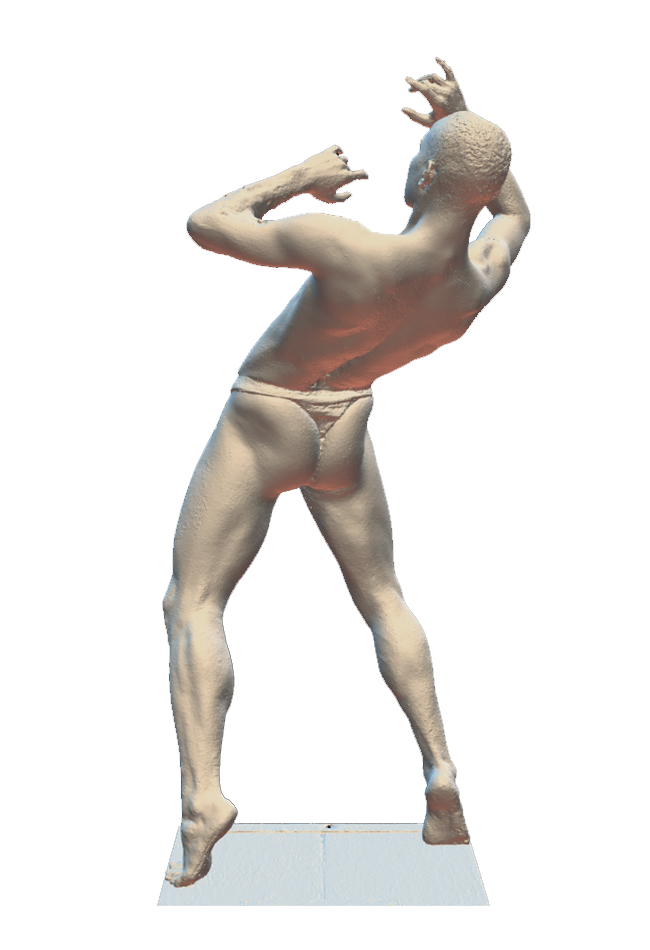


Hologram character production
Build characters that read clearly on stage
Holograms rely on more than a striking silhouette. The audience sees every contour, expression and surface detail, often at performance distance and under changing light. That makes character modelling a critical part of the production pipeline, especially when the brief calls for a believable digital human rather than a stylised graphic.
Mimic Productions develops photo-realistic 3D character models from scan data, reference photography or concept art, then shapes them for animation, facial rigging and textured presentation. For hologram work, that means the model has to support identity, emotion and repeatable motion while remaining practical for the wider creative workflow.
Production challenges
What can make hologram character work difficult
These are the production issues that usually shape scope, schedule and approval decisions.
01
Identity must survive scale
A face that looks convincing in a close approval render still needs to read naturally when projected or viewed as part of a live experience, so proportions, expression and texture detail need careful control.
03
Reference material can be incomplete
Some projects start with scans, some with photography and some with concept art. We build from the material available and adapt the character workflow to the level of source detail provided.
02
The asset has to animate well
Hologram characters often depend on facial rigging, body rigging and motion-ready topology, which means the model must support movement as well as still-image realism.
What your team gets
What the modelling stage should deliver
01
Believable facial structure
We shape features to support natural expression and character recognition.
02
Production-ready topology
Assets are built to support rigging, animation and downstream technical work.
03
Realistic surface detail
Textures and maps help skin, fabric and other surfaces respond convincingly to light.
04
Flexible character development
The same identity can be developed from scans, reference images or concept art.
Capabilities and deliverables
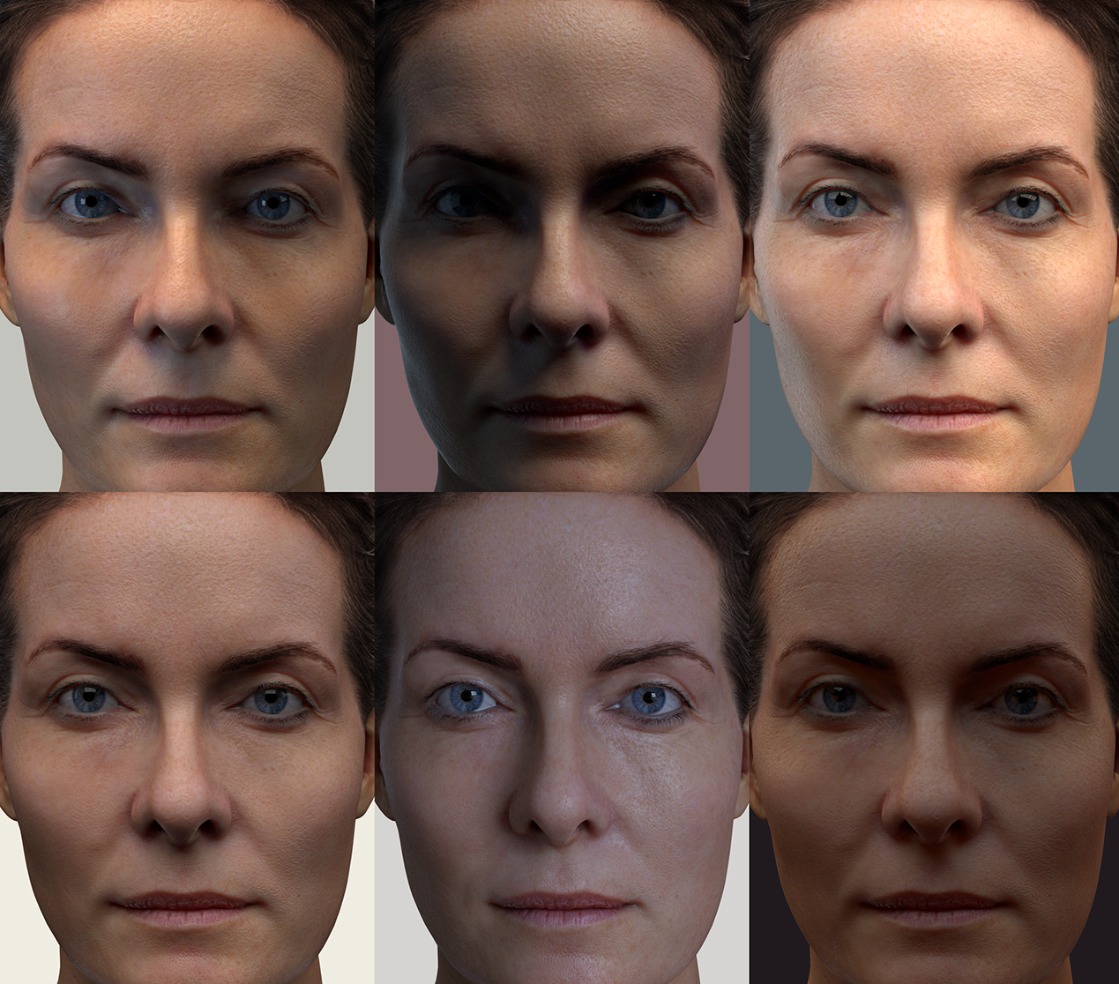
Core modelling capabilities
-
- Photo-real 3D character modelling. Shape the asset around its proportions, intended views and downstream use.
-
- Facial and body sculpting. Identify the expressions and close-up detail required by the performance.
-
- Advanced character texturing. Review surface detail under representative lighting and camera distances.
-
- Normal, displacement and diffuse maps. Discuss the required result and production scope during the project briefing.
-
- Skin detail, pores and subtle blemishes. Review surface detail under representative lighting and camera distances.
-
- Digital doubles and historical likenesses. Discuss the required result and production scope during the project briefing.
-
- Assets for film, gaming, VR/AR and immersive work. Discuss the required result and production scope during the project briefing.
-
- Model preparation for rigging workflows. Review proportions, range of movement and the animation handoff.
Production approach
How we approach hologram-ready character assets
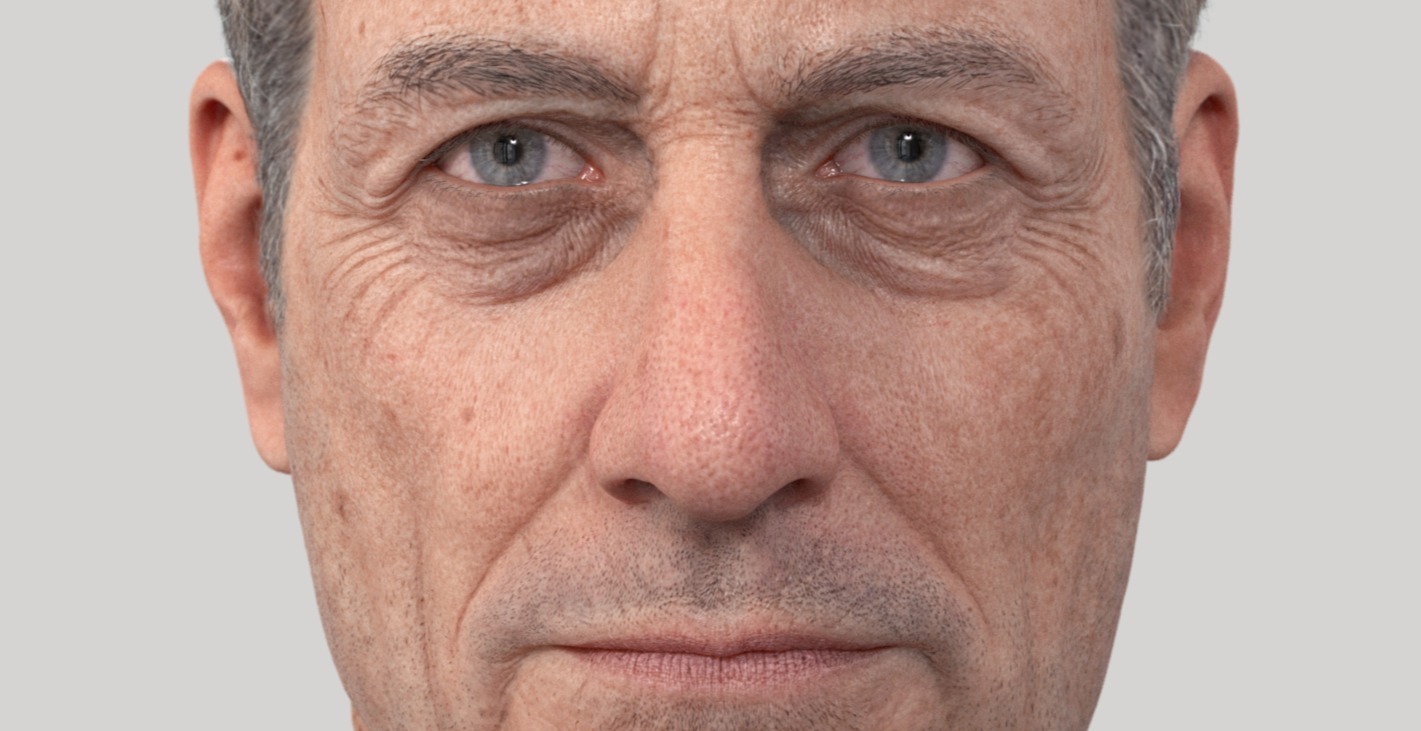
For hologram projects, the modelling stage has to serve both realism and performance. Mimic Productions builds facial and body models with the anatomy, expression range and texture discipline needed for digital humans that may later appear in holographic performances, exhibitions or brand-led experiences.
We use reference images, scans or concept art to establish identity, then refine the model with surface detail, realistic skin response and texture maps that support consistent presentation under different lighting conditions. The result is a character asset intended for the next stage of the pipeline, whether that means facial rigging, motion capture integration, rendering or final deployment across immersive environments.
Our focus is on facial and body modelling, realistic skin textures and texture maps that help a digital human hold up in a live environment. The same asset can then be used for holographic performances, museums and exhibitions, brand experiences or other immersive settings described in the source material. We also support projects where the character may need to reflect different appearances, eras or interpretations while preserving the core likeness.
If you are planning a hologram show, a visitor experience or a performance-led installation, we can help shape the character asset before it reaches animation, rendering or deployment. The work is designed to fit into a complete digital human pipeline, not to replace it.
Provide reference views, intended camera distance and any existing scans or concept art. Agree the model’s proportions, surface detail and downstream rigging requirements so reviews assess the asset in the context in which it will actually appear. For holographic presentation, share the display format, viewing distance and staging constraints before defining the character’s framing.
Explore our 3D Modeling services and Holograms production.
Related production services: Character Rigging for Holograms · 3D Rendering for Holograms · 3D Modeling for Immersive Events.


How we work
From reference to performance-ready asset
01
Gather the source material
We start with photography, video, scans or concept art and identify what the model must preserve, from likeness and expression to the technical limits of the final experience.
02
Build the character form
The model is sculpted into a realistic facial and body structure, with attention to proportion, anatomy and the features that carry identity on screen and in hologram settings.
03
Add texture and maps
Skin detail, colour variation and texture maps are developed to support natural light response and production use across different environments.
04
Prepare for the next stage
Once approved, the asset is ready to move into rigging, animation or other downstream work needed for holographic delivery.
Frequently asked questions
Frequently asked questions
Do you only build characters for holograms?
No. Our work includes 3D character modelling for film, gaming, advertising, VR and immersive simulations as well as holographic experiences. For hologram projects, we focus on the asset requirements that support live or staged presentation, but the same modelling skill set can serve other production contexts when the brief calls for a digital human or realistic character.
Can you start from a scan or from photos?
Yes. The modelling service is described as working from a scan, reference images or concept art. That flexibility matters in hologram work because source material is not always identical from project to project. We adapt the build to the reference available and the level of realism the experience needs.
What parts of the character do you handle?
The source describes facial and body modelling, advanced texturing and texture maps such as normal, displacement, diffuse, gloss, specular, depth and ambient. In practical terms, that means we can shape the character and prepare the surface detail needed before rigging, animation or rendering take over.
Do you provide the hologram hardware or projection system?
No. The source pages describe character creation and holographic experiences, but not hardware supply. Our role is the digital human and character asset side of the pipeline, so the modelling work can be handed to the team responsible for staging, projection or platform delivery.
Can a hologram character also be used in other formats?
Yes, if the asset is planned that way. The source says digital humans can be brought into holographic shows, museums, interactive installations and digital platforms. That makes early modelling choices important, because topology, textures and expression range should suit the intended deployment rather than a single output.
What should we prepare before commissioning the model?
Useful inputs include the character reference, intended use, the expected level of realism, and any constraints around posing, facial movement or delivery. If you already know the hologram format, that helps guide the modelling and texturing decisions so the asset is ready for later production stages.
Frequently asked questions