.png)


Rendering for events
Built for event visuals that must read instantly
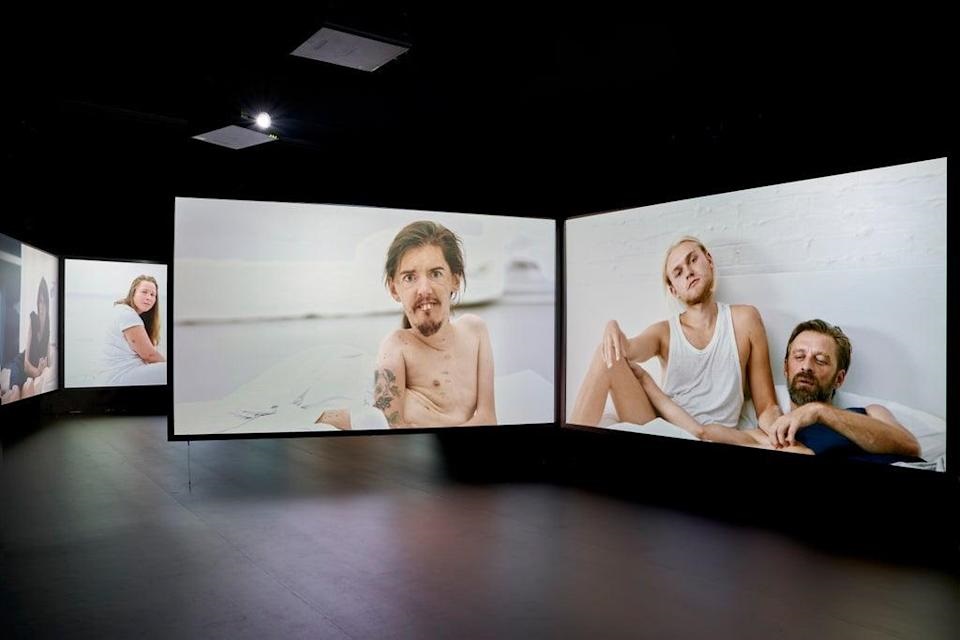
Event imagery has to work fast. On screen, in a venue, or inside an immersive installation, the audience only has a moment to register the scene, the material quality and the mood. That is where rendering matters most. It is the final stage of the pipeline, and at Mimic Productions we treat it as the point where modelling, materials, texturing, lighting, camera work and compositing are brought together into one clear result.
For event teams, this usually means preparing visuals that support a launch, exhibition, brand experience, live performance or hybrid presentation. Mimic Productions provides high-quality 3D rendering services in Berlin, with in-house rendering for smaller projects and coordination of external render farms for larger productions. That gives organisers a practical way to match scope to schedule and budget without losing image quality.
Production challenges
What event teams need to solve
Rendering for events is often less about a single image than about preparing visuals that hold up under pressure, in public, and on the day.
01
Fast audience recognition
Event visuals need to read immediately on screens, signage or immersive surfaces. Rendering must support clean composition, strong lighting and clear subject focus so the message is understood quickly.
03
Scope and budget control
Live events often have fixed windows and evolving requirements. Mimic Productions can assess the project and recommend the most efficient rendering setup, including in-house or external rendering options.
02
Multiple output contexts
The same asset may need to work in a presentation deck, a venue display, a live set or a hybrid stream. That requires careful framing, camera choices and compositing decisions before delivery.
What your team gets
Why event producers commission rendering
01
Cinematic presentation
Lighting and camera animation help event imagery feel composed rather than merely generated.
02
Clear visual hierarchy
Strong rendering supports quick audience reading, even in busy venue environments.
03
Flexible production fit
Rendering can support smaller activations or larger immersive builds, depending on the brief.
04
Polished final delivery
Compositing brings digital assets together into a single presentation-ready result.
Capabilities and deliverables
What we can provide
-
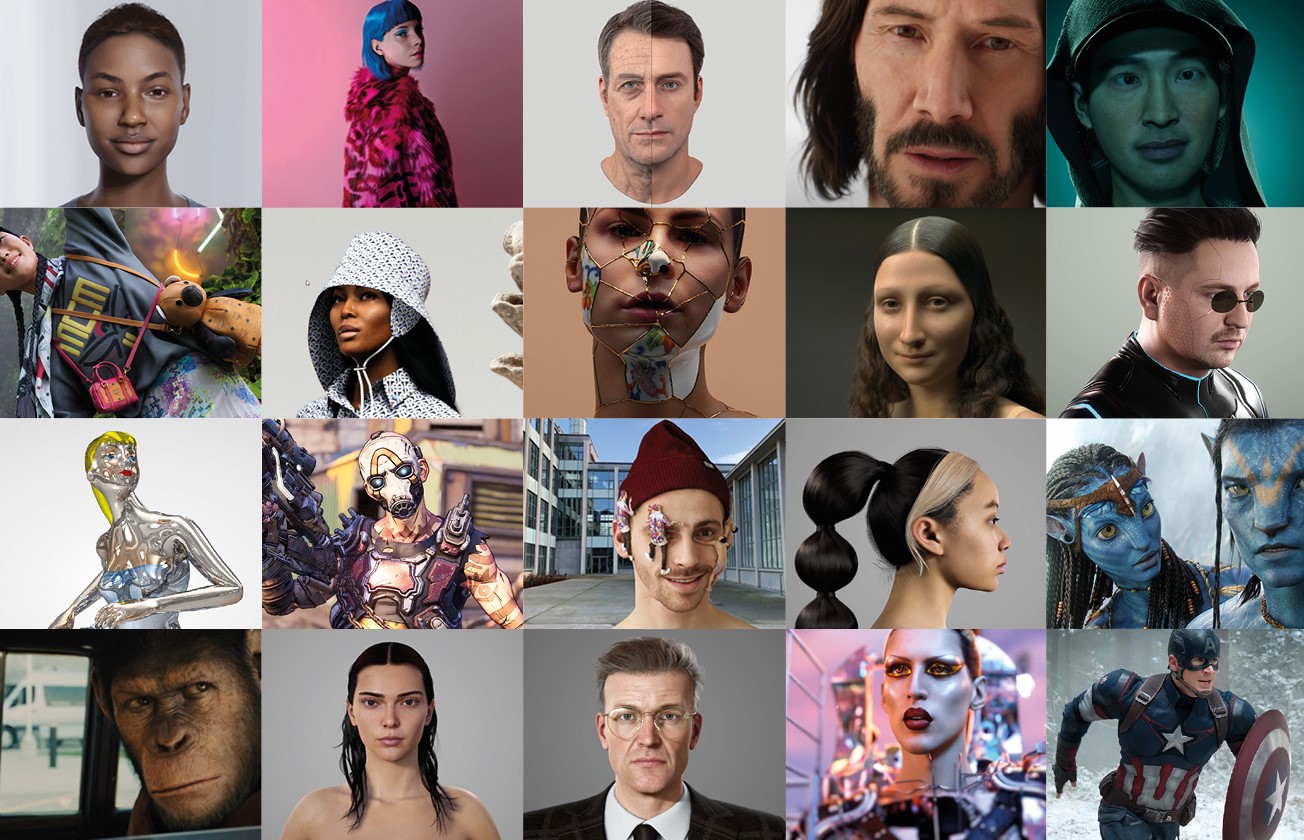
- Photoreal 3D rendering. Agree the visual target, review stages and final output requirements.
-
- Lighting setup and refinement. Review illumination and contrast against the intended visual reference.
-
- Camera animation for virtual shots. Plan framing and movement around the subject and viewing format.
-
- Digital cinematography direction. Plan framing and movement around the subject and viewing format.
-
- Head tracking for face replacement workflows. Identify the expressions and close-up detail required by the performance.
-
- Compositing of live-action and digital elements. Discuss how digital elements should sit within the surrounding footage.
-
- Real-time rendering for immersive work. Agree the visual target, review stages and final output requirements.
-
- In-house or external render coordination. Agree the visual target, review stages and final output requirements.
Production approach
How rendering supports event experiences
In event production, rendering is often the stage that determines whether an idea feels convincing when it reaches an audience. Mimic Productions works with the technical and visual layers that shape the frame, including materials, lighting, camera motion and compositing, so the finished output is ready for presentation rather than only for approval. That is useful for launches, exhibitions, performance visuals and immersive installations where the audience sees the result immediately and in context.
Because event work can vary from a single hero visual to a more complex spatial experience, the rendering setup is matched to the project size. Smaller productions can stay in-house, while larger ones can be coordinated through external render farms. When required, the work can also sit alongside immersive production methods such as 3D scanning, motion capture, VR environment creation and real-time rendering.
Our rendering work is closely tied to lighting and camera animation. Lighting artists collaborate with the texturing department to refine shaders, materials and texture maps so the final frame feels believable and cinematic. Camera animation, or digital cinematography, adds controlled movement, angles and transitions that help event visuals feel intentional on a large display or in a spatial installation.
For immersive and event-led formats, we also draw on experience from immersive art production. Mimic Productions has worked on VR installations, digital sculptures and interactive 3D artworks, and provides 3D scanning, motion capture, VR environment creation and real-time rendering where these are part of the brief. That makes the rendering stage more useful for event teams that need visuals to sit alongside performance, audience movement or exhibition storytelling.
Explore our 3D Rendering services and Immersive Events production.
Related production services: 3D Modeling for Immersive Events · Digital Hair and Clothing for Immersive Events · 3D Rendering for Holograms.


How we work
How we approach a rendering brief
01
Brief and use case review
We start by understanding where the visuals will appear, what the audience needs to see, and whether the output is for live display, immersive use or post-production.
02
Lighting and camera planning
We shape the scene with lighting, framing and motion decisions that support the tone of the event and the required screen or installation format.
03
Rendering and compositing
The chosen workflow is rendered and then composited so that digital elements, VFX and live-action material sit together naturally.
04
Delivery for presentation
Files are prepared for the agreed use, with attention to the practical handoff needs of event teams and other production partners.
Frequently asked questions
Common questions
Is rendering suitable for every event format?
Rendering is especially useful when an event needs high-quality visuals that cannot be captured fully in camera, such as immersive environments, virtual shots, character visuals or branded scene transitions. It can also support live presentations where the final frame must feel polished and controlled.
Can you help if we only need one asset?
Yes. Rendering can be scoped around a single hero image, a short sequence or a broader visual package. The right approach depends on how the asset will be used, whether it is for a screen, a venue, a pitch or a hybrid event format.
Do you handle both smaller and larger projects?
Yes. Mimic Productions states that it provides in-house rendering for smaller projects and coordinates external render farms for larger productions. That makes it possible to choose a setup that suits the project size rather than forcing the work into one production model.
Can rendering be combined with immersive work?
Yes. The immersive studio source describes 3D scanning, motion capture, VR environment creation and real-time rendering as part of complete immersive production. Those capabilities are relevant where an event includes installations, interactive content or spatial storytelling.
Do you produce the hardware for a live event?
No. Rendering covers the visual production side, not venue hardware, projection systems or on-site installation equipment. If a project involves live display or immersive presentation, the team needs to define how the rendered material will be used and by whom it will be installed.
How do we start a project?
Share the event context, the intended output and any timing constraints. From there, Mimic Productions can review the scope, advise on a suitable rendering route and discuss how lighting, camera animation and compositing should support the final presentation.
Frequently asked questions