.png)


Rendering / Fashion
Why fashion rendering needs more than a polished frame
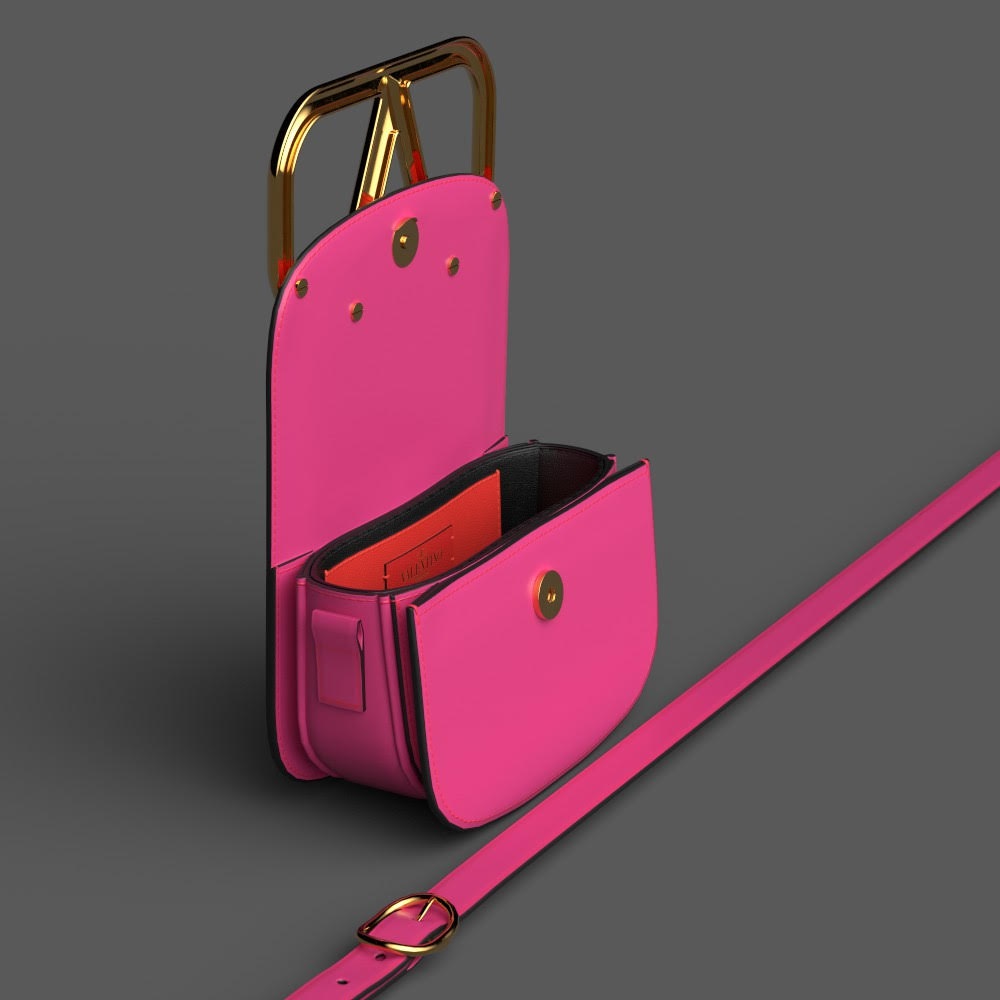
In fashion, rendering is not just about making an image look attractive. It is the stage where garment detail, material response, lighting, camera framing and compositing all need to hold together. When the source model is weak, the render only exposes it further. When the pipeline is planned well, the final image can support campaign storytelling, product presentation, digital fashion content and virtual production without losing the feel of the original design. Mimic Productions works across the 3D rendering pipeline with fashion needs in mind. That includes in-house rendering for smaller projects, coordination of external render farms for larger productions, and close work between lighting, texturing, camera animation and compositing. For fashion teams, that means a practical production partner for campaign imagery, digital fashion assets, virtual ambassadors, fit simulations and other visuals where realism, control and turnaround all matter. The fashion sector also brings its own constraints. Materials need to read correctly. Stitching, trims, zips and buckles must stay believable. A shot may need to support both editorial mood and product clarity. Sometimes the aim is a photoreal still, sometimes a moving camera, sometimes a digital double or a garment simulation built for online use.
Production challenges
Common production pressures
Fashion rendering often has to balance creative ambition with tight delivery requirements and exact visual detail.
01
Material truth
Fashion assets depend on convincing fabric, sheen, transparency and surface response. If materials are not tuned carefully before render, the final frame can flatten texture, distort colour or weaken the sense of quality that the brand needs.
03
Pipeline fit
Some projects are best handled in-house, while others need external render farm coordination. Choosing the wrong setup can waste time, add cost and complicate approvals, especially when the deliverables include stills, animation or post-production work.
02
Story and product in one image
Campaign visuals often need to feel cinematic while still presenting clothing, shoes or accessories clearly. That can require careful lighting, camera animation and compositing so the product remains readable without losing mood.
What your team gets
What this service supports
01
Photoreal output
Rendering turns detailed models, textures and lighting into images that can support premium fashion presentation.
02
Controlled camera language
Camera animation helps shape editorial pacing, product emphasis and campaign storytelling.
03
Better material read
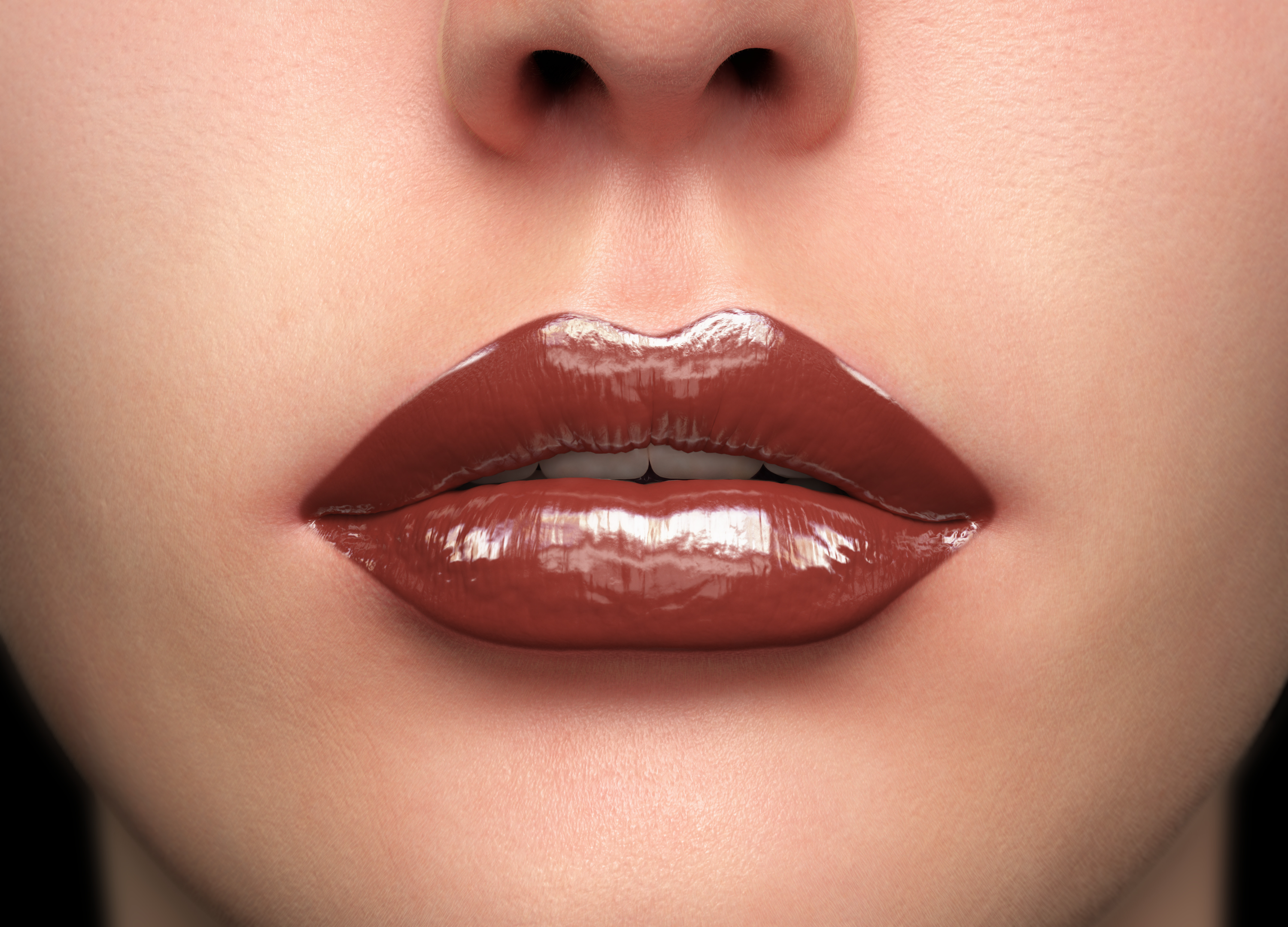
Close lighting and shader work improve the way fabric, trims and surfaces appear in final frames.
04
Flexible production scale
The team can work on smaller in-house jobs or coordinate larger render requirements when needed.
Capabilities and deliverables
Core rendering capabilities
-
- Lighting for fashion visuals. Review illumination and contrast against the intended visual reference.
-
- Camera animation and digital cinematography. Plan framing and movement around the subject and viewing format.
-
- Head tracking for face replacement workflows. Identify the expressions and close-up detail required by the performance.
-
- Compositing for final image integration. Discuss how digital elements should sit within the surrounding footage.
-
- In-house rendering for smaller projects. Agree the visual target, review stages and final output requirements.
-
- External render farm coordination for larger productions. Agree the visual target, review stages and final output requirements.
-
- Support for photoreal and cinematic output. Set a clear scope and review sequence with your production team.
-
- Integration with character and garment workflows. Review fit, movement and intersections against the garment reference.
Production approach
How we approach fashion rendering
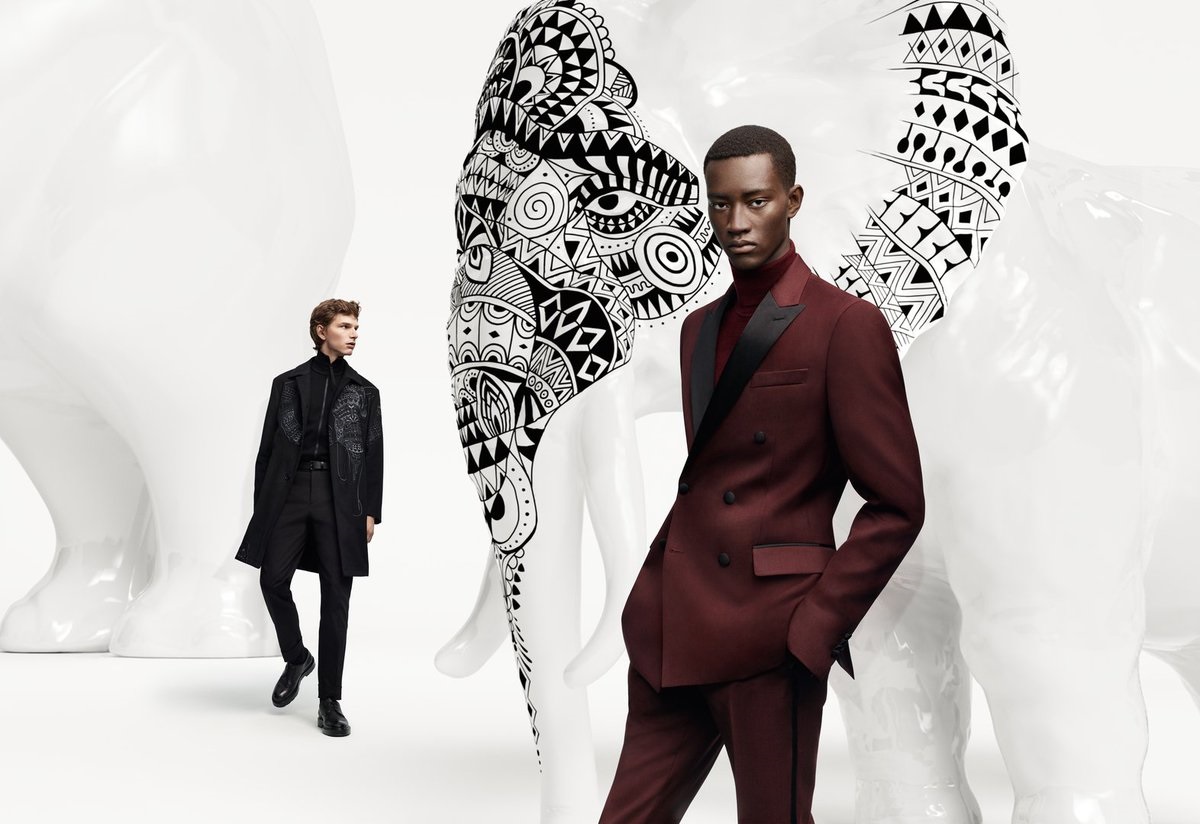
Fashion rendering at Mimic Productions sits inside the wider 3D production pipeline, not after it. The quality of the final image depends on how the model, material, texture and camera decisions are made earlier in the process. Our team works on lighting, shader refinement, camera animation and compositing so that the result feels intentional rather than over-processed.
For fashion brands, that is useful across campaign development, digital fashion content, virtual runways and product-focused visuals. It can also support face replacement, hybrid live-digital footage and performer-led work when a project calls for it. Where the brief involves clothing, shoes, bags or accessories, the rendering process helps preserve the practical details that matter to buyers while still giving the image a clear visual identity.
Provide the intended shot list, reference lighting and final presentation format. Review framing, materials and exposure together, then agree the animation, compositing and output requirements before committing to final frames. For fashion, provide garment, fabric and styling references, and identify which details must remain visible in the final presentation.
Explore our 3D Rendering services and Fashion production.
Related production services: 3D Modeling for Fashion · Digital Hair and Clothing for Fashion · 3D Rendering for Advertising.


How we work
How a project typically moves forward
01
Brief and scope
We review the intended output, whether that is stills, animation, product-led imagery or a hybrid fashion piece, and identify the render setup that fits the brief.
02
Lighting and shot planning
Our artists define the lighting mood, camera angles and shot rhythm so the scene supports both realism and the fashion story being told.
03
Render and refinement
We produce the required frames, using in-house rendering or larger-scale coordination where appropriate, then refine image quality and consistency.
04
Composite and handoff
Final visual elements are combined in compositing and prepared for delivery in the agreed format, with attention to the needs of campaign, web or post-production use.
Frequently asked questions
Frequently asked questions
Is rendering only useful for finished 3D fashion images?
No. Rendering can support stills, animation, campaign films, product visuals and hybrid live-digital content. In fashion, it is often the stage that makes clothing, accessories and digital models feel coherent in the final frame. The most useful setup depends on the brief, the source assets and the delivery format.
Can you help if the project is small?
Yes. Mimic Productions offers in-house rendering for smaller projects. That is useful when the scope is focused, the number of deliverables is limited, or the production needs a direct, controlled workflow without the complexity of large-scale farm coordination.
Do you only render fashion assets that you created?
Not necessarily. Rendering can be applied to assets from a wider pipeline, provided the files and brief are suitable. The team can assess whether the source models, materials and textures are ready for the render stage and advise on the most efficient route to the final output.
How do lighting and compositing affect the result?
They can change the mood, clarity and realism of the image as much as the model itself. In fashion, lighting shapes how fabric and finish are read, while compositing determines how digital assets sit with each other or with live-action footage. Both are important to a convincing final image.
Can rendering support digital fashion and virtual ambassadors?
Yes. The fashion source describes digital model development, avatar work and custom 3D models, all of which can be supported by rendering when the aim is a polished presentation. Rendering helps define the final look, but it does not by itself create the character, the wardrobe or any conversational system.
What should a fashion team prepare before starting?
It helps to have a clear use case, reference mood, target format and any technical requirements around stills, animation or delivery size. If the project includes garments, accessories or a digital model, the team should also review the source assets so the render plan matches the visual and production goals.
Frequently asked questions