.png)
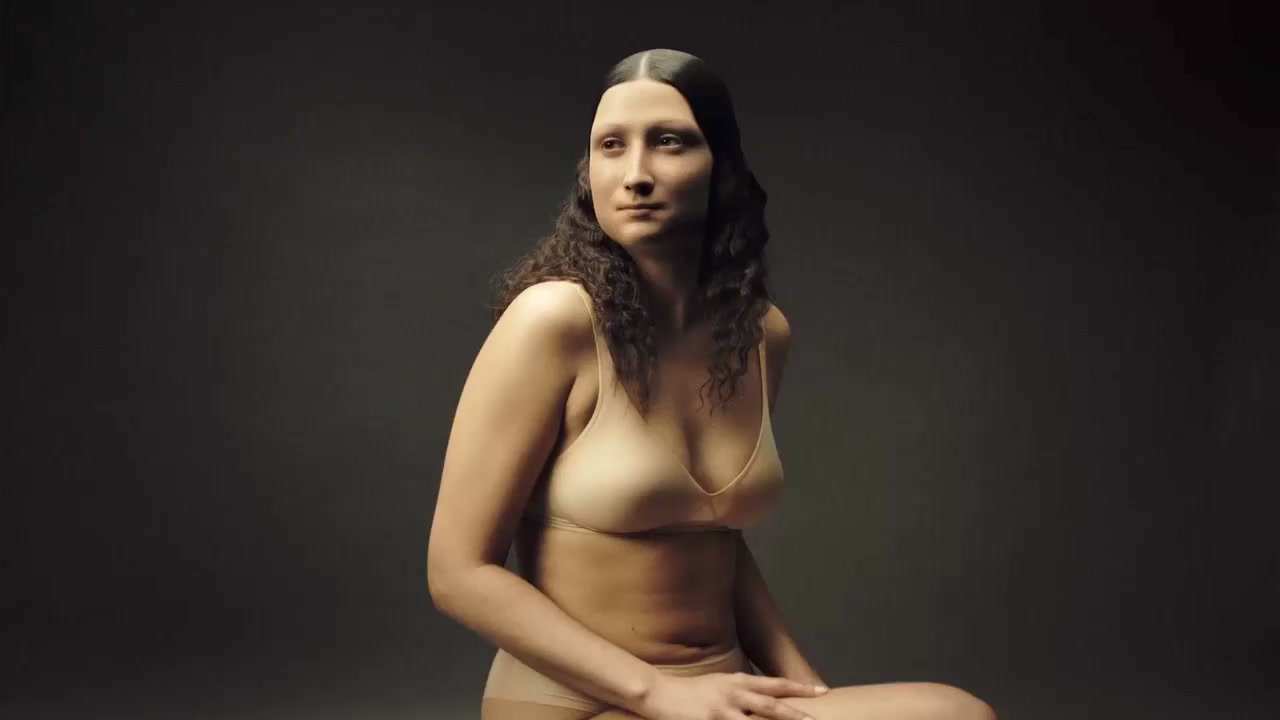


Rendering for advertising
Final frames that support the campaign idea
For advertising work, rendering is where a model becomes a persuasive image. Mimic Productions provides 3D rendering services for agencies that need polished visuals for digital ads, brand films, character-led campaigns, and hybrid live-action content. Our role is to turn approved assets into finished frames with the right lighting, camera language, materials, and compositing, while keeping the output practical for production handoff.
We work with the realities of agency timelines, stakeholder review cycles, and multiple format requirements. Smaller jobs can be rendered in-house, while larger productions can be coordinated through external render farms when that is the more efficient route. That means the team can advise on scope, frame complexity, and delivery strategy before the final output stage begins. Lighting artists collaborate with texturing to refine shaders and surface detail, so the scene reads clearly on screen and still feels natural.
Production challenges
Common campaign production pressures
These are the issues agencies often need resolved before final delivery.
01
Visual consistency
Campaigns rarely use a single frame. Lighting, materials, and camera treatment need to stay coherent across assets, ratios, and revisions so the brand image holds together.
03
Mixed-source footage
When rendered elements meet live-action plates, the work depends on careful compositing and camera alignment so the final piece feels intentional rather than assembled.
02
Tight approval windows
Advertising reviews can move quickly. The rendering plan has to suit the schedule, with a sensible balance between quality, frame count, and the amount of iteration required.
What your team gets
What this stage adds to the campaign
01
Photoreal finish
Lighting, shading, and camera treatment are shaped to help the asset feel believable in the final ad.
02
Practical scale control
The team can match the rendering method to project size, from in-house output to coordinated external capacity.
03
Agency-friendly handoff
Rendered frames are prepared to sit inside wider post-production, motion, and compositing workflows.
04
Creative flexibility
Virtual camera work makes it easier to explore angles and edits that would be harder to capture physically.
Capabilities and deliverables
Rendering capabilities used in advertising

-
- Lighting design for mood and realism. Review illumination and contrast against the intended visual reference.
-
- Camera animation and shot framing. Plan framing and movement around the subject and viewing format.
-
- In-house and external render coordination. Agree the visual target, review stages and final output requirements.
-
- Head tracking for face replacement support. Identify the expressions and close-up detail required by the performance.
-
- Compositing with live-action or VFX. Discuss how digital elements should sit within the surrounding footage.
-
- Support for digital character visuals. Set a clear scope and review sequence with your production team.
-
- Frame-by-frame polish for final delivery. Agree the visual target, review stages and final output requirements.
-
- Creative direction for cinematic output. Discuss the required result and production scope during the project briefing.
Production approach
Built for the last mile of production
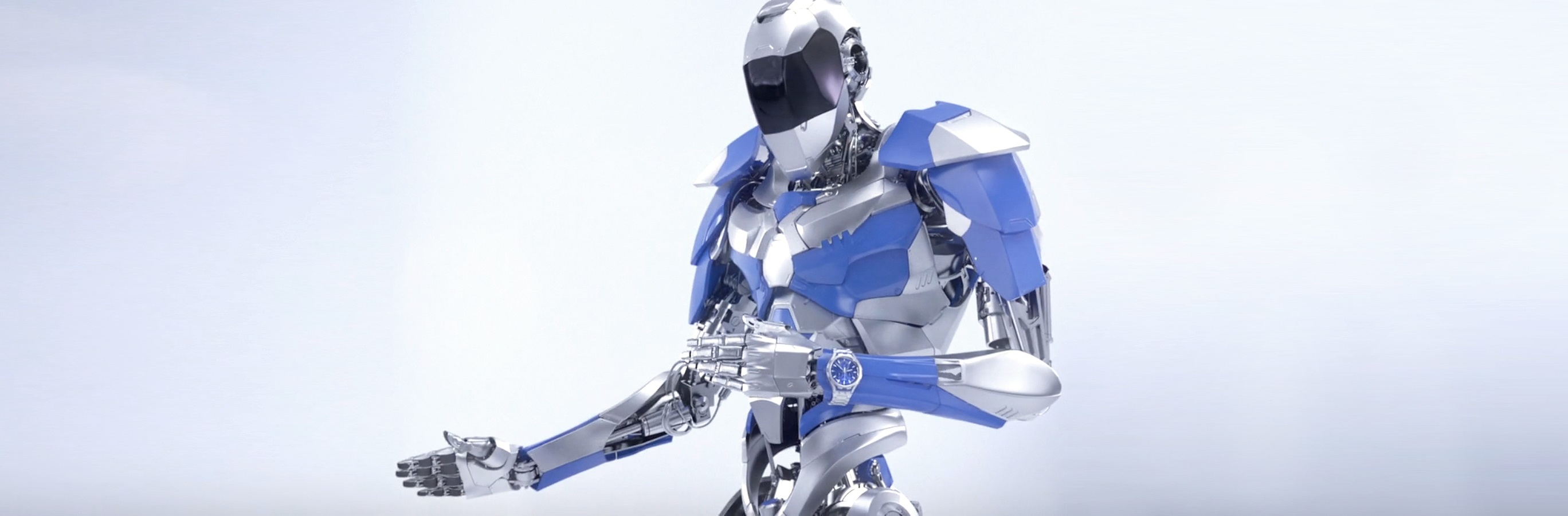
In advertising, the quality of the render depends on the work that comes before it, but the final stage still needs its own discipline. Model detail, materials, texturing, and camera choices all shape the frame, so our team reviews those inputs before the render plan is set. That helps avoid waste and keeps the output aligned with the creative brief.
For agencies, the main value is not just realism. It is also control. Rendering allows a campaign to refine performance, pace, and visual tone without relying on a physical shoot for every variation. When the work includes digital characters or face replacement, rendering can also support the exact integration needed for believable results in motion.
Advertising projects often need more than a pretty image. They need consistent character appearance across shots, camera moves that support the edit, and compositing that places the digital asset comfortably beside live-action plates or graphic treatments. Our rendering approach is built around that handoff. We can support digital cinematography, head tracking for face replacement work, and final compositing, so the rendered result fits the wider campaign pipeline rather than sitting apart from it.
Provide the intended shot list, reference lighting and final presentation format. Review framing, materials and exposure together, then agree the animation, compositing and output requirements before committing to final frames. For a campaign, identify the hero shots, brand approvals and the different placements or aspect ratios required.
Explore our 3D Rendering services and Advertising production.
Related production services: 3D Modeling for Advertising · Digital Hair and Clothing for Advertising · 3D Rendering for Virtual Influencers.


How we work
How the rendering stage is handled
01
Review the asset and brief
We look at the model, textures, shot list, and target formats so the render method fits the campaign rather than forcing extra revision later.
02
Plan the look
Lighting, camera movement, and material treatment are defined with the creative team to support the intended tone and brand presentation.
03
Render and refine
Frames are produced with the appropriate compute setup, then checked for continuity, realism, and consistency across the sequence.
04
Composite for delivery
Final images are prepared for the wider post pipeline, whether the output needs to sit beside live-action plates or finish as standalone ad visuals.
Frequently asked questions
Questions agencies ask before final render
When is rendering the right stage to bring in?
Rendering is usually best once modelling, texturing, and shot intent are sufficiently defined. For advertising work, that allows the team to focus on image quality, timing, and integration rather than reworking the underlying asset at the last moment.
Can you handle both smaller and larger campaigns?
Yes. Mimic Productions can render smaller projects in-house and coordinate external render farms for larger productions. The choice depends on the frame count, complexity, schedule, and the overall efficiency of the delivery plan.
Do you provide the lighting and camera work as part of the service?
Yes. Lighting and camera animation are part of the service scope. That matters in advertising because the final frame has to support the story, the product, and the brand tone, not only the technical finish.
Can rendered assets be used with live-action footage?
They can, provided the integration plan is set up properly. The service includes compositing support and head tracking for face replacement workflows, which helps digital elements sit more naturally inside live-action material.
Is this only for character campaigns?
No. Character work is a strong fit, but the service also supports architectural visualisation, cinematic scenes, product visuals, and other advertising content where the final frame needs careful light, motion, and finish.
What should agencies provide at the start?
A clear brief, approved model or asset status, target formats, reference imagery, and any known delivery constraints help most. That gives the team enough context to advise on the most practical rendering route and avoid avoidable back-and-forth.
Frequently asked questions