


3D Modeling for Fashion
Built for fashion assets that need to read well up close
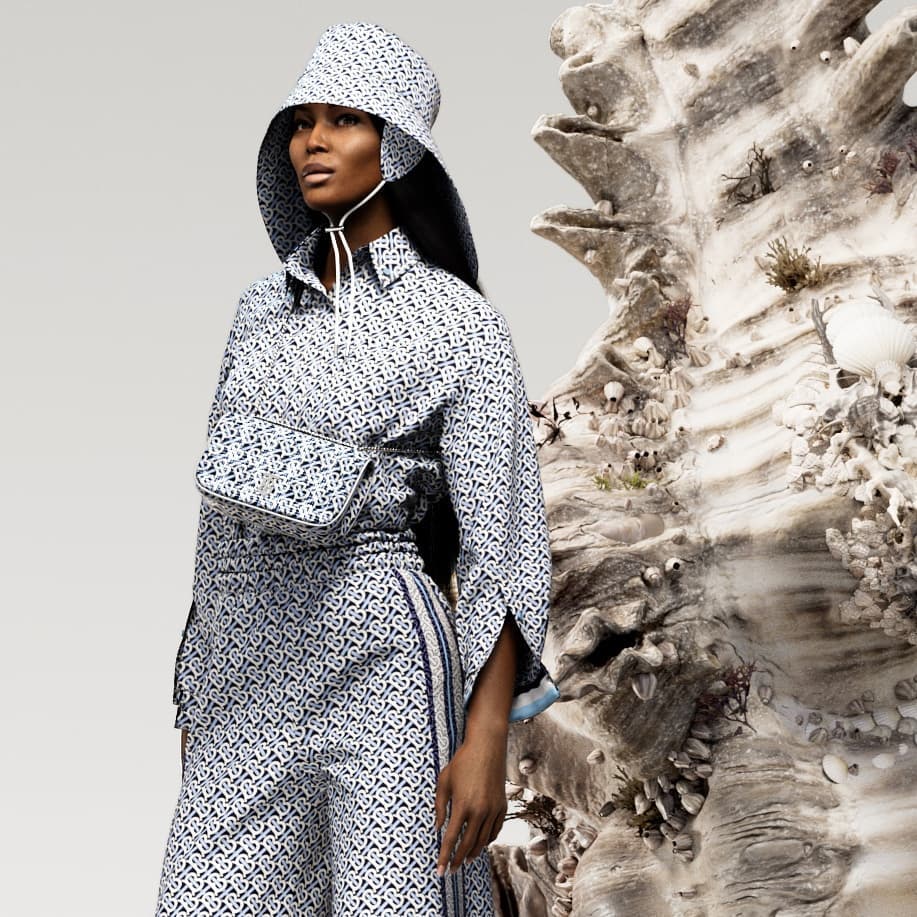
Mimic Productions creates photo-realistic 3D models for fashion teams that need characters, garments, beauty details and digital products to hold up in campaign imagery, online content and virtual presentations. Our work can begin from scan data, reference photos or concept art, depending on what you already have and how far the asset needs to go.
For fashion brands, the buying decision is usually not only about appearance. It is about whether the model can support campaign art direction, fit within a garment simulation pipeline, and still be usable for downstream delivery. We develop facial and body models, texture maps and high-detail surface detail with that handoff in mind, so your internal team or production partner can take the asset into rigging, animation, rendering or fit testing.
Production challenges
Common fashion production problems
These are the issues fashion teams usually need solved before a 3D asset can be approved or reused.
01
Reference is strong, but the model still needs structure
Fashion briefs often arrive with mood images, scans or photos that do not yet form a usable asset. We shape the body, face and proportions so the model can support future posing, styling and rendering.
03
The asset has to fit more than one channel
A model for campaign imagery may also need to support digital fashion content, product development or virtual runway work. We create with reuse and handoff in mind, so the same asset can move through your pipeline.
02
Surface detail has to survive close inspection
Skin, hair and fabric only work when pores, wrinkles, gloss and texture maps behave naturally under light. We build details for clarity in stills, motion and close-up review.
What your team gets
What this service gives fashion teams
01
Realistic faces and bodies
Models are built for natural proportion, expression and posture.
02
Texture work that reads at fashion distance
Skin and surface maps are tuned for believable light response.
03
Useful for product and campaign workflows
Assets can support styling, simulation and visual development.
04
Designed for handoff
Files are prepared to continue into rigging, rendering or animation.
Capabilities and deliverables
Core production scope
-
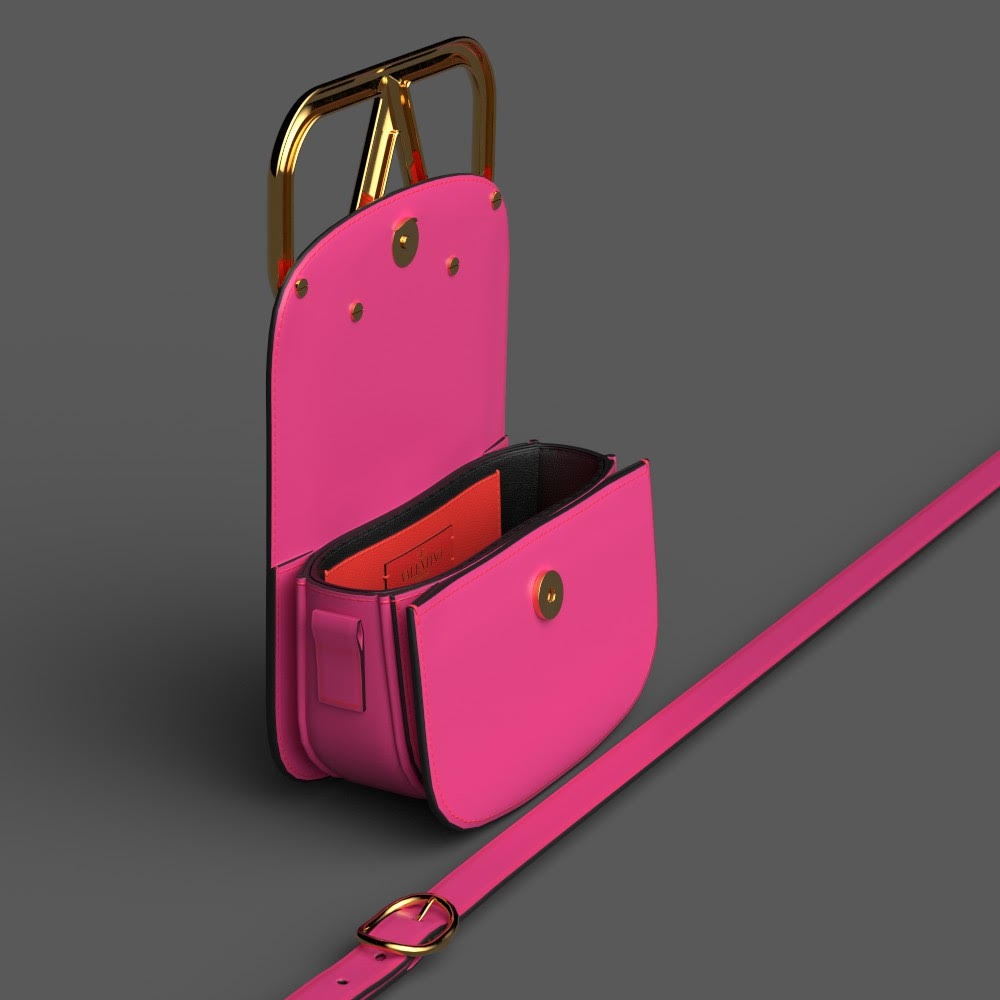
- Character modelling from scan, reference or concept art
-
- Facial and body sculpting for digital fashion
-
- Advanced texturing and texture maps
-
- Realistic skin, pores, wrinkles and colour variation
-
- Digital doubles and brand ambassador assets
-
- Garment-ready figures for simulation workflows
-
- Support for campaign, beauty and virtual worlds
-
- Handoff for rigging and animation teams
Production approach
How the work is approached
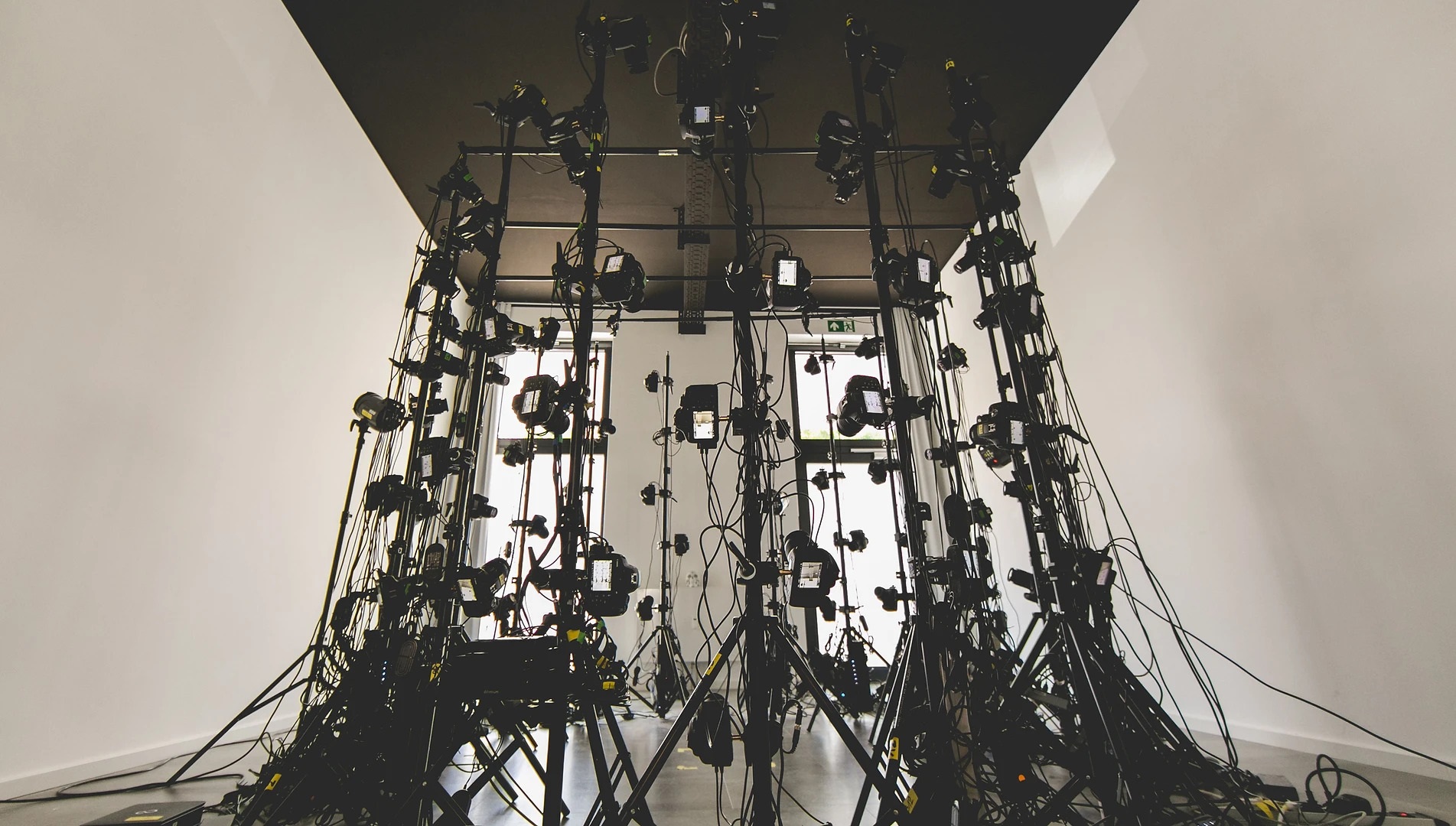
Fashion modelling is strongest when the asset is built around its final use.
Provide reference views, intended camera distance and any existing scans or concept art. Agree the model’s proportions, surface detail and downstream rigging requirements so reviews assess the asset in the context in which it will actually appear. For fashion, provide garment, fabric and styling references, and identify which details must remain visible in the final presentation.
Explore our 3D Modeling services and Fashion production.
Related production services: Character Rigging for Fashion · 3D Rendering for Fashion · 3D Modeling for Advertising.


How we work
Typical workflow
01
Brief and reference review
We assess scans, photos or concept art, plus the intended use of the asset, so the modelling path matches the final fashion output.
02
Sculpt and shape
The body and face are modelled with attention to proportion, anatomy and the level of realism required for the project.
03
Texture and map
We add skin detail, surface variation and the texture maps needed for realistic lighting and production use.
04
Prepare for handoff
Files are organised so they can continue into rigging, rendering, animation or garment simulation with fewer downstream issues.
Frequently asked questions
Frequently asked questions
Q.1 Can you start from reference images rather than a scan?
Yes. The service can begin from reference images, scan data or concept art, depending on what is available. That lets fashion teams work with existing campaign material, source photography or early design directions without forcing the project into a single input format.
Q.2 Is this only for characters and not for fashion products?
The main service is 3D modelling, but in fashion it often supports both character-led and product-led work. That can include digital model development, beauty assets, garment simulation preparation and other content where the model must fit a fashion pipeline.
Q.3 Can the model be used for a digital ambassador or double?
Yes, if that is the brief. Mimic’s fashion source describes digital model development and custom 3D models for brand ambassadors. The practical point is to define how much likeness, styling control and downstream flexibility the asset needs before production starts.
Q.4 Will you also rig and animate the model?
3D modelling can be prepared for rigging, but rigging is a separate service. If animation is required, the asset can be built with that handoff in mind so the next team has the structure and texture information they need to continue.
Q.5 Do you provide the garment simulation itself?
Garment simulation is available as part of our wider digital fashion work. A modelling commission should specify whether it includes the character, clothing geometry, simulation setup or finished animation. Share garment references and the planned movement so the assets are prepared for the correct next stage.
Q.6 How do you make the asset useful after delivery?
We plan for reuse from the start. That means considering the final output, the lighting conditions, the target channel and whether the model must later support render, animation or virtual production. The result is a 3D asset that is easier to hand over and build on.
Frequently asked questions
Frequently asked questions
For digital fashion, 3D character modelling scope depends on reference quality, likeness detail, character count and texture requirements. Send reference views, camera distance and the required model and texture package. Share garment references, the collection or look variations and the movements needed for the presentation.