.png)


Fashion production for digital humans
Built for fashion images that need motion as well as style
Fashion characters only feel convincing when hair and cloth behave like the materials they represent. Mimic Productions creates 3D hair simulation and 3D cloth simulation for digital fashion, brand ambassadors, avatars and digital doubles, supporting both offline rendering and real-time environments.
Our Berlin team works across the fashion production pipeline, from digital model development and garment design to simulation setup and optimisation. That can mean strand-based hair for polished close-ups, bone-driven hair for lighter real-time scenes, or non-dynamic hair when a stylised look is the better fit. For clothing, we simulate how fabrics fold, hang and respond, whether the brief calls for silk-like movement, structured outerwear or rigged cloth for performance-sensitive output.
Production challenges
Where fashion simulations often break down
These are the most common production issues we solve before they become costly revision cycles.
01
Hair needs the right level of motion
Fashion visuals often need different hair strategies for stills, films and interactive scenes. We choose between full simulation, bone-driven movement and non-dynamic rigging so the hairstyle matches the creative brief and the delivery platform.
03
The same asset may need several outputs
A look developed for a fashion film may also need to work in real-time, or be adapted for a virtual runway. We plan simulation with handoff in mind, so teams are not left rebuilding assets for each channel.
02
Garments must read as fabric, not a texture
A good garment simulation has to respect drape, weight and folds. We build clothing behaviour that supports the silhouette, whether the piece is soft, structured, layered or intended for close camera work.
What your team gets
What the fashion team gets
01
Simulation matched to the brief
Choose the right hair and cloth approach for the style, budget and output format.
02
Real-time aware production
Assets can be prepared for Unreal, Unity and other interactive workflows when needed.
03
Better material behaviour
Garments move with believable folds, weight and response to motion.
04
Cleaner handoff
We can deliver assets structured for further production, retiming or rendering.
Capabilities and deliverables
Core capabilities
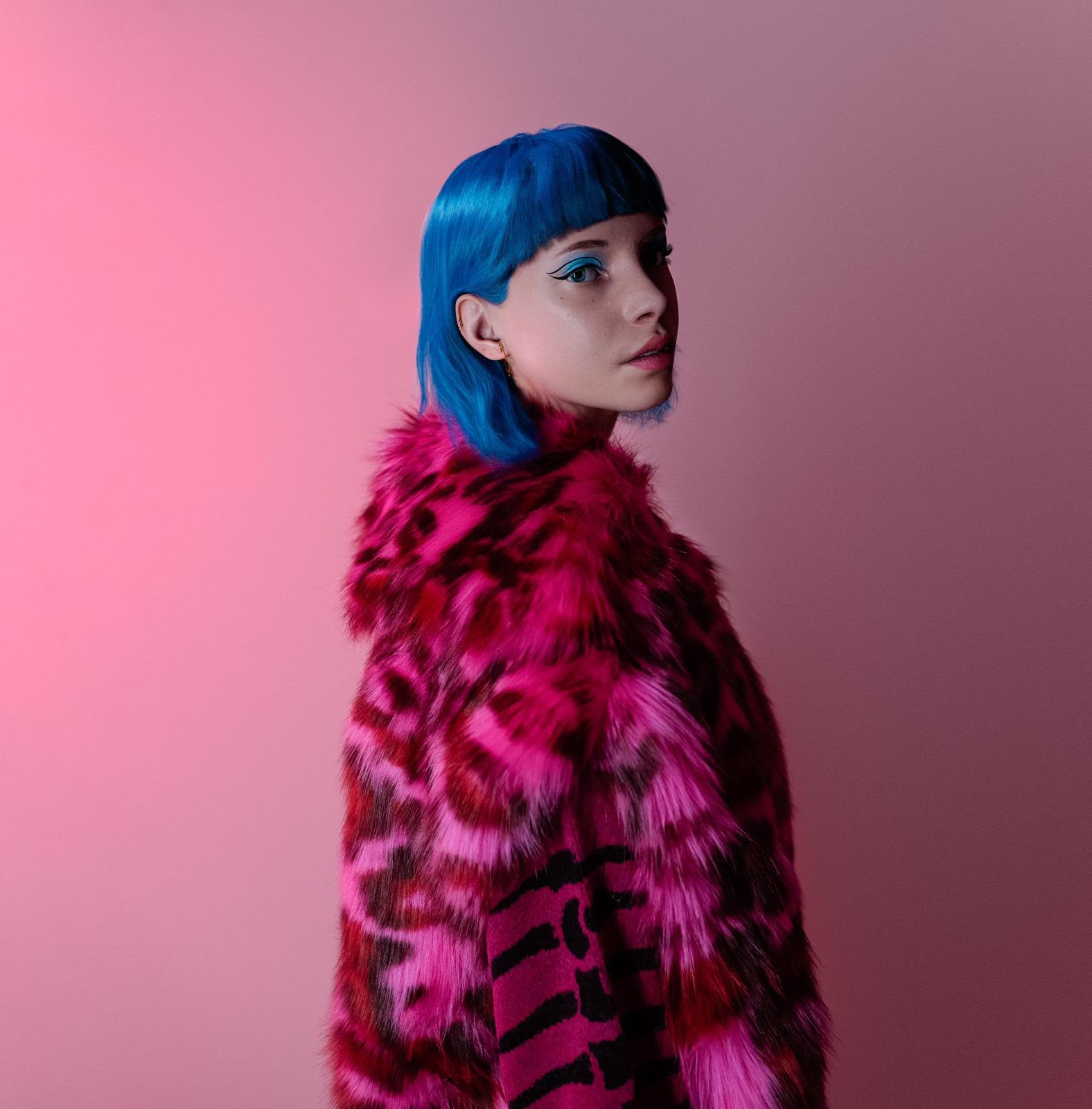
-
- Full 3D hair simulation. Define the silhouette, density and behaviour needed in close-up and motion.
-
- Bone-driven hair for real-time use. Define the silhouette, density and behaviour needed in close-up and motion.
-
- Non-dynamic rigged hair. Review proportions, range of movement and the animation handoff.
-
- 3D cloth simulation. Review fit, movement and intersections against the garment reference.
-
- Rigged cloth weighting. Review proportions, range of movement and the animation handoff.
-
- Real-time optimisation for Unreal and Unity. Discuss the target application and practical performance constraints.
-
- Garment simulation for fashion films and campaigns. Review fit, movement and intersections against the garment reference.
-
- Digital model and avatar production. Shape the asset around its proportions, intended views and downstream use.
Production approach
How we approach fashion hair and cloth
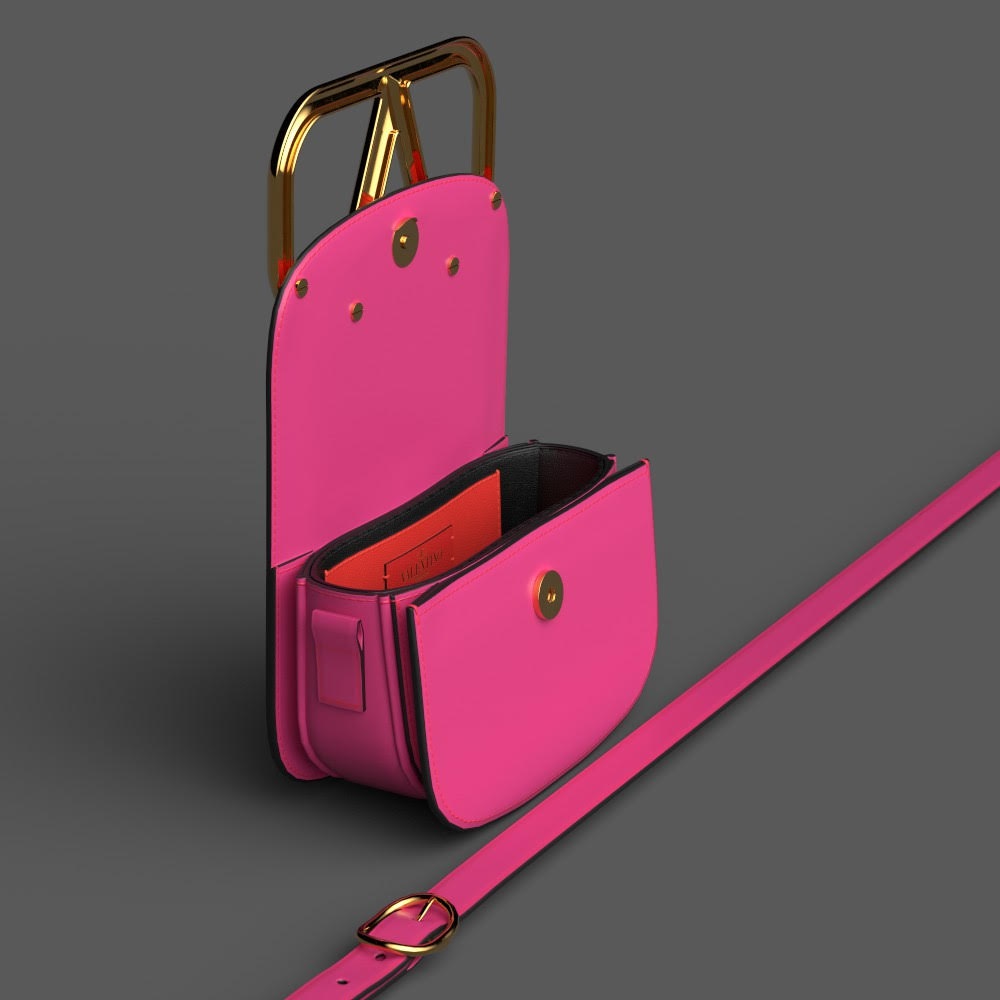
We tailor the setup to the image, not the other way around. For close-up fashion content, that may mean more detailed hair simulation and garment behaviour tuned for cinematic realism. For live or interactive delivery, we simplify where needed and optimise the asset so it stays performant while preserving the look of the design.
Our studio also works across the wider digital fashion pipeline, which means hair and cloth can be developed alongside the model, the garment and the intended output format. That makes it easier to plan for campaign use, virtual worlds, e-commerce presentations or online fit technology without losing control of the design intent.
For fashion teams, the buying decision is usually not just about realism. It is about where the asset will live, how often it will be reused, how much control the art team needs, and what handoff is required for Unreal, Unity or offline rendering. We help narrow that choice early, so the final asset supports campaign stills, motion content, virtual fashion shows or showroom experiences without forcing a rebuild later.
Mimic has deep roots in digital fashion and has worked with luxury and fashion names including Burberry, Moncler, Balmain and Valentino. We also develop 3D models and avatars that can be adapted for different environments, helping fashion teams move from a single look development pass into repeatable production assets. The result is hair and clothing that support the design, instead of distracting from it.
Explore our Digital Hair and Clothing services and Fashion production.
Related production services: 3D Modeling for Fashion · 3D Animation for Fashion · Digital Hair and Clothing for Advertising.


How we work
Typical production flow
01
Brief and output review
We confirm the intended use, from campaign renders to real-time fashion content, and identify the level of simulation needed.
02
Hair and cloth strategy
We recommend the most suitable setup, whether that is full simulation, rigged elements or a mixed approach for performance.
03
Build and test
Hair, garments and movement are developed and checked against the asset, camera and delivery environment.
04
Hand-off preparation
We organise the simulation for the next stage, including optimisation where the fashion pipeline requires it.
Frequently asked questions
Frequently asked questions
Do you only simulate fashion looks for final renders?
No. We can work for offline visuals and for real-time delivery. The right setup depends on how the asset will be used, whether that is a fashion film, a virtual runway, a live presentation or an interactive environment. We adapt the simulation approach to the target pipeline.
Can you help choose between simulated and rigged hair or cloth?
Yes. That is often the most important early decision. Full simulation gives the richest motion, while rigged or bone-driven approaches can be more efficient for real-time projects. We help assess style, budget, performance needs and the level of artistic control required.
Do you build the model as well as the hair and clothing?
We can support digital model development and avatar production alongside hair and garment work. That is useful when the simulation needs to be designed around the final figure, rather than added as an isolated task. It also helps keep the asset consistent across shots or platforms.
Can the same asset be used in Unreal or Unity?
Yes, if the brief calls for real-time use, we can optimise hair and cloth workflows for engines such as Unreal and Unity. Not every cinematic setup transfers directly, so we plan the pipeline with performance and motion behaviour in mind from the start.
Is this suitable for fashion campaigns and e-commerce content?
It can be, depending on the goal. Some teams want highly polished campaign imagery, while others need reusable assets for product storytelling or fit-related applications. We shape the simulation to support the creative and technical needs of the delivery format.
Do you create the projection or virtual show hardware?
No. We provide the digital hair, cloth and character assets, but not the physical projection or stage hardware. If the project includes a live show or installation, we can prepare the content so it is ready for the chosen environment and technical team.
Frequently asked questions