.png)
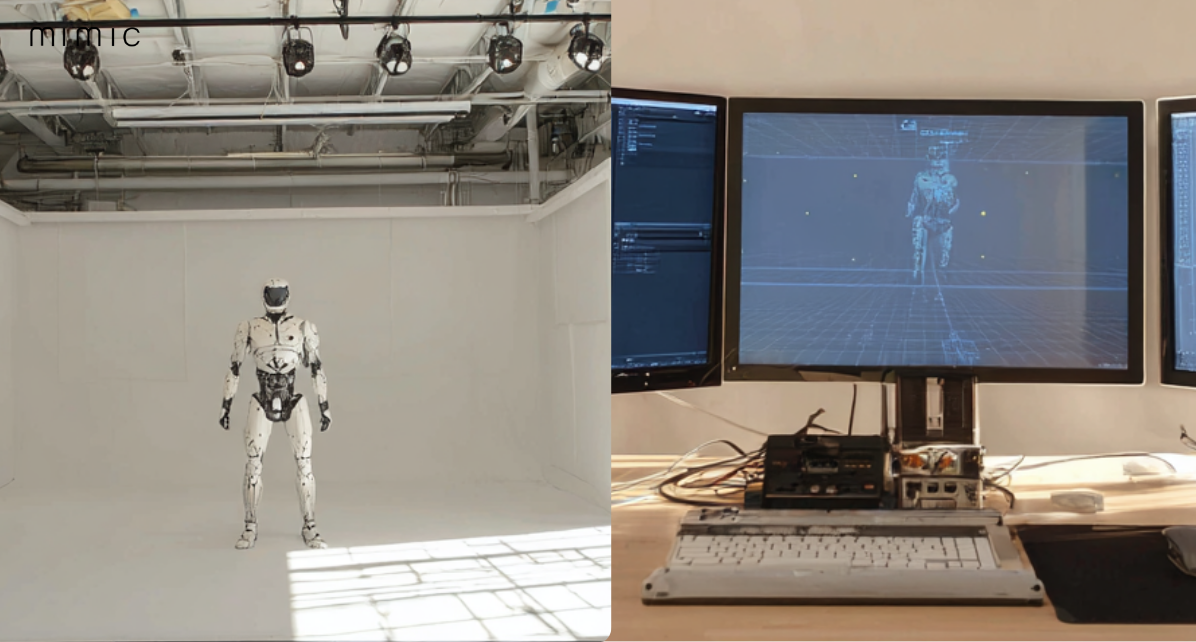


Robotics production support
Hair and cloth that support robot realism
Robotics teams often need more than a convincing face. Once a humanoid design starts moving, hair, fabric and soft surface behaviour can affect how believable the whole system feels. Mimic Productions creates 3D hair simulation and 3D cloth simulation for characters, avatars and digital doubles, with methods suited to cinematic, real-time and hybrid pipelines. For robotics, that means tailoring the work to the role the asset must play. A presentation model may call for full strand motion and detailed garment folds. A live demo or interactive build may need a lighter setup, such as bone-driven hair or rigged cloth, so the asset stays efficient inside engines like Unreal or Unity. We work across those approaches and help teams choose the right balance of realism, performance and production scope. Our robotics-related work focuses on how hair and clothing support face, motion and presentation. That can include a stylised human-like character for social interaction studies, a digital twin for simulation-first testing, or a humanoid system that needs expressive surfaces for public-facing experiences. We also keep handoff practical, so the assets are usable by animation, real-time and engineering teams without assuming a single final output. Because robots are built for different environments, the same solution will not suit every brief. Some projects need dynamic hair that responds naturally to movement and gravity. Others need cloth that follows the rig cleanly and stays stable under real-time constraints.
Production challenges
Common production issues
These are the typical points where robotics teams need clear choices rather than generic asset work.
01
Unstable performance in real time
When a humanoid must run in a live demo or interactive environment, heavy simulation can slow the experience or create unpredictable results.
03
Mismatch between design and platform
A surface solution that works for a filmed render may not be efficient for Unreal, Unity or simulation-first testing.
02
Surface realism versus rig control
Hair and clothing must look natural while still following the rig cleanly, especially when the robot face or body is being animated frequently.
What your team gets
What this adds to robotics production
01
Flexible hair methods
Choose full simulation, bone-driven motion or rigged skin binding according to the hairstyle and delivery platform.
02
Cloth suited to the task
Use simulated folds for realism or rigged cloth for stable movement in real-time and interactive builds.
03
Real-time aware workflow
Hair and clothing can be prepared for engines and live environments without losing the visual intent of the character.
04
Clear production handoff
Assets are built to support animation, visualisation and technical teams with practical downstream use in mind.
Capabilities and deliverables
Service options
-
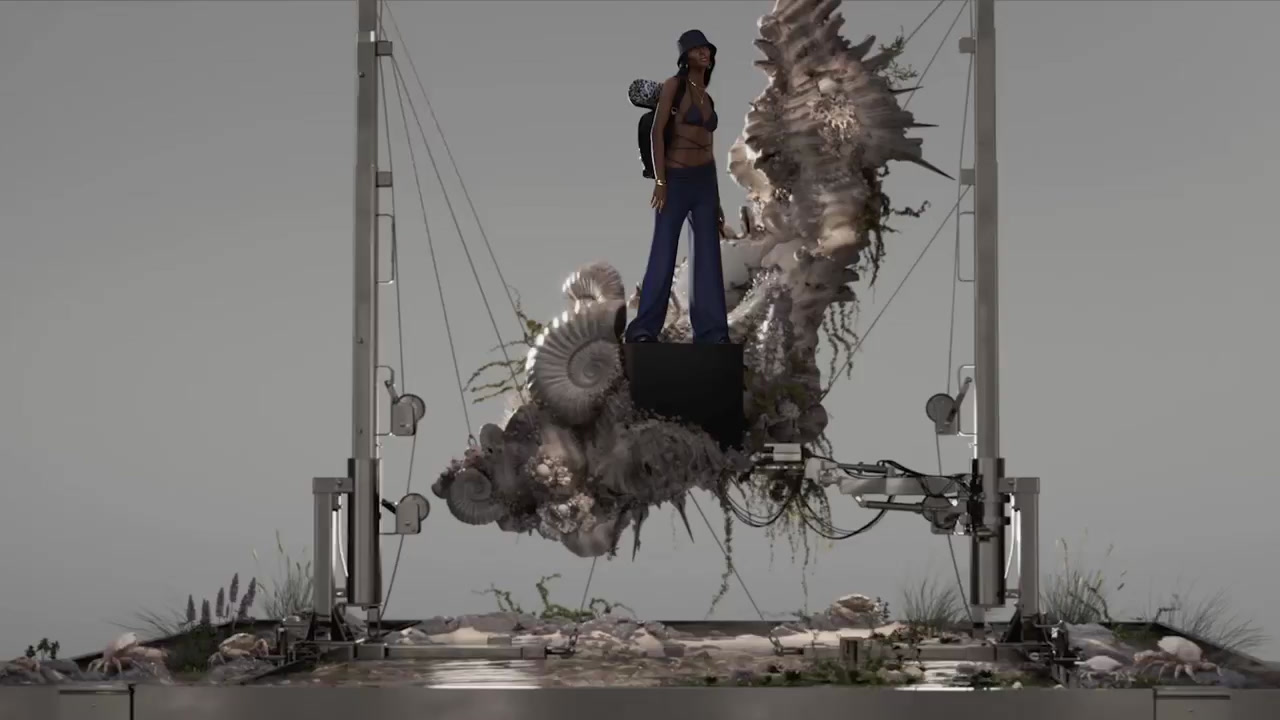
- Full 3D hair simulation. Define the silhouette, density and behaviour needed in close-up and motion.
-
- Bone-driven hair for real-time use. Define the silhouette, density and behaviour needed in close-up and motion.
-
- Non-dynamic rigged hair. Review proportions, range of movement and the animation handoff.
-
- 3D cloth simulation with advanced solvers. Review fit, movement and intersections against the garment reference.
-
- Rigged cloth and smooth skin weighting. Review proportions, range of movement and the animation handoff.
-
- Real-time optimisation for Unreal and Unity. Discuss the target application and practical performance constraints.
-
- Hair and cloth support for digital twins. Define the silhouette, density and behaviour needed in close-up and motion.
-
- Surface work for humanoid faces and characters. Identify the expressions and close-up detail required by the performance.
Production approach
Built for expressive robots, not just static renders
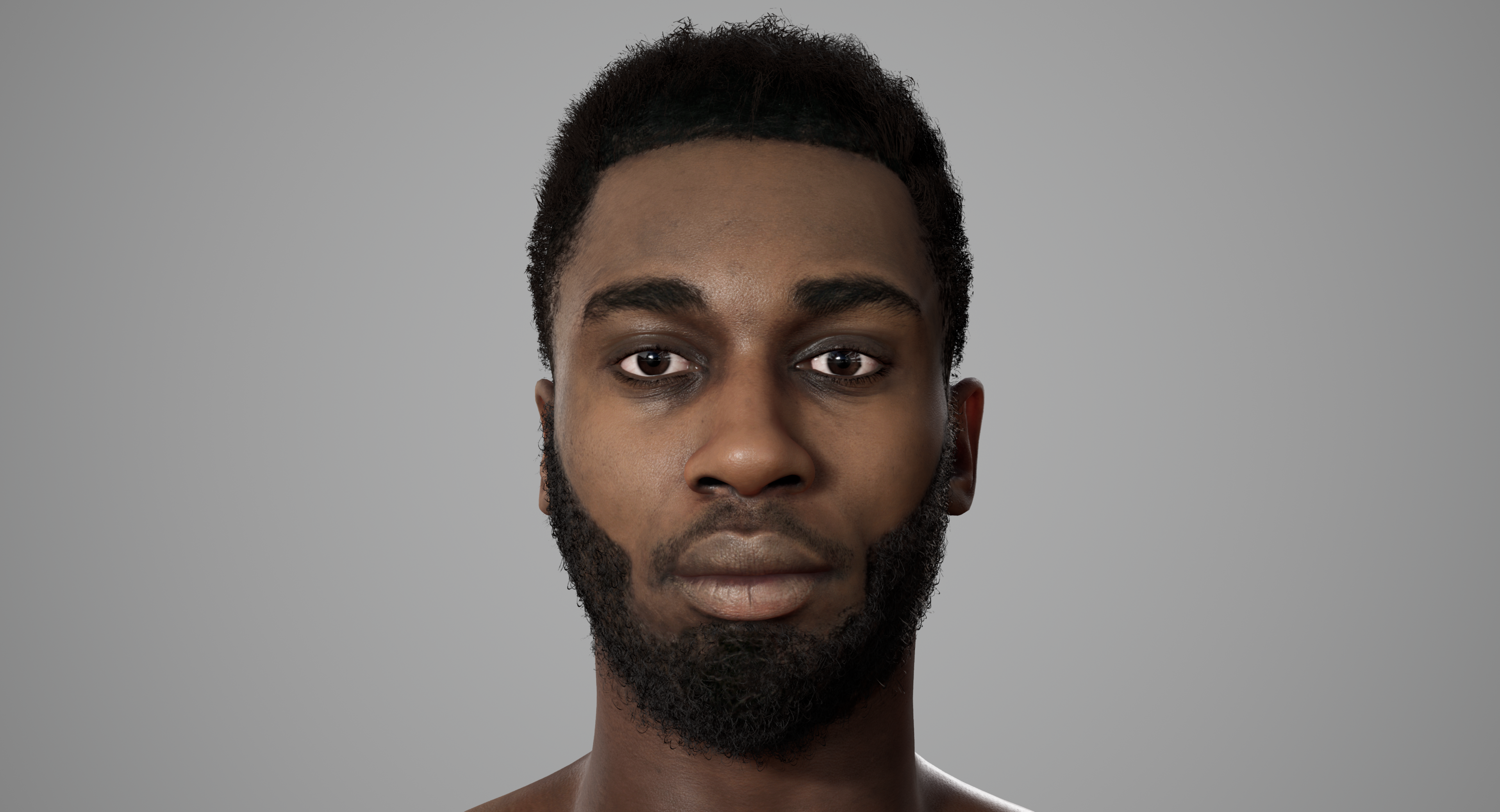
Mimic Robotics combines facial animation, 3D modelling and human-like interaction work with hair and cloth simulation when a project needs expressive surfaces as part of the overall character. In practice, that means planning the hair or garment around the final use case. A social robot display, for example, may need cleaner movement and stable topology. A digital twin or training model may need enough surface detail to support evaluation without pushing the system beyond its limits.
The aim is not to simulate everything in the same way. It is to choose the right level of motion, control and realism so the asset fits the robot, the environment and the team that will use it next.
Provide grooming and garment references together with the character’s planned movement. Review the silhouette in still poses and in motion, and discuss intersections, material appearance and the requirements of the target rendering or real-time pipeline. For robotics-related character work, distinguish digital appearance and animation requirements from the physical robot’s engineering and control systems.
Explore our Digital Hair and Clothing services and Robotics production.
Related production services: 3D Modeling for Robotics · 3D Animation for Robotics · Digital Hair and Clothing for Conversational AI.


How we work
How the work moves forward
01
Define the use case
We start with the robot’s role, whether it is for presentation, simulation, research or an interactive environment.
02
Choose the surface method
Hair and cloth are mapped to the platform, then set as fully simulated, partially driven or fully rigged as needed.
03
Prepare for animation and engine use
We shape the asset so it can move well in rendering, real-time playback or broader character integration pipelines.
04
Hand over for next-stage production
Files and outputs are organised so animation, technical and engineering teams can continue without unnecessary rework.
Frequently asked questions
Questions robotics teams ask
Can you do hair and cloth for both physical robots and digital prototypes?
Yes, but the approach depends on the output. The source material supports robotics work across physical and digital platforms, while hair and cloth methods can be adapted for presentation, simulation or real-time use. The final setup should be agreed around the asset’s role and technical constraints, not assumed to be the same for every robot.
Do you only make fully simulated hair and cloth?
No. Mimic describes three strategies for hair, including full simulation, bone-driven hair and non-dynamic rigged hair. For cloth, the team also works with rigged cloth for efficient movement. That range matters in robotics because some builds need cinematic realism, while others need faster and more stable performance.
Is this suitable for Unreal or Unity based robotics demos?
Yes. The official service copy specifically mentions real-time optimisation for engines like Unreal and Unity. That makes the service relevant when robotics teams are preparing interactive demos, public-facing experiences or simulation-first previews where performance matters as much as appearance.
Can the hair and cloth work stand alone without the rest of the robot pipeline?
It can, but it is usually most useful when matched to the broader character or robot pipeline. The robotics source also references facial rigging, 3D modelling and animation. Hair and cloth should therefore be scoped so they support the finished asset rather than complicate downstream work.
Do you build the mechanical robot itself?
The robotics source says Mimic builds complete humanoid robots from concept to prototype and also provides mechanical engineering, motion systems and physical fabrication. For this page, the focus is the hair and cloth side of that pipeline, so the right question is how those surfaces should behave within the wider build.
How do we know which method to choose?
The choice depends on style, budget and platform, which is exactly how the hair and cloth source frames the decision. A robotics team should start with the intended environment, then decide whether the asset needs full motion fidelity, lighter control or a more efficient rigged setup for delivery.
Frequently asked questions