.png)
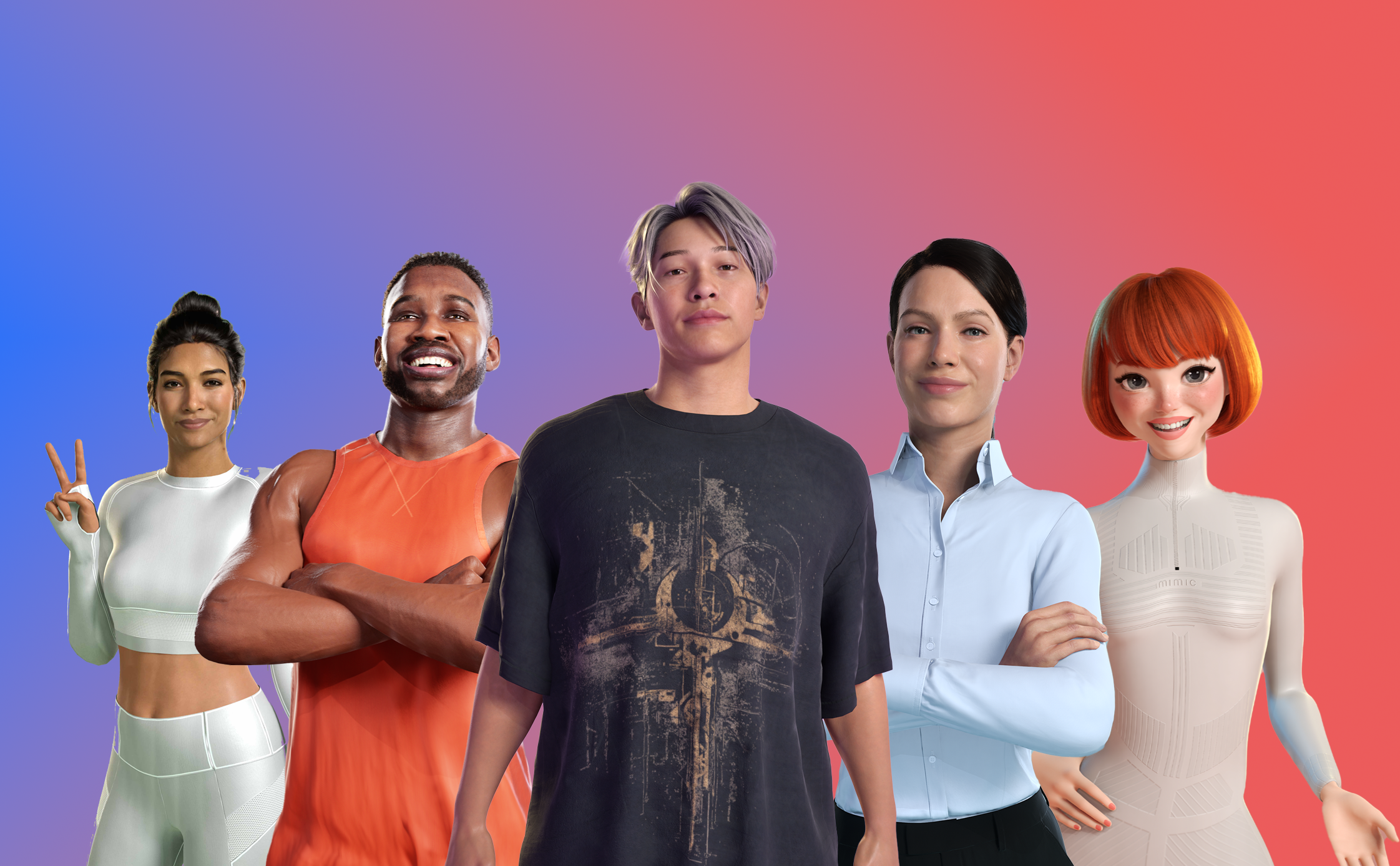


Hair / Cloth for Conversational AI
Design characters that feel present on every interaction
Conversational AI depends on more than speech and timing. When an avatar has convincing hair and clothing, the character feels grounded, expressive, and believable while it speaks, listens, and responds. At Mimic Productions, we build 3D hair and cloth simulation for characters, avatars, and digital doubles so appearance supports the communication experience rather than distracting from it.
For conversational AI projects, the visual standard has to hold up across close-ups, loops, and real-time use. We work with full simulation where motion calls for natural strand and fabric behaviour, as well as rigged or optimised approaches when the platform needs smoother performance. That makes the service suitable for assistant avatars, branded guides, interactive characters, and real-time experiences where the design team needs a practical balance between fidelity and speed.
Production challenges
Where avatar presentation can slip
These are the common friction points when hair and cloth meet conversational AI delivery.
01
Motion breaks the illusion
Hair and garments that do not react properly to movement can make a conversational avatar feel artificial, even when the face and voice are strong.
03
The asset must hand over cleanly
Teams need hair and cloth work that fits the wider character pipeline, with practical settings for animation, rigging, and later updates.
02
Real-time performance is tight
Interactive avatars often need lighter simulation choices so the character stays responsive inside the target engine, device, or experience.
What your team gets
What the simulation work helps with
01
Natural motion
Hair and fabric move in ways that support a believable speaking presence.
02
Flexible techniques
Choose between full simulation, rigged options, or non-dynamic solutions.
03
Real-time awareness
Assets can be prepared with live environments and engine limits in mind.
04
Character consistency
The look stays coherent across conversation, animation, and close viewing.
Capabilities and deliverables
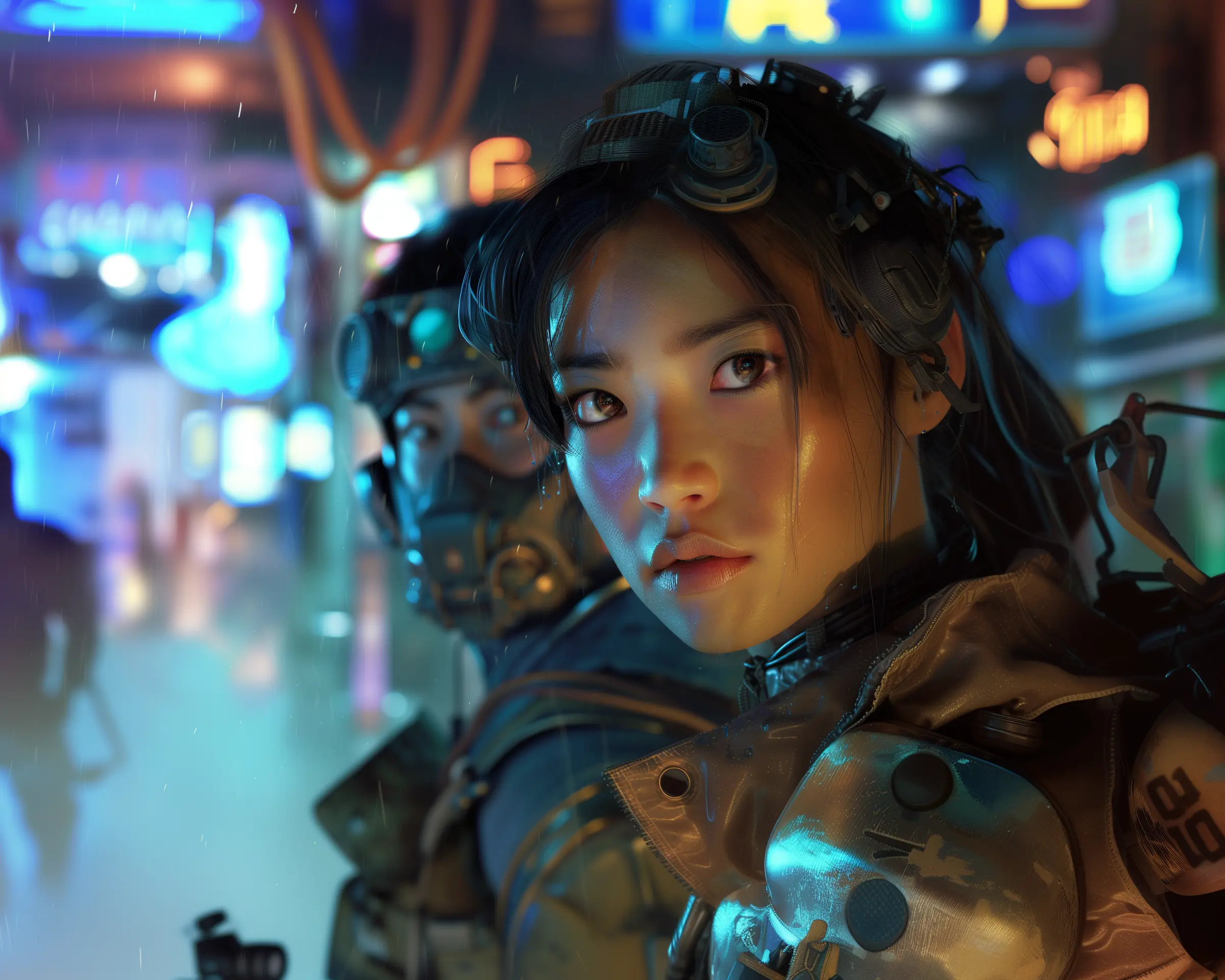
Capabilities for interactive characters
-
- 3D hair simulation. Define the silhouette, density and behaviour needed in close-up and motion.
-
- Rigged hair solutions. Review proportions, range of movement and the animation handoff.
-
- Non-dynamic hair setup. Define the silhouette, density and behaviour needed in close-up and motion.
-
- 3D cloth simulation. Review fit, movement and intersections against the garment reference.
-
- Rigged cloth weighting. Review proportions, range of movement and the animation handoff.
-
- Real-time optimisation. Discuss the target application and practical performance constraints.
-
- Unreal and Unity support. Set a clear scope and review sequence with your production team.
-
- Character pipeline guidance. Discuss the required result and production scope during the project briefing.
Production approach
Built for both appearance and delivery
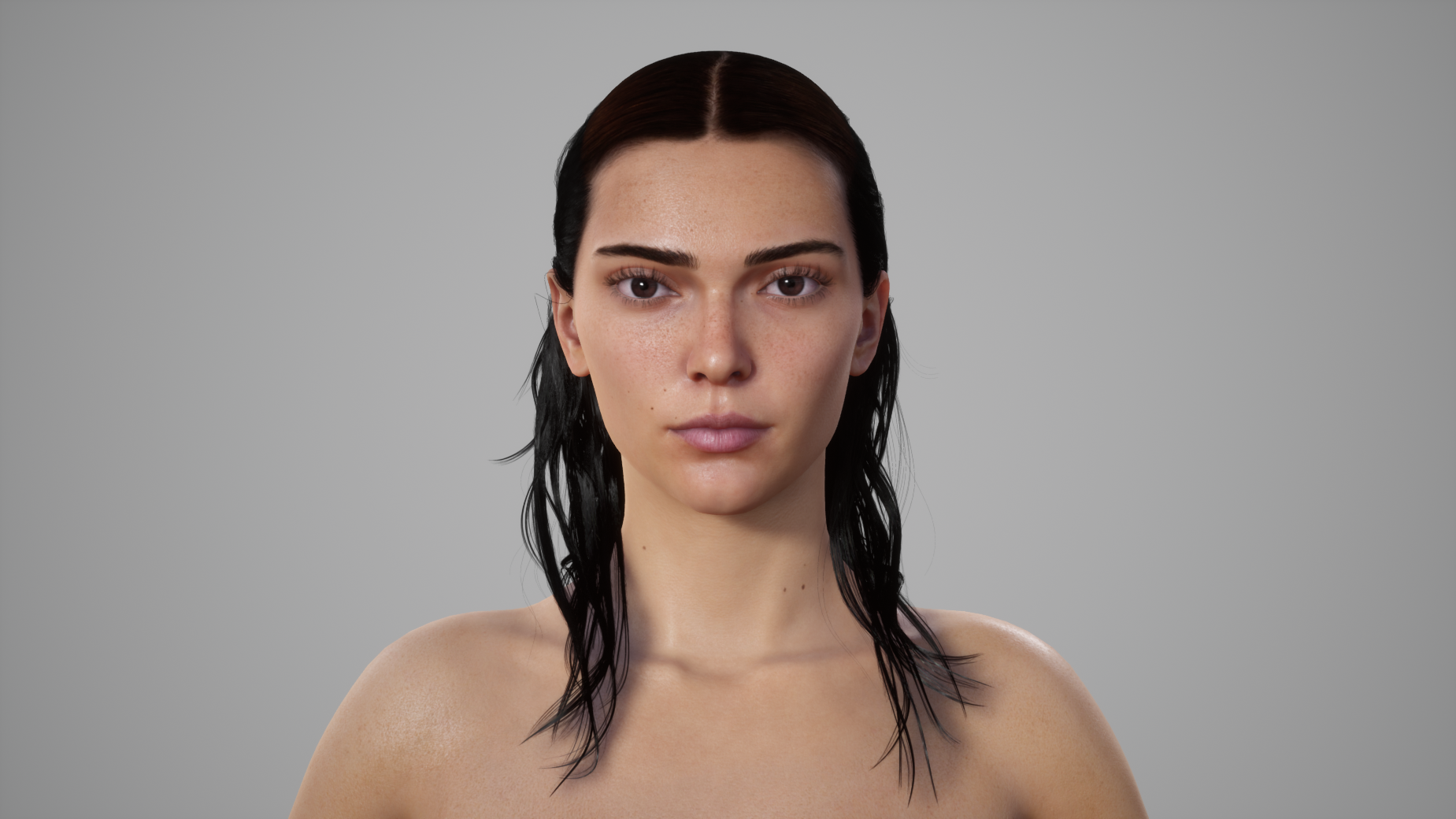
Hair and cloth are often the elements that make an avatar feel expensive, alive, and ready for use. For conversational AI, that matters because the visual layer is part of the user’s trust in the experience. Mimic Productions offers realistic 3D hair simulation and 3D cloth simulation for characters that need cinematic presence, but we also support lighter, rigged, or non-dynamic approaches when the use case calls for efficiency.
This is useful when a project combines a photoreal face with a live interaction layer. A speaking avatar may need hair that holds shape during dialogue, fabric that reacts to body motion, or a simplified setup for faster performance. We help match the simulation strategy to the project’s purpose, whether that means a branded assistant, an in-game character, or an immersive real-time guide.
Our Berlin studio supports projects that may move from concept art to production-ready character assets. If your conversational AI rollout needs a photoreal avatar, a stylised guide, or a more efficient real-time character, we can advise on the most appropriate hair and cloth strategy for the intended platform. We also consider the handoff points that matter in production, including rigging, simulation settings, engine requirements, and how the character will be maintained after delivery.
The aim is not just to make hair and fabric look detailed in stills. It is to keep the character believable when it is speaking, turning, reacting, or moving in a live environment. That is especially important when the avatar is the face of a brand, a product helper, or an in-world guide. Our approach combines visual realism with technical judgement so the character can support the conversation instead of competing with it.
Explore our Digital Hair and Clothing services and Conversational AI production.
Related production services: 3D Modeling for Conversational AI · 3D Animation for Conversational AI · Digital Hair and Clothing for Robotics.


How we work
How a project typically moves forward
01
Define the use case
We review the avatar’s role, target platform, and whether the hair and cloth need cinematic detail or real-time efficiency.
02
Select the simulation method
Based on style and performance goals, we suggest full simulation, rigged solutions, or non-dynamic setups for the character.
03
Build and test against motion
Hair and garments are checked against movement so the character still reads well during speaking, turning, and interaction.
04
Prepare the handoff
We deliver the character assets with the production context needed for animation, integration, and future updates.
Frequently asked questions
Questions teams ask before production
Do conversational AI avatars always need full hair and cloth simulation?
No. Full simulation is useful when realism is a priority, but many conversational AI projects work better with rigged or non-dynamic solutions. The best choice depends on the character style, the target engine, and how much motion the avatar needs to support during live interaction.
Can you support real-time avatar experiences?
Yes. Our work includes real-time hair and clothing simulation for engines like Unreal and Unity. That makes the service relevant for interactive characters, virtual assistants, games, and other live experiences where performance matters alongside appearance.
Is this service only for photoreal characters?
No. Realism is one option, but the same techniques can also support stylised characters. The important point is whether the hair and clothing behave convincingly for the chosen look and platform, not whether the avatar is fully photographic.
Does hair and cloth work replace the conversational AI system?
No. This service covers the visual character side. It helps create the avatar’s appearance and motion, but the conversational behaviour, dialogue logic, and backend system remain separate parts of the overall solution.
What should we provide at the start of a project?
It helps to have the character design, intended use case, platform requirements, and any animation or rigging constraints. With that, we can recommend a suitable simulation approach and make sure the hair and cloth setup fits the broader production pipeline.
Can you help if our project starts as a concept and is not fully defined yet?
Yes. Projects often begin with a need for visual direction rather than a fixed technical plan. We can help assess the likely hair and cloth approach, then refine it once the target environment and interaction requirements are clearer.
Frequently asked questions