
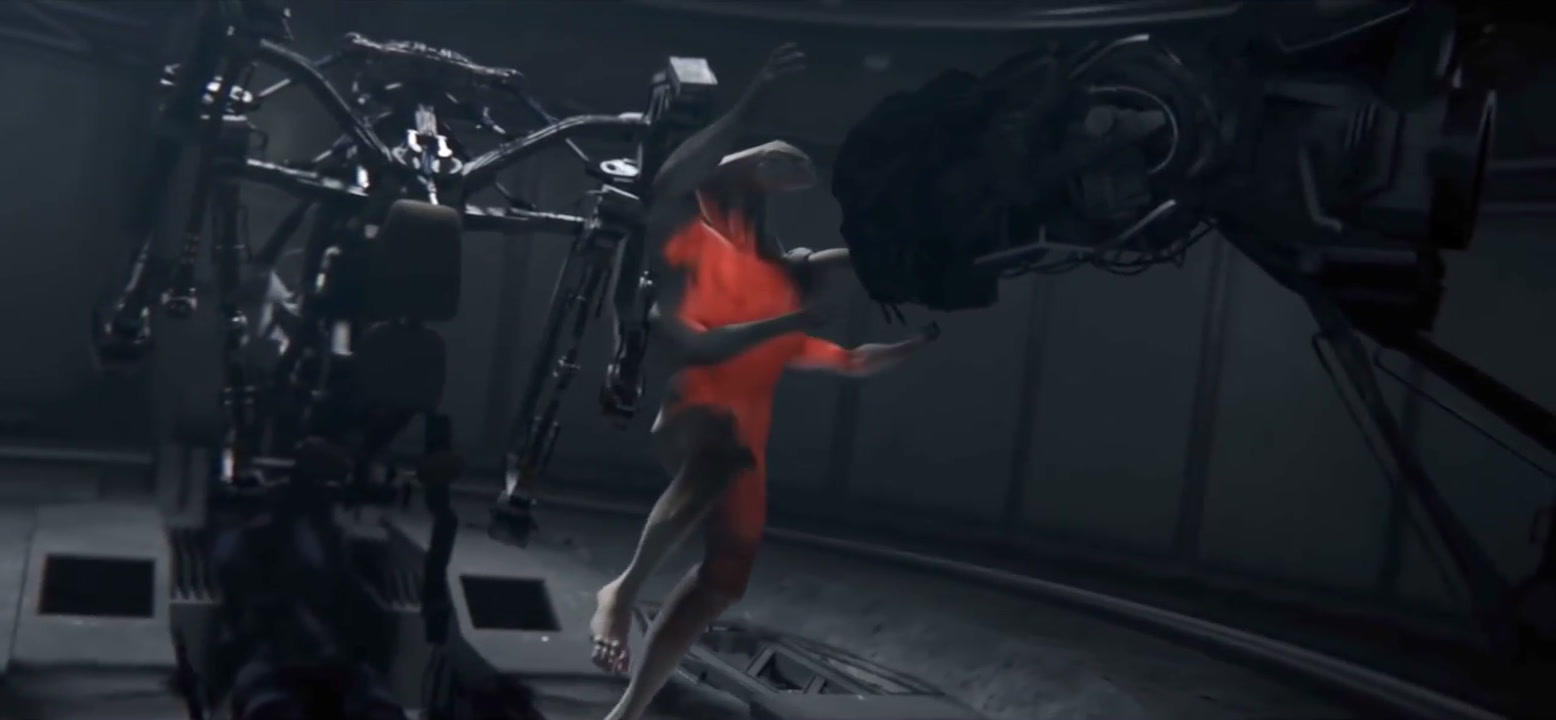


Animation for robotics
Human movement for robots that need to communicate
Robotics projects live or fail on how convincingly a face, gesture or full-body action reads to people nearby. Mimic Productions creates animation that helps humanoid robots, digital replicas and interactive prototypes feel expressive, understandable and ready for testing. Our work combines realistic character animation, facial animation, mocap clean-up and real-time performance workflows. That makes us a practical partner when your team needs more than a static rig.
We can help shape the visible behaviour of a robot for demonstrations, simulation, live performance, research presentations or human-machine interaction studies. For robotics teams, the buying decision is rarely just about style. It is about whether animation supports the robot’s purpose, whether the facial cues are readable at close range, whether motion survives technical constraints, and whether the result can be handed to engineering or content teams without confusion. We work to those requirements. Based in Berlin, we support clients who need animation that fits physical platforms, digital twins and live-facing systems.
Production challenges
Where robotics teams need support
Robotics animation has to satisfy both presentation and technical constraints.
01
Readable expression
A robot face may be highly detailed, but the audience still needs clear cues at a glance. We refine facial animation so expressions, eye movement and timing communicate intent without becoming overbusy.
03
Handoff to production teams
Robotics work often sits between creative, engineering and presentation teams. We prepare animation so it can be reviewed, iterated and handed on clearly, without slowing the wider workflow.
02
Motion that suits the platform
A humanoid robot, digital twin or demo character each has different movement limits. We adapt body animation and motion clean-up to the platform, keeping gestures believable while respecting the setup.
What your team gets
What this gives robotics teams
01
More human cues
Animation that helps a robot feel expressive, not merely activated.
02
Performance refinement
Mocap clean-up and keyframe work for clearer motion and timing.
03
Flexible use cases
Useful for digital twins, demos, live showcases and research visuals.
04
Practical collaboration
Built to support technical review, iteration and production handoff.
Capabilities and deliverables
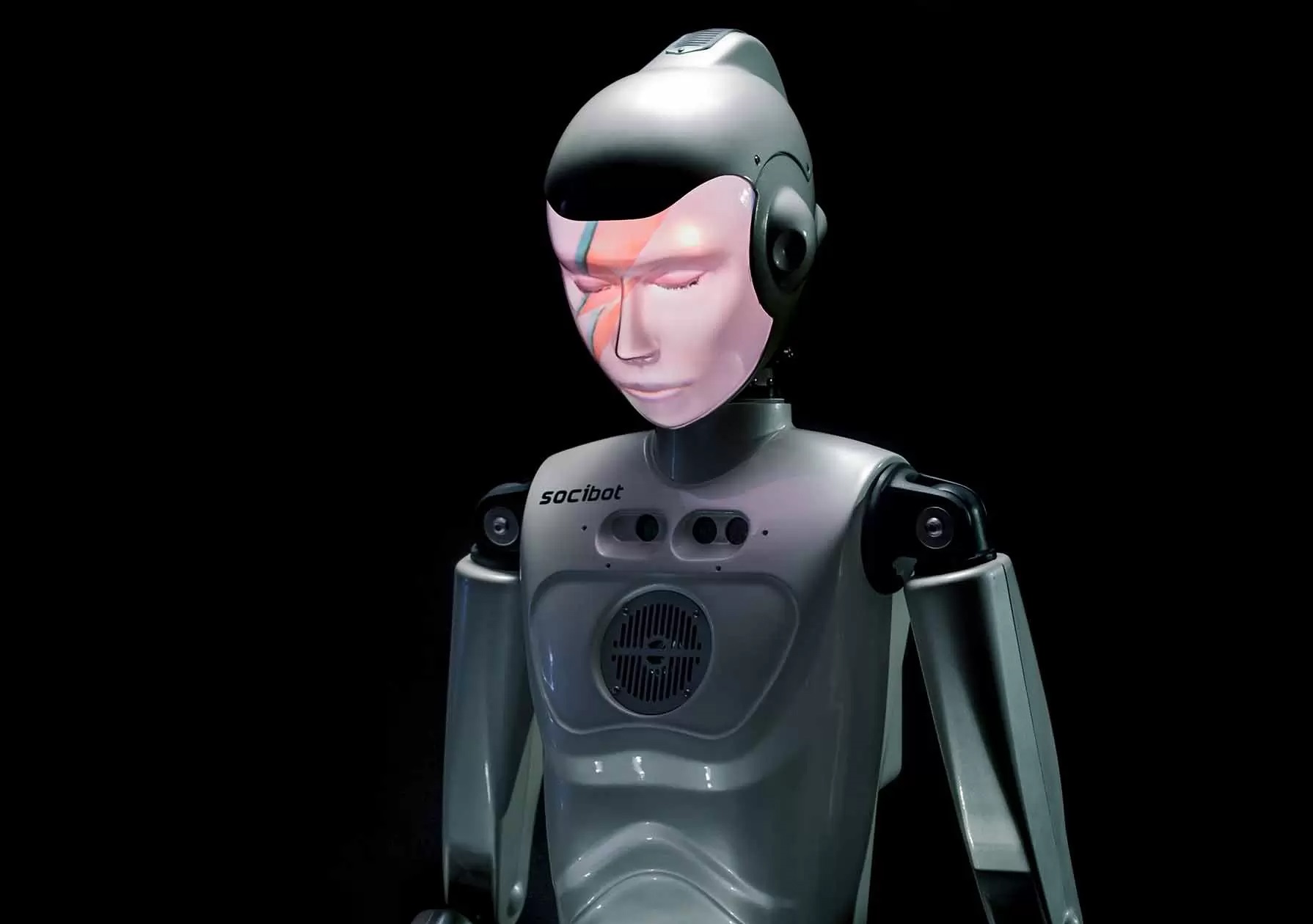
Relevant capabilities
-
- 3D body animation
-
- Facial animation
-
- Mocap clean-up
-
- Keyframe animation
-
- Real-time facial animation
-
- Facial rigging support
-
- 3D modelling for humanoids
-
- Digital twin robotics
Production approach
How we approach robotics animation
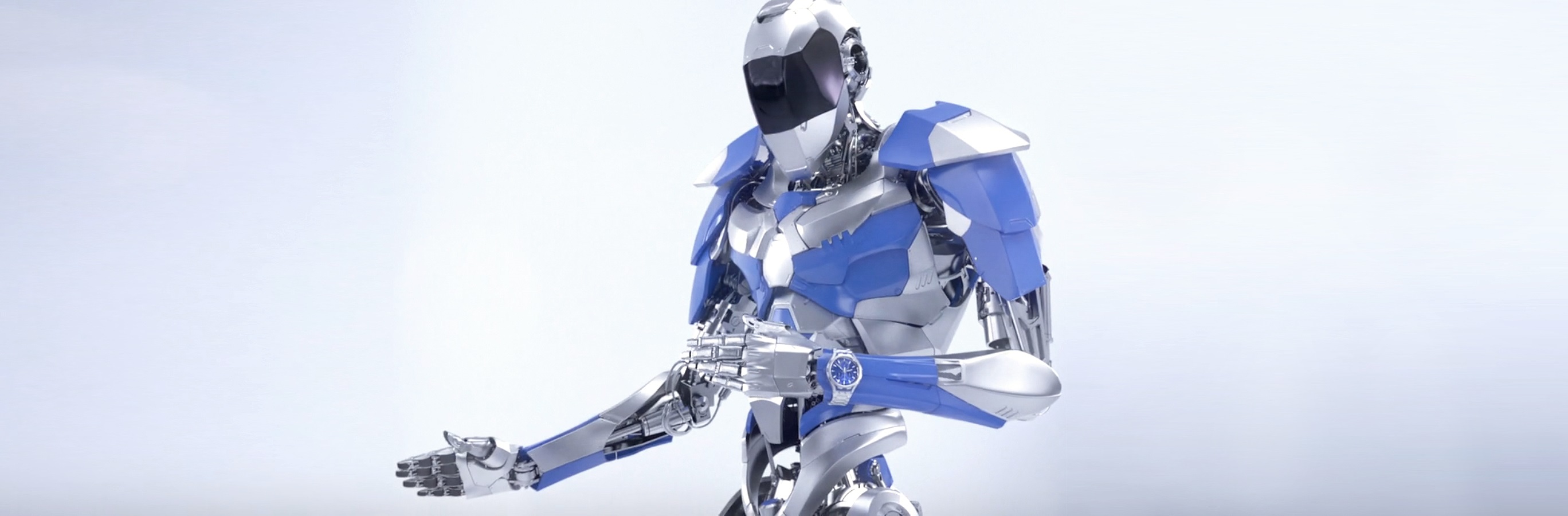
Our robotics work focuses on visible behaviour.
Share a storyboard or action list, character references and the intended duration of each sequence. Establish review stages for blocking, timing and final polish so changes can be discussed while the movement is still straightforward to adjust. For robotics-related character work, distinguish digital appearance and animation requirements from the physical robot’s engineering and control systems.
Explore our 3D Animation services and Robotics production.
Related production services: Character Rigging for Robotics · 3D Rendering for Robotics · 3D Animation for Conversational AI.


How we work
Typical workflow
01
Define the interaction
We review the robot’s purpose, the audience and the moments that need the clearest expression, from greetings and head turns to more complex beats.
02
Build or refine performance
Our animators shape body and facial movement, using mocap clean-up or keyframe work where required, so the result supports the platform and scene.
03
Test against the pipeline
We adapt the work for your technical setup, whether that means a digital twin, live presentation or a physical robot ready for engineering review.
04
Hand over for integration
The output is prepared for your internal teams to integrate into the wider system, presentation plan or production process with fewer guesswork steps.
Frequently asked questions
Frequently asked questions
Q.1 Do you build the robot itself?
This page covers animation and visual performance for robotics, including expressive digital faces and character movement. Mechanical engineering, physical fabrication and robot-control integration need an explicit separate scope. Describe whether you need a screen-based prototype, simulation asset or content for a physical platform.
Q.2 Can you make a robot look conversational?
We can create the visible facial and body performance that helps a robot appear more expressive and responsive. The actual conversational logic, voice system and control stack sit outside the animation layer. That separation is important in robotics projects, because animation should support the system rather than be confused with it.
Q.3 Is real-time facial animation suitable for live demos?
Yes, where your team needs live facial performance for an event, showcase or interactive presentation. The source describes real-time facial animation for live concerts, immersive installations, corporate showcases and digital projections. In robotics, that means we can support the expressive side of the demo while your own team manages the rest of the setup.
Q.4 What is the value of a digital twin in robotics?
A digital twin gives your team a virtual replica that can be used for testing, training and behavioural simulation before a physical build is complete. The robotics source positions this as a way to validate mechanics, evaluate interaction scenarios and refine AI logic in advance, which can reduce rework during development.
Q.5 Do you work only with humanoid robots?
Humanoid systems are the clearest fit for our robotics source, especially where facial animation and human-like interaction matter. The same animation principles can also support related digital characters or prototypes, provided the use case is clear and the output is treated as performance support rather than a finished product ecosystem.
Q.6 How do we hand work over to our engineering team?
We keep the deliverables tied to the agreed animation scope, with motion refined for review and integration rather than left as an isolated creative asset. That makes it easier for engineers, product teams or presentation leads to place the work into their own pipeline without needing to reverse-engineer the intent.
Frequently asked questions
Frequently asked questions
For robotics visualisation, 3D character animation scope depends on shot count, duration, facial detail and the condition of the supplied rigs or capture. Send a storyboard or action list, available character rigs and reference performances. Distinguish a digital prototype from a physical robot deployment and describe the expression or movement the visual asset must support.