.png)
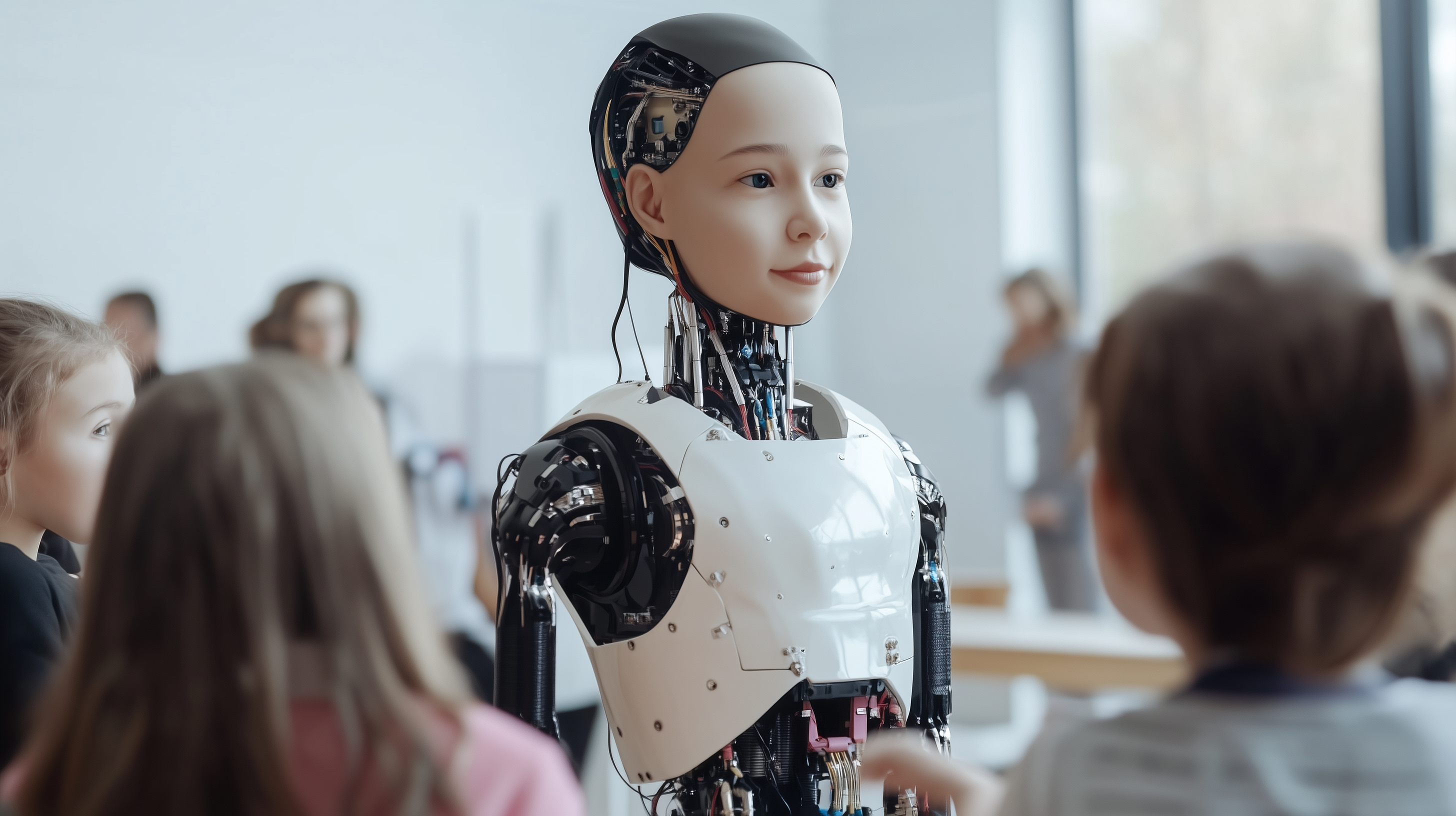


Robotics visual development
Build robotic faces and digital humans that read clearly in motion
Mimic Productions creates high-detail 3D character models for robotics projects where appearance, expression and technical readiness all matter. Our work focuses on lifelike facial structure, body proportion and surface detail, using scan data, reference imagery or concept art as the starting point.
For robotics teams, modelling is rarely just about visual realism. The asset may need to support facial rigging, simulation, testing, marketing visuals or a digital twin used before physical build-out. We shape models with those handoff needs in mind, so your team receives a character asset that can move from look development into animation, rigging or simulation with fewer reworks.
Production challenges
What robotics teams need to solve
Robotics programmes often face visual and technical requirements at the same time. These are the points that usually define the brief.
01
Readable expression
A robotic face has to communicate emotion and intent without looking stiff, overdesigned or too human in the wrong way.
03
Realism under different use cases
A face that looks convincing in stills also needs to hold detail in motion, lighting changes and close-up review.
02
Development-ready assets
The model may need to support rigging, animation, simulation or iteration across design, engineering and presentation teams.
What your team gets
What this service helps your team do
01
Shape believable humanoid features
Create facial and body forms with proportion, anatomy and detail suited to robotic characters.
02
Prepare for downstream production
Deliver models that can support rigging, animation, simulation or visualisation workflows.
03
Add surface realism
Use textures and maps to represent skin-like detail, material variation and light response.
04
Work from your starting material
Build from scan data, reference photos or concept art, depending on what your project has available.
Capabilities and deliverables
Modelling capabilities
-
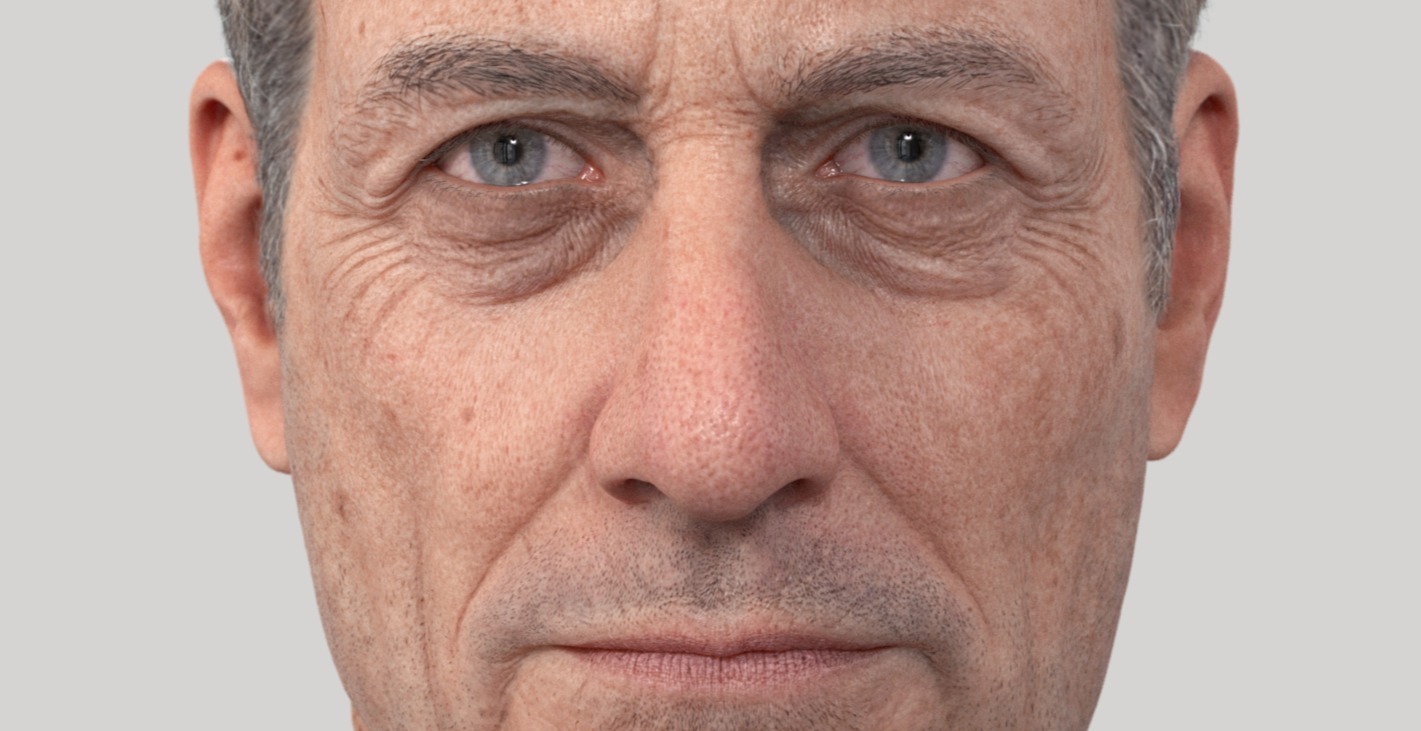
- Facial and body modelling. Identify the expressions and close-up detail required by the performance.
-
- Character sculpting from scan or reference. Agree subject coverage and the downstream use of the captured detail.
-
- Advanced texturing. Review surface detail under representative lighting and camera distances.
-
- Normal, displacement and diffuse maps. Discuss the required result and production scope during the project briefing.
-
- Gloss, specular, depth and ambient maps. Discuss the required result and production scope during the project briefing.
-
- Realistic skin and surface detail. Identify the expressions and close-up detail required by the performance.
-
- Digital doubles and humanoid characters. Discuss the required result and production scope during the project briefing.
-
- Preparation for rigging workflows. Review proportions, range of movement and the animation handoff.
Production approach
How we approach robotics character assets
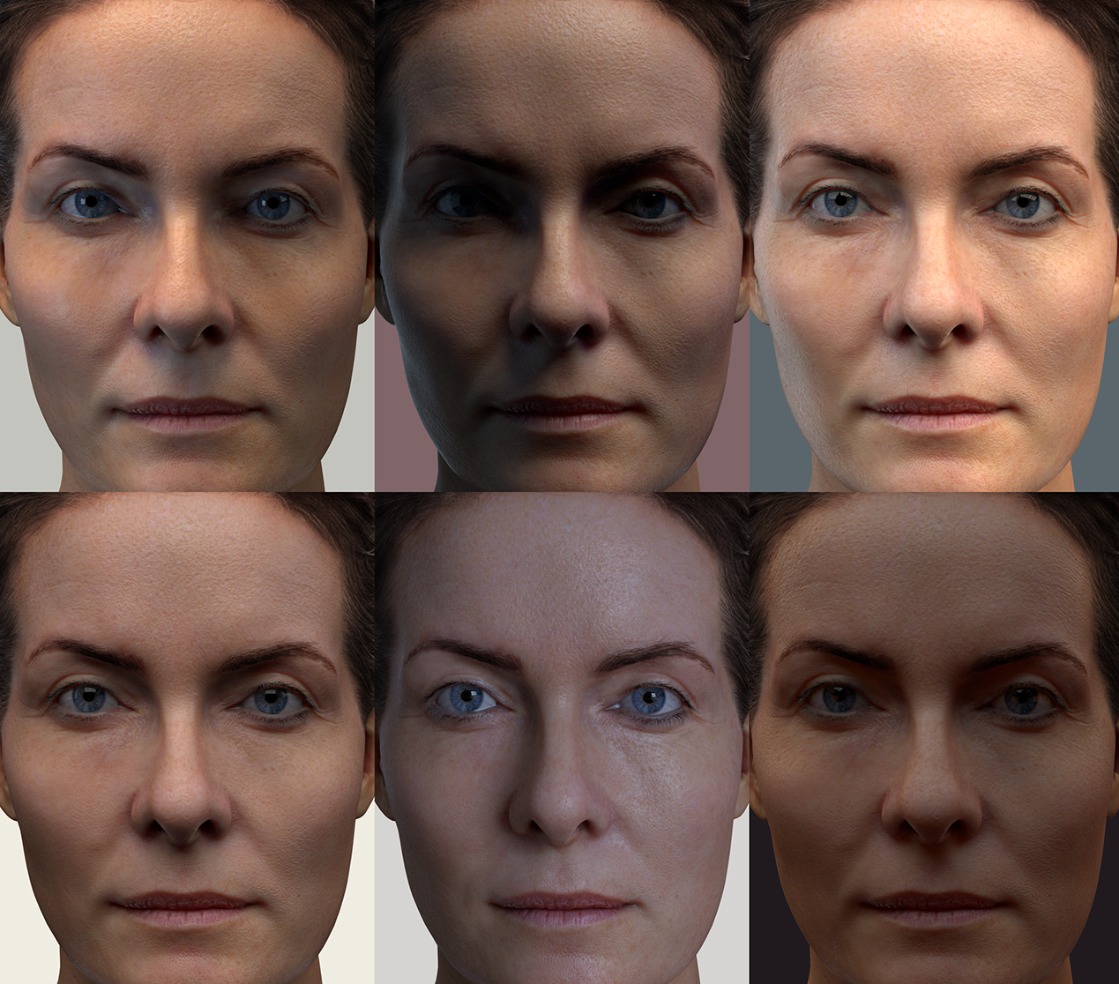
For robotics, 3D modelling needs to balance appearance with downstream use. We develop facial and body geometry with enough structure for believable expression, then refine the surface with textures and maps that suit the intended lighting, camera distance and playback context.
That can mean a digital face for a humanoid robot concept, a visual twin for simulation review, or a presentation asset that helps engineers and stakeholders evaluate how the robot may read in human interaction. If the model is intended for later rigging, we can shape it with that next stage in mind so the handoff is more efficient. The goal is a model that is clear, adaptable and realistic enough for robotics development without overpromising what the physical system itself will do.
We can model humanoid faces and bodies, refine features for expressive interaction, and prepare textures and maps that help surfaces react naturally under different lighting. Where a project calls for a robot to feel approachable, recognisable or emotionally readable, the model has to hold up from close-up inspection as well as screen playback.
The practical scope depends on your brief. Some teams need a realistic digital face for a research prototype. Others need a full character build for social robotics, animation tests or a presentation asset. We adapt to that stage, using the level of anatomy, texturing and surface finish the project actually requires.
Provide reference views, intended camera distance and any existing scans or concept art. Agree the model’s proportions, surface detail and downstream rigging requirements so reviews assess the asset in the context in which it will actually appear. For robotics-related character work, distinguish digital appearance and animation requirements from the physical robot’s engineering and control systems.
Explore our 3D Modeling services and Robotics production.
Related production services: Character Rigging for Robotics · 3D Rendering for Robotics · 3D Modeling for Conversational AI.


How we work
Typical workflow
01
Define the use case
We review whether the asset is for presentation, rigging, simulation or another robotics output, then confirm the level of realism required.
02
Build the form
Using scans, photos or concept art, we sculpt the face or body and establish proportions, anatomy and key expressions.
03
Refine surfaces
We add textures and maps to support realistic skin, material variation and lighting response across the asset.
04
Prepare the handoff
If needed, we align the model for follow-on rigging or animation so your team can move into the next production stage.
Frequently asked questions
Frequently asked questions
Can you create models for a robot that is still in concept stage?
Yes. We can work from concept art or reference material when scan data is not available. That is often useful in robotics planning, where the visual identity of the robot is being explored before mechanical details are finalised. We then build the character model to match the intended look and downstream use.
Do you only model faces, or can you create full humanoid bodies?
We can do both. Our work includes facial and body modelling, with attention to proportion, anatomy and realism. For robotics, that means we can focus on a head or face when expression is the priority, or develop a full body if the project needs a complete humanoid character.
Can the model be prepared for rigging later?
Yes, that is a common handoff consideration. Our work includes 3D modelling can extend into professional rigging solutions, and robotics projects often benefit from planning for movement early. We can shape the model with the later rigging stage in mind so the transition is more practical.
Is this the same as building the robot's mechanics or control system?
No. This service covers 3D character modelling and related visual preparation. The robotics source also mentions mechanical engineering and physical fabrication as separate parts of broader development. Here, the focus is on the digital character asset, not hardware control or full machine build-out.
Can you support digital twin workflows for robotics teams?
We can support the visual side of digital twin development by creating accurate virtual robot replicas for simulation and review. The source describes digital twins for testing, training and simulation. The exact technical implementation depends on your wider pipeline, so we would scope the modelling role clearly at the start.
What should we provide to start a robotics modelling project?
The best starting point is whatever defines the robot most clearly: scan data, reference photos, concept art or existing design material. From there, we can assess the level of facial detail, body modelling and texturing required, and agree how the asset should be delivered for your next production stage.
Frequently asked questions