.png)


Character Rigging | Robotics
Rigging built for expressive robots
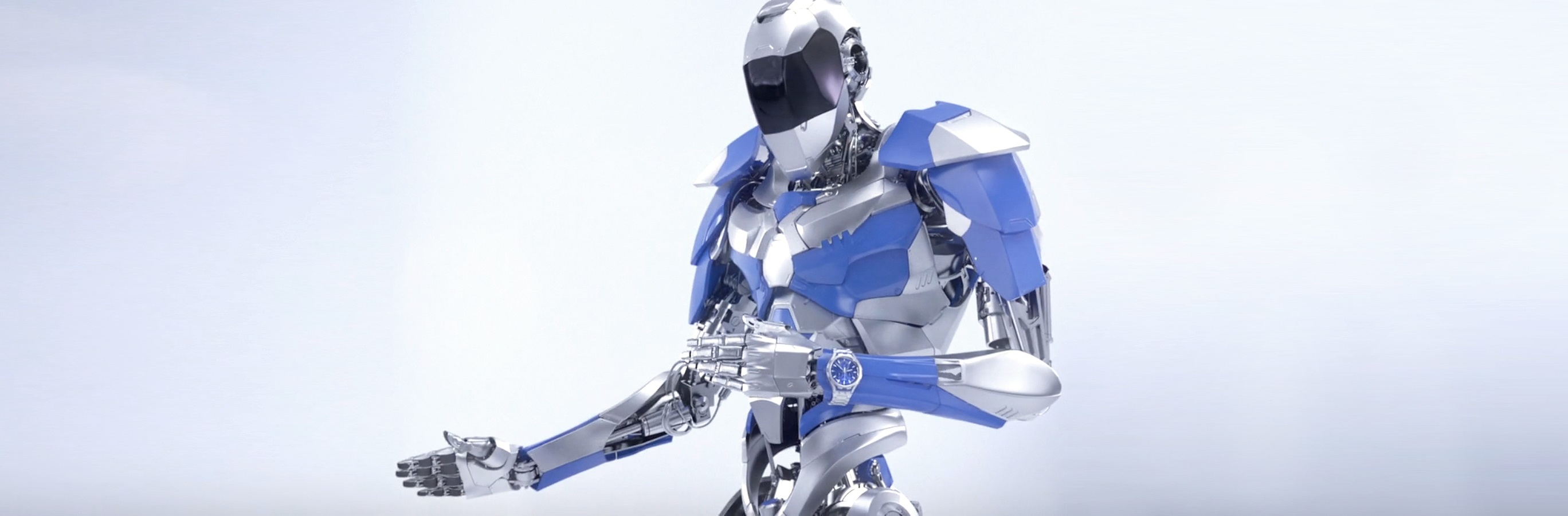
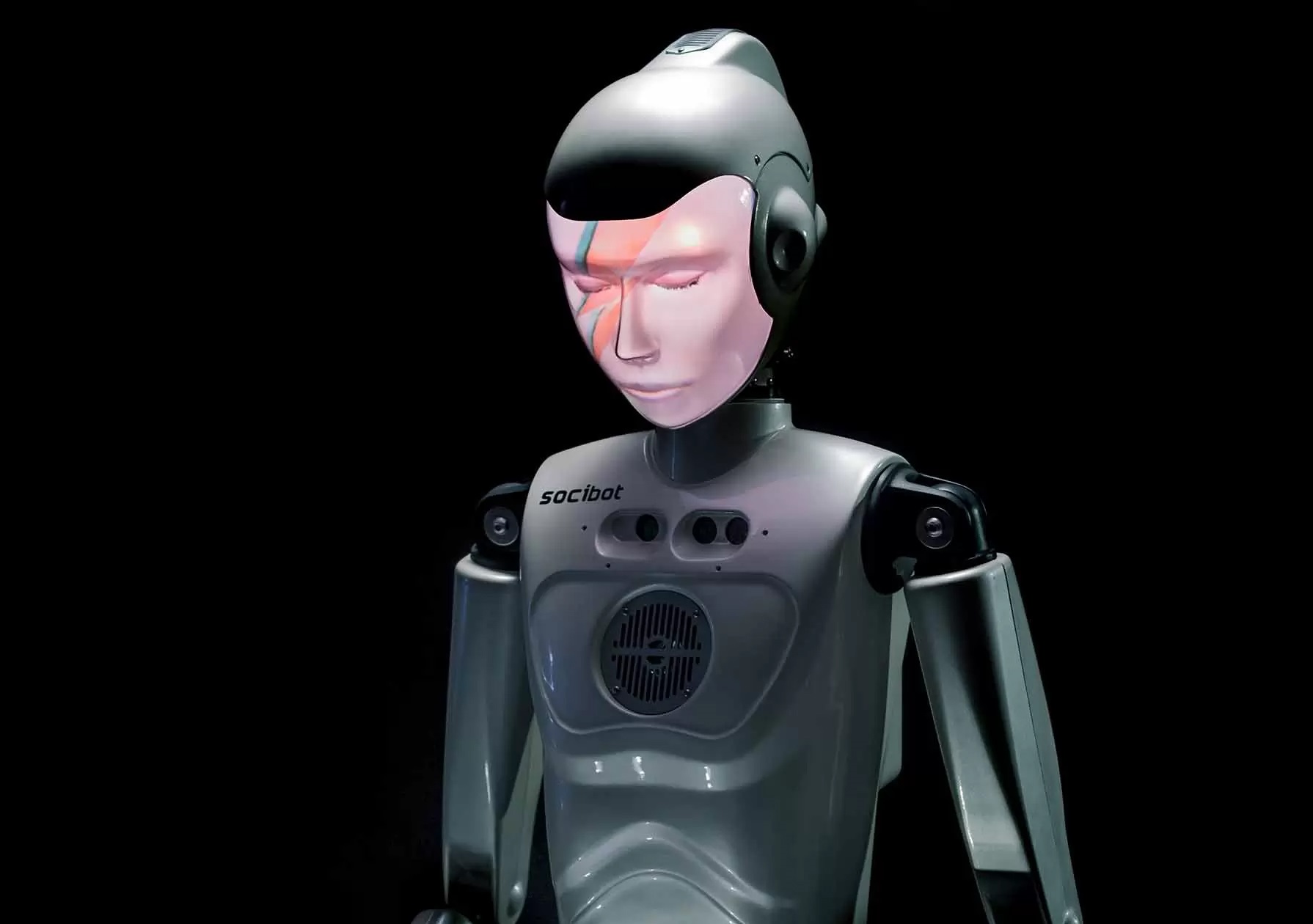
Robotics teams need character rigs that do more than look convincing in still images. They need facial and body systems that support readable expression, controlled motion, and practical iteration across concept, simulation, and prototype stages. Mimic Productions develops facial rigging and body rigging as the technical backbone for humanoid robots, digital replicas, and real-time human-machine interaction. Our approach is grounded in the same rigging discipline used for production characters, adapted to robotics use cases where performance, clarity, and handoff matter. That can mean a face rig built from actor expression scans, blend-shape setups for nuanced expression, wrinkle maps for added detail, or a body rig that holds up in extreme poses while staying anatomically plausible. For robotics, the goal is not only realism. It is also repeatability and a rig that gives your team room to test, animate, and refine without rebuilding the asset at every stage. Mimic also works with digital twin workflows for robotics, supporting simulation-based testing and training before physical deployment. That is useful when a team wants to compare motion ideas, validate interaction scenarios, or present a prototype while mechanical development is still underway. We can shape deliverables for Unreal and Unity pipelines, or for broader real-time and previsualisation needs, depending on how your robot is being developed and presented. For teams focused on humanoid interaction, the rig often becomes part of the product experience. A stable facial system can help a robot read as attentive, calm, curious, or responsive. A well-planned body setup helps motion remain believable when the machine is turning, gesturing, or holding pose.
Production challenges
Common rigging challenges in robotics
Robotic characters need expressive motion that stays controllable across development, simulation, and presentation.
01
Expression without instability
A humanoid face must show intent and emotion clearly, but robotics teams also need predictable controls. We design facial rigs that support expressive performance while staying usable for iteration and animation.
03
Digital and physical alignment
A digital face or body may need to stand in for a prototype, guide animation planning, or support a physical build. We create rigging assets that can serve both digital twin workflows and production-facing character work.
02
Motion that holds up in real time
Robotic interaction often happens in real time, so rigs need to stay efficient and readable. We shape the facial and body setup to support simulation, review, and presentation pipelines.
What your team gets
What this brings to your build
01
Readable facial performance
Create a face that can communicate intent, mood, and attention with clarity.
02
Robust body control
Support believable movement, strong posing, and stable interaction gestures.
03
Simulation-ready assets
Use rigs in digital twin testing, training, and scenario development.
04
Pipeline-friendly handoff
Receive rigging that can be aligned to real-time animation or production use.
Capabilities and deliverables
Rigging capabilities we apply
-
- Blend-shape facial rigging. Review proportions, range of movement and the animation handoff.
-
- Actor expression scan workflow. Identify the expressions and close-up detail required by the performance.
-
- Wrinkle map setup. Discuss the required result and production scope during the project briefing.
-
- Body rigging for humanoids. Review proportions, range of movement and the animation handoff.
-
- Creature and character rigging. Review proportions, range of movement and the animation handoff.
-
- Unreal and Unity support. Set a clear scope and review sequence with your production team.
-
- Digital twin preparation. Discuss the required result and production scope during the project briefing.
-
- Real-time animation readiness. Discuss the target application and practical performance constraints.
Production approach
Why robotics teams come to Mimic
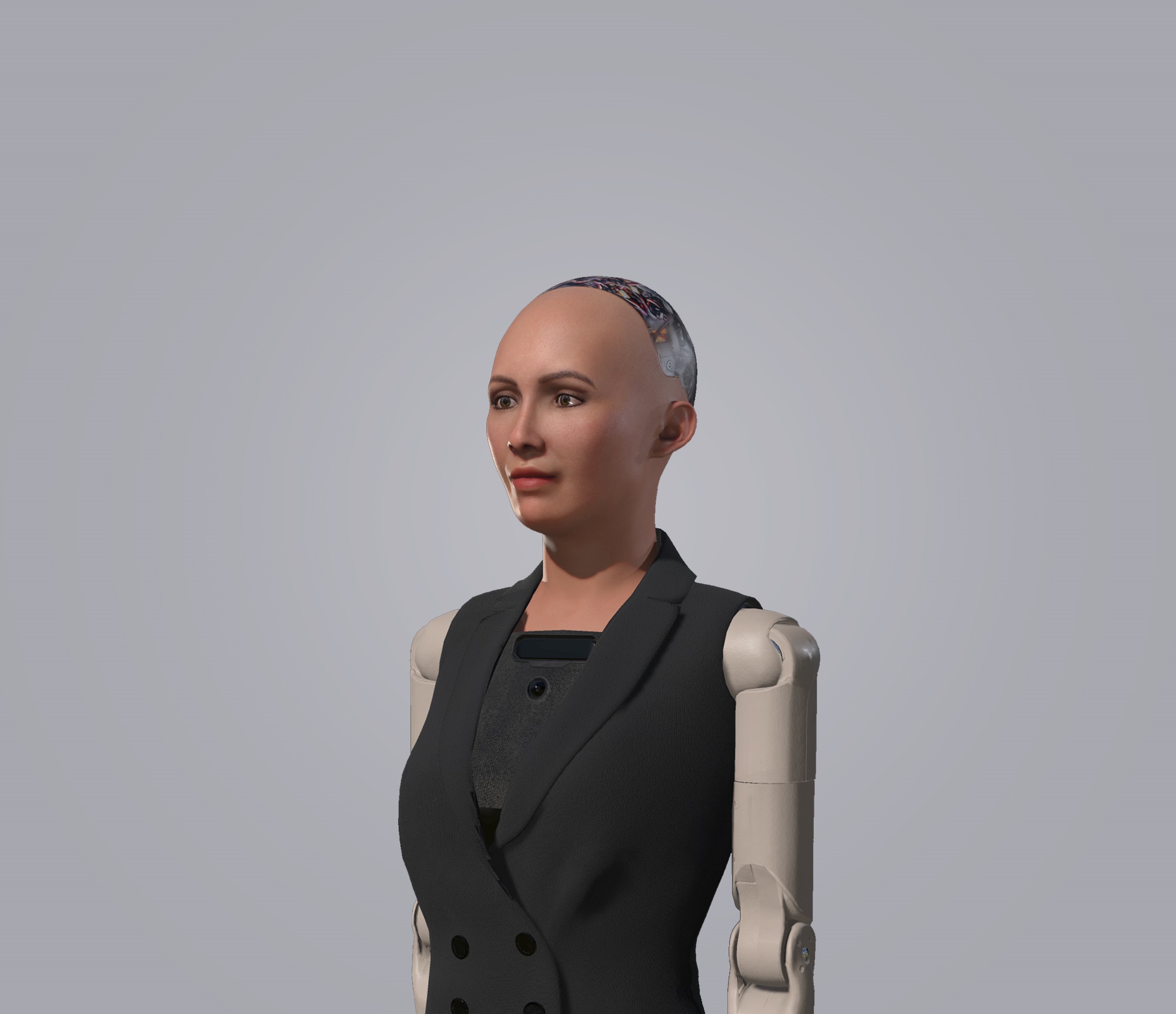
Mimic Productions combines facial rigging, body rigging, and real-time character thinking for robotics-focused work. The result is a technical character foundation that can support expressive human-machine interaction, simulation-first development, and presentation assets for humanoid systems.
If your project needs a face that can read well in conversation, a body rig that supports dynamic motion, or a digital twin that helps you test before fabrication, we can tailor the rig around that use case. We also account for practical handoff needs, so the asset can be used by animation, engineering, or simulation teams without unnecessary rebuilds.
Supply the model, expected range of movement and examples of expressions or poses. Review deformation at demanding positions, then agree controls, naming and the handoff to the animation team before the rig is used across a larger sequence. For robotics-related character work, distinguish digital appearance and animation requirements from the physical robot’s engineering and control systems.
Explore our Character Rigging services and Robotics production.
Related production services: 3D Animation for Robotics · Motion Capture for Robotics · Character Rigging for Conversational AI.


How we work
How a project is typically handled
01
Define the use case
We begin with how the robot will be used, whether that is simulation, presentation, animation, or prototype support. That helps define the right balance between realism, control, and technical efficiency.
02
Plan the rig structure
Next we map the facial and body requirements, including blend-shapes, expression range, body articulation, and any real-time considerations. We keep the setup practical for the teams who will use it.
03
Build and refine
We create the rig, test motion, and adjust controls so the asset behaves as expected. For robotics work, this often means checking readability, posing, and how well the face or body supports interaction.
04
Deliver for handoff
We provide the rigged asset ready for the agreed pipeline, with attention to integration needs for animation, simulation, or production use. If needed, the setup can also support digital twin development.
Frequently asked questions
Questions robotics teams ask
Is this only for fully built robots?
No. Character rigging can support early concept work, digital twin development, and presentation assets as well as later-stage prototype workflows. The setup can be planned around the stage your project is actually in, so you are not forced into a full hardware-dependent workflow before the design is ready.
Can you make the face feel expressive without making it difficult to control?
Yes. That balance is central to robotics-facing facial rigging. We can build around blend-shapes, scan-based expression data, and targeted wrinkle maps so the face feels expressive while remaining manageable for animation, testing, or real-time use.
Do you provide the hardware or physical robot build?
Our source scope is character rigging, facial animation, modelling support, and related robotics-facing digital work. We do not position rigging as a replacement for mechanical engineering or hardware fabrication. Instead, we build the digital character side so it can support the wider robot programme.
Can the rig work in real-time engines?
Yes, robotics work may be shaped for real-time pipelines, including Unreal and Unity support where appropriate. The exact rig structure depends on performance needs, but the aim is always to keep the asset usable in the environment where your team will actually review or present it.
What if we need a digital twin rather than a finished character?
That is a valid use case. Mimic Robotics describes digital twin work for testing, training, and simulation, and the rig can be planned accordingly. In practice, that means focusing on the motion and controls needed to evaluate behaviour rather than only on final visual polish.
How do we hand this off to our team?
We plan the rig with downstream users in mind, whether they are animators, simulation specialists, or product teams. The handoff should reflect the agreed use case, with controls and structure that match the pipeline rather than a one-size-fits-all character build.
Frequently asked questions