.png)


3D Modeling
Built for conversational systems that need a believable face
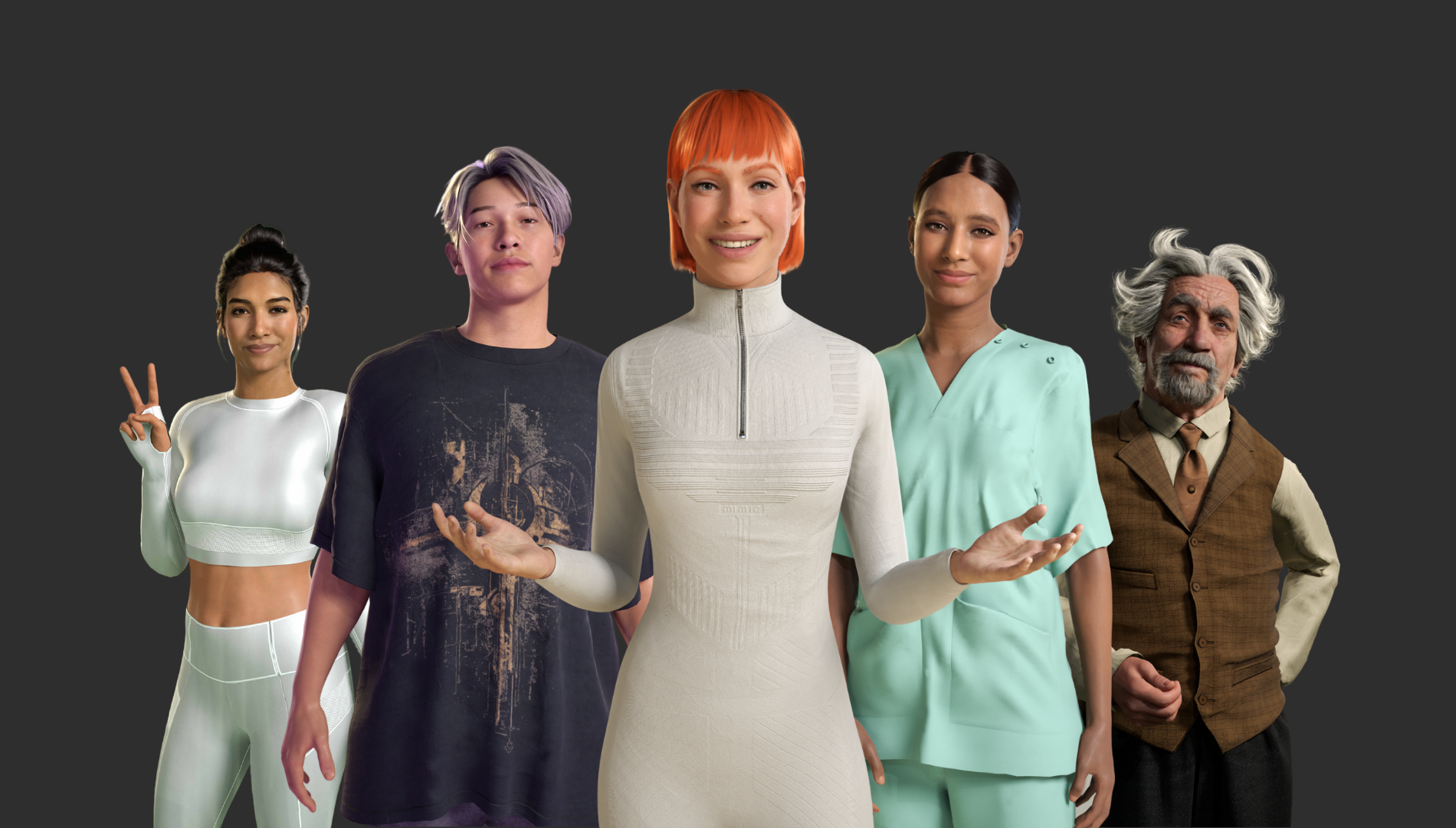
When a conversational AI product needs more than a generic interface, the character itself becomes part of the experience. Mimic Productions creates photo-realistic 3D character models that can support conversational AI avatars, assistant characters and intelligent NPC concepts with a believable presence, grounded in facial and body realism.
Our 3D modelling process covers scan data, reference images and concept art, so teams can develop a character from the material they already have. That matters in conversational AI, where the visual identity often needs to sit alongside a language model, a product interface or a live deployment plan. We focus on the character asset itself: facial structure, body proportion, skin detail, surface maps and production-ready consistency.
Production challenges
What teams usually need to solve
Three common issues shape conversational AI character work.
01
The avatar needs to feel credible
A conversational character can quickly lose trust if the face, skin or proportions look unfinished. We build photo-realistic models that support a believable on-screen presence rather than a placeholder design.
03
Reference material is often mixed
Projects may begin with scans, reference photos or concept art. We adapt to the source material provided, then refine geometry and texture so the character is consistent across the final deliverables.
02
The asset must fit the broader stack
Visual development only works if the model can move into rigging, animation or other downstream stages. We keep the character asset organised for handoff, with a workflow that can continue beyond modelling.
What your team gets
Why this approach helps
01
Realistic facial detail
Support for natural expression, micro-detail and facial proportion.
02
Production-ready textures
Skin, fabric and surface maps designed for believable results.
03
Flexible starting point
Build from scans, photos or concept sketches.
04
Clear downstream handoff
Prepared for rigging, animation and further character development.
Capabilities and deliverables
What we can provide
-
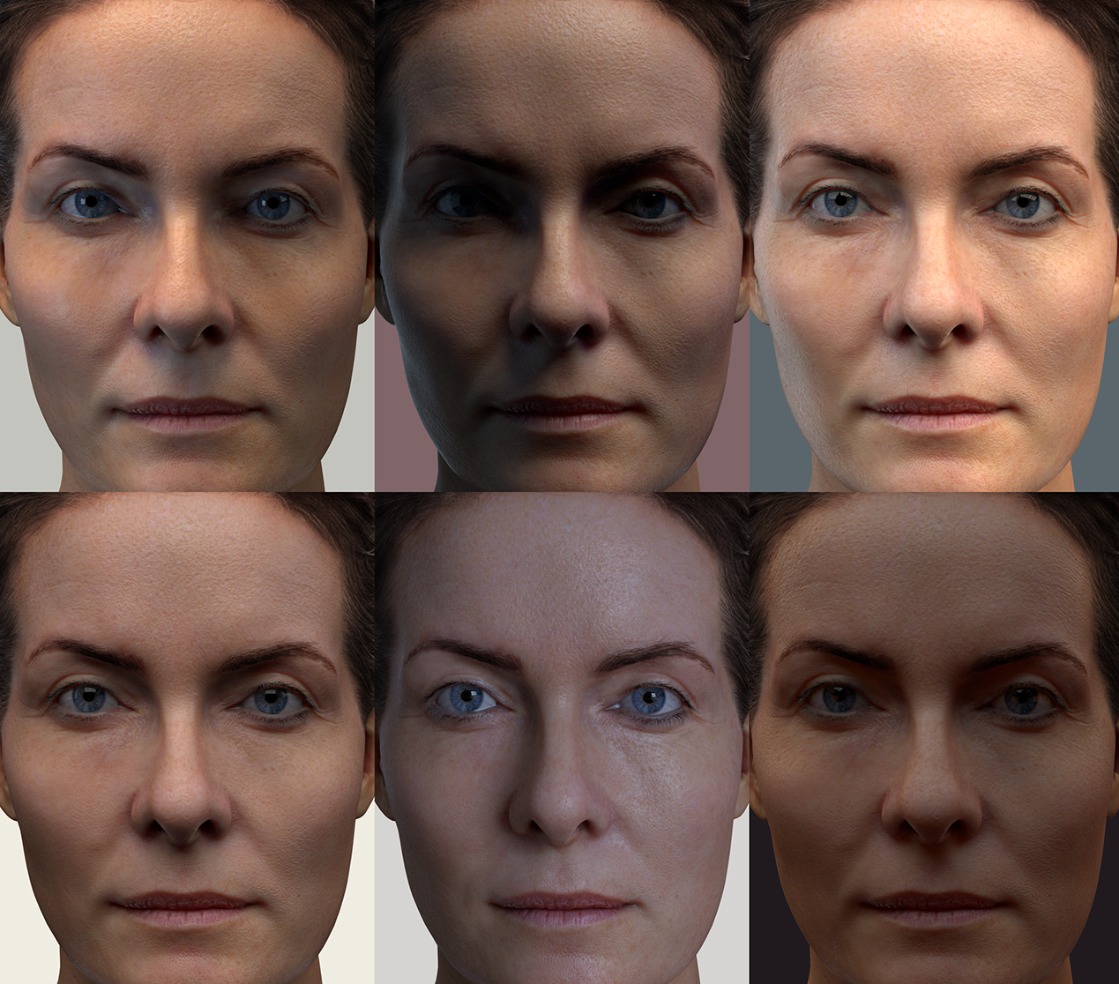
- Photo-realistic 3D character modelling. Shape the asset around its proportions, intended views and downstream use.
-
- Facial and body sculpting. Identify the expressions and close-up detail required by the performance.
-
- Advanced character texturing. Review surface detail under representative lighting and camera distances.
-
- Normal, displacement and diffuse maps. Discuss the required result and production scope during the project briefing.
-
- Gloss, specular, depth and ambient maps. Discuss the required result and production scope during the project briefing.
-
- Scan-based or from-scratch workflows. Agree subject coverage and the downstream use of the captured detail.
-
- Realistic skin detailing. Review surface detail under representative lighting and camera distances.
-
- Preparation for rigging handoff. Review proportions, range of movement and the animation handoff.
Production approach
A practical model for conversational AI teams
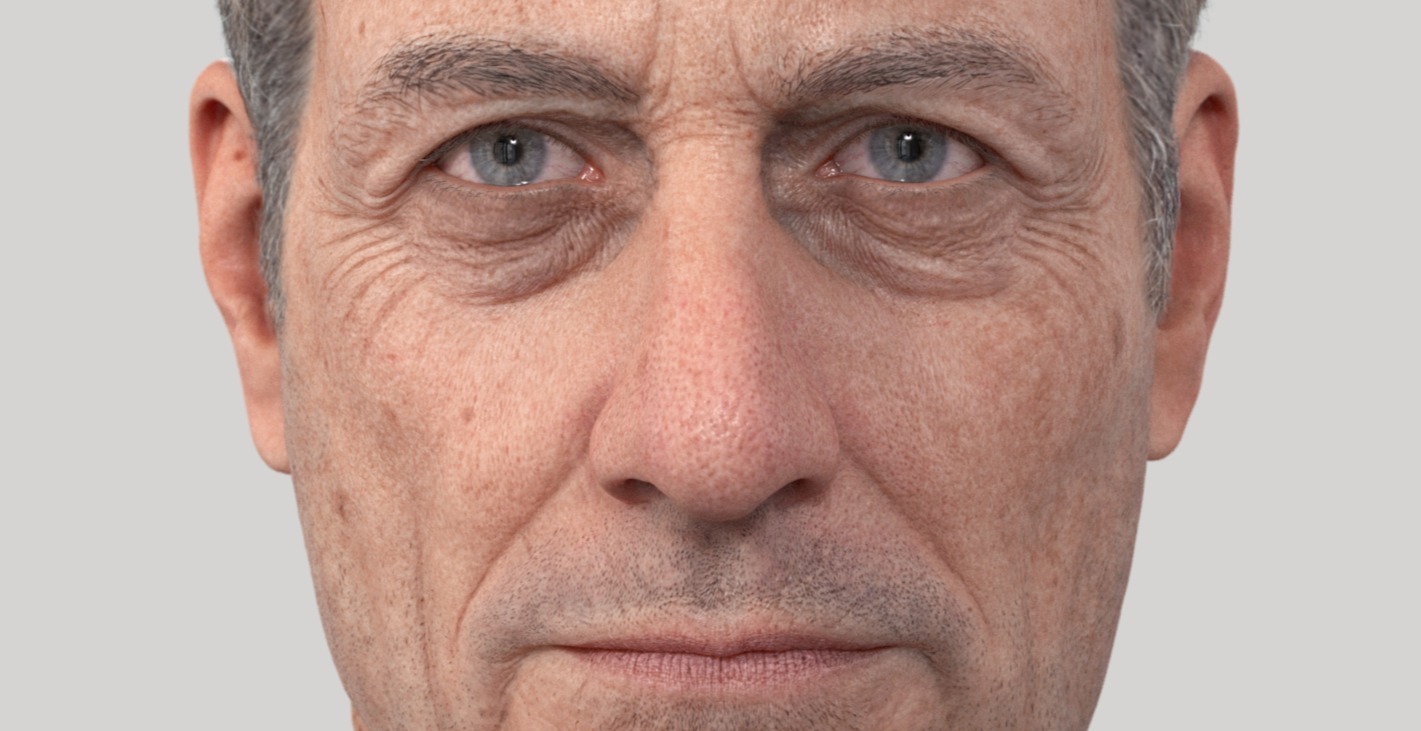
For conversational AI, the model usually sits between brand design and deployment. It needs to look convincing on screen, but it also needs to survive the realities of production. That is why our process focuses on facial realism, body accuracy and texture work that reads naturally under changing light. We can begin from scan data, reference images or concept art, then shape the character into an asset suitable for assistant avatars, intelligent NPCs or other interactive experiences. If the next step is rigging, the character can be prepared with that route in mind, helping teams move from visual approval to animation without rebuilding the core model.
For conversational AI, the useful question is rarely whether a character looks impressive in isolation. It is whether the model will hold up across the full use case. That may mean an assistant avatar that appears on-screen in a customer-facing experience, a branded character for a virtual service touchpoint, or an NPC-style figure designed for responsive interaction. Our work supports those applications by building assets that are realistic, technically organised and ready for downstream rigging or animation.
The source material also makes the scope boundary clear. A photorealistic model does not create the conversational backend by itself, and appearance alone does not make an avatar intelligent. If your project needs a character to pair with ChatGPT or another LLM, we can supply the visual side of that pipeline and prepare it for the next stage of development. If your project is exploratory, we can also work from concept art to establish a credible face and form before broader system decisions are finalised.
Explore our 3D Modeling services and Conversational AI production.
Related production services: Character Rigging for Conversational AI · 3D Rendering for Conversational AI · 3D Modeling for Robotics.


How we work
How a project typically moves forward
01
Review inputs
We start with scans, photos, concept art or reference material and identify the character goals, visual tone and production constraints.
02
Model the character
The face and body are sculpted with attention to proportion, anatomy and the level of realism the conversational AI experience requires.
03
Build the surface detail
Textures and maps are developed to add skin tone, pores, wrinkles and other surface information that supports realism.
04
Prepare for the next stage
If the asset is moving into rigging or animation, we organise the model so the handoff is clear and the next team can continue efficiently.
Frequently asked questions
Frequently asked questions
Can you create a conversational AI avatar from concept art only?
Yes. The source material says characters can be developed from scan data, reference images or concept art. If you only have sketches or visual direction, we can build the model from that starting point and refine it into a photorealistic character suitable for conversational AI use.
Do you also provide the conversational AI engine?
No. This page covers 3D modelling and related character production, not the language model or software backend. The conversational AI source notes that avatars can integrate with ChatGPT and other LLMs, but the character appearance itself is only one part of the overall system.
Is this suitable for assistant avatars and NPCs?
Yes. The conversational AI source specifically references custom AI characters, AI assistant avatars and intelligent NPCs. Our role is to provide the realistic 3D character asset that can support those experiences visually, while the wider interaction design remains part of your product stack.
Can the model be used in other industries too?
The modelling source mentions film, gaming, advertising, metaverse, VR and AR use cases. For conversational AI teams, that means we can apply the same character production methods to assistant avatars, interactive brand characters or simulation-style applications.
What makes the texturing important for conversational AI characters?
Texture work helps the character read as human rather than synthetic. Skin tones, fine wrinkles, blemishes and surface maps such as normal, displacement and diffuse maps all contribute to realism. That is especially important when the avatar is seen up close in a customer-facing interaction.
Can you prepare the asset for handoff to rigging?
Yes. The modelling source states that once a character is fully sculpted and textured, the workflow can extend into rigging. We can prepare the model with downstream use in mind so the handoff to animation or control-system work is easier for your team.
Frequently asked questions