.png)


Events production support
Models that hold up on stage, on screen and in the room
For events, 3D modelling has to do more than look good in a still render. It needs to sit comfortably inside a show flow, read clearly at venue scale and connect with the audience the moment it appears on a LED wall, in a VR zone or within an installation. Mimic Productions creates photorealistic character and object models from scan data, reference photos or concept art, with the precision needed for close viewing and the flexibility needed for event production.
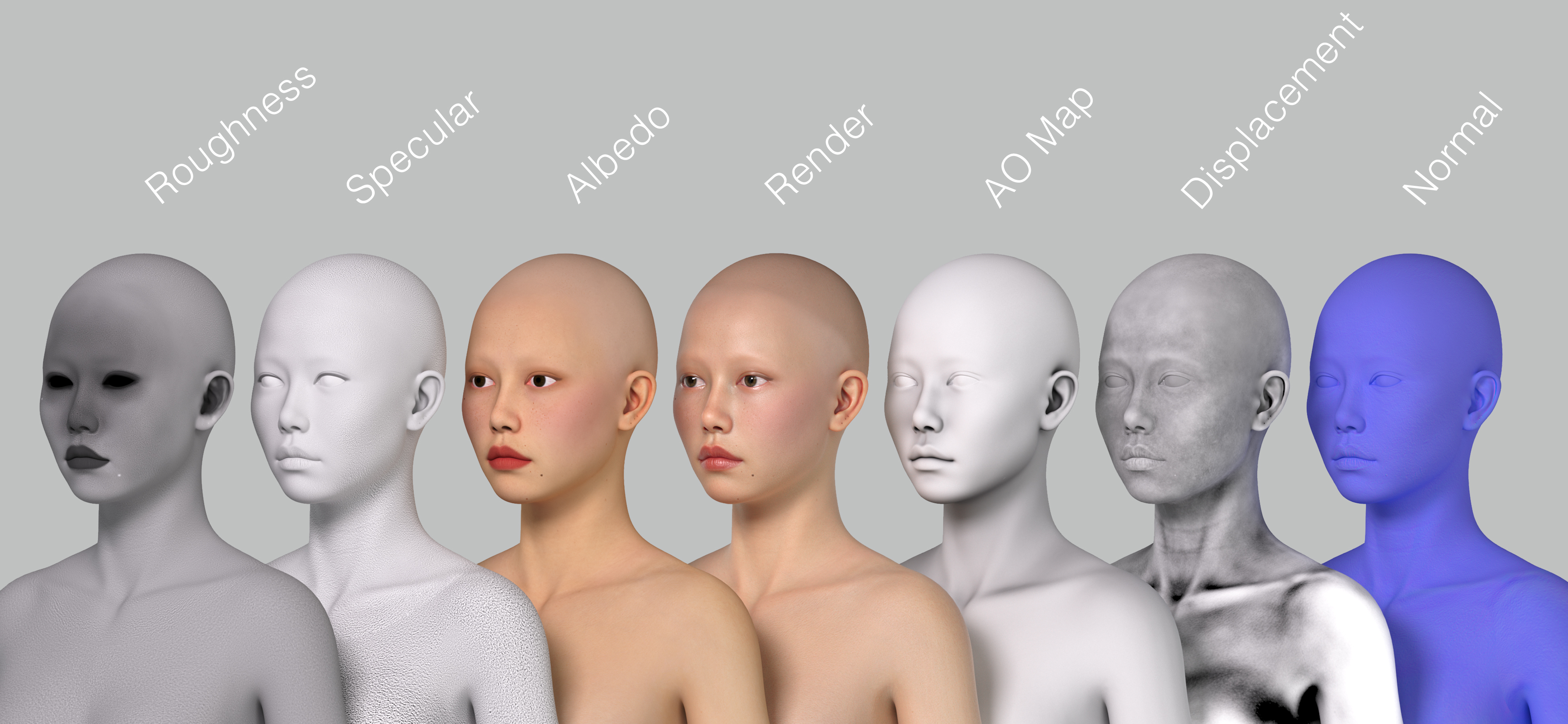
Our work is grounded in realistic facial and body modelling, advanced texturing and the use of texture maps such as normal, displacement, diffuse, gloss and specular maps. For event teams, that means digital people, display assets or sculptural elements can be shaped to suit the creative direction while still allowing for animation, real-time rendering or later rigging. We also support immersive art and interactive experiences from our Berlin studio, which makes us a practical fit for launches, exhibitions, brand spaces and performance-led events where visual detail and concept matter equally.
Production challenges
Typical production pressures
Event teams often need assets that arrive ready for a live environment, not just for approval.
01
Fast-moving creative decisions
Concepts change during planning. The model must stay faithful to the brief while still allowing practical updates to pose, surface detail or output format without rebuilding everything from scratch.
03
Handoffs across teams
3D models often pass between art direction, animation, real-time and install teams. Clear geometry, organised textures and agreed file requirements help avoid delays when the asset moves downstream.
02
Multiple display conditions
An asset may need to work in pre-event visuals, on-site screens and post-event content. That means proportions, textures and lighting response must remain credible across different viewing distances and render settings.
What your team gets
Why event teams commission 3D modelling
01
Readable at event scale
Form, proportion and surface detail are built so the asset still reads well in a busy venue or on a large display.
02
Flexible for future use
Models can be developed from scan, reference or concept art, making them suitable for reuse in content, motion or immersive outputs.
03
Realistic surface treatment
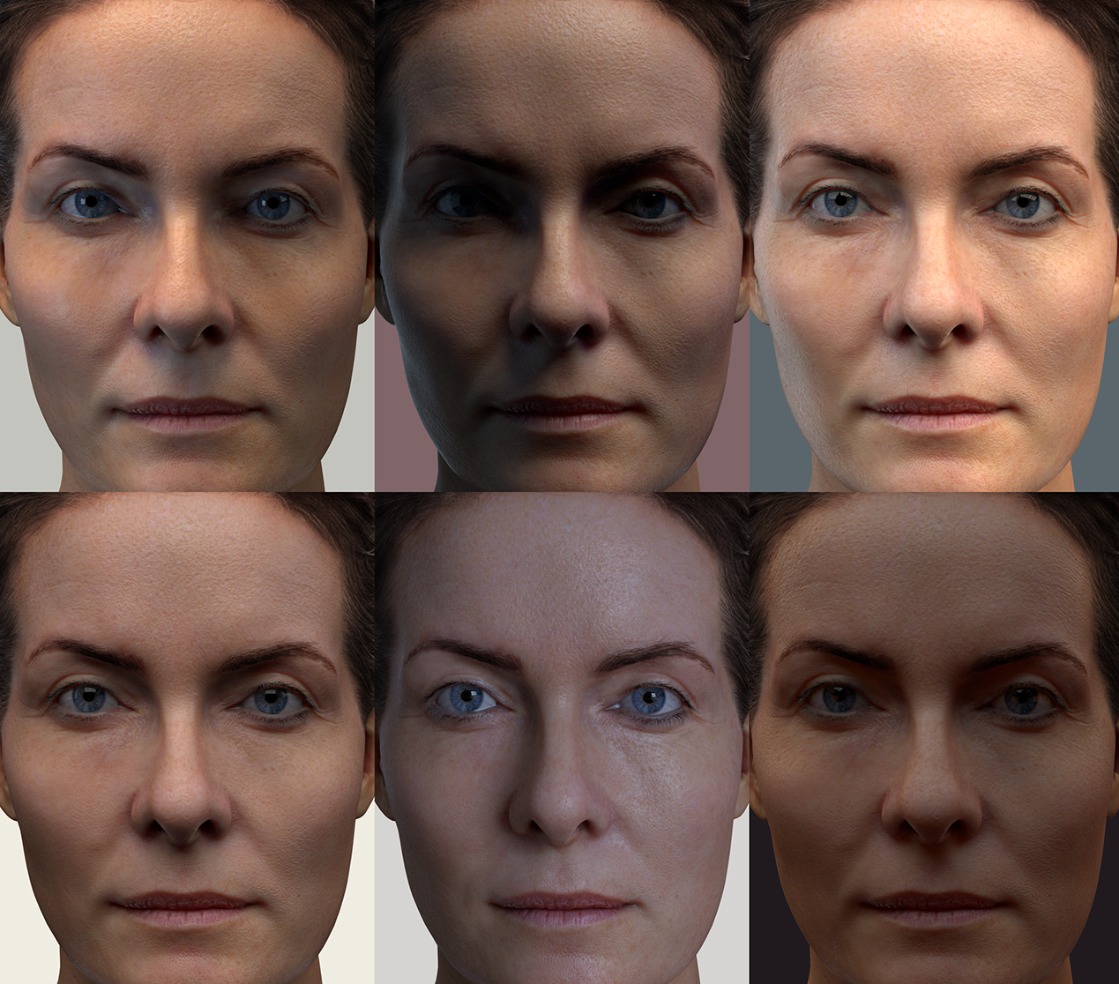
Textures and maps add skin, fabric or material depth so the asset feels convincing under changing light.
04
Built for collaboration
The modelling process supports later rigging, rendering or interactive work without forcing a redesign.
Capabilities and deliverables
What we can provide
-
- Photorealistic character modelling. Shape the asset around its proportions, intended views and downstream use.
-
- Facial and body sculpting. Identify the expressions and close-up detail required by the performance.
-
- 3D character texturing. Review surface detail under representative lighting and camera distances.
-
- Normal, displacement and diffuse maps. Discuss the required result and production scope during the project briefing.
-
- Gloss, specular, depth and ambient maps. Discuss the required result and production scope during the project briefing.
-
- Scan-based or concept-led development. Agree subject coverage and the downstream use of the captured detail.
-
- Digital doubles and visual stand-ins. Discuss the required result and production scope during the project briefing.
-
- Assets prepared for rigging or rendering. Agree the visual target, review stages and final output requirements.
Production approach
Built for live environments
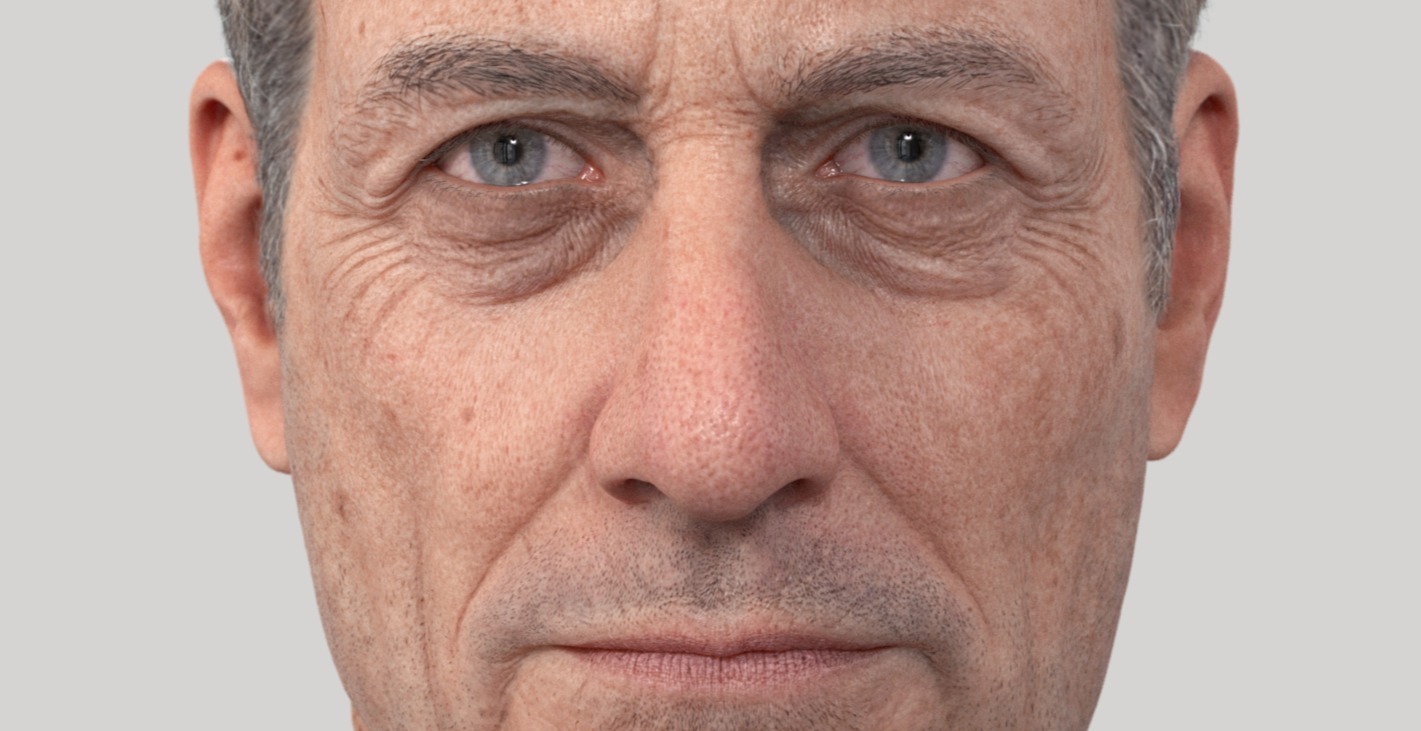
Mimic Productions combines 3D modelling, sculpting and texturing to create production-ready digital assets with a realistic human presence or a strong sculptural identity. For events, this is useful when a creative concept calls for a character, host or visual centrepiece that must hold attention under venue lighting and stand up to close inspection in exhibition or VIP settings.
The process can start from scan data, reference photography or concept art, depending on what the project has available. We then shape the model, refine facial and body structure, and add texture detail that supports believable skin, fabric or material response. If the asset is intended for animation, VR, interactive installation or later character work, we can also shape the modelling choices around those next steps so the handoff remains practical for your team.
Provide reference views, intended camera distance and any existing scans or concept art. Agree the model’s proportions, surface detail and downstream rigging requirements so reviews assess the asset in the context in which it will actually appear. For events, specify the screen or projection format, audience distance and the relationship between the digital performance and the live environment.
Explore our 3D Modeling services and Immersive Events production.
Related production services: Character Rigging for Immersive Events · 3D Rendering for Immersive Events · 3D Modeling for Holograms.


How we work
How a project moves forward
01
Define the brief
We review the event use case, the intended audience and the final output so the model is designed for the right viewing conditions and production route.
02
Build the form
Using scan data, reference images or concept art, we sculpt the underlying shape and establish believable proportions, facial structure or object detail.
03
Add surface realism
Textures and maps are developed to support skin, material depth and lighting response, with detail adjusted to suit the event presentation.
04
Prepare for handoff
The finished asset is aligned with the next stage, whether that is rigging, rendering, immersive deployment or further motion work.
Frequently asked questions
Questions from event producers
Can you work from a moodboard or concept art only?
Yes. The source material can be a concept image set, reference photography or scan data, depending on what your team has available. We use that material to shape the model and keep the result aligned with the intended look.
Are these models suitable for immersive installations?
They can be, provided the final asset is built with the installation format in mind. Mimic Productions works on immersive art, VR and interactive 3D work from its Berlin studio, so the modelling can be developed to support close viewing or rendering.
Do you only model human characters?
No. The source material focuses strongly on facial and body modelling, but the same modelling and texturing approach can support other digital assets when the brief calls for them. For events, that may include sculptural elements or visual centrepieces.
Can a model be prepared for rigging later?
Yes. The service source notes that once a character model is sculpted and textured, it can extend into rigging. If animation is part of the plan, we can keep the anatomy and structure suitable for that next stage.
What makes this useful for live event work?
Events often place assets in difficult viewing conditions, such as bright venues, screens with mixed content or interactive spaces with changing angles. Photoreal modelling and structured texture mapping help the asset remain convincing and legible in those settings.
Can you support culturally or historically referenced figures?
Our work includes the character creation process can recreate historical or even deceased individuals. That makes the service relevant when an event concept calls for a recognisable figure, subject to the project brief and appropriate source material.
Frequently asked questions