.png)


Fashion production for digital bodies
Scan talent for digital fashion workflows
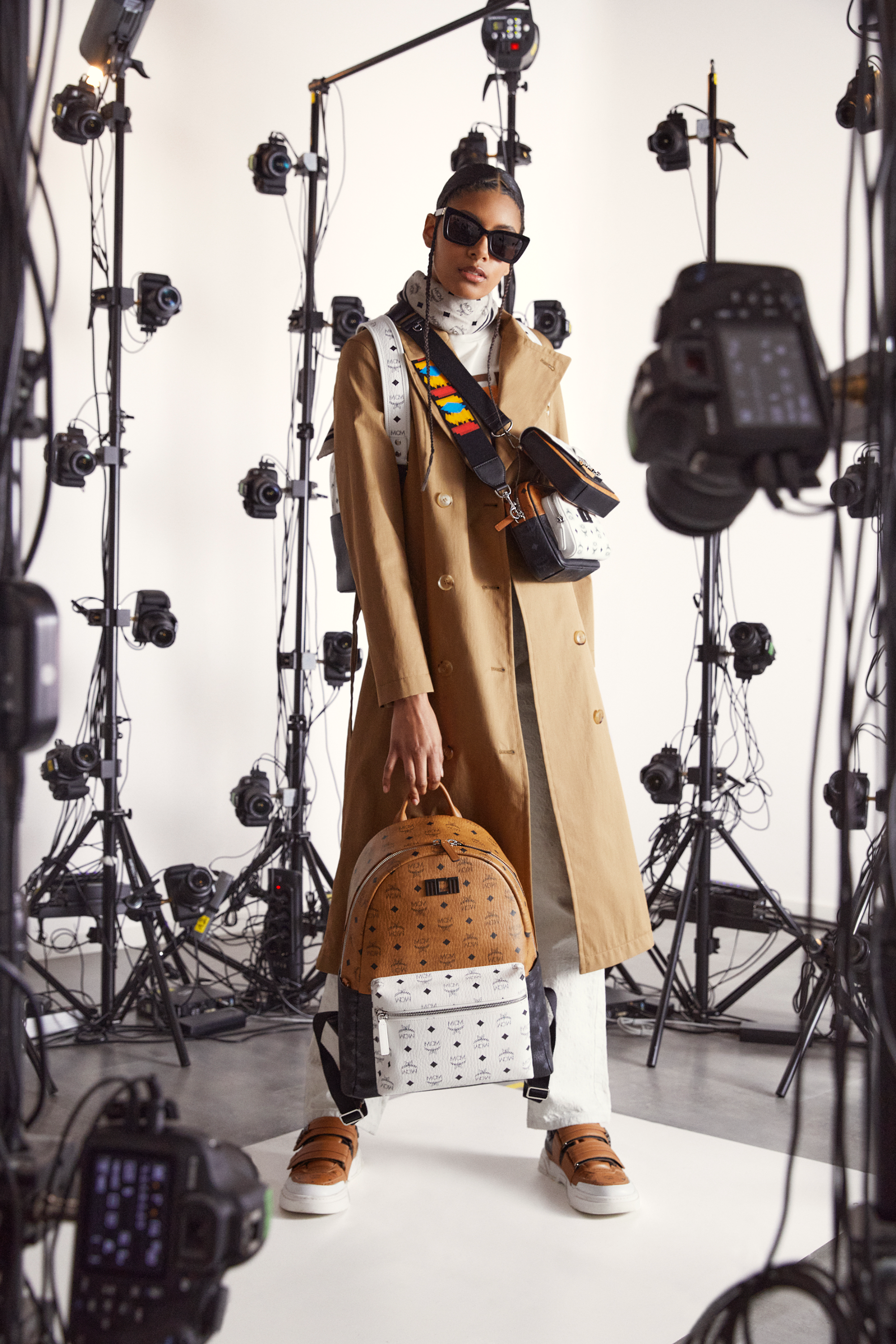
For fashion teams, a body scan is rarely the end product. It is the starting point for digital models, avatar development, fit exploration, campaign visuals, and virtual wardrobe tests. Mimic Productions provides 3D body scanning in Berlin and on location, using photogrammetry to capture high-resolution geometry and texture detail for characters that need to look convincing in motion, in stills, or in real-time environments.
Our studio approach is practical for brands, agencies, and production teams that need reliable capture within a wider pipeline. The scan output can support digital doubles, 3D clothing design, and garment simulation, as well as downstream modelling, texturing, retopology, rigging, and rendering. Where fashion work demands consistency across multiple looks or poses, the scanning session is planned around the intended use, so the material you receive is suitable for the next production step rather than just a visual record.
Production challenges
Where fashion scanning needs to go further
The technical challenge is not only capturing a person accurately, but capturing them in a form the rest of the fashion pipeline can actually use.
01
Campaign imagery needs more than a likeness
A scan must preserve surface detail, proportions, and texture information so the digital version can support brand visuals, not just archival reference.
03
Studios need output that fits production timing
Fashion teams often work to tight approval windows, so scanning has to slot into castings, styling, and post workflows without unnecessary reshoots.
02
Fit and garment tests need dependable inputs
For virtual fit or clothing simulation, scanning has to give downstream teams a clean basis for body shape, pose, and preparation for simulation.
What your team gets
What this gives fashion teams
01
Realistic capture
High-resolution geometry and texture detail suitable for digital doubles and avatar builds.
02
Pipeline readiness
Outputs that can move into modelling, retopology, rigging, and rendering.
03
Studio or location
Capture in Berlin or on location to suit cast and production logistics.
04
Fashion-aware planning
A session shaped around campaign, garment, or virtual showroom requirements.
Capabilities and deliverables
Useful capabilities for fashion production
-
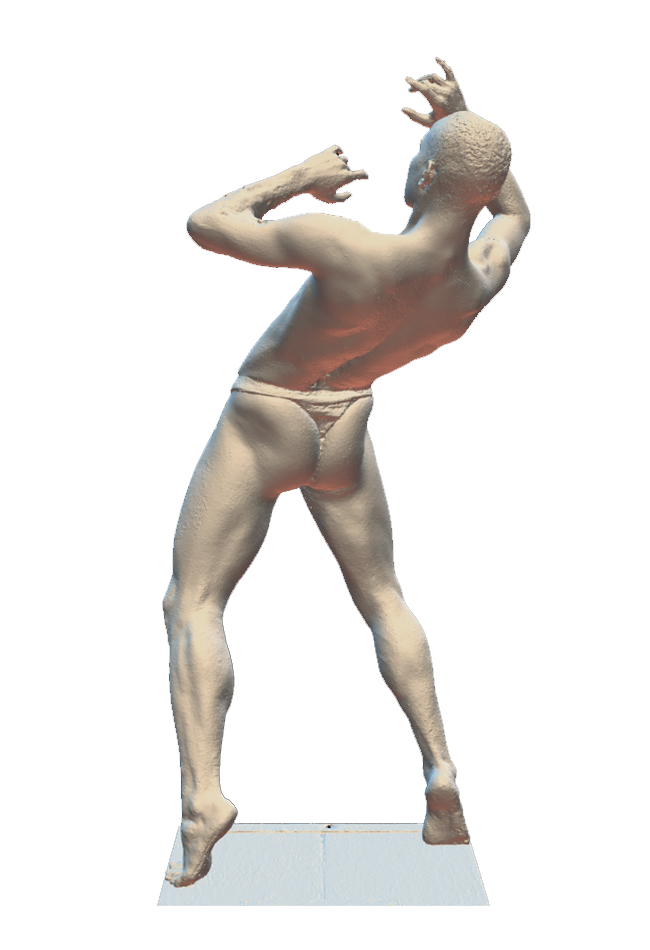
- 3D body scanning. Agree subject coverage and the downstream use of the captured detail.
-
- 3D full body scanning. Agree subject coverage and the downstream use of the captured detail.
-
- 3D face scanning. Identify the expressions and close-up detail required by the performance.
-
- 3D photogrammetry. Agree subject coverage and the downstream use of the captured detail.
-
- Digital doubles. Discuss the required result and production scope during the project briefing.
-
- Avatar development. Define the character’s role, appearance and intended interaction setting.
-
- Garment simulation inputs. Review fit, movement and intersections against the garment reference.
-
- Retopology for animation-ready meshes. Shape the asset around its proportions, intended views and downstream use.
Production approach
Built for the fashion pipeline, not only the scan stage
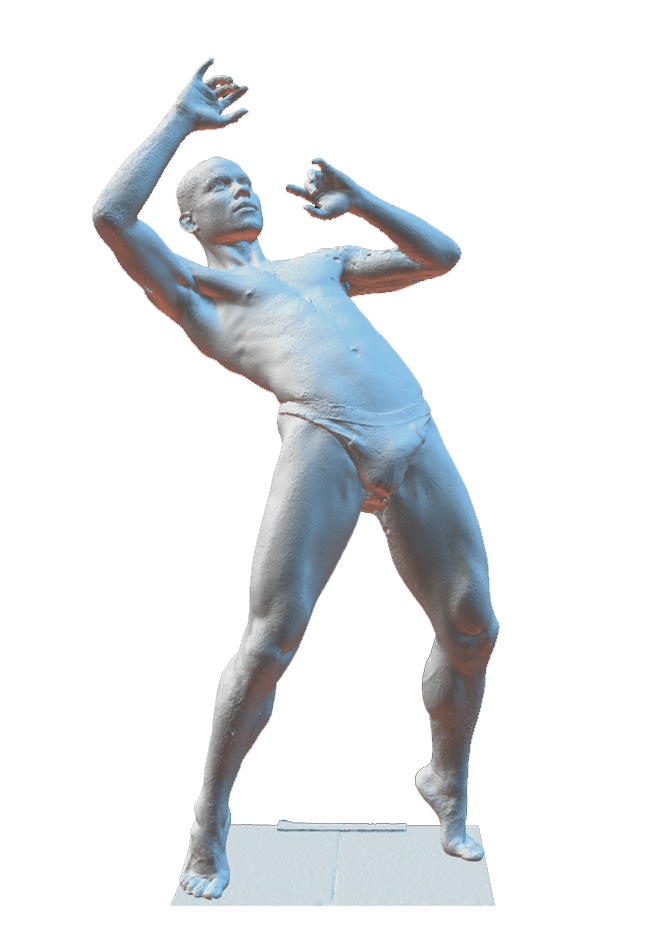
Mimic’s 3D body scanning is positioned for fashion production where realism, consistency, and handoff matter. The scan can support digital fashion concepts from model development through to virtual presentation, and it can sit alongside clothing, shoe, bag, or accessory workflows when a brand needs a broader digital asset pipeline.
Because fashion projects often continue after capture, we can also help with the practical next steps. If your scan already exists, retopology can reduce polygon count while retaining detail for animation use. If the brief calls for a digital character rather than a static likeness, the scan can feed into avatar development and related character production workflows. The aim is to keep the asset useful beyond one scene or one render.
Fashion projects often involve more than one person, one outfit, or one approval stage. We work with controlled studio lighting for predictable results, and we can also travel for on-location scanning when production schedules require it. That flexibility matters when a campaign, showroom activation, or avatar build has to stay aligned with casting, styling, and post-production.
Share the subject list, required coverage and intended use of the scans. Clothing, hair, reflective surfaces and the level of facial detail can affect preparation, so provide reference views and discuss the downstream modelling requirements before the session. For fashion, provide garment, fabric and styling references, and identify which details must remain visible in the final presentation.
Explore our 3D Body Scanning services and Fashion production.
Related production services: 3D Modeling for Fashion · Character Rigging for Fashion · 3D Body Scanning for Advertising.


How we work
How a scan project typically runs
01
Brief and use case
We confirm whether the asset is for digital fashion, avatar work, fit support, or character production, then shape the capture plan accordingly.
02
Studio or location setup
We prepare the capture environment in Berlin or on location, using controlled conditions to support reliable geometry and texture results.
03
Photogrammetry capture
The subject is scanned to record body form, proportions, and surface detail with the level of fidelity needed for the intended pipeline.
04
Handoff and next steps
We provide outputs that can move into modelling, retopology, texturing, rigging, or simulation, depending on what the fashion team needs next.
Frequently asked questions
Questions fashion teams usually ask
What is the difference between a body scan for fashion and a general reference shoot?
A fashion scan is made for production use, not just visual reference. It aims to preserve geometry and texture detail that can support digital characters, virtual garments, and other downstream 3D tasks. That makes the output more useful for modelling and simulation workflows than standard photography alone.
Can you scan in Berlin and also travel to us?
Yes. Mimic offers studio-based 3D full body scanning in Berlin and on-location capture. That is useful when talent, wardrobe, or campaign schedules make it easier to work at a client site, showroom, or temporary production space rather than bringing everyone into the studio.
Do you only scan full bodies?
No. The official service also includes 3D face scanning and facial expression scanning. For fashion, this can matter when a digital model or avatar needs both body form and a believable head and expression setup for presentation, campaigns, or virtual experiences.
Can a scan be used for garment simulation?
Yes, provided the scan is prepared for that purpose. The fashion service specifically mentions garment simulation and virtual fit-related applications. The scan is the foundation, but the final use depends on the quality of the mesh, the intended software pipeline, and whether further processing is required.
What if we already have a raw scan from another provider?
Mimic also offers retopology for existing raw full body scans. That is helpful when a client already has capture data but needs a cleaner mesh for animation, character work, or digital fashion production. It can save time if the scan itself is already approved.
Does a scan automatically include a finished avatar or animation backend?
No. The scan provides the visual and geometric basis, but an avatar still needs modelling, rigging, and any interactive or conversational systems that the final project requires. For fashion teams, that distinction is important when planning handoff, budgeting, and the rest of the production chain.
Frequently asked questions