.png)
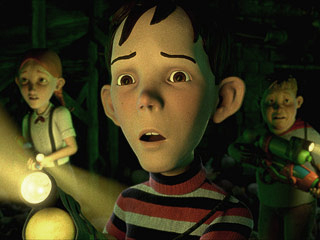


Character rigging for fashion
Built for fashion characters that need to move convincingly
In fashion production, a character is often expected to do more than stand still. It may need to hold a pose, turn on a virtual runway, show a product detail, or carry a campaign concept across stills, film and interactive formats. Rigging is the technical layer that makes that movement possible. For fashion teams, that means a character setup has to preserve silhouette, proportion and expression while still behaving reliably when the animation brief changes. Mimic Productions develops facial rigging and body rigging as the foundation for production-ready characters. Our work is shaped by experience in digital fashion, 3D model development and avatar creation, with pipelines that support both detailed facial performance and robust full body motion. We build rigs for humans and stylised characters, and the same planning applies whether the asset is for a fashion film, a brand ambassador, a fitting visualisation or a virtual world. For fashion buyers, the key questions are usually practical. Will the character hold up in close-up? Can the rig support garment movement without breaking the pose? Does the face allow enough expression for beauty and editorial storytelling?
Production challenges
Common rigging pressures in fashion
Fashion assets have to look refined, move well and remain practical for animation teams.
01
Close-up detail
Beauty, editorial and campaign imagery often push the face into close view, so the rig must support convincing expression without distracting deformation.
03
Delivery across pipelines
Fashion teams may need one asset for film, stills, real-time presentation or virtual show concepts, so the rig has to be built with handoff in mind.
02
Garment-aware motion
Characters may need to work with simulated clothing, accessories or pose changes, which means the body rig must stay stable through demanding movement.
What your team gets
What the rig is designed to support
01
Expressive faces
Blend-shape facial rigs can support nuanced fashion storytelling and beauty-focused close-ups.
02
Reliable body motion
Full body systems are built to handle pose changes and movement while keeping the character controllable.
03
Production-friendly setup
The rig is planned so animators can work efficiently and production teams can review it without unnecessary complexity.
04
Flexible visual outputs
The same character foundation can support campaigns, brand avatars, virtual worlds or animation tests.
Capabilities and deliverables
Rigging capabilities used in fashion production
-
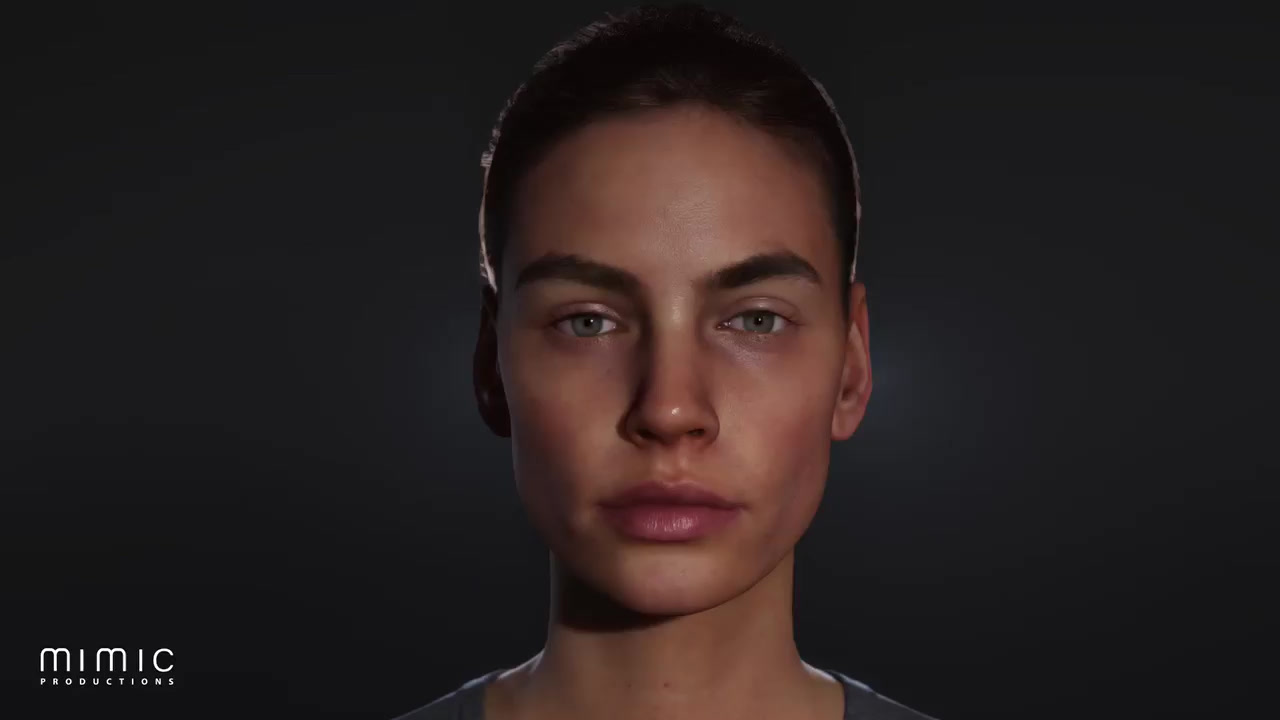
- Facial rigging for digital models. Review proportions, range of movement and the animation handoff.
-
- Blend-shape facial setup. Identify the expressions and close-up detail required by the performance.
-
- Wrinkle map creation. Discuss the required result and production scope during the project briefing.
-
- Body rigging for humans and characters. Review proportions, range of movement and the animation handoff.
-
- Full body rigging for motion and posing. Review proportions, range of movement and the animation handoff.
-
- Character rigging for fashion avatars. Review proportions, range of movement and the animation handoff.
-
- Creature rigging where the brief calls for it. Review proportions, range of movement and the animation handoff.
-
- Optimised rigs for Unreal and Unity. Review proportions, range of movement and the animation handoff.
Production approach
How we approach character setup
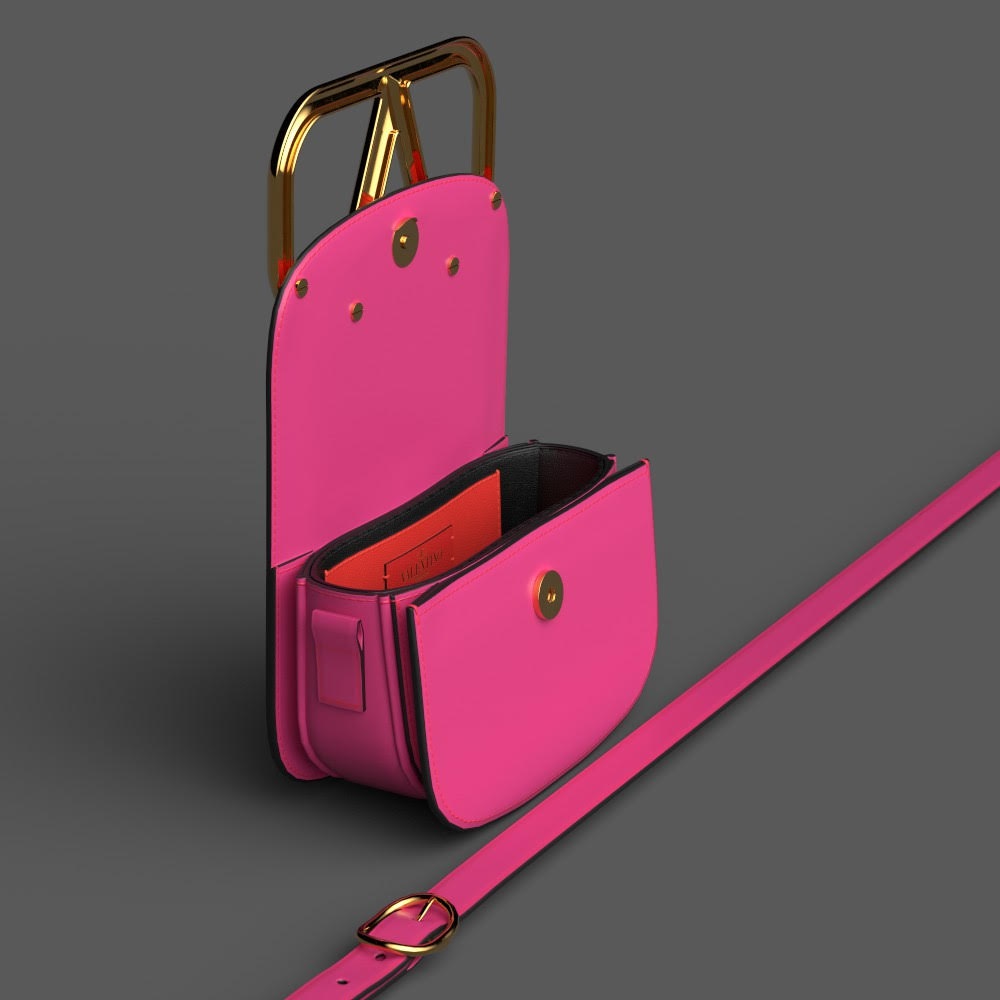
For fashion projects, rigging is not only about technical control. It is also about protecting the design intent of the character. A refined silhouette, a particular expression style or a carefully art-directed pose can all be lost if the rig is overbuilt or too limited. We start by matching the setup to the intended use, then shape the rig around the performance demands, delivery format and production budget.
Facial rigging is especially important for digital models, brand ambassadors and beauty-led content. Mimic builds blend-shape facial rigs from expression scans where appropriate, and can add wrinkle maps to give smiles, brows and subtle reactions more depth. For the body, we create systems that support human motion, stylised movement and extreme poses while maintaining anatomical credibility. If the asset needs to fit a real-time environment, we can optimise for engines such as Unreal and Unity.
Supply the model, expected range of movement and examples of expressions or poses. Review deformation at demanding positions, then agree controls, naming and the handoff to the animation team before the rig is used across a larger sequence. For fashion, provide garment, fabric and styling references, and identify which details must remain visible in the final presentation.
Explore our Character Rigging services and Fashion production.
Related production services: 3D Animation for Fashion · Motion Capture for Fashion · Character Rigging for Advertising.


How we work
From brief to rigged asset
01
Define the intended use
We review whether the character is for campaign film, still imagery, interactive work or a wider fashion pipeline, then set the rig requirements accordingly.
02
Build the facial system
If expression is central to the brief, we develop blend shapes and supporting detail such as wrinkle maps to suit the performance.
03
Construct the body rig
We create a body setup that supports posing, motion and any special movement needs, while keeping the asset stable for animation.
04
Prepare handoff
The delivered rig is organised so internal teams or external animators can take it forward with a clear production structure.
Frequently asked questions
Questions fashion teams ask
Is rigging useful if the asset is mainly for still campaign imagery?
Yes. Even when the final output is a still, rigging matters if the character needs pose exploration, facial adjustment or reuse across future campaign formats. A well-planned rig gives the art team more control during approval, and can save time if the asset later moves into motion or real-time delivery.
Can you rig both realistic and stylised fashion characters?
We can build rigs for both. The setup depends on the intended look, how much facial nuance is needed and how the character will be animated. For realistic fashion models, facial detail and body control are often the priority. For stylised characters, the rig can be shaped to preserve exaggeration without losing usable motion.
How do blend shapes help fashion characters?
Blend shapes make it possible to control the face through expressions rather than relying only on joint movement. That is helpful for beauty-led content, close-up campaign work and digital brand ambassadors, where subtle emotion and recognisable character identity matter.
Can a rig support Unreal or Unity delivery?
Yes, if that is part of the brief. Mimic develops character rigging and animation rigging optimised for game engines like Unreal and Unity, so the asset can be planned with real-time requirements in mind. The exact setup depends on the target pipeline and how much facial or body performance is required.
Do you also handle garment simulation?
Rigging and garment simulation are related but different tasks. We build the character system that animators use, while digital fashion work at Mimic also includes garment simulation using tools such as Marvelous Designer, Clo3D and Unreal Engine. For combined projects, the rig needs to be planned so clothing motion and body performance work together.
What should a fashion brand prepare before commissioning rigging?
It helps to have a clear idea of the character’s purpose, the expected animation range and the final delivery format. Reference images, model requirements and any notes on close-up use, pose range or real-time integration are also useful. That allows the rig to be tailored to the actual production need rather than overbuilt for features that will not be used.
Frequently asked questions