.png)
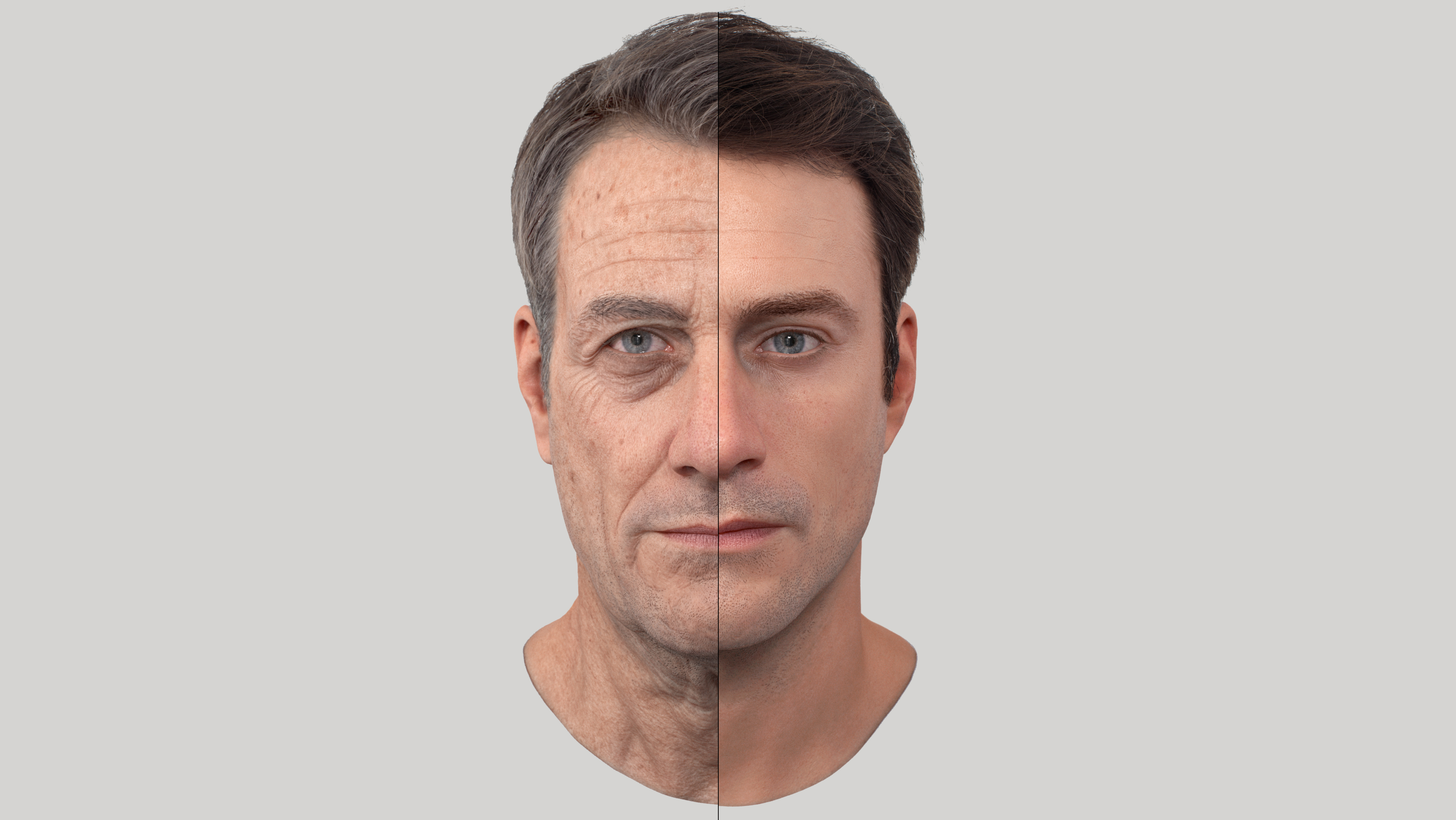


Rendering for medical teams
Built for medical communication, not generic visuals
Medical projects ask for more than attractive imagery. They need clarity, careful staging and a visual language that supports explanation without overclaiming. Mimic Productions provides 3D rendering as the final stage of the pipeline, turning prepared models into polished visuals through lighting, camera animation and compositing. For medical teams, that can mean surgical demonstrations, device communication, patient-facing explainers or XR scenes that present anatomy and procedures in a controlled way.
Our work sits within character creation, motion capture and digital production, so we can support projects that depend on accurate visual presentation and believable movement. We also coordinate in-house rendering for smaller productions and external render farms for larger ones, which helps align scope, timing and practical output requirements. For medical material, the emphasis is on visualisation and communication. We do not position rendering as diagnosis, treatment or clinical validation.
Production challenges
Common pressures in medical rendering
Medical content has to be understandable, careful and technically organised from the start.
01
Making complex subjects readable
Anatomy, devices and procedures can become difficult to follow once they are reduced to static diagrams. Rendering helps organise the viewer’s attention through framing, light and motion so the subject is easier to explain in training, research or patient communication.
03
Keeping production handoffs clear
Projects often begin with models, scans or animation assets that need refinement before final output. A medical team benefits from a rendering partner who can assess scope, coordinate the right pipeline and deliver usable frames for internal review or post-production.
02
Balancing realism with restraint
Medical imagery must feel credible without drifting into unnecessary dramatics. Lighting, materials and camera choices need to support the message, whether the scene is a product explanation, a procedure overview or an XR medical environment.
What your team gets
What this approach gives you
01
Visual clarity
Careful lighting and composition help complex medical scenes stay legible.
02
Controlled realism
Materials, shading and camera work can support believable presentation without exaggeration.
03
Flexible pipeline
We can render smaller jobs in-house or coordinate larger productions through external farms.
04
Hybrid content support
Rendering can sit alongside live action, face tracking and compositing when a project needs mixed visual formats.
Capabilities and deliverables
Relevant rendering capabilities
-
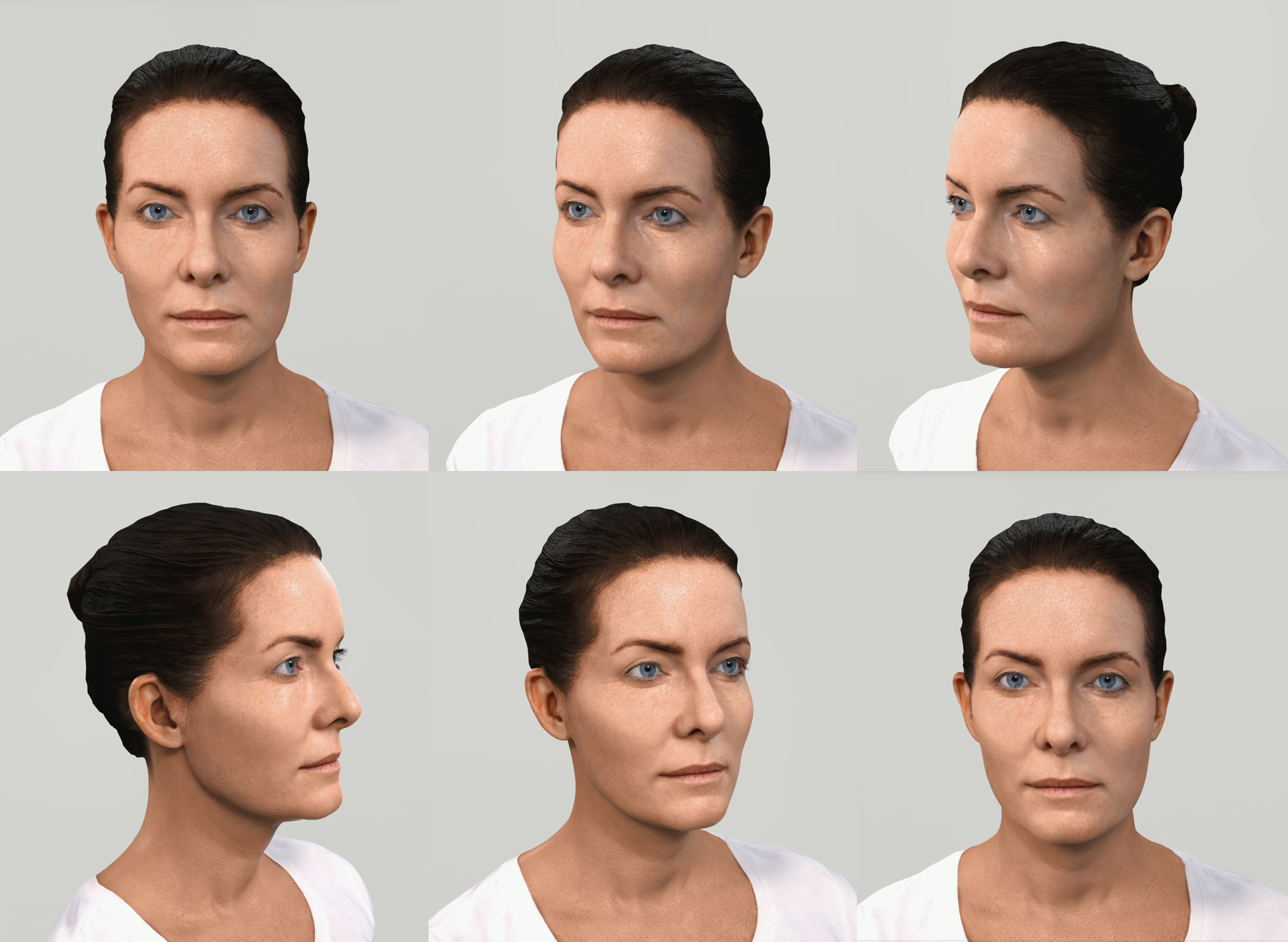
- Photorealistic 3D rendering. Agree the visual target, review stages and final output requirements.
-
- Lighting setup and refinement. Review illumination and contrast against the intended visual reference.
-
- Camera animation for digital cinematography. Plan framing and movement around the subject and viewing format.
-
- Head tracking for digital face integration. Identify the expressions and close-up detail required by the performance.
-
- Compositing with live-action footage. Discuss how digital elements should sit within the surrounding footage.
-
- Render coordination for larger productions. Agree the visual target, review stages and final output requirements.
-
- Visual support for XR scenes. Set a clear scope and review sequence with your production team.
-
- Final-frame output for medical communication. Agree the visual target, review stages and final output requirements.
Production approach
How medical rendering is handled
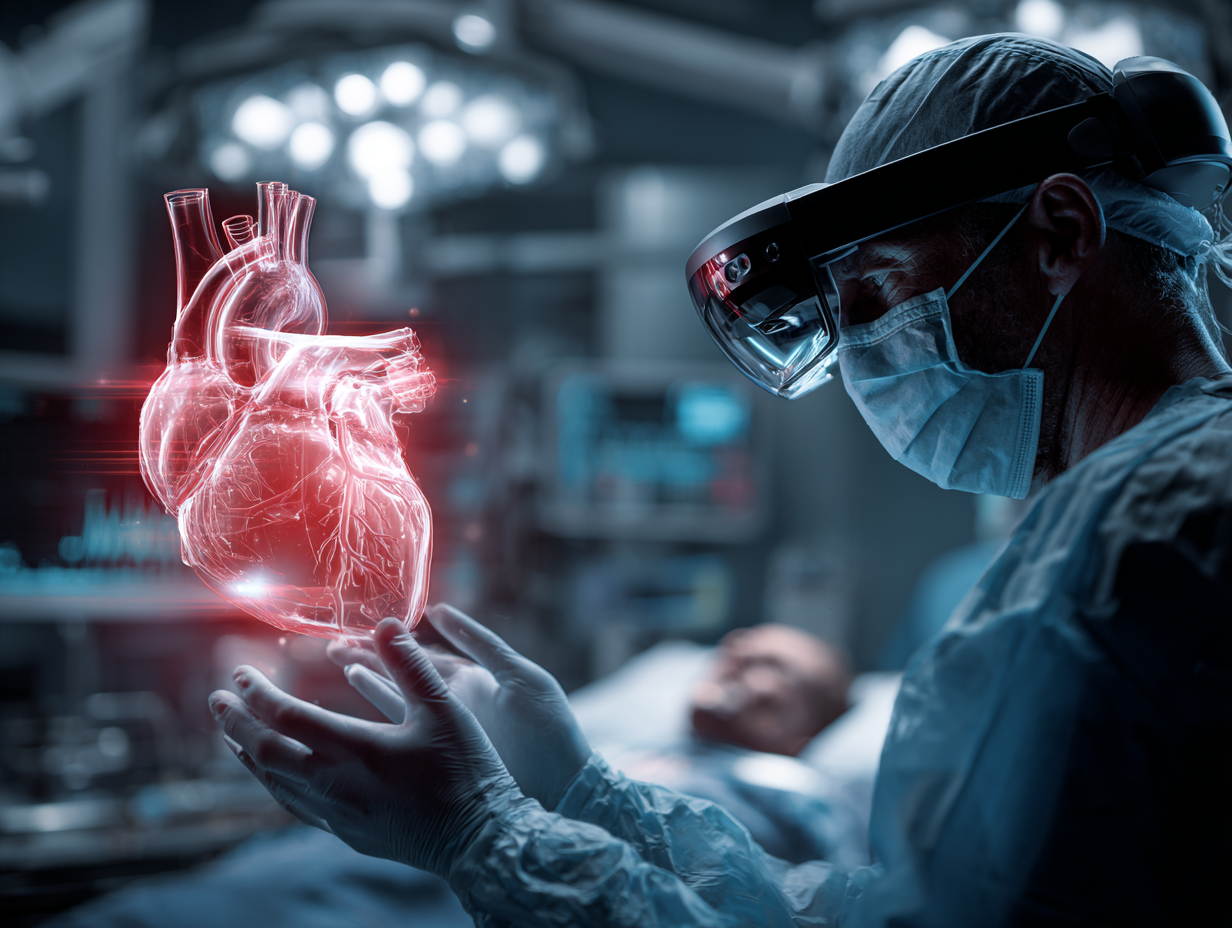
Rendering is the final stage where the quality of the model, materials and texturing becomes visible in the finished frame. For medical work, that stage matters because the audience is often looking for explanation, not decoration. We shape lighting, camera movement and compositing so the result presents the subject clearly and consistently. When a project requires a hybrid approach, our team can combine rendered assets with live-action footage or digital face integration, always keeping the intended use of the content in view. The output is designed for communication, presentation and production use, rather than clinical claims.
Where a project includes live action, our head tracking and compositing workflows can help integrate digitally rendered faces or elements into footage, supporting hybrid content for research, education or immersive presentation. If you need a visual partner to translate complex medical subject matter into controlled, high-quality rendered scenes, we can help define the most appropriate production route and keep the handoff clear between models, lighting, animation and final frames.
Provide the intended shot list, reference lighting and final presentation format. Review framing, materials and exposure together, then agree the animation, compositing and output requirements before committing to final frames. For medical communication, supply approved subject references and arrange review by your subject-matter team for anatomical and explanatory accuracy.
Explore our 3D Rendering services and Medical Visualisation production.
Related production services: 3D Modeling for Medical Visualisation · Digital Hair and Clothing for Medical Visualisation · 3D Rendering for XR.


How we work
From asset to final frame
01
Assess the source material
We review models, textures, animation needs and intended use so the rendering plan fits the medical subject, delivery format and practical scope.
02
Build the visual language
Lighting, camera design and material refinement are shaped to support clarity, whether the content is an XR scene, a procedure visual or a product demonstration.
03
Render and refine
We produce final frames through in-house rendering or larger render coordination, then adjust presentation details through compositing where required.
04
Deliver for your workflow
Assets are prepared for review, presentation or further post-production so your team can move from visual approval to the next stage with fewer surprises.
Frequently asked questions
Questions medical teams often ask
Is this service suitable for patient-facing medical content?
Yes, if the goal is visual explanation rather than diagnosis. Rendering can help present anatomy, devices or procedures in a controlled way that is easier to understand. The final style should be chosen carefully so it supports communication without implying clinical outcomes that the visual cannot substantiate.
Can you work with existing scans or models?
Yes. Rendering typically begins with prepared assets, and the quality of the source material strongly affects the final result. We can assess models, textures and animation requirements, then recommend the most suitable route for lighting, camera work and output. That keeps the process practical for medical teams with different levels of source preparation.
Do you handle medical accuracy?
We produce visualisation and character-production outputs, not diagnostic or treatment claims. Medical subject matter should be supplied and approved by the relevant experts on your side. Our role is to present the material clearly through rendering, compositing and camera design so the content is visually coherent and fit for its intended communication use.
Can rendering be combined with XR or live action?
Yes. Our work includes support for immersive, data-driven solutions, and our rendering workflow also includes head tracking and compositing. That means a project can combine digital elements with live-action footage where appropriate. We would still define the boundaries clearly so each asset is used for the right purpose.
What if the project is small or very large?
Mimic Productions can render in-house for smaller productions and coordinate external render farms for larger ones. That gives you a practical way to match delivery needs with project scale. We assess the requirements first, then suggest the most efficient and cost-conscious route available within the scope of the brief.
What does the handoff look like?
A clear handoff depends on what comes before rendering and what needs to happen after it. We aim to receive organised models, textures, animation and approval notes, then return finished frames or sequences ready for review or post-production. If live-action or compositing is involved, we keep those dependencies visible throughout the process.
Frequently asked questions