.png)


Medical 3D Modelling
Built for medical teams that need believable human form
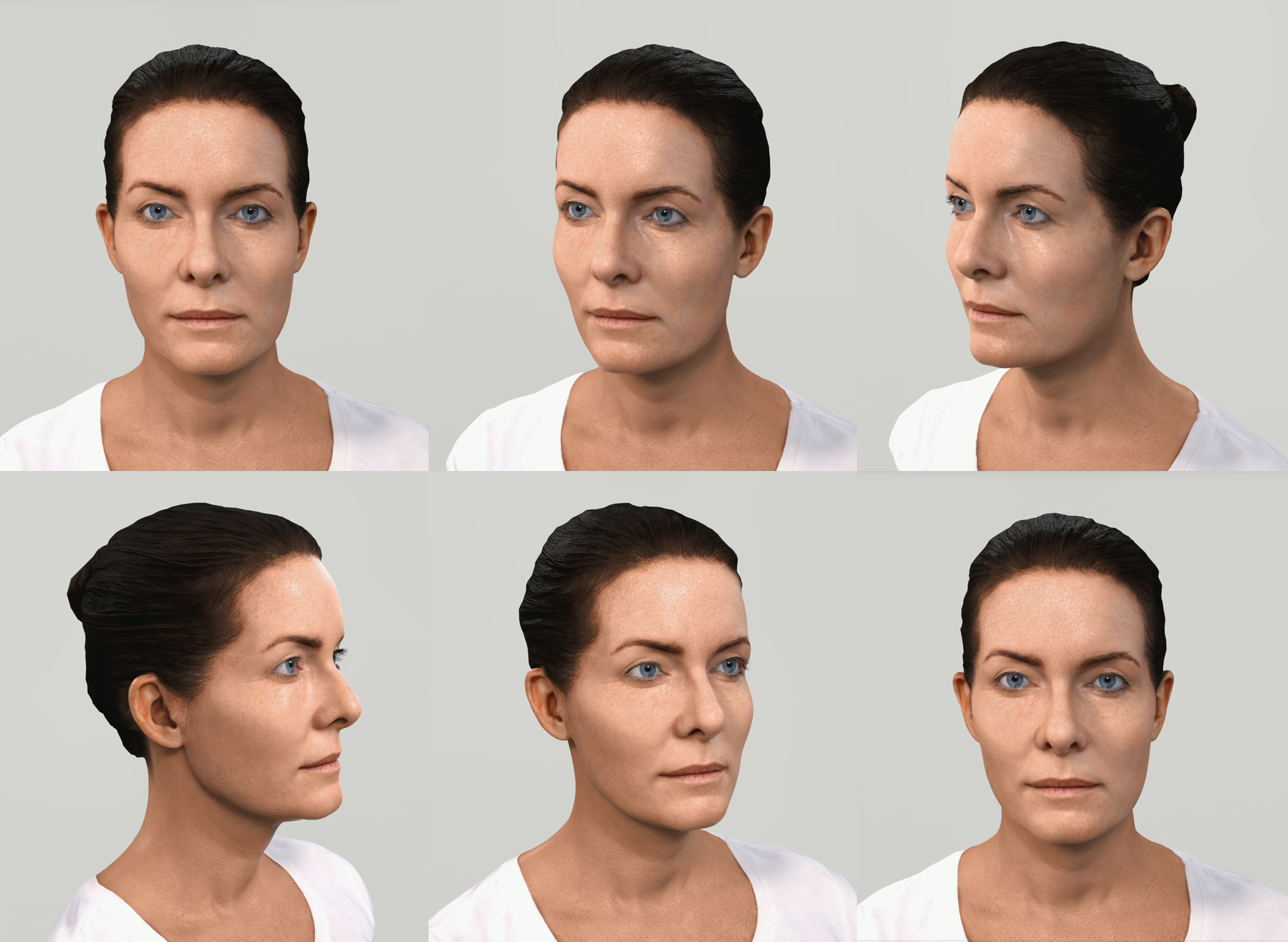
In medical work, a 3D model has to do more than look convincing. It needs to support clear communication, careful review and dependable presentation across internal teams, training environments and patient-facing material. Mimic Productions creates photorealistic character models that can be developed from scan data, reference photos or concept art, depending on what your brief and source material allow.
Our focus is on facial and body modelling with a strong sense of proportion, anatomy and surface realism. That can mean a digital person for XR demonstrations, a realistic head model for medical visualisation, or a character asset that needs to hold up under close inspection. We work with the forms, textures and maps that help the model read naturally under different lighting conditions, while keeping the handoff practical for your wider production pipeline.
Production challenges
Where medical modelling can go wrong
These are the issues teams most often need to resolve before a model is ready for use.
01
Anatomy that looks generic
A human form can appear polished but still feel wrong in proportion, expression or surface detail, which weakens trust in a medical presentation or training asset.
03
Assets that are not ready for the next stage
A model may look finished, but still need clearer texture maps, surface treatment or rigging considerations before it can be used in XR, animation or review workflows.
02
Source material that is incomplete
Medical briefs often begin with scans, reference images or concept art that do not match neatly. The modelling approach needs to accommodate gaps without inventing unrealistic detail.
What your team gets
What this approach gives your team
01
Anatomical realism
Facial and body modelling is shaped to read as human, with attention to proportion, structure and believable detail.
02
Flexible source input
Projects can start from scan data, reference photos or concept art, depending on what is available and approved.
03
Production-ready surfaces
Textures and maps are prepared to support realistic lighting, surface depth and visual clarity in downstream use.
04
Practical handoff
The output is designed to fit medical visualisation, XR or animation workflows without forcing unnecessary revision loops.
Capabilities and deliverables
Core modelling and texture support
-
- Facial and body modelling. Identify the expressions and close-up detail required by the performance.
-
- Scan-based character development. Agree subject coverage and the downstream use of the captured detail.
-
- Reference-image modelling. Shape the asset around its proportions, intended views and downstream use.
-
- Concept-art interpretation. Use approved references to keep visual decisions consistent.
-
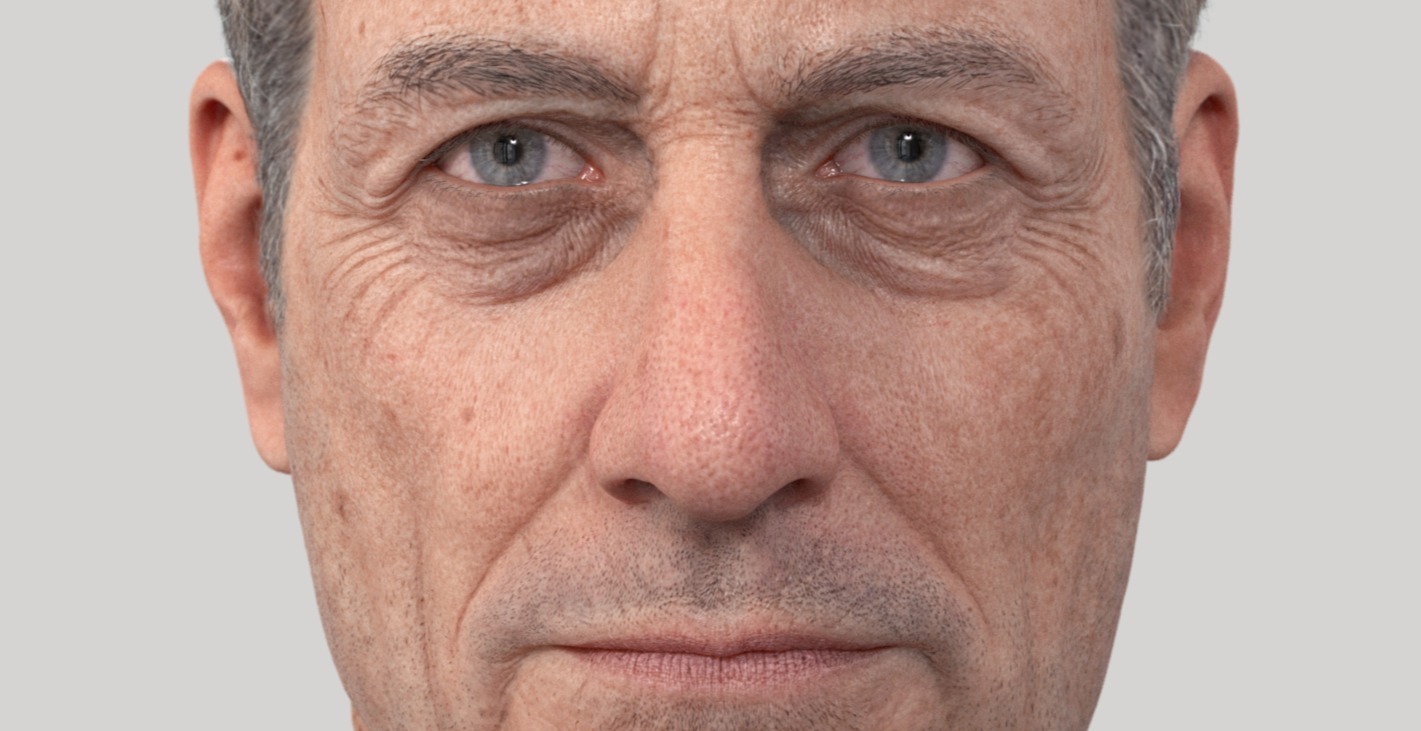
- Advanced texturing. Review surface detail under representative lighting and camera distances.
-
- Realistic skin surfaces. Identify the expressions and close-up detail required by the performance.
-
- Normal, displacement and diffuse maps. Discuss the required result and production scope during the project briefing.
-
- Gloss, specular and depth maps. Discuss the required result and production scope during the project briefing.
Production approach
Focused realism for medical use
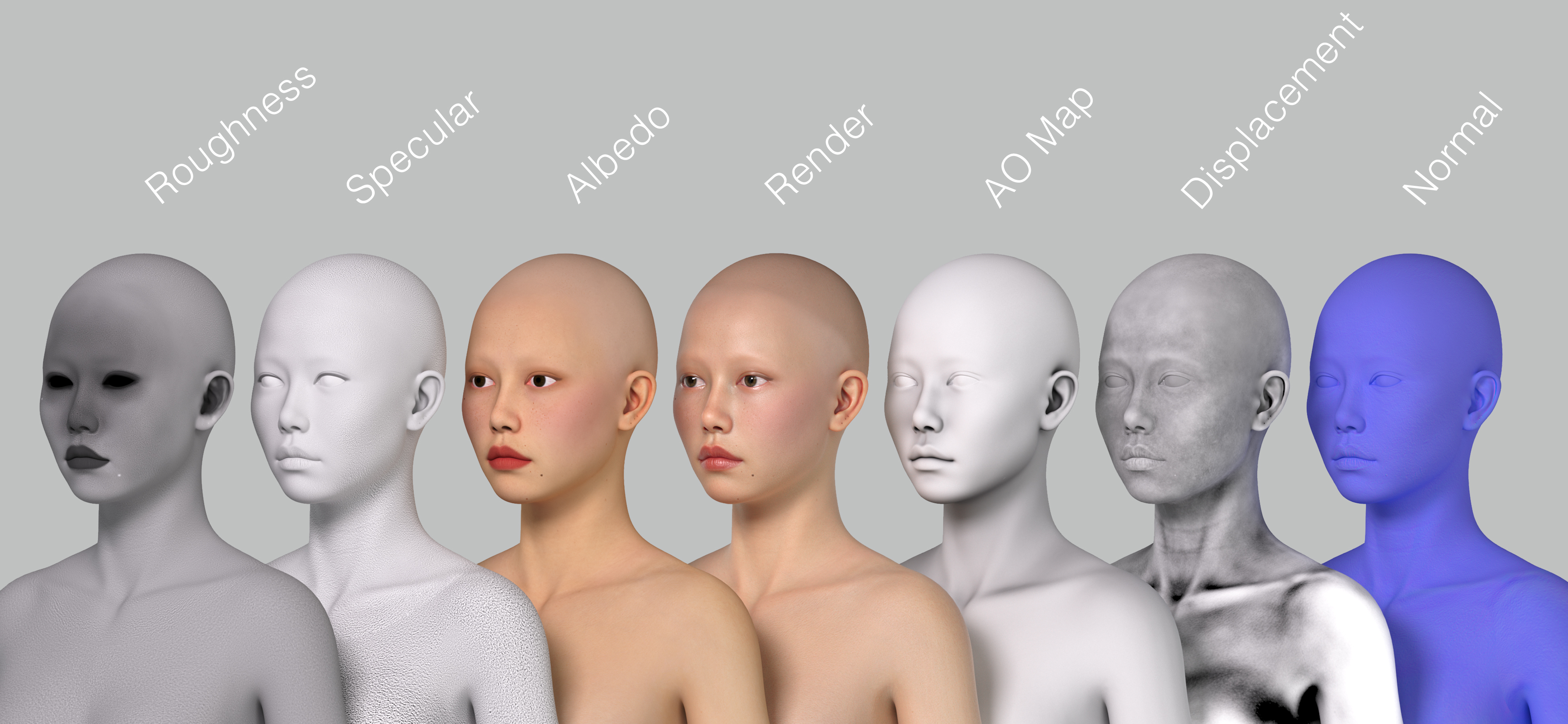
Medical modelling often asks for a careful balance between visual credibility and production practicality. Mimic Productions builds digital human assets with realistic facial and body structure, then supports them with texturing and mapping that help the surface respond naturally to light. The work can begin from scans, reference images or concept art, making it suitable for briefs where source material varies.
Because medical projects may move into XR, animation or visual review, we also think about how the asset will be used after modelling. That may include preparation for rigging, surface refinement for close viewing, or textures that hold detail without overcomplicating the workflow. The aim is a model that is convincing at presentation level and usable as part of a wider production pipeline.
For medical projects, the main question is often not whether the model looks polished, but whether it supports the purpose of the project. A surgeon demo, scientific presentation or training experience may need a different level of finish, rigging readiness or surface treatment. We shape the work around those needs, from early sculpting through texturing and map preparation, so the asset can move into your next stage without unnecessary rework.
Provide reference views, intended camera distance and any existing scans or concept art. Agree the model’s proportions, surface detail and downstream rigging requirements so reviews assess the asset in the context in which it will actually appear. For medical communication, supply approved subject references and arrange review by your subject-matter team for anatomical and explanatory accuracy.
Explore our 3D Modeling services and Medical Visualisation production.
Related production services: Character Rigging for Medical Visualisation · 3D Rendering for Medical Visualisation · 3D Modeling for XR.


How we work
How a project typically moves forward
01
Define the medical use
We start with the intended context, whether that is visualisation, training, XR or a presentation asset, so the modelling scope reflects the real purpose.
02
Assess the source material
Scan data, reference images or concept art are reviewed for completeness, consistency and what can realistically be built from them.
03
Model and texture
The character is sculpted with facial and body detail, then textured and mapped so the surface reads naturally in context.
04
Prepare for handoff
If the model needs to move onward, we shape the output with the next stage in mind, including rigging considerations and production readiness.
Frequently asked questions
Frequently asked questions
Can you start from scans or reference images?
Yes. The modelling workflow can begin from scan data, reference photos or concept art. The right starting point depends on what your team already has and how complete it is. We adapt the modelling approach to the material rather than forcing one fixed input method, which helps keep the result aligned with the brief.
Is this suitable for patient-facing or internal medical use?
It can support both, provided the brief is set correctly. Some projects need a more polished visual presentation, while others are built for internal training or review. We focus on believable human form and practical output, but the final use still needs to be defined by your team and any compliance requirements you are working to.
Do you only model faces?
No. The service covers both facial and body modelling. Facial work is useful when expression or head detail matters, while body modelling supports proportion, posture and overall anatomical presence. Many medical briefs need a combination of both, especially where a digital person must hold up under close visual inspection.
Can textures and maps be supplied with the model?
Yes. Texturing and mapping are part of the service offering, including normal, displacement, diffuse and other relevant maps. These help the model behave more convincingly under different lighting conditions and make it easier to use in later production stages. The exact package depends on the project requirements.
Is the model ready for rigging?
The modelling workflow can be prepared with rigging in mind, and Mimic also points to rigging as a follow-on service. That means the model can be shaped to support natural movement and facial control later on. If rigging is part of your plan, it should be discussed early so the asset is built accordingly.
What makes this relevant for medical teams?
Medical work often depends on clear communication and a believable human form. A model that feels anatomically grounded can support XR demonstrations, scientific presentations and related visual material. The value is in getting a precise, practical asset that fits the production context without drifting into generic character work.
Frequently asked questions