.png)


Hair / Cloth for Medical
Character detail for medical visuals that need clarity
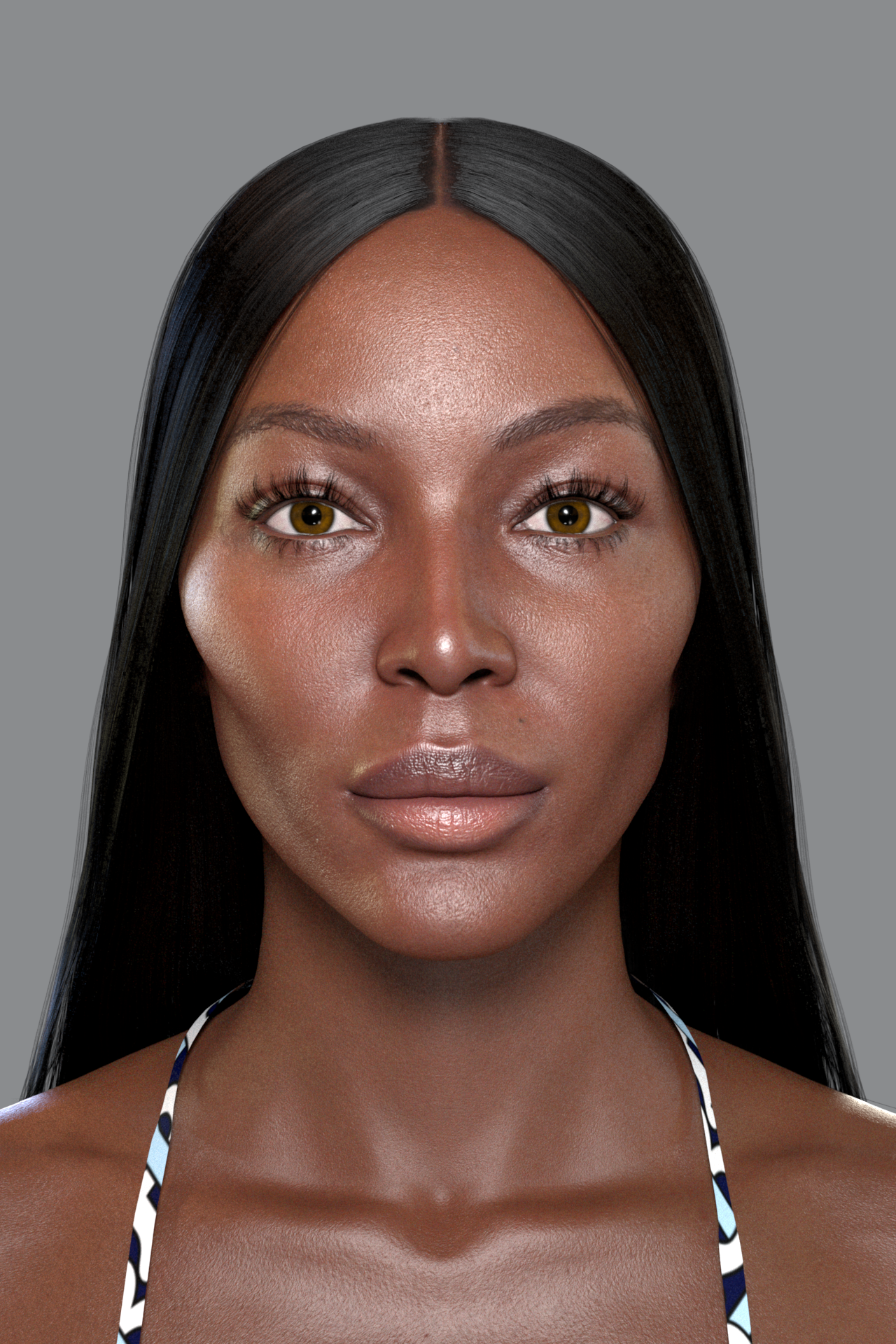
Medical projects often ask a character to carry a large amount of information. When the body, clothing and grooming feel believable, the scene is easier to read and the audience can focus on the clinical point rather than the production details. Our hair and cloth work supports medical character creation, digital doubles and XR scenes where appearance needs to sit comfortably beside anatomy, movement and technical context.
We create 3D hair simulation and 3D cloth simulation for projects that need either cinematic realism or performance-aware real-time output. Hair can be simulated strand by strand, driven with bones for smoother playback, or kept non-dynamic for short and stylised looks. Cloth can be fully simulated for natural folds and motion, or rigged to the animation body when the workflow calls for efficiency. For medical use, that gives teams practical options for teaching, patient communication, product explanation and immersive presentations.
Production challenges
Common production pressures
Medical character work needs realism, but it also needs control, readability and practical handoff.
01
Motion that supports the message
Hair and fabric should not distract from the anatomy, procedure or explanation. We shape simulation so movement feels believable while staying secondary to the scene’s purpose.
03
Different looks for different contexts
A surgical reference, a patient education piece and a research prototype may all need different levels of realism. We help define whether the project needs full simulation, rigged control or a restrained groom.
02
Performance for real-time delivery
XR, AR and interactive medical tools often need assets that remain responsive in engine. We can optimise hair and clothing for real-time workflows without losing visual credibility.
What your team gets
What this adds to medical production
01
More believable characters
Hair and cloth help medical avatars and digital doubles feel grounded in a real environment.
02
Clearer visual focus
Well-managed motion keeps attention on the body, action and message, not on distracting artefacts.
03
Flexible asset planning
Choose between full simulation, rigged setups and real-time approaches according to use.
04
Better handoff to technical teams
We prepare hair and clothing with downstream review, engine use or animation integration in mind.
Capabilities and deliverables
Relevant simulation options
-
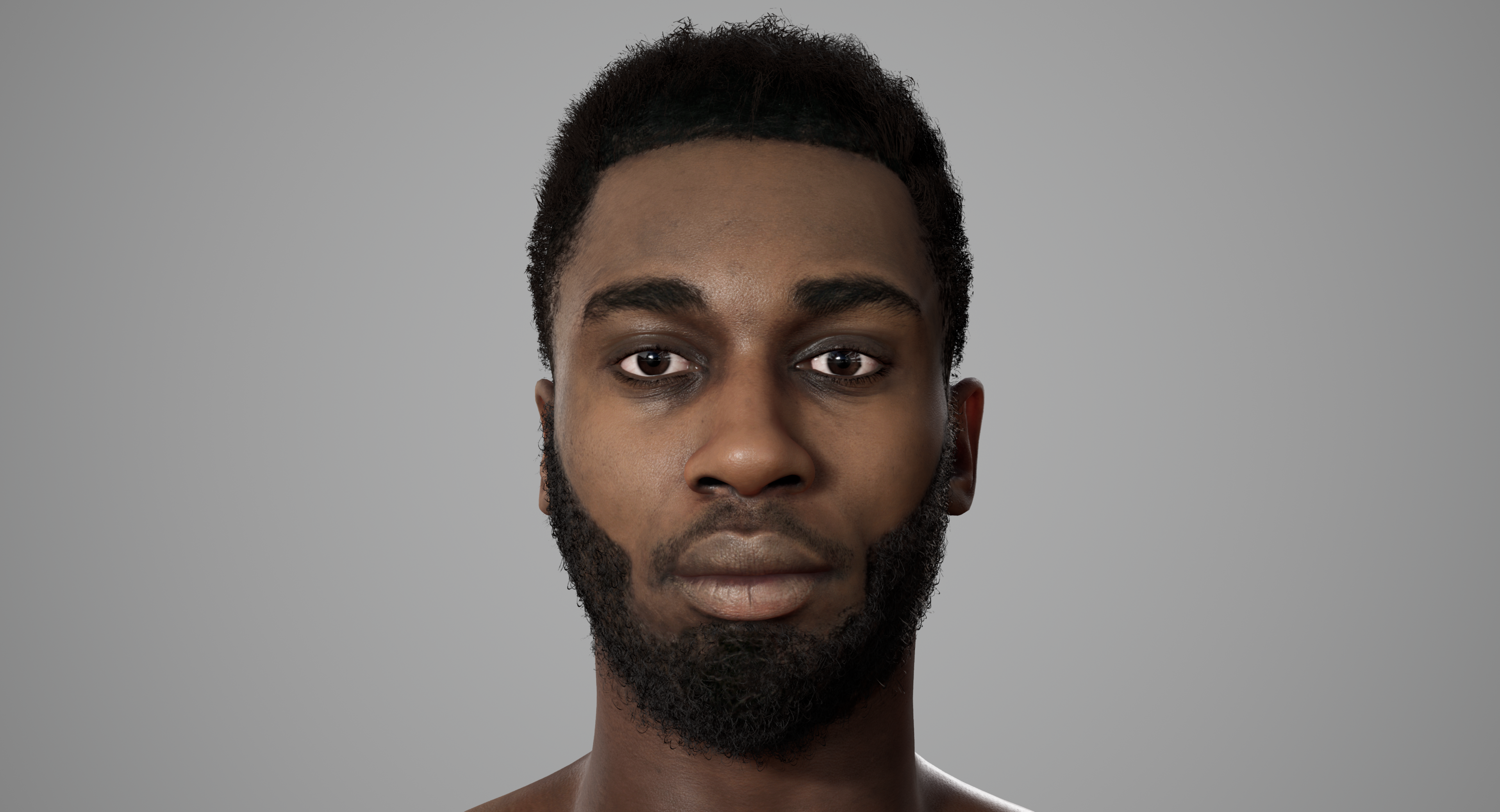
- 3D hair simulation. Define the silhouette, density and behaviour needed in close-up and motion.
-
- Bone-driven hair. Define the silhouette, density and behaviour needed in close-up and motion.
-
- Non-dynamic rigged hair. Review proportions, range of movement and the animation handoff.
-
- 3D cloth simulation. Review fit, movement and intersections against the garment reference.
-
- Rigged cloth / smooth skin. Review proportions, range of movement and the animation handoff.
-
- Real-time optimisation for Unreal. Discuss the target application and practical performance constraints.
-
- Real-time optimisation for Unity. Discuss the target application and practical performance constraints.
-
- Character and digital double support. Set a clear scope and review sequence with your production team.
Production approach
Built for medical review, training and XR
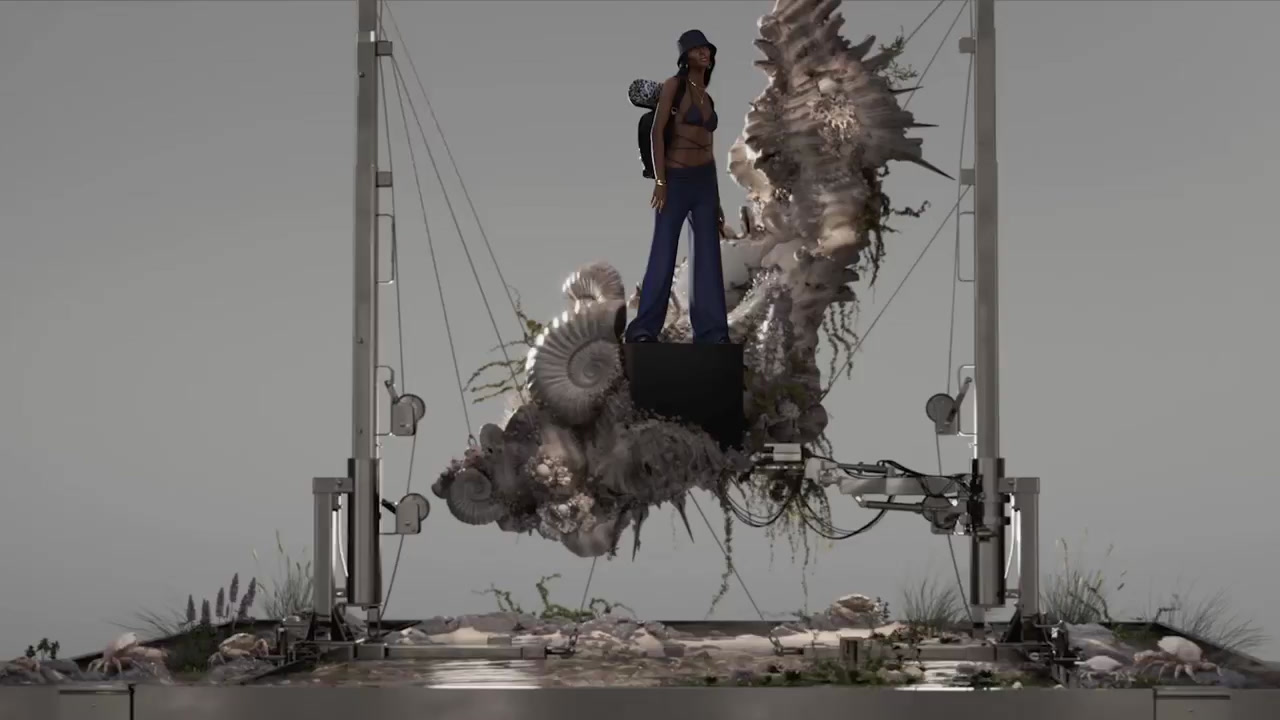
Medical visuals often need to balance realism with restraint. A garment fold or a strand of hair may seem secondary, but in character-driven healthcare scenes those details affect how credible the person feels and how clearly the audience reads the action.
Our process begins with the production target. If the asset is for close-up animation or film-style review, we can create more expressive hair and cloth simulation. If the scene is destined for real-time medical training or an interactive demo, we can keep the setup lighter and more efficient. We also account for the practical realities of medical workflows, including iterative feedback and platform constraints.
Because medical production often involves approval loops, cross-disciplinary review and clear visual expectations, we help teams choose a method that matches the intended use. A training scene may need clothing that responds convincingly to posture and movement. A patient-facing animation may need groomed hair that reads well in close-up. An XR or real-time asset may need controlled simulation that preserves quality while remaining responsive in engine.
Provide grooming and garment references together with the character’s planned movement. Review the silhouette in still poses and in motion, and discuss intersections, material appearance and the requirements of the target rendering or real-time pipeline. For medical communication, supply approved subject references and arrange review by your subject-matter team for anatomical and explanatory accuracy.
Explore our Digital Hair and Clothing services and Medical Visualisation production.
Related production services: 3D Modeling for Medical Visualisation · 3D Animation for Medical Visualisation · Digital Hair and Clothing for XR.


How we work
How we approach a project
01
Define the use case
We start by understanding where the asset will be seen, whether that is film, training, review or a real-time medical environment, and what level of motion detail is useful.
02
Choose the right setup
Based on style and platform, we recommend full hair or cloth simulation, rigged control, or a simplified real-time-friendly solution that still fits the character.
03
Build and test motion
We shape the simulation against the character rig and check how hair and fabric behave in motion, with attention to readability and practical performance.
04
Prepare for handoff
We deliver the asset with its intended downstream use in mind, so animation, engine teams or visual reviewers can continue the work with fewer surprises.
Frequently asked questions
Frequently asked questions
Is hair and cloth simulation useful in medical visuals if the asset is not a fashion or lifestyle character?
Yes. In medical production, hair and clothing help a person feel credible and appropriately dressed for the setting. That matters in training scenes, patient-facing explanation, virtual consultations and XR environments where the viewer is looking for clarity, trust and a convincing human presence.
Do you always need full simulation for medical character work?
No. Full simulation is only one option. For some medical assets, rigged hair or rigged cloth is a better fit because it is easier to control and more efficient to run. We recommend the method that suits the scene, platform and approval needs rather than defaulting to the most complex setup.
Can this work for real-time medical applications?
Yes. We can optimise hair and clothing for real-time output, including Unreal and Unity workflows mentioned in our service material. That is useful when the asset needs to remain responsive in interactive training, AR or XR, while still looking believable enough for professional presentation.
How do you handle clothing on a digital double in a medical scene?
We treat clothing as part of the character setup, not as a decorative extra. The garment may be fully simulated for natural folds, or rigged to follow the body efficiently. The choice depends on how much motion is needed, how close the camera gets and where the asset will be used.
Can you support medical projects that involve both visualisation and character development?
Yes. Our medical source text refers to character creation and motion capture, while the hair and cloth service covers realistic grooming and garments. That means we can support a project where the character needs to read well visually and also behave appropriately in motion for review or explanation.
What should a medical team prepare before starting?
It helps to define the final use case, target platform, clothing type, hair style and whether the asset needs cinematic or real-time handling. If the scene is for research, training or patient communication, we also need to know how much realism is helpful and where simplicity will improve usability.
Frequently asked questions
Frequently asked questions
If your medical project needs hair and cloth that support clarity, realism and practical delivery, we can help define the right setup and build for the intended platform. Explore the medical service overview or the hair and cloth service to start planning.