.png)
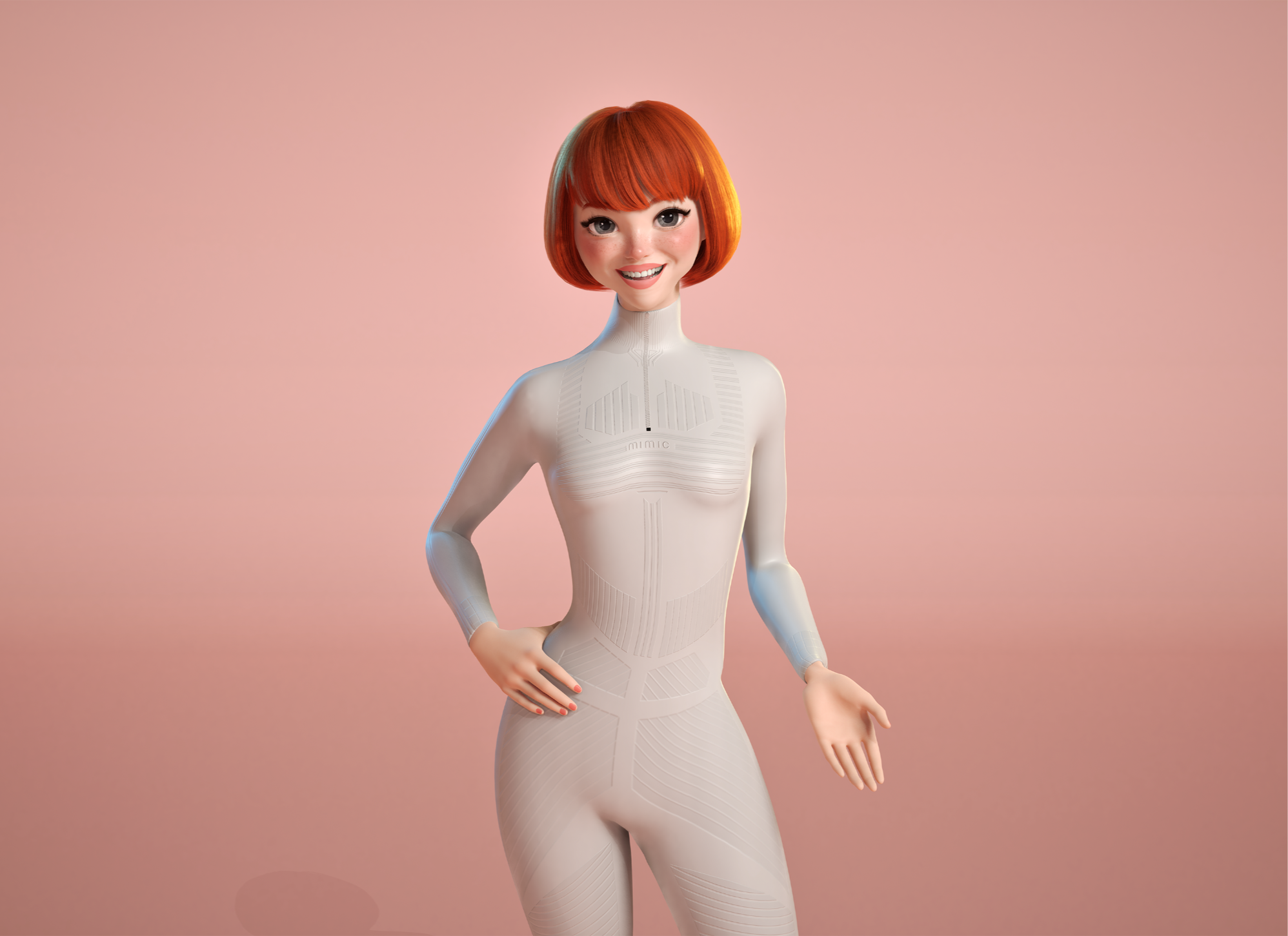


Rendering for influencer projects
Make digital personalities feel present on screen
For influencers, rendering is not just about polished frames. It is the stage where a digital persona gains weight, texture, mood and presence, so audiences read it as a character with intent rather than a static asset. Mimic Productions brings rendering into the broader character pipeline, combining lighting, shading, camera animation and compositing to help influencer projects look believable in motion. That matters when the brief is more demanding than a single hero image. A virtual brand ambassador may need to appear in social clips, live moments, AR activations or hybrid live-digital content. Each format changes the demands on frame quality, timing, background integration and delivery. We help plan the rendering approach around the use case, whether the work is smaller in-house output or larger productions that need external render farm coordination. Our Berlin team works with influencer projects that rely on real-time presence, digital performance and strong visual identity. The aim is practical: render the character so it fits the platform, the shot design and the intended audience, while keeping the process aligned with the wider production pipeline.
Production challenges
What usually slows influencer renders
Digital creator work often needs more than attractive frames. The common blockers are technical, editorial and delivery-related.
01
Keeping the avatar believable across formats
Influencer content may need to move from short social edits to live performances or branded cut-downs. Rendering has to preserve identity, lighting and facial detail while adapting to different outputs without making the character feel inconsistent.
03
Integrating the character into mixed footage
When a digital influencer appears beside live-action plates, compositing and camera animation become part of the rendering decision. The scene has to sit together naturally, with matched perspective, lighting and final integration.
02
Balancing realism with time and budget
A high-detail character can be expensive to render if the pipeline is not planned properly. We assess project requirements early, then choose an approach that fits the scale of the work instead of overbuilding every frame.
What your team gets
Why teams bring rendering to Mimic
01
Character-first quality
Rendering is shaped around the digital person, so materials, light and camera support the personality rather than overpower it.
02
Flexible production setup
We can handle in-house rendering for smaller jobs or coordinate external render farms for larger output needs.
03
Support for hybrid content
Our workflow suits live-digital, composited and performance-led influencer formats where the final frame must feel coherent.
04
Planning that matches delivery
We align rendering choices with the intended channel, whether the output is for social media, a live event or a branded activation.
Capabilities and deliverables
Rendering support we can apply
-
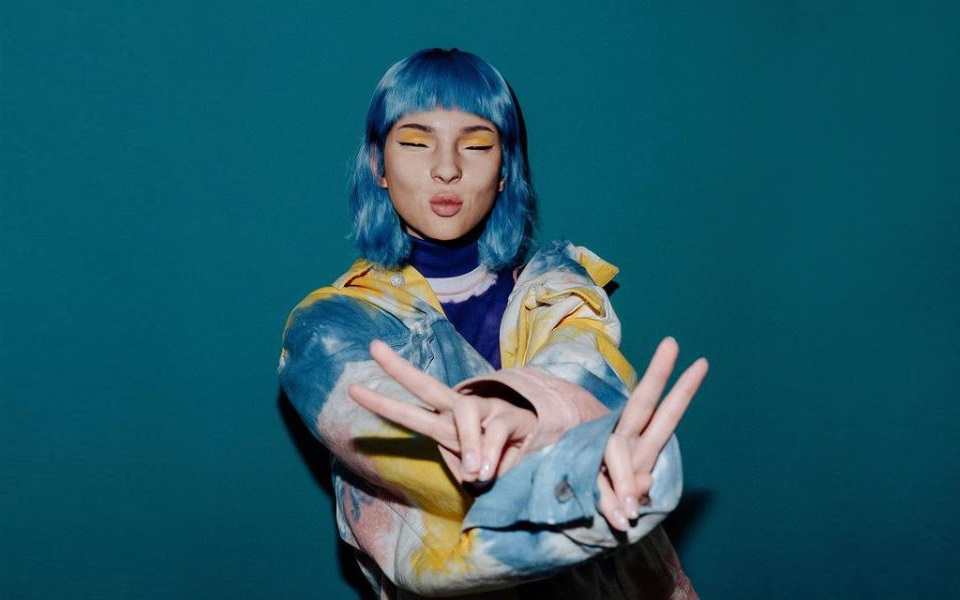
- Lighting for digital humans and avatars. Review illumination and contrast against the intended visual reference.
-
- Camera animation for social and cinematic shots. Plan framing and movement around the subject and viewing format.
-
- Head tracking for live-action integration. Discuss how digital elements should sit within the surrounding footage.
-
- Compositing for mixed live-digital scenes. Discuss how digital elements should sit within the surrounding footage.
-
- Materials and shading refinement. Review surface detail under representative lighting and camera distances.
-
- Render planning for smaller or larger productions. Agree the visual target, review stages and final output requirements.
-
- Face replacement support where documented. Identify the expressions and close-up detail required by the performance.
-
- Virtual performance output for influencer formats. Plan the session around action references and performance requirements.
Production approach
How the rendering stage fits influencer production
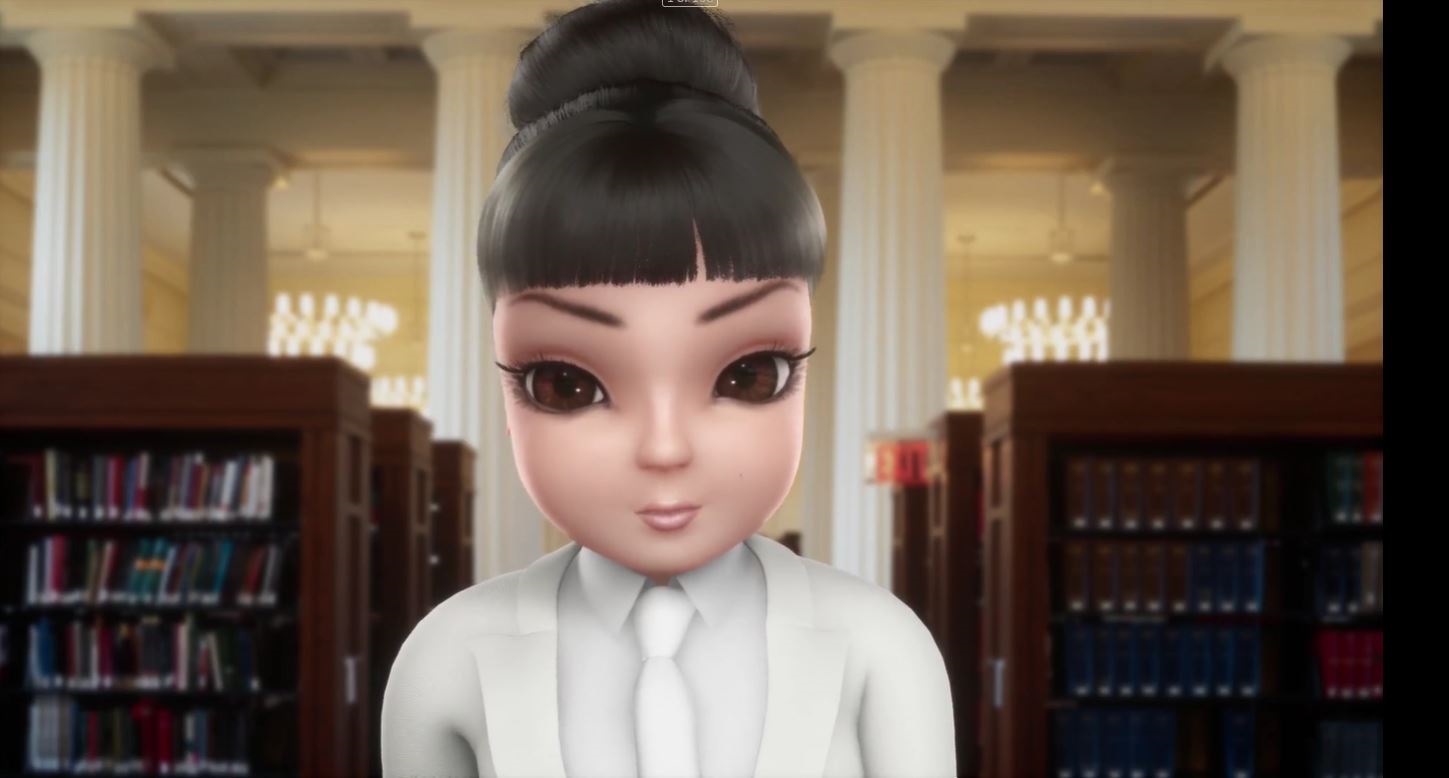
In influencer work, rendering sits at the point where technical accuracy meets audience perception. The frame has to do more than look finished. It must preserve facial identity, movement and tone so the digital personality remains readable on screen. That is why our approach considers the whole character pipeline, not just the last export.
For some projects, the priority is photoreal output. For others, it is a stylised result that still feels grounded in the brand’s visual language. We work on lighting, camera design and compositing to support that brief, then choose the rendering path that best suits the scope. If the project involves live-action footage, head tracking and final compositing can help the digital character sit naturally inside the scene. The result is a practical production process that supports social, live and branded influencer content.
Provide the intended shot list, reference lighting and final presentation format. Review framing, materials and exposure together, then agree the animation, compositing and output requirements before committing to final frames. For a virtual creator, share identity guidelines, recurring expressions and the formats used across the planned content series.
Explore our 3D Rendering services and Virtual Influencers production.
Related production services: 3D Modeling for Virtual Influencers · Digital Hair and Clothing for Virtual Influencers · 3D Rendering for Advertising.


How we work
Typical route from scene to final frame
01
Review the brief and target format
We begin by checking the output type, audience and delivery channel so the rendering plan suits the real use case.
02
Shape the visual setup
Lighting, camera motion, materials and shading are aligned with the character design before final rendering begins.
03
Render and refine
Frames are produced with the right quality balance, and larger jobs can be coordinated through external render farms if required.
04
Finish with compositing
If the asset needs live-action integration, our compositors bring the elements together so the result feels coherent.
Frequently asked questions
Questions teams ask before commissioning
Is rendering enough to make an influencer avatar ready for audience interaction?
Rendering creates the visual result, but it does not by itself provide a conversational backend or live interaction system. For influencer work, it is one part of the pipeline alongside character production, animation, possible AI voice integration and any live-streaming setup the project requires.
Can you render for both short-form social content and longer live pieces?
Yes, but the workflow should be planned around the format. Short social clips may prioritise speed and consistency, while live or hybrid content may require closer coordination between rendering, camera design, motion capture and compositing so the character holds up in real time or near-real time use.
Do you only handle photoreal influencer visuals?
No. Our work includes photorealistic rendering, but also lighting and camera work for cinematic projects and digital humans. That means the output can be shaped to the project’s visual identity, provided the brief is realistic about what the character needs to communicate.
Can rendering help if an avatar appears with live-action footage?
Yes. The service source specifically describes head tracking and compositing for integrating a digitally rendered face into live-action footage. That is useful when the influencer needs to appear inside mixed media scenes rather than as a standalone digital render.
Do you provide the full influencer pipeline?
The influencer source describes a broader studio pipeline including 3D scanning, rigging, animation, AI voice integration and live-streaming setup. Rendering is one part of that workflow, so the final scope depends on what your project actually needs and what already exists.
How do you decide between in-house rendering and render farm support?
We assess the project requirements first. Smaller jobs can stay in-house, while larger productions may need external render farm coordination. The point is to match the rendering method to the scene complexity and delivery deadline without building unnecessary overhead into the production.
Frequently asked questions