.png)
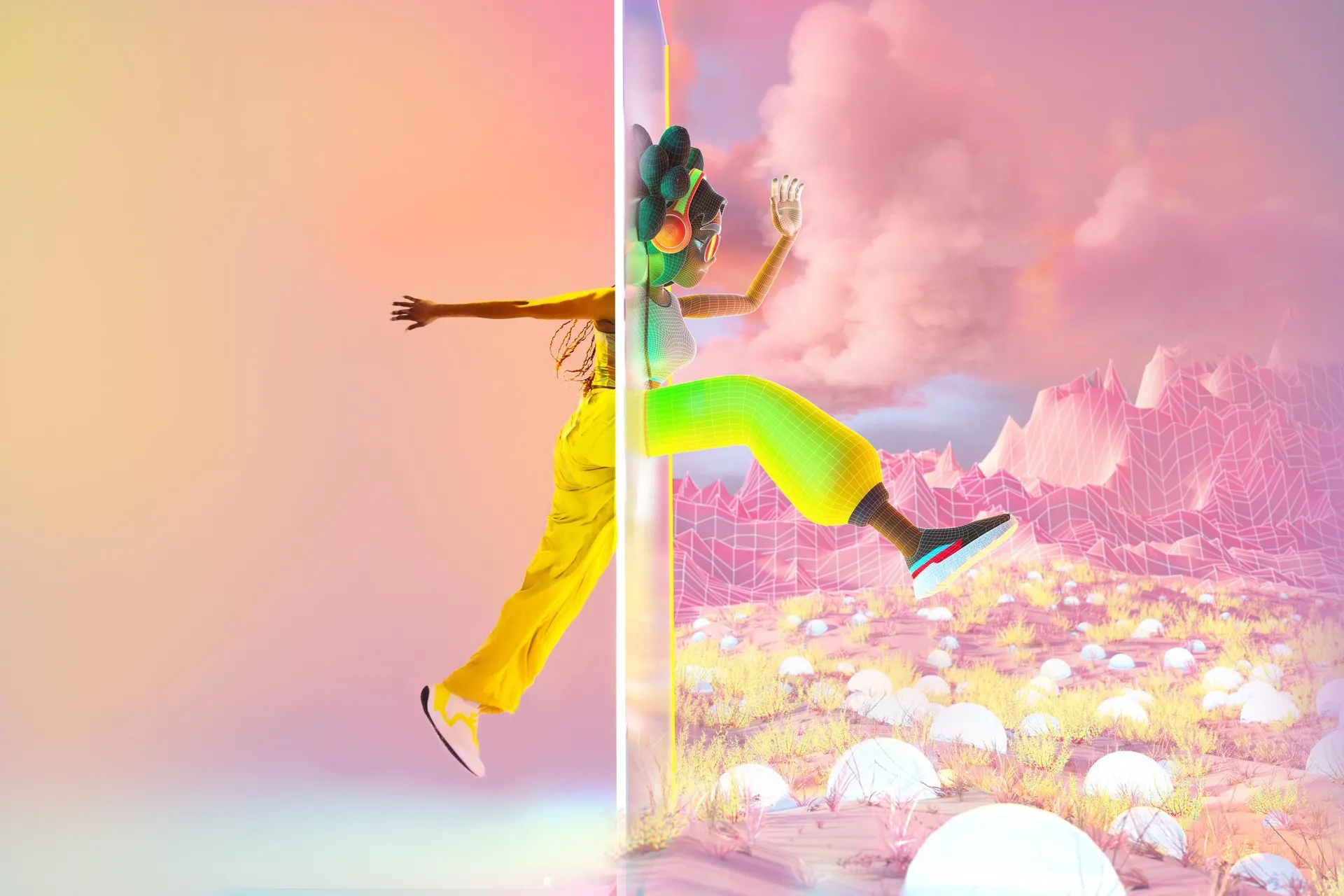


Hair and cloth simulation for influencers
Movement that fits the personality
For influencers, appearance is only part of the performance. Hair and clothing also need to support expression, brand identity, and the way a digital character appears on camera. Mimic Productions creates 3D hair simulation and 3D cloth simulation for influencer-led characters, virtual brand ambassadors, and digital doubles that need to feel believable in motion.
Our Berlin-based team works across cinematic and real-time workflows, using the right approach for the project rather than forcing every character through the same setup. Full hair simulation can support dynamic strand movement for close-up realism. Bone-driven hair can suit faster real-time use. Non-dynamic hair, or rigged skin binding, works well for short or stylised looks where stability matters more than strand-level motion. For clothing, we build cloth behaviour that follows the body naturally, from flowing fabrics to heavier materials, and we can also rig garments directly to animation when a lighter real-time setup is needed.
Production challenges
Common production pressure points
Influencer characters often need a practical simulation plan as much as a visual one.
01
Looks that must hold on mobile
Hair and cloth need to read clearly in short-form social content, even when the character is seen quickly or at small screen sizes.
03
Style consistency across content
A digital influencer can appear in many contexts, so simulation has to match the brand look without becoming difficult to maintain.
02
Real-time performance limits
Live setups and interactive formats may need lighter rigs, weighted cloth, or bone-driven hair to stay responsive in engine.
What your team gets
What this adds to an influencer pipeline
01
Natural motion
Hair and fabric follow movement in a way that supports the character’s personality.
02
Better format choice
We can recommend cinematic or real-time approaches based on the intended platform.
03
Efficient rigging options
When needed, we use lighter setups for smoother playback and simpler production.
04
Cleaner handoff
The simulation setup is built to fit animation, rendering, and deployment needs.
Capabilities and deliverables
Relevant production methods
-
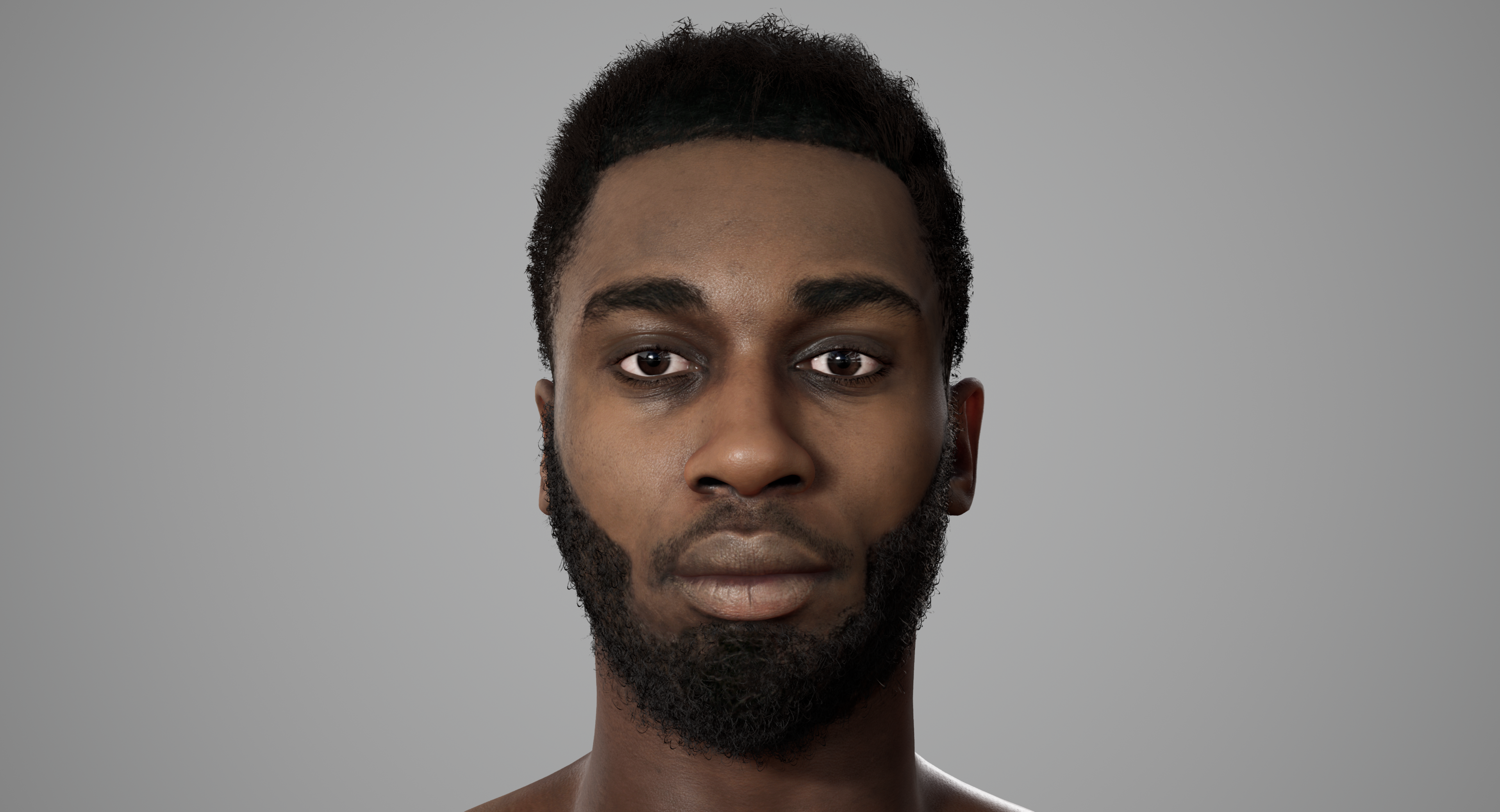
- Full 3D hair simulation. Define the silhouette, density and behaviour needed in close-up and motion.
-
- Bone-driven hair for real-time use. Define the silhouette, density and behaviour needed in close-up and motion.
-
- Non-dynamic hair and rigged skin binding. Review proportions, range of movement and the animation handoff.
-
- Advanced 3D cloth simulation. Review fit, movement and intersections against the garment reference.
-
- Rigged cloth and smooth skin weighting. Review proportions, range of movement and the animation handoff.
-
- Real-time optimisation for Unreal and Unity. Discuss the target application and practical performance constraints.
-
- Character support for live and social formats. Confirm the receiving pipeline, file requirements and review responsibilities.
-
- Hair and cloth guidance by style and budget. Define the silhouette, density and behaviour needed in close-up and motion.
Production approach
Built for the way influencer content is actually used
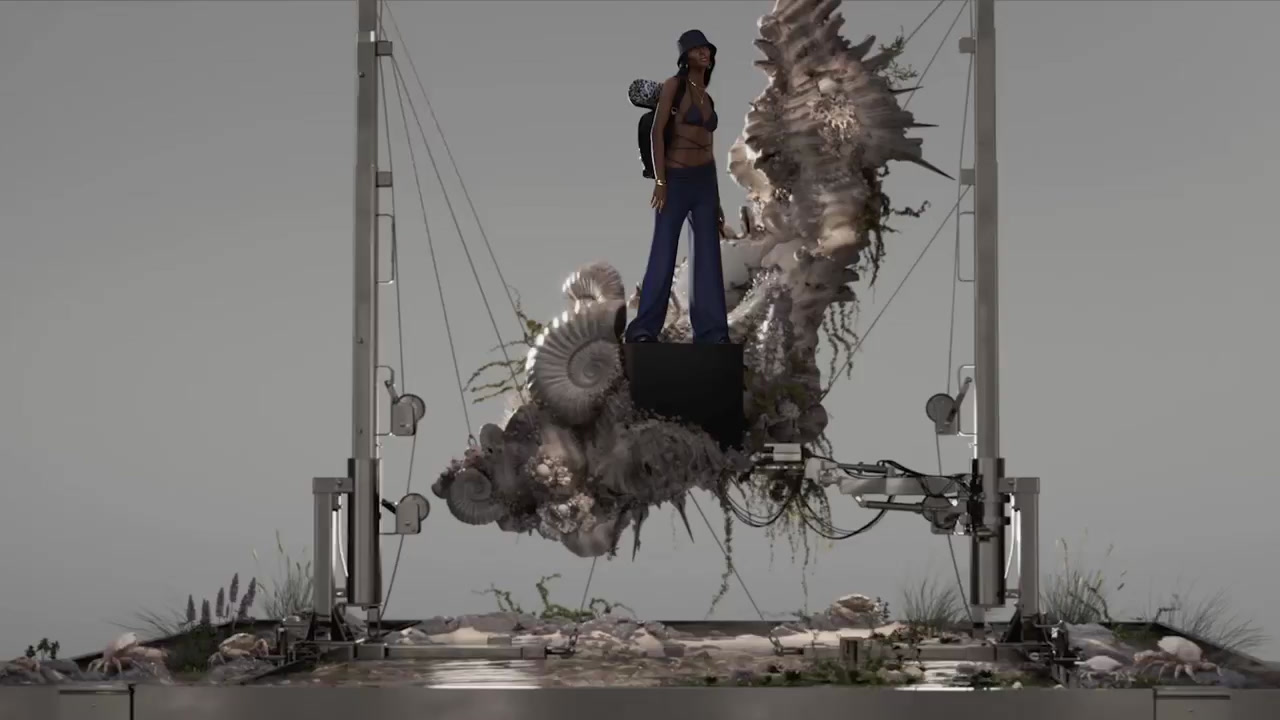
Influencer productions are rarely one-off assets. They are part of an ongoing content system that may include social posts, live appearances, branded campaigns, and event-led performances. Our hair and cloth work is designed to sit inside that reality.
We can support a photoreal digital twin with simulation that behaves naturally under camera movement, or a more stylised avatar where control and consistency matter more than strand-by-strand complexity. For real-time delivery, we adapt the setup so clothing and hair remain practical in engines such as Unreal and Unity. For cinematic work, we can aim for richer movement and closer surface detail. The important point is choosing the right level of simulation for the character, the shot, and the channel.
That flexibility matters in influencer production because each delivery format has different demands. A social clip, a live event, a virtual fashion activation, and a metaverse appearance do not all need the same level of simulation. We help define what needs to move, what can stay controlled, and where the balance should sit between realism, speed, and platform limits. The result is hair and clothing that support the character rather than distracting from it.
Provide grooming and garment references together with the character’s planned movement. Review the silhouette in still poses and in motion, and discuss intersections, material appearance and the requirements of the target rendering or real-time pipeline. For a virtual creator, share identity guidelines, recurring expressions and the formats used across the planned content series.
Explore our Digital Hair and Clothing services and Virtual Influencers production.
Related production services: 3D Modeling for Virtual Influencers · 3D Animation for Virtual Influencers · Digital Hair and Clothing for Advertising.


How we work
How we approach a build
01
Define the use case
We review the delivery format, visual style, and whether the character needs cinematic motion, live performance support, or a lighter real-time setup.
02
Choose the right simulation method
Hair and cloth can be fully simulated, partially rigged, or simplified for performance depending on the platform and look.
03
Test movement and control
We check how garments and hair respond to body motion, camera framing, and engine requirements before handoff.
04
Prepare for deployment
The final setup is delivered so animation, rendering, or real-time integration can continue with fewer surprises.
Frequently asked questions
Questions clients often ask
Do you only create photoreal hair and cloth?
No. We work with both realistic and more controlled stylised approaches. Some influencer characters need strand-level motion and detailed garment folds, while others need a cleaner rigged setup that is easier to manage in real time. The right choice depends on the character design and the intended platform.
Can you support live or interactive influencer content?
Yes, where the project calls for it. The service includes real-time optimisation for environments such as Unreal and Unity, and that can be useful for live performances, AR activations, or interactive brand moments. The final scope still depends on how the character will be used and what the production pipeline can support.
What if the character has short or stylised hair?
In those cases, full strand simulation is not always the best option. We can use non-dynamic hair or rigged skin binding where it better suits the hairstyle, keeps the look controlled, or helps the project run more efficiently. That approach is often practical for stylised influencer avatars.
Can you handle the clothing as well as the hair?
Yes. Hair and cloth are both part of the same character presentation, and we treat them that way. Clothing can be simulated for softer movement or rigged directly to the body when the production needs a lighter, more stable solution. We select the method based on the garment and the delivery format.
Do you provide the AI voice or conversation system for avatars?
Not through this service alone. The influencer page mentions AI voice integration and live-streaming setup in a broader pipeline, but hair and cloth work focuses on the character’s visual behaviour. If an avatar also needs conversational functionality, that has to be planned as a separate part of the production stack.
How do you decide between cinematic and real-time workflows?
We look at where the character will appear, how often it will be reused, and what kind of motion is needed. If the priority is detail for close-up content, a cinematic route may fit better. If the character must perform live or inside an engine, we usually keep the setup more efficient so it remains practical to run.
Frequently asked questions