


Hair and cloth simulation for events
Make characters feel present in live and immersive settings
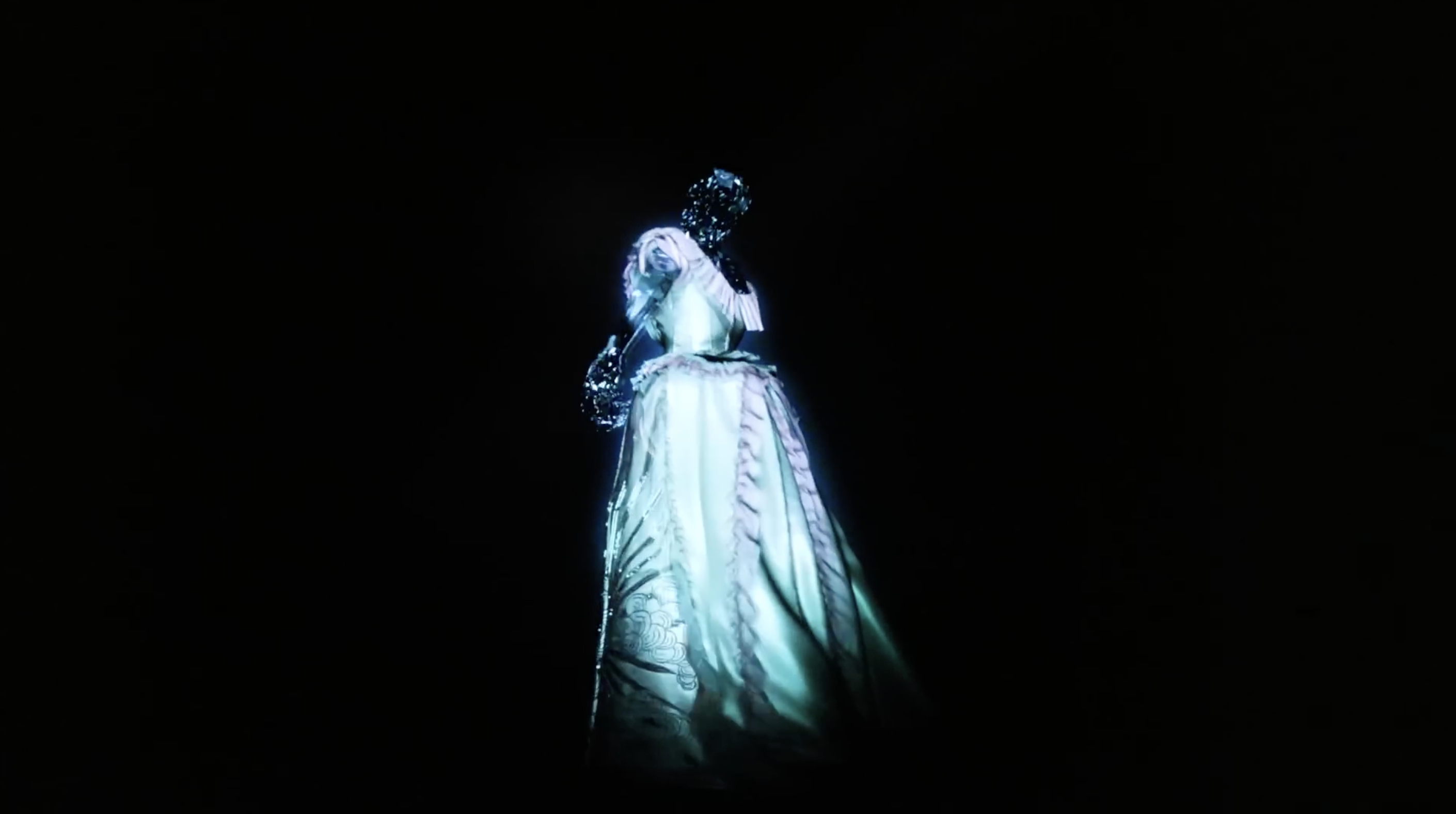
Events ask digital characters to hold attention immediately. Whether the format is a virtual fashion show, a museum installation, a live XR presentation or another audience-facing experience, hair and clothing need to read as believable at a glance and remain stable under changing camera moves and scene demands. That is where our 3D hair and cloth work supports event production.
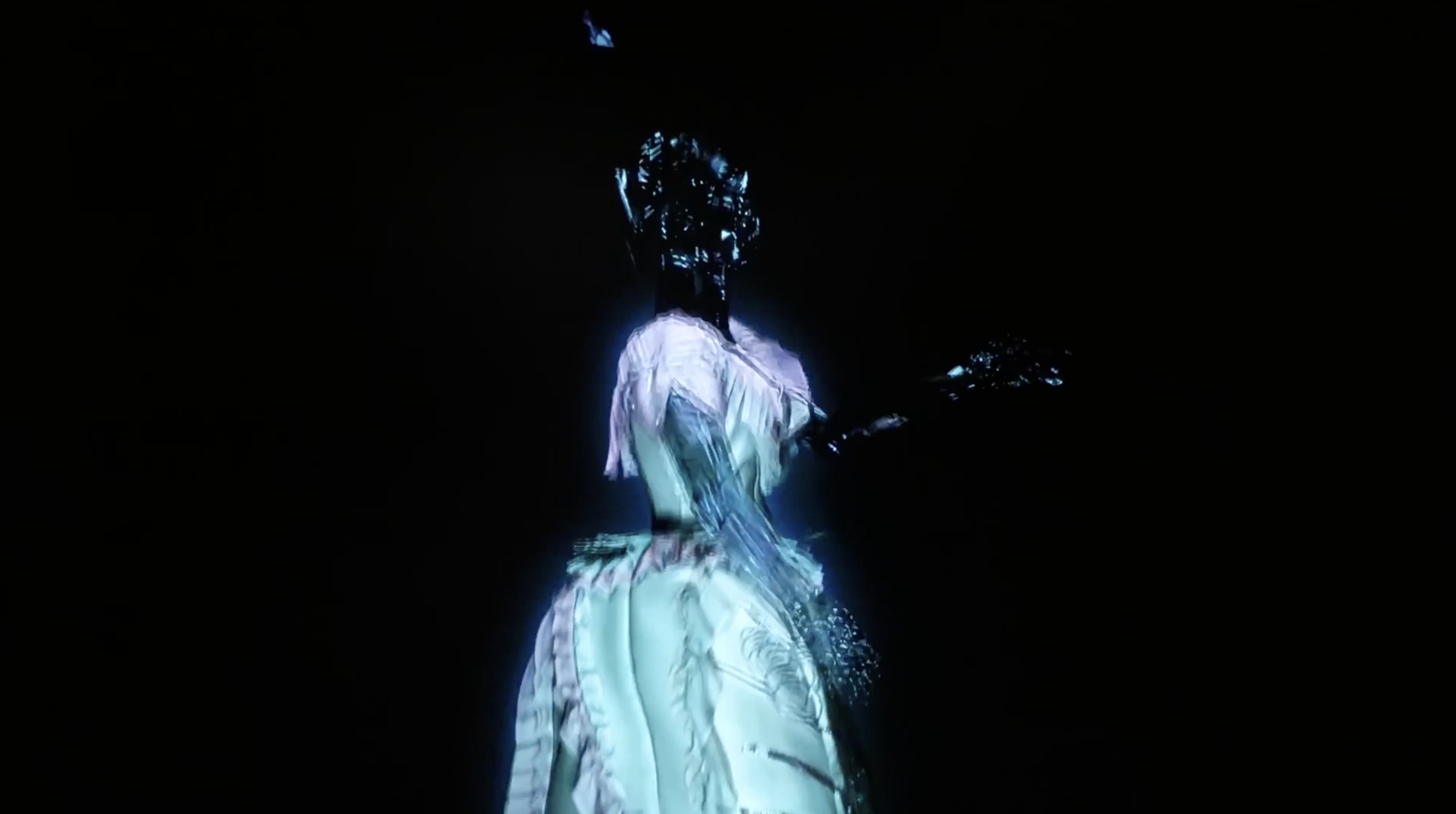
At Mimic Productions in Berlin, we build hair and clothing simulation for characters, avatars and digital doubles using approaches that suit the style and technical target of the project. Full simulation can give strand-level motion for cinematic scenes. Bone-driven or rigged hair is useful when you need lighter performance in real-time environments. Non-dynamic hair can suit shorter or stylised looks where control matters more than simulation depth. For clothing, we create cloth that folds, flows and responds naturally, from lighter fabrics to heavier garments, and we can rig garments directly to the animation for efficient real-time use.
Production challenges
Common production pressures
Event formats compress decisions, so hair and cloth must stay reliable across creative and technical constraints.
01
Real-time deadlines
Live or interactive events often need assets that perform in a fixed runtime, with predictable movement and manageable complexity.
03
Pipeline fit
The simulation has to work with the show’s delivery path, whether that means engine-ready assets or a rendered sequence.
02
Camera-facing realism
Audience attention is immediate, so hair and garments need to hold up under close framing and repeated viewing.
What your team gets
What this adds to an event build
01
Appropriate motion
Choose simulation depth that matches the look, platform and timing of the event.
02
Better performance
Use rigged or optimised solutions where real-time responsiveness matters more than maximum simulation detail.
03
Stronger character presence
Hair and cloth help avatars and digital doubles feel grounded in front of a live audience.
04
Clear production decisions
We guide the choice between dynamic, bone-driven and rigged methods so the asset fits the brief.
Capabilities and deliverables
Core simulation options
-
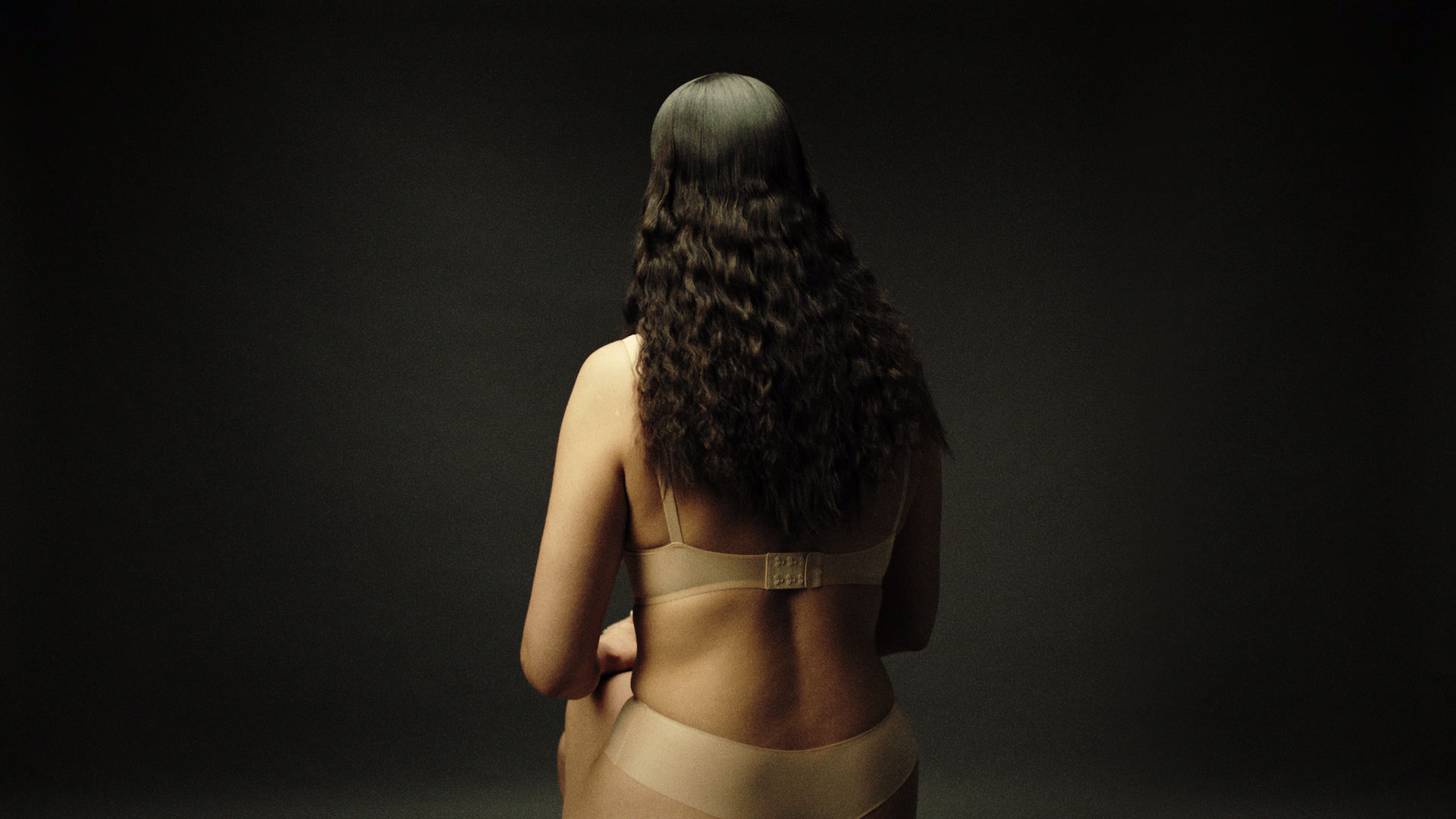
- Full 3D hair simulation for strand-level motion
-
- Bone-driven hair for smoother real-time performance
-
- Non-dynamic hair for short or stylised hairstyles
-
- 3D cloth simulation for natural garment movement
-
- Rigged cloth for efficient animation binding
-
- Real-time optimisation for Unreal and Unity
-
- Support for virtual shows and immersive event settings
-
- Hair and cloth for digital humans and avatars
Production approach
Built for event delivery, not just visual tests
Event work often sits between cinematic polish and real-time delivery, so the hair and cloth strategy has to be chosen early.
Provide grooming and garment references together with the character’s planned movement. Review the silhouette in still poses and in motion, and discuss intersections, material appearance and the requirements of the target rendering or real-time pipeline. For events, specify the screen or projection format, audience distance and the relationship between the digital performance and the live environment.
Explore our Digital Hair and Clothing services and Immersive Events production.
Related production services: 3D Modeling for Immersive Events · 3D Animation for Immersive Events · Digital Hair and Clothing for Holograms.


How we work
How we approach a project
01
Define the event use case
We start with the format, audience distance, runtime and the role hair and cloth play in the final reveal or performance.
02
Select the right method
We recommend full simulation, bone-driven solutions or rigged binding depending on the style, budget and platform needs.
03
Build and review assets
Hair and garments are shaped, tested and refined so they behave well in motion and remain usable in the wider pipeline.
04
Prepare for handoff
We deliver assets aligned to the production target, whether that is a rendered sequence, engine-based event or immersive setup.
Frequently asked questions
Frequently asked questions
Q.1 Can you create hair and cloth for live event environments?
Yes. We develop hair and clothing simulation with real-time performance in mind where needed, including support for Unreal and Unity. The exact setup depends on the event format, the animation requirements and how much simulation the production can carry without affecting playback or responsiveness.
Q.2 Do you always use full simulation?
No. Full simulation is one option, but it is not always the best one for events. Bone-driven hair or rigged cloth can be the better fit when you need lighter assets, faster iteration or more predictable behaviour in a live or interactive environment.
Q.3 What kinds of event projects suit this service?
The service is useful for virtual fashion shows, immersive installations, digital performances, XR presentations and other audience-facing experiences where character realism matters. Hair and cloth often become more important when the camera is close or the audience is moving through the scene.
Q.4 Can you work from an existing avatar or digital double?
Yes. Our hair and cloth work can be applied to characters, avatars and digital doubles. We assess the existing asset, the target platform and the motion requirements before recommending how the simulation or rigging should be structured for the event.
Q.5 Do you provide the event hardware or projection system?
No. We focus on character, hair and cloth production. If the project includes immersive display or live presentation elements, we prepare the assets for the target pipeline, but the event hardware, projection setup or venue system sits outside this service scope.
Q.6 How do you handle creative direction on art-led events?
For immersive and art-led projects, we work with the concept carefully and keep the production aligned to the artistic intention. That includes choosing practical solutions where appropriate, while still preserving the visual character of the work and respecting the budgetary realities of the project.
Frequently asked questions
Frequently asked questions
For event production, 3D hair and cloth work scope depends on groom and garment complexity, movement, simulation requirements and runtime limits. Send hair and garment references, the character rig and representative movements. Share the venue content specification, rehearsal date and whether the character is rendered in advance or performed live.