.png)
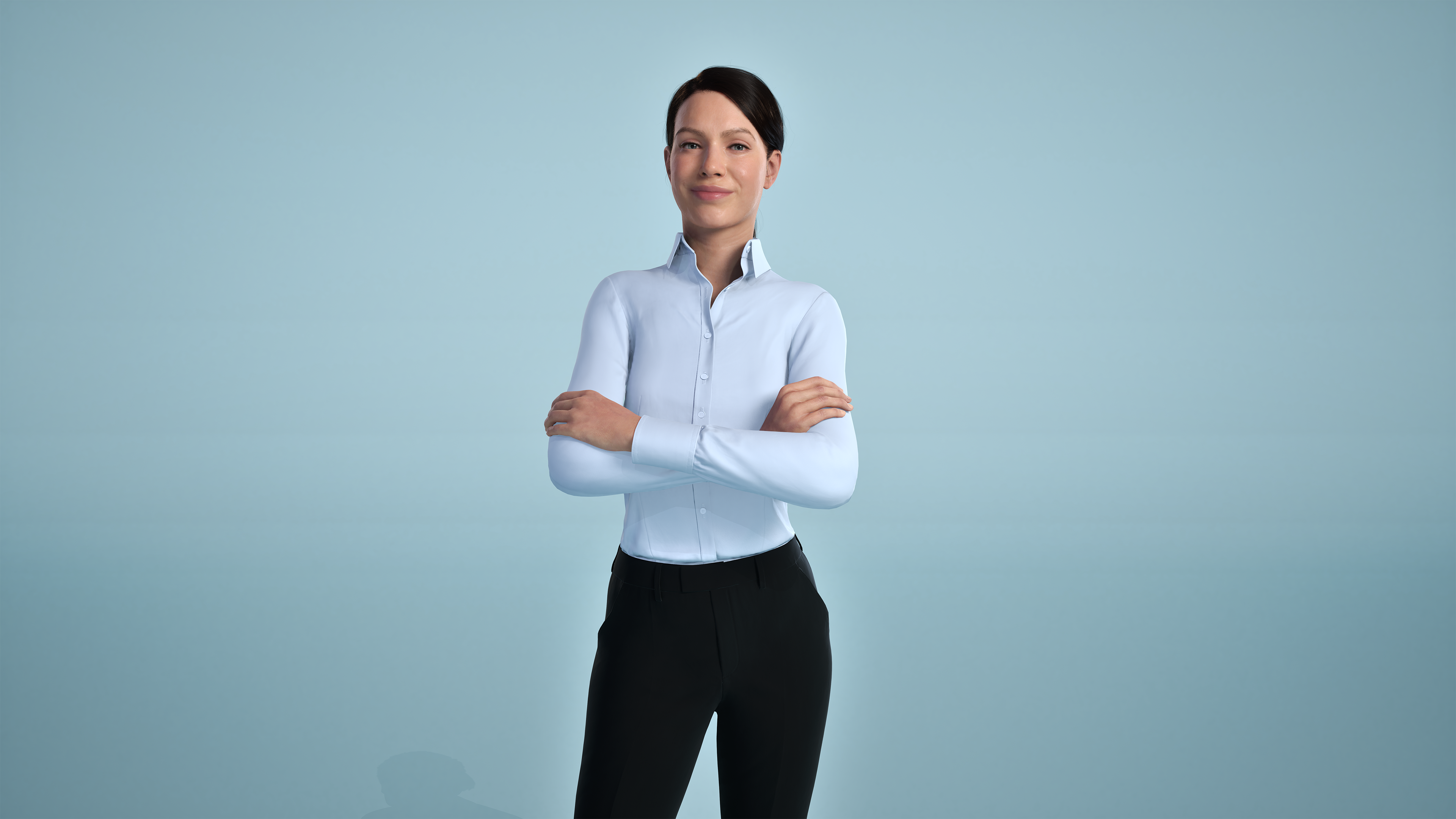


Rendering for conversational AI
Visual polish for AI characters that need to feel present
When a conversational AI experience includes a visible character, rendering becomes part of the product conversation. The avatar needs to read clearly on screen, hold attention, and feel coherent with the surrounding interface, whether it is used for a branded assistant, an NPC, or a hybrid live-digital presentation.
Mimic Productions approaches rendering as the final stage where modelling, materials, lighting, camera work, and compositing are brought together into a single visual result. For conversational AI projects, that means supporting the look of the character while keeping scope realistic. We can provide in-house rendering for smaller outputs and coordinate external render farms for larger productions, with guidance on the most efficient route for the brief.
Production challenges
Common production pressures
These are the issues that usually shape rendering decisions on conversational AI projects.
01
The avatar must feel believable
A conversational AI character can lose impact quickly if lighting, materials, or camera choices do not support a natural read.
03
Scope needs to stay under control
The best route is not always the most complex one, so production planning should balance frame quality, timing, and budget.
02
The final output has to match the platform
Teams often need a different render approach for web, campaign assets, cinematic playback, or live-action compositing.
What your team gets
What this adds to the build
01
Clear visual direction
Render decisions support a consistent character appearance across the experience.
02
More convincing motion
Lighting, camera animation, and compositing help the avatar read naturally in motion.
03
Flexible delivery
Outputs can be planned for smaller in-house runs or larger render demands.
04
Better integration
Head tracking and compositing help align rendered faces with live-action material when needed.
Capabilities and deliverables
Relevant rendering capabilities
-
- Lighting and shader refinement. Review illumination and contrast against the intended visual reference.
-
- Camera animation for digital cinematography. Plan framing and movement around the subject and viewing format.
-
- Head tracking for face integration. Identify the expressions and close-up detail required by the performance.
-
- Compositing with live-action footage. Discuss how digital elements should sit within the surrounding footage.
-
- In-house rendering for smaller projects. Agree the visual target, review stages and final output requirements.
-
- External render farm coordination. Agree the visual target, review stages and final output requirements.
-
- Photorealistic character output. Discuss the required result and production scope during the project briefing.
-
- Visual support for hybrid live-digital scenes. Set a clear scope and review sequence with your production team.
Production approach
How the pipeline is handled
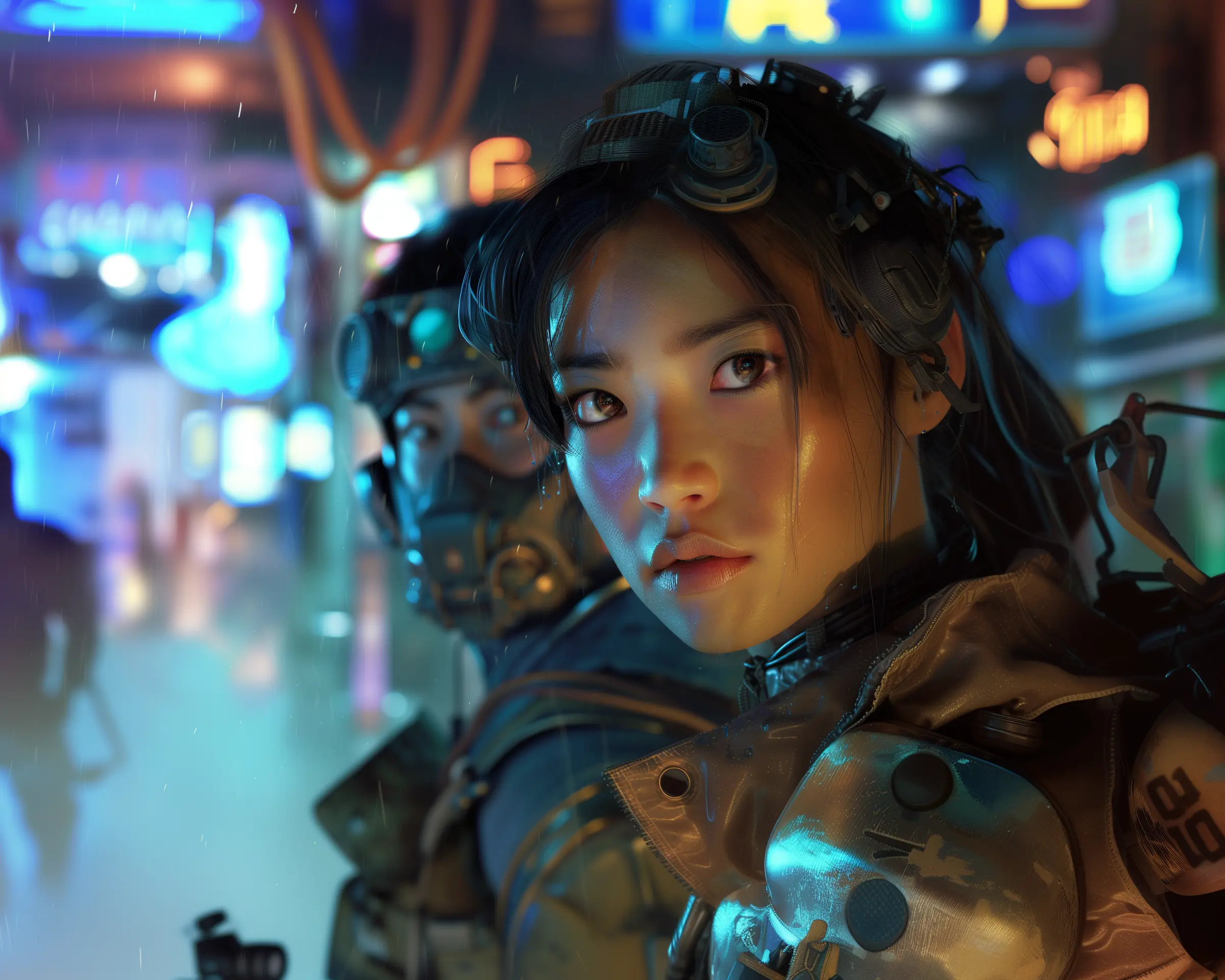
Rendering is the final step where the work either holds together or falls apart, so the process has to be practical as well as visually exact. For conversational AI avatars, that means reviewing the modelling and texturing choices early, then shaping light, camera movement, and compositing around the intended use case.
Mimic Productions can support projects that need a photoreal character render, a set of controlled visual assets, or a rendered face integrated into filmed material. The aim is to deliver a result that fits the conversation format without overbuilding the production path, whether the brief is for a branded assistant, an interactive character, or a hybrid media piece.
The work is especially important when an avatar must appear believable across stills, loops, motion-led sequences, or integration into live-action footage. Our lighting artists work closely with texturing to refine surface detail and mood, while camera animation supports the framing and rhythm of the scene. If a project requires a digitally rendered face integrated into filmed material, head tracking and compositing can be part of the same pipeline.
For conversational AI teams, the practical question is usually not whether the avatar can exist, but how it should be delivered for the intended platform. A support assistant may need a clean render set for product pages or onboarding. A character for interactive media may need a controlled shot language and a consistent visual identity. A hybrid experience may need careful compositing so the avatar sits naturally beside live footage.
This page is for teams planning the visual side of conversational AI, not just the dialogue layer. It is useful when the conversation has to be seen as well as heard, and when the rendered character must be handled with the same care as the interaction design.
Explore our 3D Rendering services and Conversational AI production.
Related production services: 3D Modeling for Conversational AI · Digital Hair and Clothing for Conversational AI · 3D Rendering for Robotics.


How we work
Typical production flow
01
Review the brief
We confirm the avatar’s purpose, platform, and intended level of realism before choosing the rendering route.
02
Prepare the visual setup
Lighting, materials, and camera ideas are shaped around the character design and the output format.
03
Render and refine
We produce the approved frames or sequences, then adjust details so the character reads correctly in context.
04
Composite and deliver
If the project includes live footage, compositing and head tracking bring the rendered character into the final scene.
Frequently asked questions
Frequently asked questions
Is rendering the same as building the conversational AI system?
No. Rendering handles the visible presentation of the avatar or character. The conversational layer, such as the dialogue engine or LLM setup, sits elsewhere. We focus on the visual side, including lighting, camera animation, compositing, and related production steps when the brief calls for them.
Can you render an avatar for a branded assistant without a full animation package?
Yes. Some projects only need clean, believable visual outputs for a character that appears in a focused set of scenes or assets. We can scope the rendering work to suit the intended use, rather than forcing a larger production than the project needs.
Do you provide the conversational backend or chatbot integration?
The source material here describes visual production services, not a backend software build. Rendering can support the avatar’s appearance, but it does not by itself create the conversation logic, response system, or platform integration.
When would compositing be needed on this kind of project?
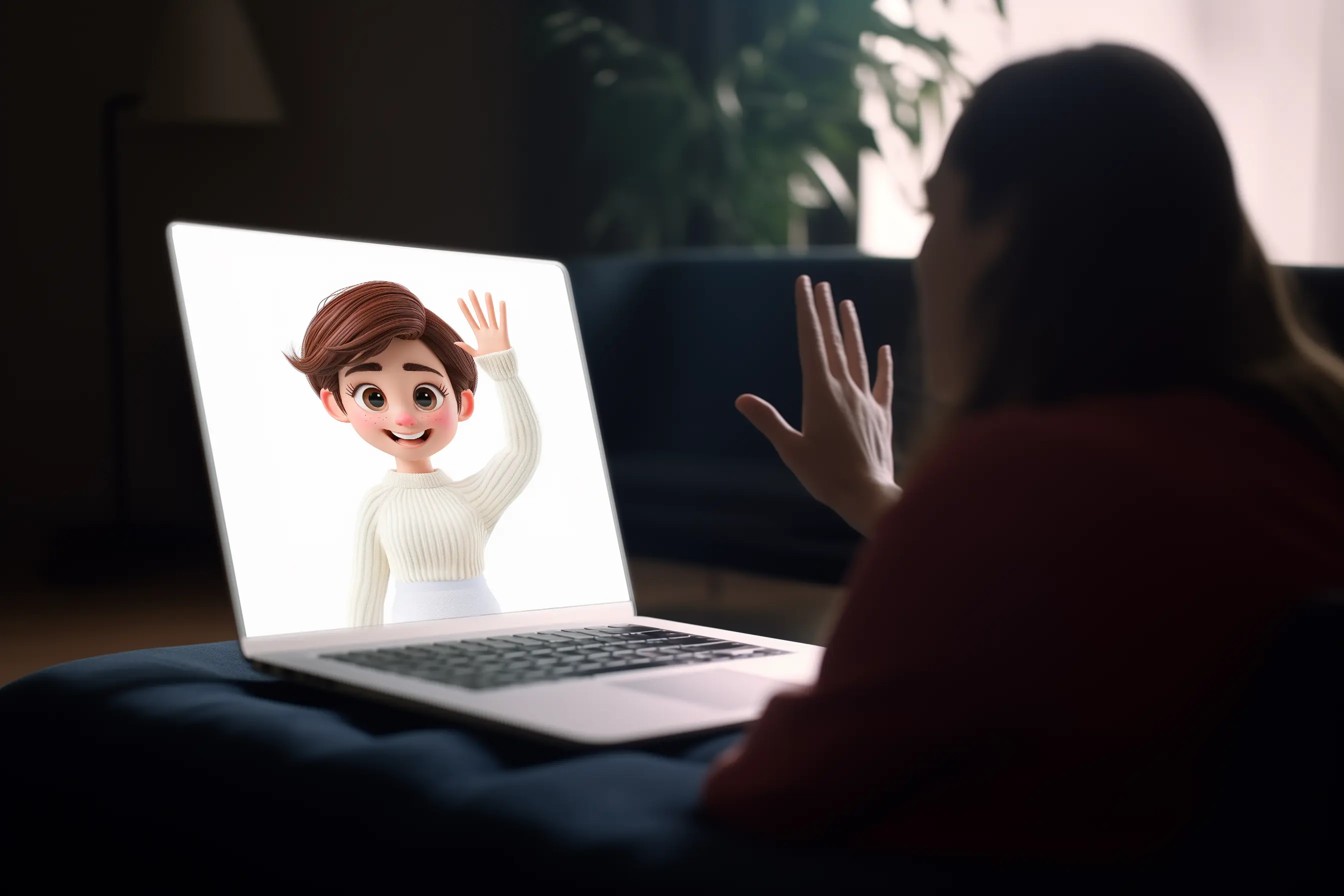
Compositing is useful when rendered assets need to sit naturally beside live-action footage or other VFX elements. For conversational AI projects, that matters when the avatar appears in filmed material, campaign content, or hybrid live-digital scenes that need a consistent final image.
Can you support larger rendering workloads?
Yes. The service information notes both in-house rendering for smaller projects and coordination of external render farms for larger productions. The best approach depends on the size of the deliverables, the deadline, and the amount of visual complexity in the scene.
What should a team prepare before starting?
It helps to define how the avatar will be used, where it will appear, and what level of realism is required. Clear references for the character, platform constraints, and output formats make it easier to choose the right rendering path and avoid unnecessary revisions later.
Frequently asked questions