.png)
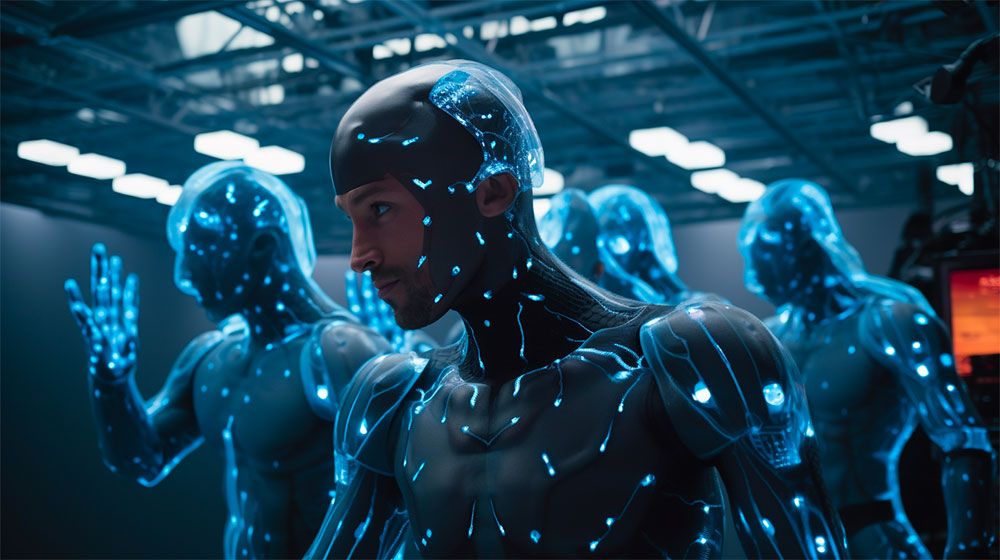


Realtime Assets x Robotics
Built for humanoid robots, simulation and interaction
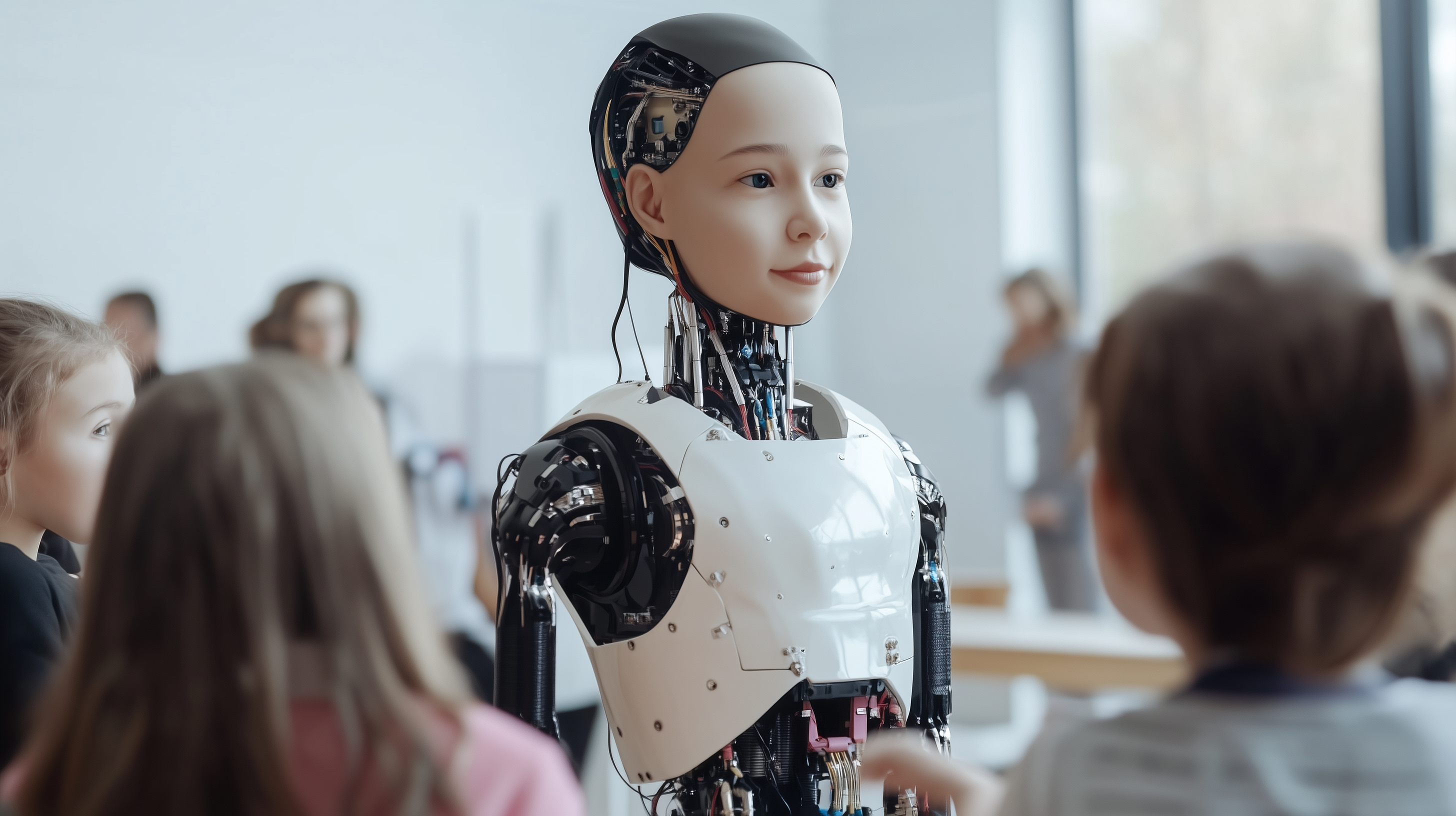
Mimic Productions develops highly realistic 3D avatars and character assets for real-time use, with a pipeline refined for Unreal Engine, Unity and other major engines. For robotics teams, that means facial rigs, body motion and visual fidelity that can support human-machine interaction, digital twin testing and live presentation work without forcing the team to rebuild the character from scratch. Our robotics work focuses on the parts that shape how a robot is perceived and how it performs on screen or in simulation. That includes advanced facial rigging, 3D modelling, motion systems, skin deformation, shader readiness and animation integration. Where needed, we also build real-time facial and body motion capture workflows so performers or test data can drive a character live. The scope is practical. If your robot already has a control stack, we can prepare the digital character side of the pipeline to fit it. If you are using simulation first, we can create a digital twin for behavioural testing and training. If the goal is public-facing interaction, we can support expressive humanoid presentation with believable motion and timing. The aim is not to promise hardware control or conversational intelligence by itself, but to provide the production assets that make those systems feel credible and perform well. Mimic has contributed assets to robotics pioneers including Hanson Robotics and Engineered Arts, and our robotics source also references digital twin workflows for testing and training.
Production challenges
Common robotics production gaps
These are the issues we are often asked to solve before a robot can be shown, tested or taken into a live environment.
01
Expressions that read as mechanical
Robotics teams often need faces that feel human enough for interaction, but still sit within technical and visual limits. We shape facial animation and surface detail so the character can communicate clearly without looking stiff or overworked.
03
Simulation without a believable digital body
When a team wants to test behaviour before hardware is ready, the digital twin has to reflect the robot closely enough to be useful. We build the character side of that replica so training and scenario testing start from a reliable base.
02
Assets that do not survive the engine
A model can look fine in a DCC package and still break down in real-time. We optimise textures, shaders, rig integration and animation fidelity for major engines so the asset is easier to test, iterate and deploy.
What your team gets
What this adds to a robotics build
01
Expressive faces
Facial rigging and animation built for human-like interaction and clear emotional reading.
02
Real-time readiness
Assets prepared for Unreal Engine, Unity and other real-time platforms.
03
Simulation support
Digital twin assets that help test behaviour and refine interaction scenarios earlier.
04
Live performance options
Motion capture workflows that can support presentational or interactive use.
Capabilities and deliverables
Relevant production capabilities
-
- 3D character optimisation. Discuss the target application and practical performance constraints.
-
- Advanced facial rigging. Review proportions, range of movement and the animation handoff.
-
- Real-time facial animation. Identify the expressions and close-up detail required by the performance.
-
- Body motion capture integration. Plan the session around action references and performance requirements.
-
- Shader and texture preparation. Review surface detail under representative lighting and camera distances.
-
- Digital twin character assets. Discuss the required result and production scope during the project briefing.
-
- Real-time engine compatibility. Discuss the target application and practical performance constraints.
-
- Motion-ready humanoid presentation. Review timing, weight and readability in the intended scene.
Production approach
How the pipeline fits robotics work
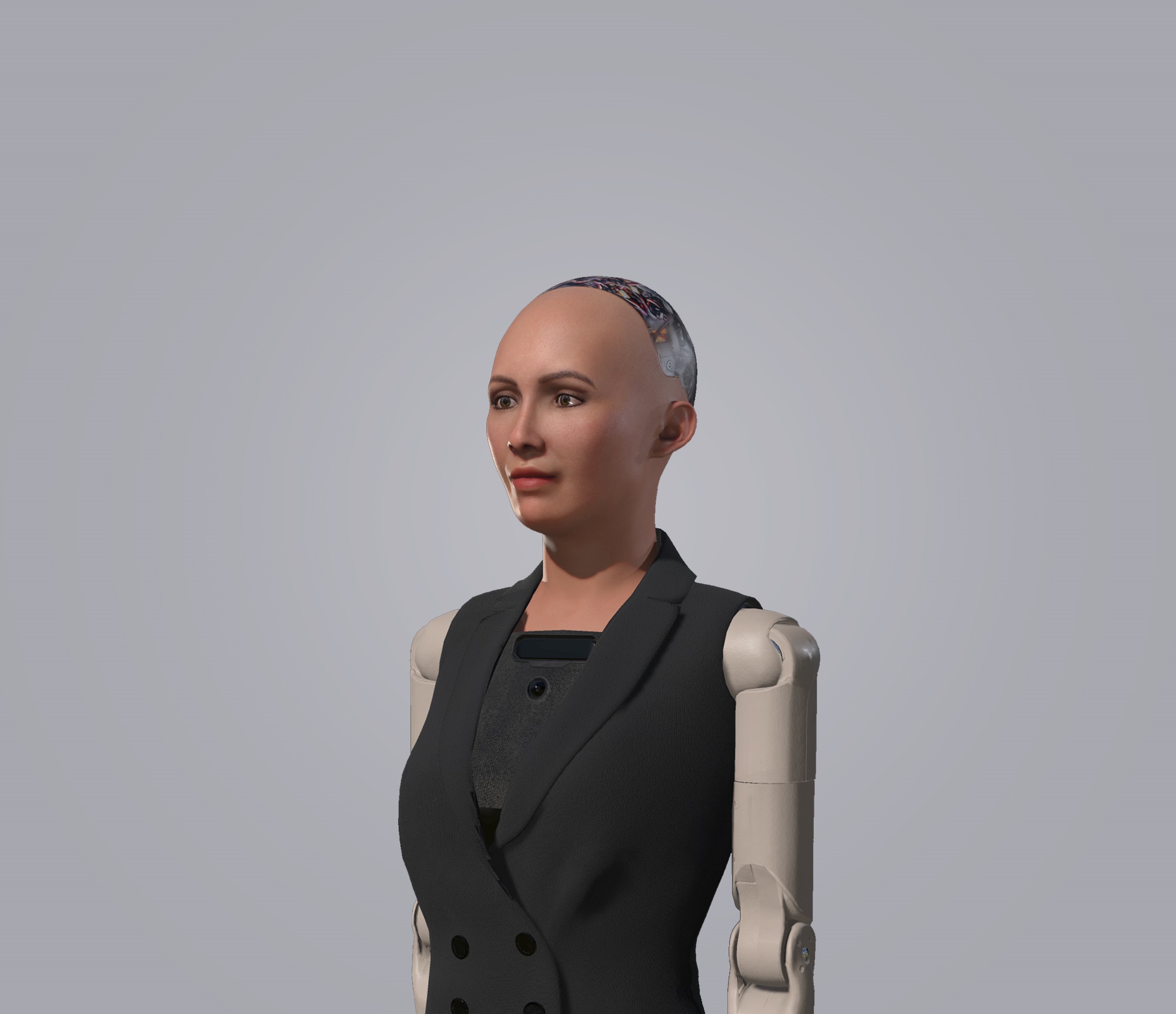
For robotics, the value lies in translating a design intent into a character asset that can actually be used. We can develop the visible side of a humanoid system, from modelling and expressive surfaces to rigging and animation readiness, then prepare it for real-time engines or simulation workflows. That includes attention to lighting, shader behaviour, skin deformation and frame performance.
If the project is intended for live interaction, we can also support motion capture based animation approaches that help a character respond in the moment. If the goal is testing and training, we can build a digital twin that helps validate behaviour before physical production progresses. The output is a practical asset package for robotics teams, not a claim that visuals alone solve hardware, conversational or control challenges.
Specify the target application, camera distance and expected scene complexity. Review the asset in that context and agree responsibilities for optimisation, import and testing, including how materials and animation should behave in the final experience. For robotics-related character work, distinguish digital appearance and animation requirements from the physical robot’s engineering and control systems.
Explore our Real-Time Assets services and Robotics production.
Related production services: 3D Modeling for Robotics · 3D Animation for Robotics · Real-Time Assets for Conversational AI.


How we work
From brief to usable asset
01
Define the use case
We confirm whether the asset is for live interaction, simulation, presentation or testing, then map the delivery needs around your engine and workflow.
02
Build the character foundation
Our team develops the model, facial structure, rig and visual treatment so the robot reads convincingly at real-time speed.
03
Test in the target environment
We check the asset against the engine or simulation setup, looking at lighting, performance, animation response and integration issues.
04
Hand over production-ready files
You receive the prepared asset package and implementation notes so your robotics team can continue development with fewer surprises.
Frequently asked questions
Questions robotics teams usually ask
Are you building the robot hardware itself?
Our robotics source describes complete humanoid robot development as part of the wider offer, but the relevant fit for this page is the digital character and animation side of the pipeline. We support modelling, rigging, motion and simulation assets that sit alongside the broader robotics programme, rather than promising to replace specialist mechanical or systems engineering where that is needed.
Can you make the robot conversational by itself?
No. A lifelike appearance does not automatically create the conversational backend, decision logic or sensing stack. What we do provide is the visual and animation layer that helps a robot feel more human in interaction, which can then be connected to the client’s own AI and control systems.
Do you work in Unreal Engine and Unity?
Yes. The real-time integration source states compatibility with Unreal Engine, Unity and other major real-time platforms. For robotics teams, that matters when the same asset needs to be evaluated in multiple environments, from simulation to presentation.
What is a digital twin in this context?
Here, a digital twin is a virtual replica of the robot used for behaviour testing, performance evaluation and simulation-based training. We build the character and animation side of that replica so the team has something realistic to test against before or alongside physical production.
Can motion capture be used live?
Yes, the real-time integration source describes facial and body motion capture systems for live performance and interactive workflows. For robotics work, this can help drive expressive motion in demonstrations, virtual production or test scenarios, depending on the project setup.
Do you have documented robotics experience?
Yes. The robotics source explicitly mentions asset contributions to Hanson Robotics and Engineered Arts. It also references social robot development, digital twin workflows and humanoid robot production. Those are useful reference points for scope, but each new project still needs its own technical brief and integration plan.
Frequently asked questions