.png)



Realtime assets
Built for avatars that need to speak and respond
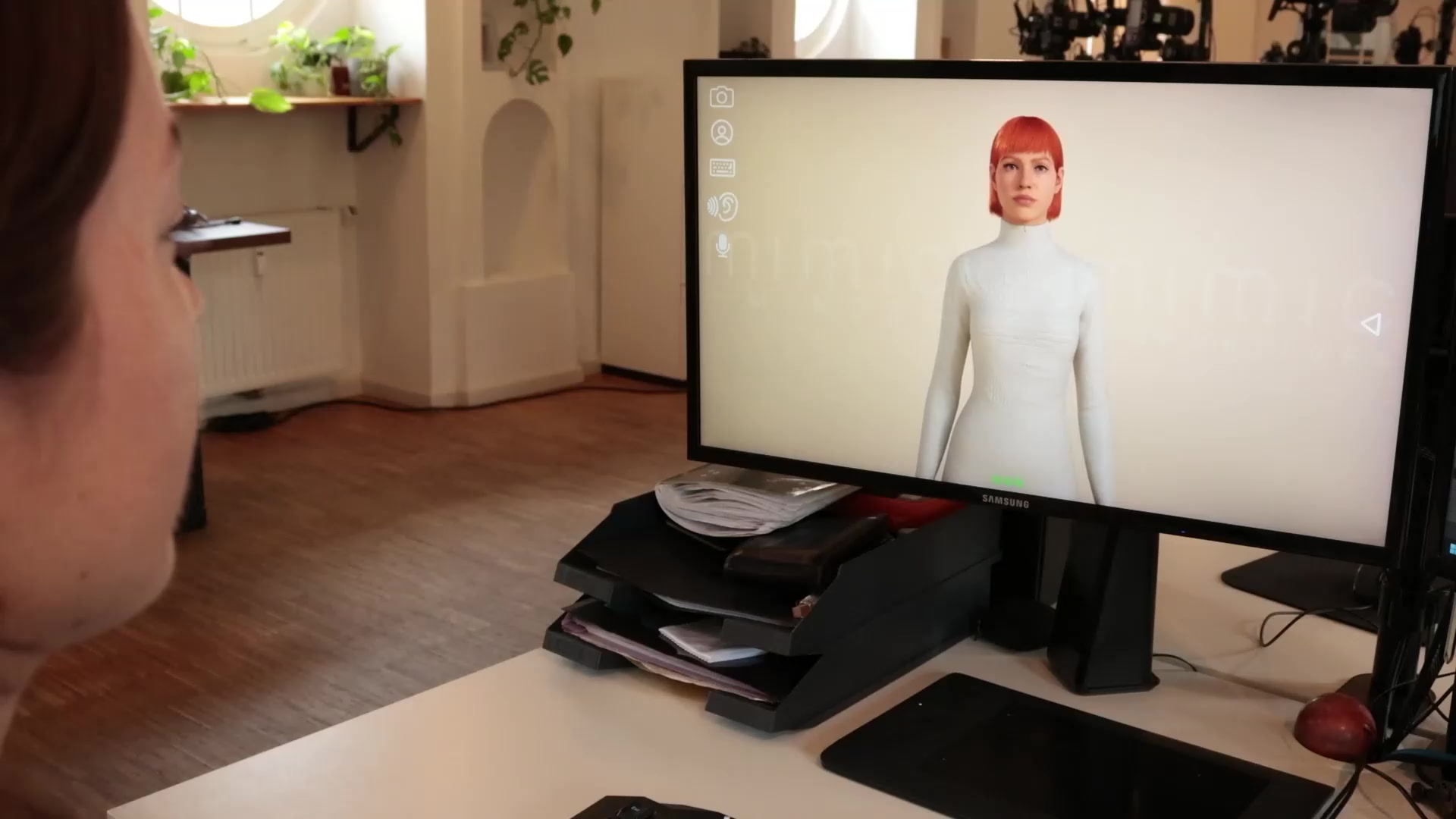
Conversational AI depends on more than a convincing face. It needs a character that can hold attention while text, voice and animation stay aligned in real time. Mimic Productions creates high-fidelity realtime assets for Conversational AI use cases, combining 3D character optimisation, facial and body performance, and engine integration for Unreal Engine, Unity and other major real-time platforms.
The aim is practical rather than decorative. We prepare digital humans that can sit inside an assistant flow, a branded experience, an interactive NPC or a virtual performance setup, while keeping textures, shaders, rigs and motion systems ready for deployment. Where the use case calls for live interaction, we can support real-time facial and body motion capture so performance is driven in the moment.
Production challenges
What can slow a conversational avatar project
The biggest issues usually appear at the handoff between character production, animation, engine setup and the AI layer.
01
Visual realism without runtime discipline
A character may look strong in renders yet fail once it must perform live. Realtime assets need textures, shaders, rigging and deformation built for the target engine.
03
Deployment across different engines
Teams often need a character to move between Unreal, Unity or another real-time environment. That requires careful optimisation, testing and integration.
02
Interaction that feels disconnected
Conversational AI can sound intelligent while the avatar still feels static. The asset must support timing, expression and motion that react naturally to prompts and responses.
What your team gets
Why teams commission realtime assets
01
Engine-ready character output
Assets are prepared for real-time engines with attention to lighting, shaders, animation fidelity and frame performance.
02
Human-like facial response
Facial and body motion systems help avatars emote and react in ways that support conversational use.
03
Flexible use across formats
The same production approach can support assistant avatars, NPCs, live virtual performance and branded digital humans.
04
Clear technical handoff
Production is shaped around deployment needs, so your team receives an asset that is easier to test and integrate.
Capabilities and deliverables
Core production capabilities
-
- 3D character optimisation. Discuss the target application and practical performance constraints.
-
- Photoreal avatar design. Define the character’s role, appearance and intended interaction setting.
-
- Facial rig integration. Review proportions, range of movement and the animation handoff.
-
- Body rig integration. Review proportions, range of movement and the animation handoff.
-
- Real-time motion capture. Plan the session around action references and performance requirements.
-
- Live performance support. Plan the session around action references and performance requirements.
-
- Unreal Engine compatibility. Discuss the target application and practical performance constraints.
-
- Unity compatibility. Discuss the required result and production scope during the project briefing.
Production approach
How we approach conversational real-time character work
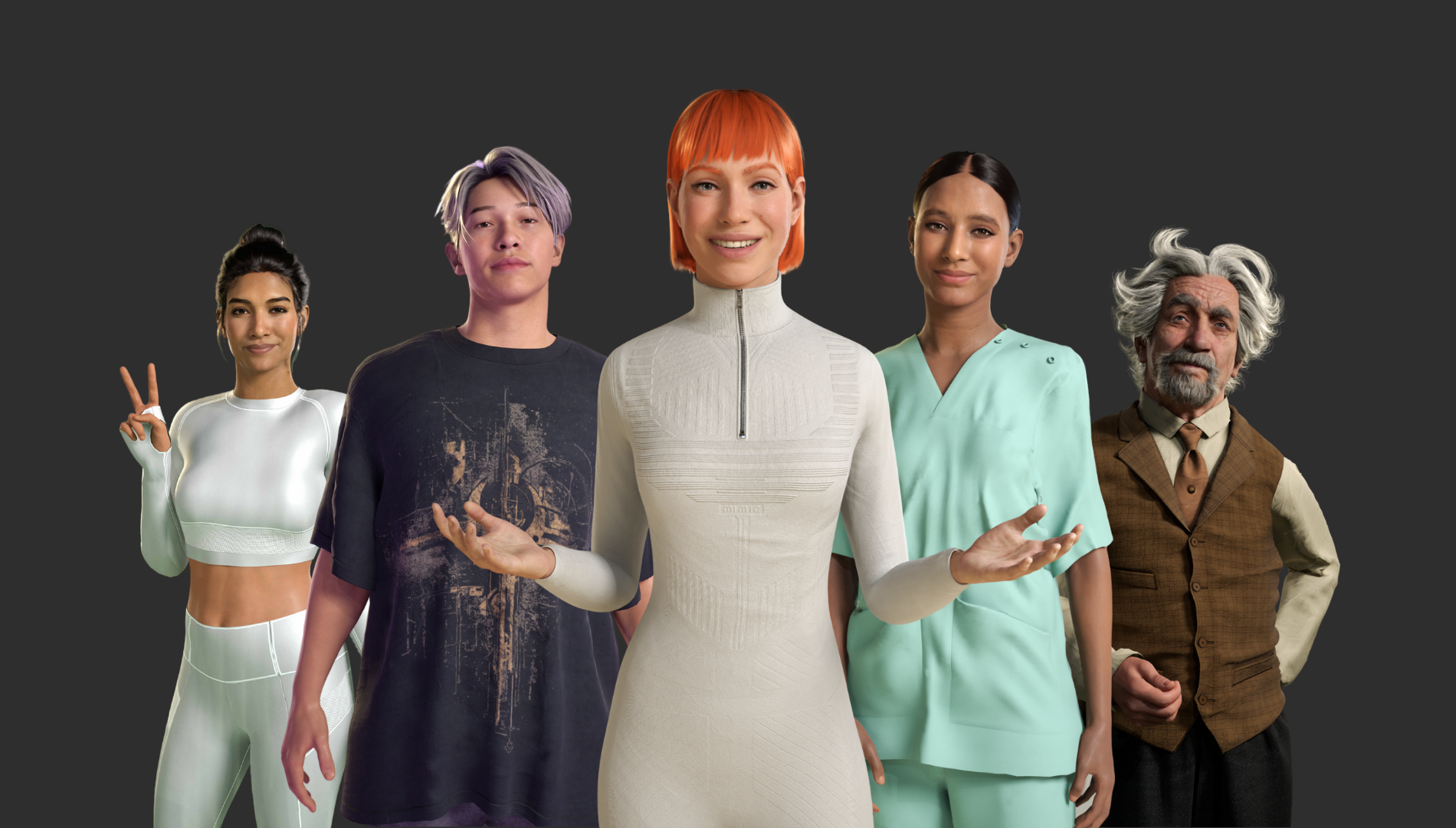
We build conversational AI avatars as production assets first and interaction layers second. That means the character is designed for the target engine, performance constraints and animation behaviour from the outset. Our realtime integration work covers realistic 3D avatars, rigging, skin deformation, shader setup and motion systems that can support live expression.
For conversational AI use, we can also shape the character for specific communication roles, including branded assistants, immersive NPCs and emotionally expressive digital humans. If a project requires live performance, we can integrate facial and body motion capture so the avatar responds in the moment. If the experience is more controlled, we focus on photorealism, responsiveness and dependable deployment.
This page is for teams planning a production asset, not a software platform. If you already have a conversational backend, our role is to deliver the avatar and the real-time character pipeline around it. If you are still shaping the experience, we can help define what the asset needs to do in practice, from emotional expression to frame performance and engine compatibility. Based in Berlin, Mimic works with brands, studios and creative teams looking for realistic digital characters for interactive communication, virtual events, games, film or other real-time environments.
Specify the target application, camera distance and expected scene complexity. Review the asset in that context and agree responsibilities for optimisation, import and testing, including how materials and animation should behave in the final experience. For conversational experiences, describe the assistant’s role and the expressions, gestures and idle behaviour needed while it listens or responds.
Explore our Real-Time Assets services and Conversational AI production.
Related production services: 3D Modeling for Conversational AI · 3D Animation for Conversational AI · Real-Time Assets for Robotics.


How we work
From character build to real-time handoff
01
Define the avatar role
We start by understanding whether the asset is meant for an assistant, an NPC, a live performer or another conversational setting, then align the visual and technical scope.
02
Build and optimise the character
Our team prepares the 3D character with the right textures, shaders, rigging and deformation so it behaves well in the intended real-time environment.
03
Integrate performance systems
Where needed, we connect facial and body motion capture or other animation systems so the avatar can express emotion and react live.
04
Test for deployment
We check compatibility with the target engine and review lighting, animation fidelity and frame performance before handoff to your team.
Frequently asked questions
Common questions
Do you provide the conversational AI backend as well as the avatar?
This service focuses on the realtime asset itself. We can create the character, prepare it for real-time use and support integration considerations, but the conversational backend is a separate layer. If you already have a chatbot or LLM workflow, we can shape the avatar around it so the visual performance matches the interaction model.
Can the avatar work in Unreal Engine or Unity?
Yes. Our work includes Mimic assets are compatible with Unreal Engine, Unity and other major real-time platforms. The key requirement is that the character is planned and tested for the target engine so lighting, shaders, rigs and performance behave as expected during deployment.
Is this suitable for an assistant on a website or app?
It can be, provided the project scope is clear. The avatar can support a conversational experience, but the final product depends on your chosen interface, voice system and AI logic. We supply the character and real-time production side, which is what gives the assistant its visual presence and motion behaviour.
Can you create emotionally expressive avatars?
Yes. The conversational AI source describes natural emotions on avatars and lifelike response as part of the service direction. In production terms, that means building the character and motion systems so the avatar can show expression, timing and presence that suit the conversation.
What if we need live performance or virtual events?
The realtime integration source specifically mentions real-time facial and body motion capture for live virtual performances and interactive experiences. That makes the service relevant where a performer or operator needs to drive the character in real time, rather than relying only on pre-rendered animation.
What should we prepare before starting?
It helps to have a clear use case, target engine, intended interaction style and any technical constraints for the final environment. If you already have brand design, voice direction or AI tooling, those can guide the character build. If not, we can still scope the avatar production around the deployment goal and handoff needs.
Frequently asked questions