


Realtime Assets for Holograms
Digital humans ready for live display
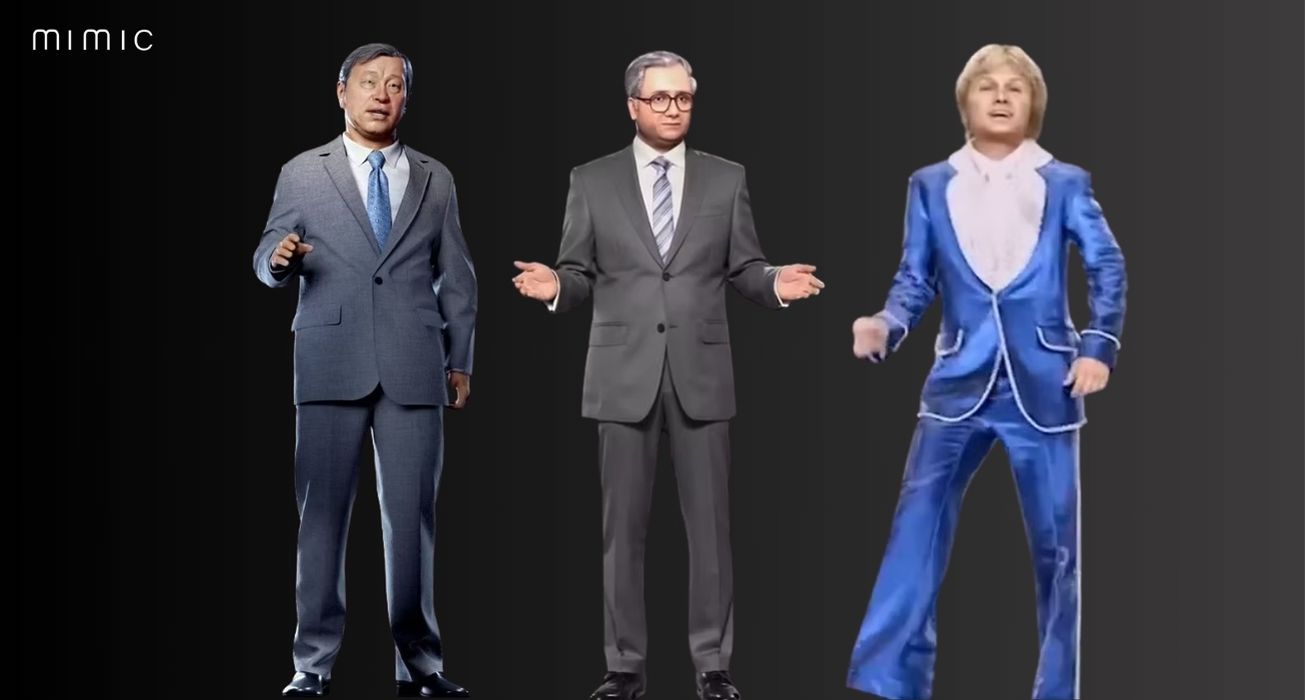
Mimic Productions creates real-time character assets for holographic experiences where performance, identity, and timing all matter. The work starts with believable digital humans and ends with assets that can be used in live shows, exhibitions, brand moments, and immersive installations.
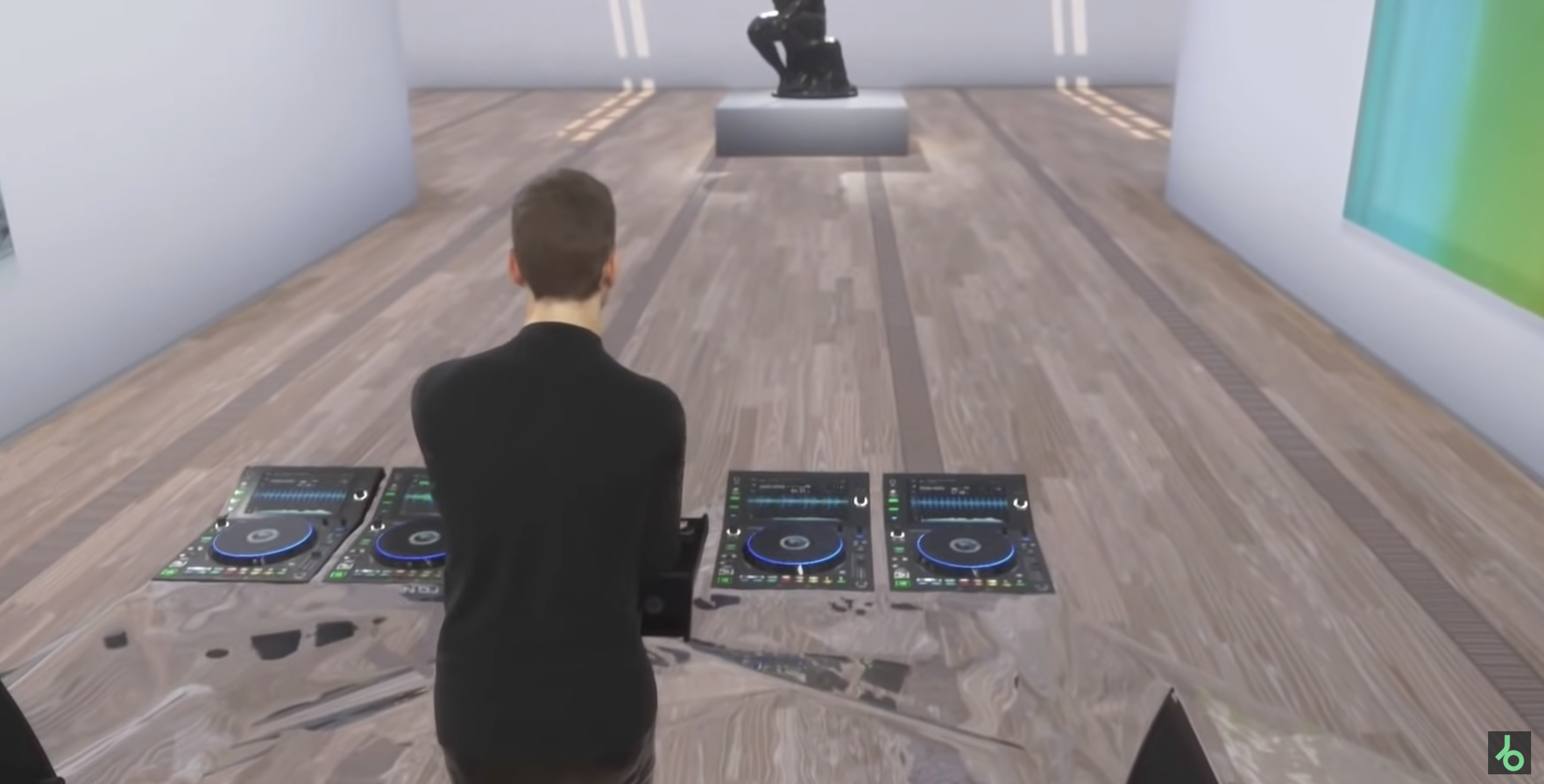
For holograms, that usually means more than making a character look good in a still frame. The asset must hold up under movement, lighting, camera changes, and stage conditions. Mimic’s pipeline covers character optimisation, facial rigging, animation-ready models, and real-time integration so a digital human can be prepared for Unreal Engine, Unity, and other real-time environments.
Production challenges
What hologram teams need to solve
Holographic productions depend on assets that survive real-world display conditions, not just close-up renders.
01
Identity must read instantly
Audiences need to recognise the character at a glance, especially when the hologram is seen from distance, at speed, or alongside live performers.
03
Performance needs careful control
Facial movement, body motion, and timing all affect believability, so the asset must be prepared for the exact way it will be driven and displayed.
02
The asset must fit the system
A hologram-ready character has to respect real-time engine limits, motion-capture input, and the practical requirements of the target stage or installation.
What your team gets
Why teams choose real-time character assets
01
Prepared for live use
Characters are built for conditions where timing and stability matter.
02
Built around facial detail
Rigging and animation preserve the expressions that make a digital human feel present.
03
Ready for engine integration
Assets are optimised for Unreal, Unity, and related real-time workflows.
04
Flexible across formats
The same character can support holograms, stage moments, and interactive displays.
Capabilities and deliverables
Core capabilities
-
- 3D character optimisation
-
- Facial rigging and animation
-
- Real-time engine integration
-
- Motion capture support
-
- Digital face replacement
-
- Photoreal digital humans
-
- Live performance preparation
-
- Interactive character workflows
Production approach
From character build to holographic delivery
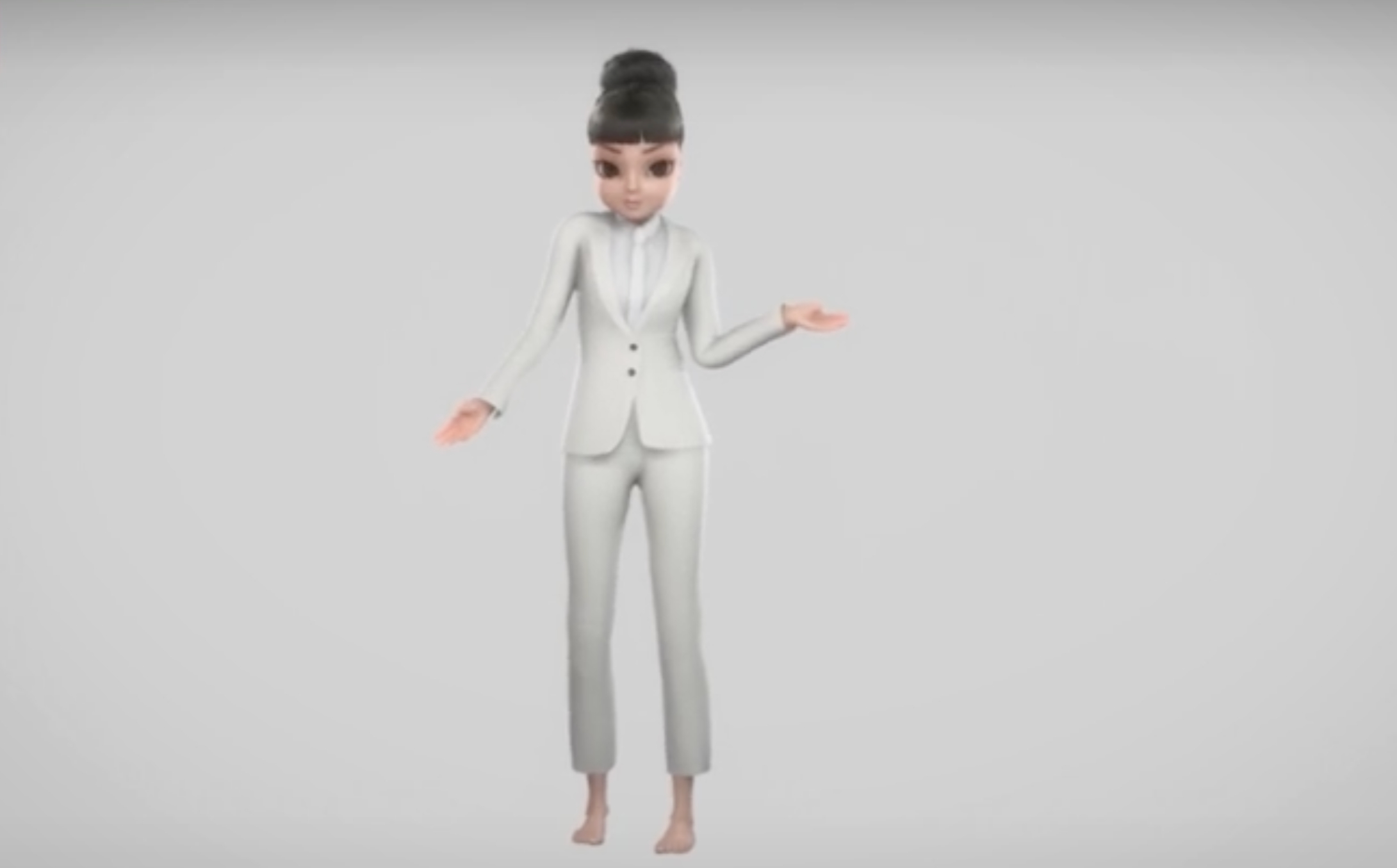
Mimic’s approach begins with identity capture and ends with an asset that can be used in the real environment the client is planning.
If you are planning a holographic show, museum piece, or branded digital human, the key decision is not only how realistic the character should be, but how it will be delivered, tested, and operated in the final environment.
Explore our Real-Time Assets services and Holograms production.
Related production services: 3D Modeling for Holograms · 3D Animation for Holograms · Real-Time Assets for Immersive Events.


How we work
How a hologram asset is prepared
01
Define the display context
The team first maps the target setup, whether the asset is for a stage hologram, exhibition, or interactive performance, so the build matches the final use.
02
Build the character system
Mimic develops the model, facial structure, textures, and rigging needed for believable movement and stable real-time playback.
03
Test animation and performance
The asset is checked for expression, motion, shader behaviour, and engine compatibility before delivery or live integration.
04
Prepare the handoff
Final files and performance-ready assets are organised for the client’s production pipeline, including the chosen real-time or live show workflow.
Frequently asked questions
Frequently asked questions
Q.1 What is the difference between a hologram asset and a normal 3D character?
A hologram asset has to work in a live display context, where visibility, movement, and timing are judged in real time. That means the character is prepared not only for appearance, but for how it will behave under the constraints of the venue, camera, engine, or performance system.
Q.2 Can Mimic create the full hologram experience?
We can discuss scanning, modelling, animation and digital character preparation for a holographic experience. Display hardware, venue engineering and operation need a separate scope. Share the display team’s specifications so the asset and performance are prepared for the actual presentation system.
Q.3 Do you support live motion capture for holograms?
Yes. The realtime integration source describes facial and body motion capture systems for live, real-time performance, and the holograms source describes facial animation and motion capture as part of the digital human pipeline. That makes the asset suitable for live-driven character moments where performance needs to happen on the spot.
Q.4 Can a holographic character also be used in other channels?
Often yes, if the delivery requirements are planned correctly. A digital human built for a hologram may also support interactive installations, live performance, or other real-time environments, but each format has different technical and presentation needs, so the asset should be prepared with that reuse in mind.
Q.5 What do you need to quote real-time character production for holographic experiences?
Send the engine version, target hardware, asset budgets and required interactions, together with the deadline and any existing assets. Supply the display team’s framing, playback and viewing-distance specifications, and say whether the performance must respond live. The work involved depends on existing asset quality, geometry and texture budgets, rig complexity and integration. Confirm the deliverables and review stages in the proposal so the quote covers the work your team actually needs.
Q.6 Is this service suitable for museums and exhibitions?
Yes. The holograms source specifically mentions museums and exhibitions as a use case for digital humans, and the real-time integration source supports real-time character performance. That combination is useful when a visitor-facing character needs to guide audiences, tell stories, or respond within a controlled installation.
Frequently asked questions
Frequently asked questions
For holographic experiences, real-time character production scope depends on existing asset quality, geometry and texture budgets, rig complexity and integration. Send the engine version, target hardware, asset budgets and required interactions. Supply the display team’s framing, playback and viewing-distance specifications, and say whether the performance must respond live.