.png)


Realtime assets
Fashion visuals that can move at the speed of a collection
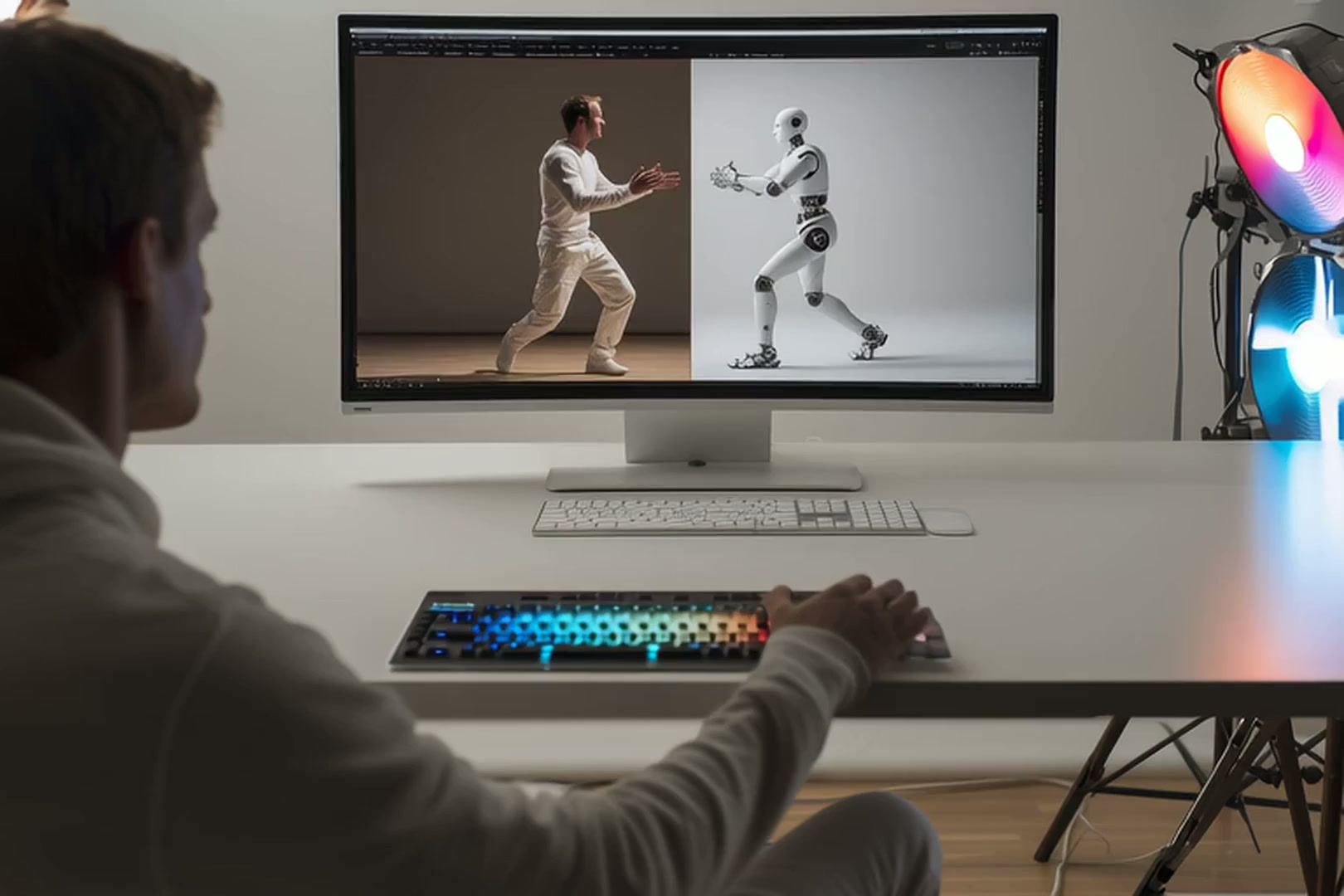
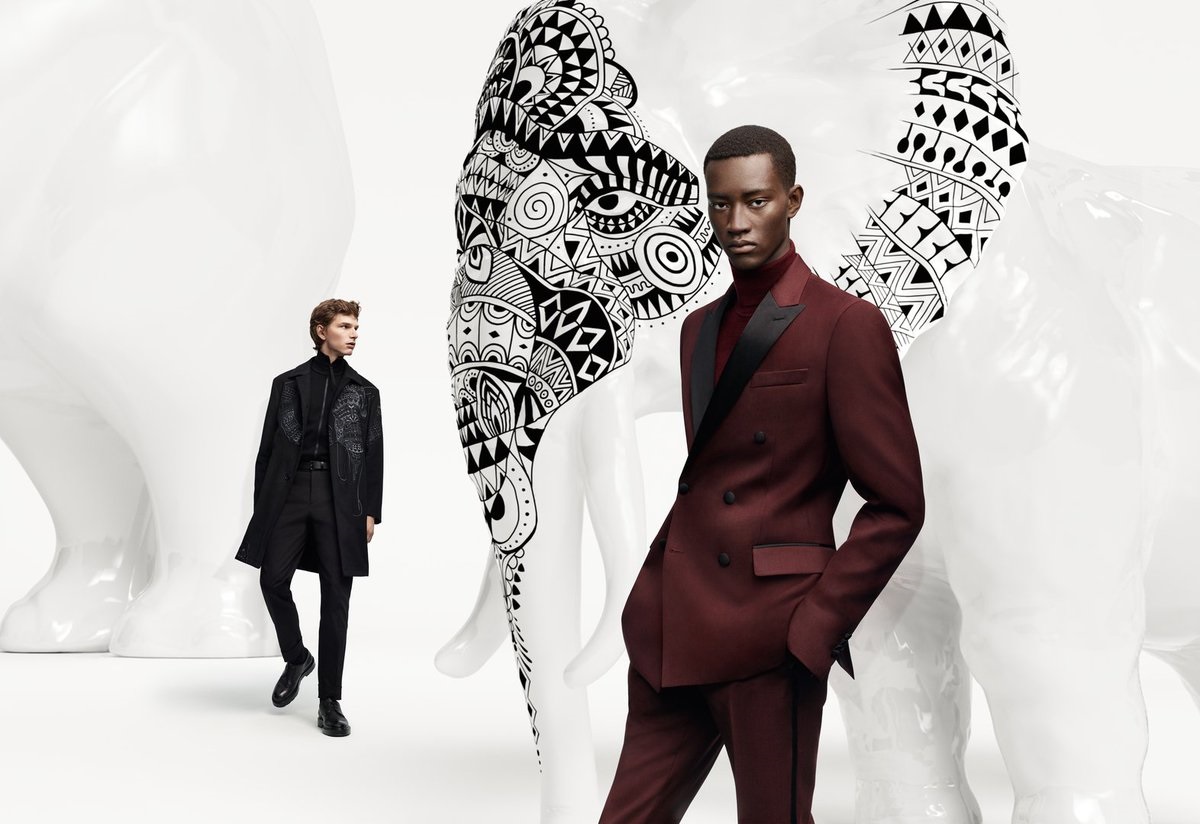
Fashion teams now need assets that do more than look good in a still frame. They must hold up in motion, react cleanly in engine, and stay consistent across campaigns, films, live presentations, and digital retail touchpoints. Mimic Productions builds highly realistic 3D characters and fashion assets for realtime use, combining character optimisation, facial and body motion capture, and engine integration with a strong background in digital fashion production. Our work sits where fashion storytelling meets realtime delivery. That can mean a digital model developed for a virtual brand world, a garment or accessory prepared for an interactive showcase, or a character asset set up to perform inside Unreal Engine or Unity. We develop authentic textures, shaders, rig integrations, and animation-ready assets that are tested for lighting and frame performance before handoff. For fashion brands, the buying decision is rarely about image quality alone. It is about whether the asset can be approved by creative teams, used by production partners, and deployed without rework. We therefore focus on practical scope boundaries: clear asset preparation, motion compatibility, and pipeline fit. If the brief requires a digital ambassador, a realtime fashion presentation, or a character-led campaign visual, we can shape the asset around the intended channel rather than forcing a one-size-fits-all deliverable. Mimic’s digital fashion background also matters here. The studio creates 3D fashion content, clothing, accessories, and avatars, and works with garment simulation tools such as Marvelous Designer, Clo3D, and Unreal Engine. That means realtime delivery is not treated as an afterthought.
Production challenges
What slows realtime fashion rollouts
These are the most common blockers when fashion teams want interactive characters or assets.
01
Style approval across channels
A garment or avatar may look correct in a campaign render but fail once it is placed in motion, lighting, or a different engine. Fashion teams need assets that preserve the approved look while remaining usable in realtime environments.
03
Keeping realism without losing speed
Realtime fashion work has to balance fidelity with performance. The challenge is to maintain believable materials, movement, and facial expression while still meeting the technical limits of the chosen platform.
02
Asset readiness for production partners
Agencies, studios, and internal teams often work with different tools. Without proper optimisation, rigging, and export discipline, the asset can become difficult to hand off or deploy in a live pipeline.
What your team gets
Why fashion teams use us
01
Built for motion
Assets are prepared for realtime movement, not only static presentation.
02
Fashion-aware realism
Material, silhouette, and detail decisions are shaped by digital fashion experience.
03
Engine compatibility
We optimise for Unreal Engine, Unity, and comparable realtime workflows.
04
Clear handoff
Deliverables are designed for practical use by production, animation, or platform teams.
Capabilities and deliverables
Core capabilities
-
- 3D character optimisation. Discuss the target application and practical performance constraints.
-
- Digital model development. Shape the asset around its proportions, intended views and downstream use.
-
- Fashion asset creation. Discuss the required result and production scope during the project briefing.
-
- Garment and accessory simulation. Review fit, movement and intersections against the garment reference.
-
- Real-time facial motion capture. Identify the expressions and close-up detail required by the performance.
-
- Real-time body motion capture. Plan the session around action references and performance requirements.
-
- Unreal Engine integration. Discuss the target application and practical performance constraints.
-
- Unity-ready preparation. Discuss the required result and production scope during the project briefing.
Production approach
How the pipeline fits fashion work
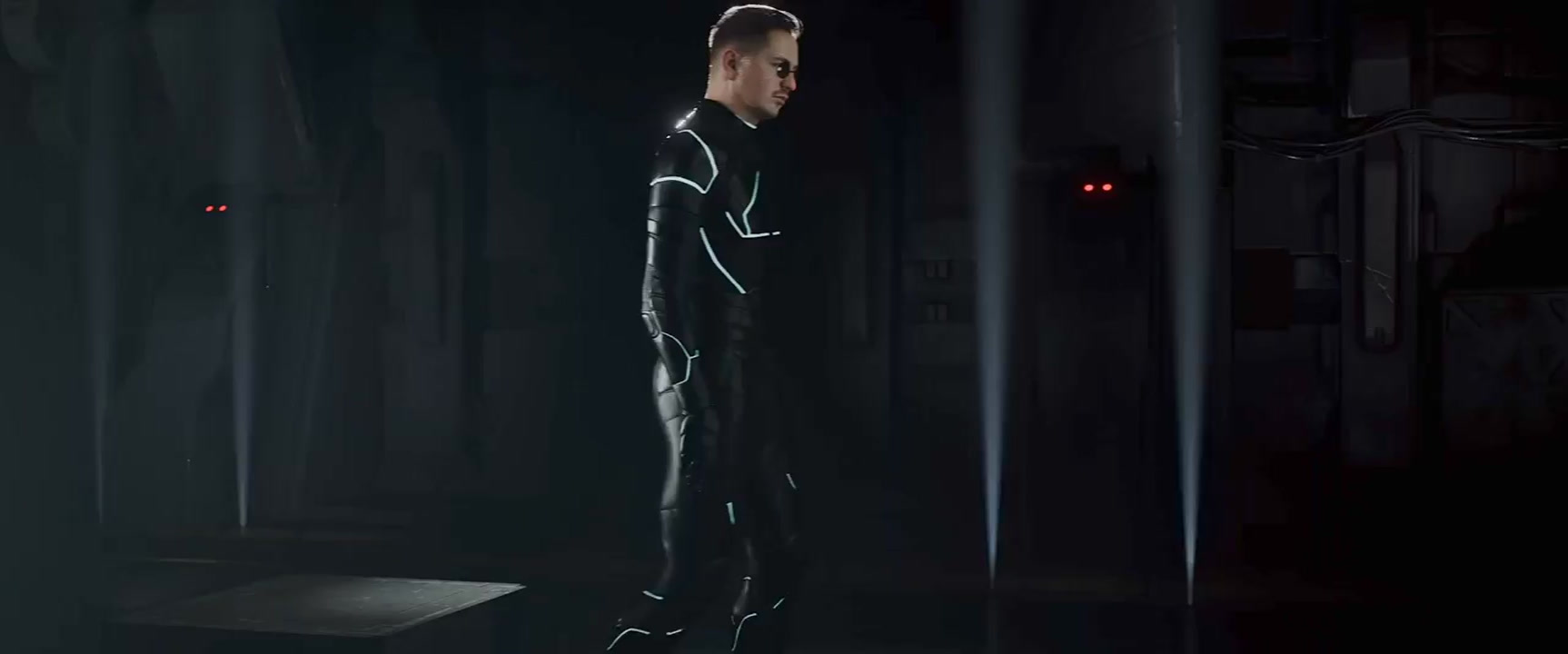
Our realtime asset process is useful when fashion output needs to be more than a hero image. We can support digital models, brand ambassadors, garments, footwear, bags, and other accessories that must function inside a realtime scene. Depending on the brief, the deliverable may be a character prepared for live performance, a fashion asset configured for interactive presentation, or a model built for use across campaign, e-commerce, or virtual world content.
Mimic’s approach is grounded in technical preparation and visual control. Assets are refined for textures, shaders, rig integrations, lighting behaviour, and animation fidelity, then checked for performance in engine. Where motion is required, facial and body capture can be integrated so the character reads naturally in live or recorded realtime settings. This helps fashion teams move from concept to production without asking one supplier to solve unrelated problems such as hardware deployment or platform hosting.
Specify the target application, camera distance and expected scene complexity. Review the asset in that context and agree responsibilities for optimisation, import and testing, including how materials and animation should behave in the final experience. For fashion, provide garment, fabric and styling references, and identify which details must remain visible in the final presentation.
Explore our Real-Time Assets services and Fashion production.
Related production services: 3D Modeling for Fashion · 3D Animation for Fashion · Real-Time Assets for Advertising.


How we work
From brief to engine
01
Define the use case
We confirm whether the asset is intended for campaign film, virtual runway, digital retail, or live performance, then set practical scope and delivery format.
02
Build and optimise
Characters, garments, or accessories are developed with realism in mind, then prepared for textures, shaders, rigging, and performance constraints.
03
Test in realtime
Assets are checked in the intended engine or workflow for lighting response, animation fidelity, and motion behaviour before handoff.
04
Deliver for production
We provide usable files and a clear technical package so creative, animation, or platform teams can continue the workflow confidently.
Frequently asked questions
Questions fashion teams ask
Is this service only for digital models?
No. Digital models are one application, but the service also suits garments, footwear, bags, accessories, and character-led fashion assets. The right scope depends on how the asset will be used, whether that is a campaign film, an interactive presentation, or a virtual environment.
Can you prepare assets for Unreal Engine and Unity?
Yes. The realtime integration source states that assets are compatible with Unreal Engine, Unity, and other major realtime platforms. We prepare the character or fashion asset with compatibility in mind and test it for lighting, shaders, animation fidelity, and frame performance before delivery.
Do you create the garment simulation itself?
Yes, when it is part of the brief. The digital fashion source cites garment simulation work using tools such as Marvelous Designer, Clo3D, and Unreal Engine. That makes it possible to support clothing behaviour as part of a realtime fashion pipeline, not only as a static render.
Can this replace a full campaign shoot?
Sometimes, but not always. Realtime assets can expand campaign possibilities, reduce location dependence, and support virtual worlds or live experiences. However, the best approach depends on the creative plan, approval process, and the output your media partners need.
Do you provide the hardware for live installation?
No. The sources describe asset creation, motion capture, and engine integration, not projection systems or installation hardware. If your fashion activation needs a live setup, we focus on the digital character or asset side and define the technical handoff accordingly.
Can a digital avatar act as a brand ambassador on its own?
The appearance is only one part of the job. An avatar needs the right performance setup, motion system, and production context to work effectively. We can build the visual asset and prepare realtime character performance, but conversational systems or platform logic are separate from the avatar artwork itself.
Frequently asked questions