.png)


Realtime Assets x Creatures
Creature assets built to move in real time
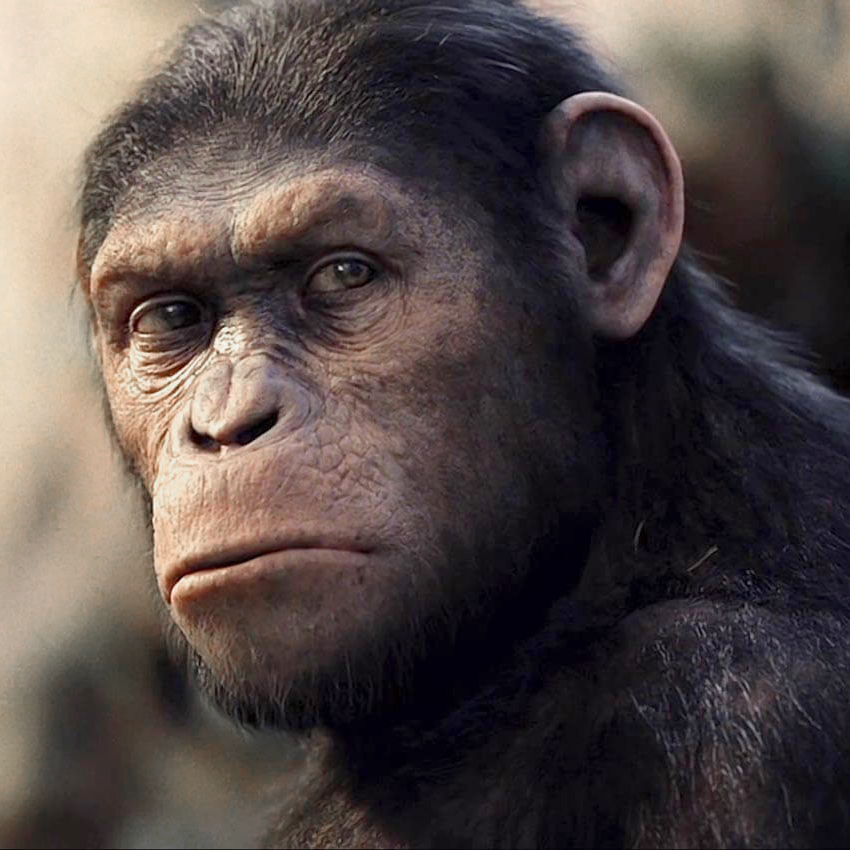
Mimic Productions develops high-end creature assets for teams that need convincing characters to perform inside Unreal, Unity and other real-time environments. For creature-led projects, the work is not only about visual impact. It is also about whether a model can hold up under close viewing, animate cleanly, and remain practical once it enters a live pipeline.
Our creature work combines concept exploration, modelling, rigging, groom and deformation support with real-time optimisation. That makes it suitable for stylised monsters, photoreal digital beasts and hybrid characters that need to be read clearly in motion. We shape proportions, anatomy, silhouette and surface detail so the design feels grounded, then prepare the asset for engine use with attention to textures, shaders, rig integration and animation fidelity.
Production challenges
What makes creature assets difficult in real time
Creature work adds technical pressure as soon as the design has to animate, respond to performance and survive engine constraints.
01
Anatomy must read in motion
A creature can look impressive in stills and still fail once it moves. Shape language, joints, muscle flow and silhouette need to stay believable across poses, especially when the design includes wings, tails, horns or other custom features.
03
Handoffs need to be practical
A real-time creature is usually part of a wider production chain. Teams need assets that are ready for animation, lighting and engine testing, with clear expectations around what is delivered and what still sits with the client or downstream vendor.
02
Detail has to stay efficient
High surface detail is useful only if the asset remains workable in engine. Textures, shaders, skin deformation and rig structure need to be organised so the creature keeps its quality without becoming too heavy for the intended runtime.
What your team gets
Why teams commission Mimic for creature-ready real-time assets
01
Design shaped for performance
We plan creatures around silhouette, movement and the way audiences read them in motion.
02
Production-ready asset build
Our output can include modelling, grooming, rig integration and surface preparation for real-time use.
03
Engine-aware optimisation
Assets are prepared with Unreal, Unity and other major real-time platforms in mind.
04
Support for live performance
Where required, creature characters can be prepared for real-time facial and body motion capture workflows.
Capabilities and deliverables
Core capabilities
-
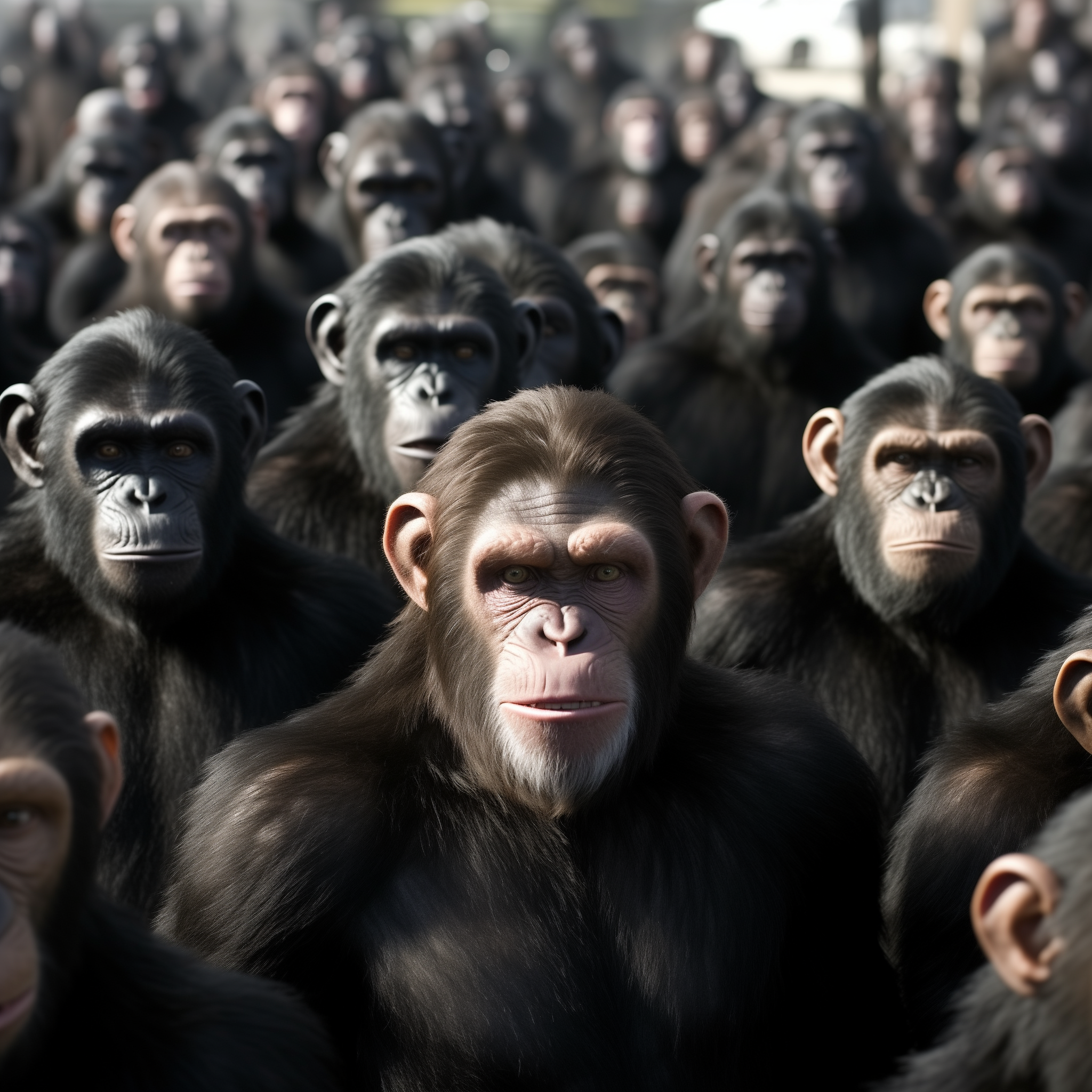
- Creature concept exploration. Use approved references to keep visual decisions consistent.
-
- Monster and beast modelling. Shape the asset around its proportions, intended views and downstream use.
-
- Photoreal and stylised design. Use approved references to keep visual decisions consistent.
-
- Groom and surface build support. Define the silhouette, density and behaviour needed in close-up and motion.
-
- Custom rig integration. Review proportions, range of movement and the animation handoff.
-
- Muscle and deformation planning. Review proportions, range of movement and the animation handoff.
-
- Real-time engine optimisation. Discuss the target application and practical performance constraints.
-
- Facial and body motion capture support. Identify the expressions and close-up detail required by the performance.
Production approach
How the pipeline is typically approached
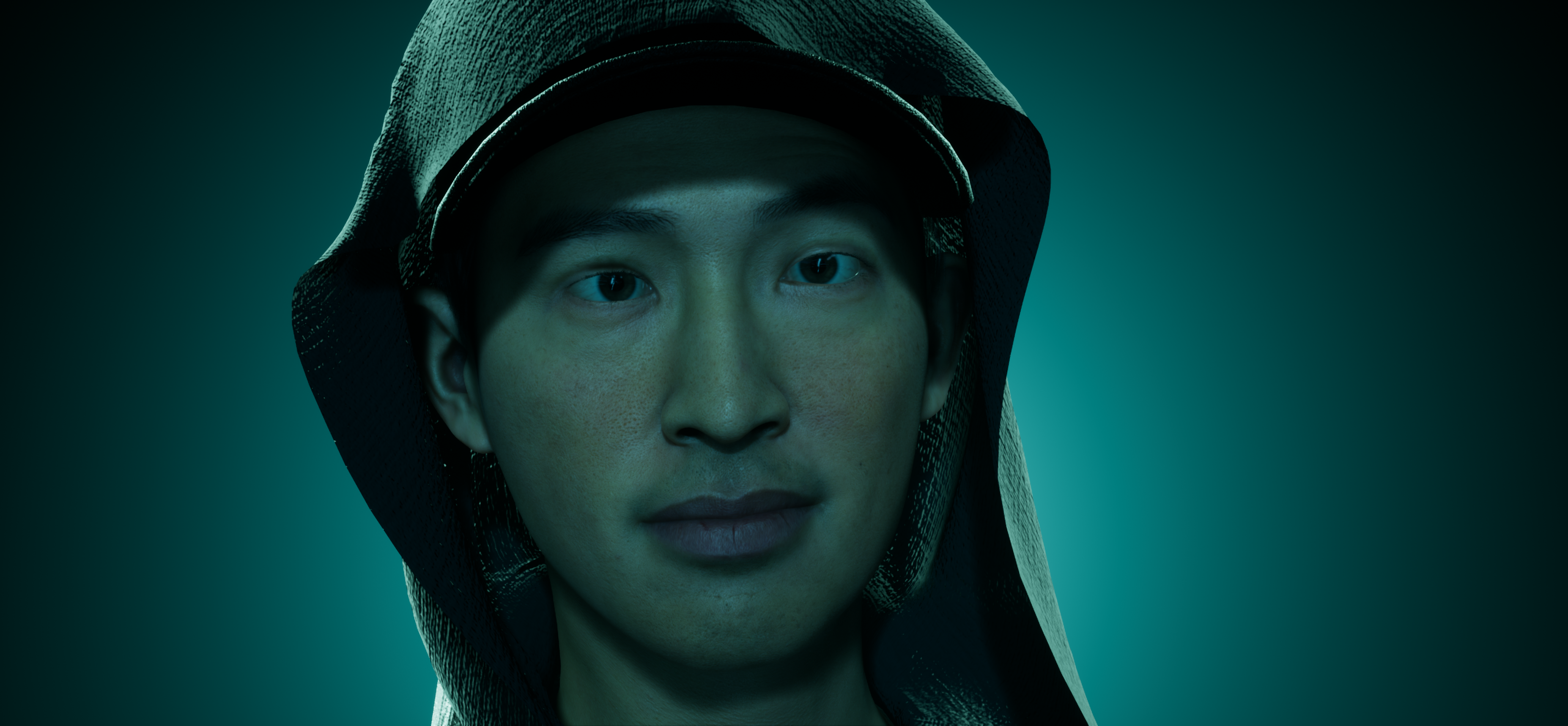
Creature creation starts with design exploration that tests anatomy, proportion and behaviour before the model is committed in detail. From there, the asset is shaped into a production-ready character with attention to rigging, surface quality and how the design will perform when animated. For real-time projects, the final stage is not only visual polish but also practical engine preparation. That includes checking texture fidelity, shader behaviour and animation response so the creature can be used in an interactive or cinematic pipeline without unnecessary rework.
Mimic’s real-time integration background is useful when the creature needs to sit inside Unreal, Unity or a similar environment. The focus is on delivering a character that feels alive, but is also workable for the client’s own production team once it leaves our studio.
For teams building games, film sequences, VFX shots, XR experiences or virtual performances, the question is usually how much of the creature journey should be handled before handoff. We support the asset side of that journey by preparing production-ready characters that are easier to test, light and animate in real time. If the project also needs live facial or body motion capture support, that can be considered as part of the wider real-time integration pipeline, depending on scope.
Specify the target application, camera distance and expected scene complexity. Review the asset in that context and agree responsibilities for optimisation, import and testing, including how materials and animation should behave in the final experience. For creatures, provide anatomy, silhouette and movement references, including how the design should behave in close-up and full-body views.
Explore our Real-Time Assets services and Creatures production.
Related production services: 3D Modeling for Creatures · 3D Animation for Creatures · Real-Time Assets for VFX.


How we work
Typical production flow
01
Brief and scope
We review the target medium, creature type, engine needs and the level of rigging or real-time support required before planning the build.
02
Design exploration
Anatomy, silhouette, behaviour and environmental context are explored so the creature design feels believable and usable.
03
Build and prepare
The character is modelled and supported with groom, rig and deformation planning, then optimised for the intended real-time workflow.
04
Validate for handoff
We check how the creature performs in animation and engine contexts so the client receives a character ready for their next production stage.
Frequently asked questions
Common questions
Are these creature assets only for games?
No. The same type of production can support games, film, VFX, XR and other real-time environments. The exact build depends on where the creature will be used, how much motion it needs and whether it must survive live engine performance or sit in a more controlled cinematic setup.
Can you create both photoreal and stylised creatures?
Yes. Our work includes work on realistic and stylised creature designs. The right approach depends on the project brief, the audience and how the asset needs to read in motion. We would normally shape the workflow around the desired look before moving into build and optimisation.
What is included in a real-time creature deliverable?
That depends on scope. A project may include concept exploration, modelling, groom support, rig integration, texture and shader preparation, and real-time optimisation. If the character needs to perform live, motion capture compatibility can also be discussed as part of the wider integration plan.
Do you provide the engine hardware or runtime system?
No. Mimic prepares the digital character asset and related integration support, but the client or their implementation partner normally handles the surrounding engine setup, deployment and hardware environment. That boundary is important for planning the handoff and for avoiding production delays later.
Can a creature asset be used for live performance?
Yes, if the project is planned for that purpose. The real-time integration material mentions facial and body motion capture systems that enable live performance. The character still needs to be designed and prepared for that workflow, so feasibility depends on the brief and technical requirements.
How do you make sure the asset is usable after delivery?
We focus on practical preparation: clean rig integration, animation response, surface quality and engine-aware optimisation. The aim is to hand over a character that the client can test and use without spending the first part of the project correcting avoidable technical issues.
Frequently asked questions