.png)


3D Modeling for Creatures
Built for creature teams that need believable assets
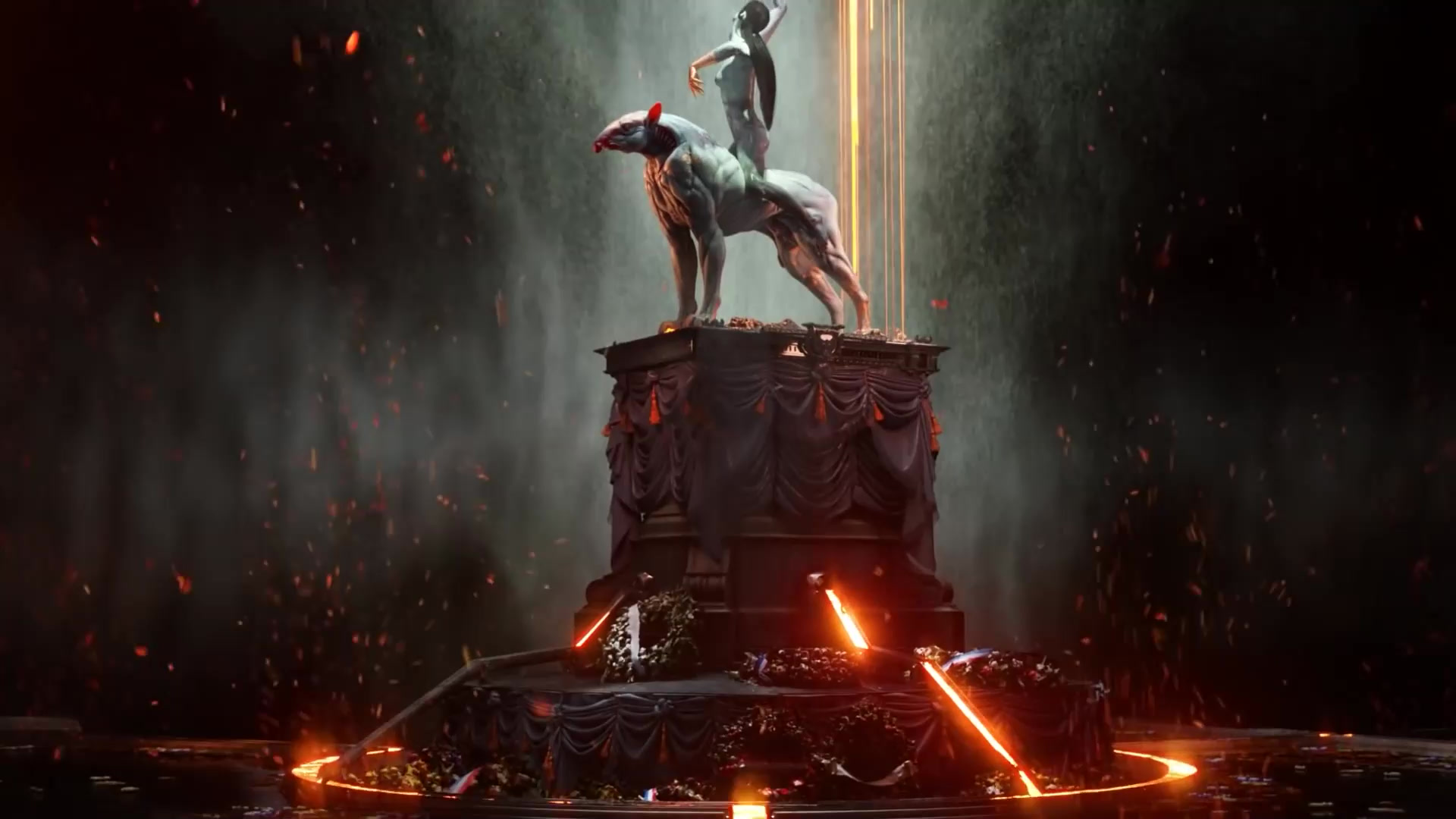
Creature work asks for more than a strong silhouette. It needs anatomy that reads from every angle, surface detail that supports the design, and a model that can move into rigging and animation without unnecessary rework. At Mimic Productions, 3D modeling for creatures begins with the intent of the project: a monster for a game, a digital beast for VFX, or a stylised figure that still feels physically grounded. The studio’s creature page describes high-end digital monsters and lifelike or stylised designs for games, films and VFX, while the character modelling service explains a workflow that can start from scans, reference images or concept art. That makes the service useful when a team already has a clear design direction, or when the design needs careful development into a usable 3D asset. For creature buyers, the main question is often not whether a design can look impressive in a still image. It is whether the asset will hold up in production.
Production challenges
Common creature asset problems
Creature projects often fail when design, anatomy and delivery are treated as separate tasks.
01
Designs that stay too generic
A creature can look interesting in concept art but lose impact once it is built in 3D. The modelling process has to preserve personality, readable form and believable structure.
03
Handoff friction for rigging and animation
A sculpt that looks strong in isolation may still need adjustment before movement, deformation or correctives are addressed. Creature assets should be planned with the next production step in mind.
02
Surface detail that does not hold up
Skin, scales, horns or other features need the right textures and maps to read under lighting. Without that, the asset may flatten out or lose realism in shot.
What your team gets
Why teams use this service
01
Grounded anatomy
Creature forms are shaped with anatomy, movement and physical logic in mind.
02
Flexible design start
Work can begin from scans, reference images or concept art, depending on the brief.
03
Map-ready detail
Textures and supporting maps help the model hold depth and material variation.
04
Pipeline awareness
Assets can be prepared with later rigging and animation needs in view.
Capabilities and deliverables
What the modelling service can support
-
- Creature concept development. Use approved references to keep visual decisions consistent.
-
- Monster and digital beast modelling. Shape the asset around its proportions, intended views and downstream use.
-
- Photoreal or stylised form development. Discuss the required result and production scope during the project briefing.
-
- Facial and body structure sculpting. Identify the expressions and close-up detail required by the performance.
-
- Texture and surface map creation. Identify the expressions and close-up detail required by the performance.
-
- Normal, displacement and diffuse maps. Discuss the required result and production scope during the project briefing.
-
- Custom correctives for deformation. Review proportions, range of movement and the animation handoff.
-
- Preparation for rigging handoff. Review proportions, range of movement and the animation handoff.
Production approach
How the creature asset is developed
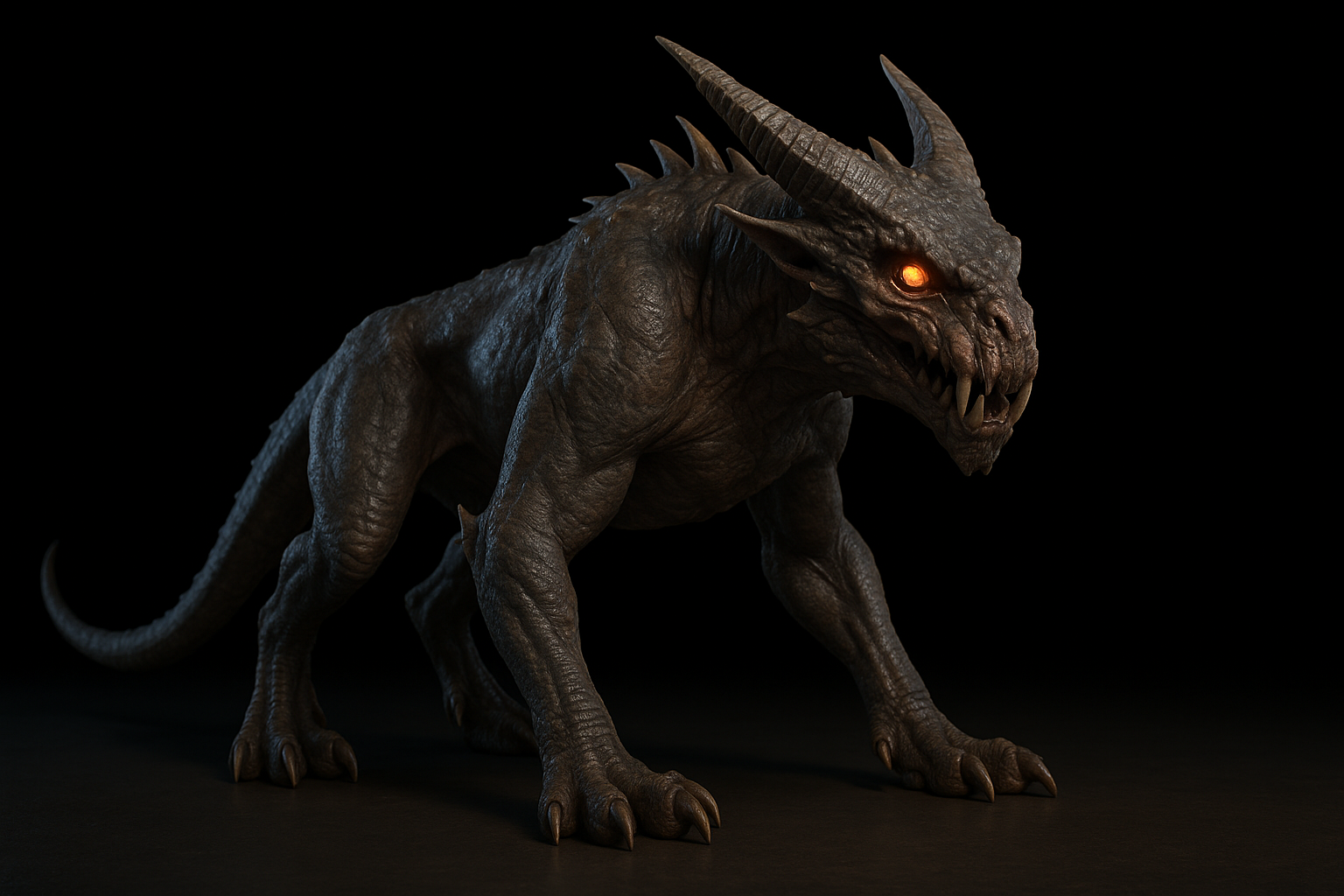
Creature modelling at Mimic Productions follows a practical production logic. The studio’s Our work includes a process that starts with research, sketches and early 3D forms, so the asset is not built as a generic sculpt but as a design with proportion, behaviour and environment in mind. That matters when the creature has to feel at home in a film frame, game world or VFX shot.
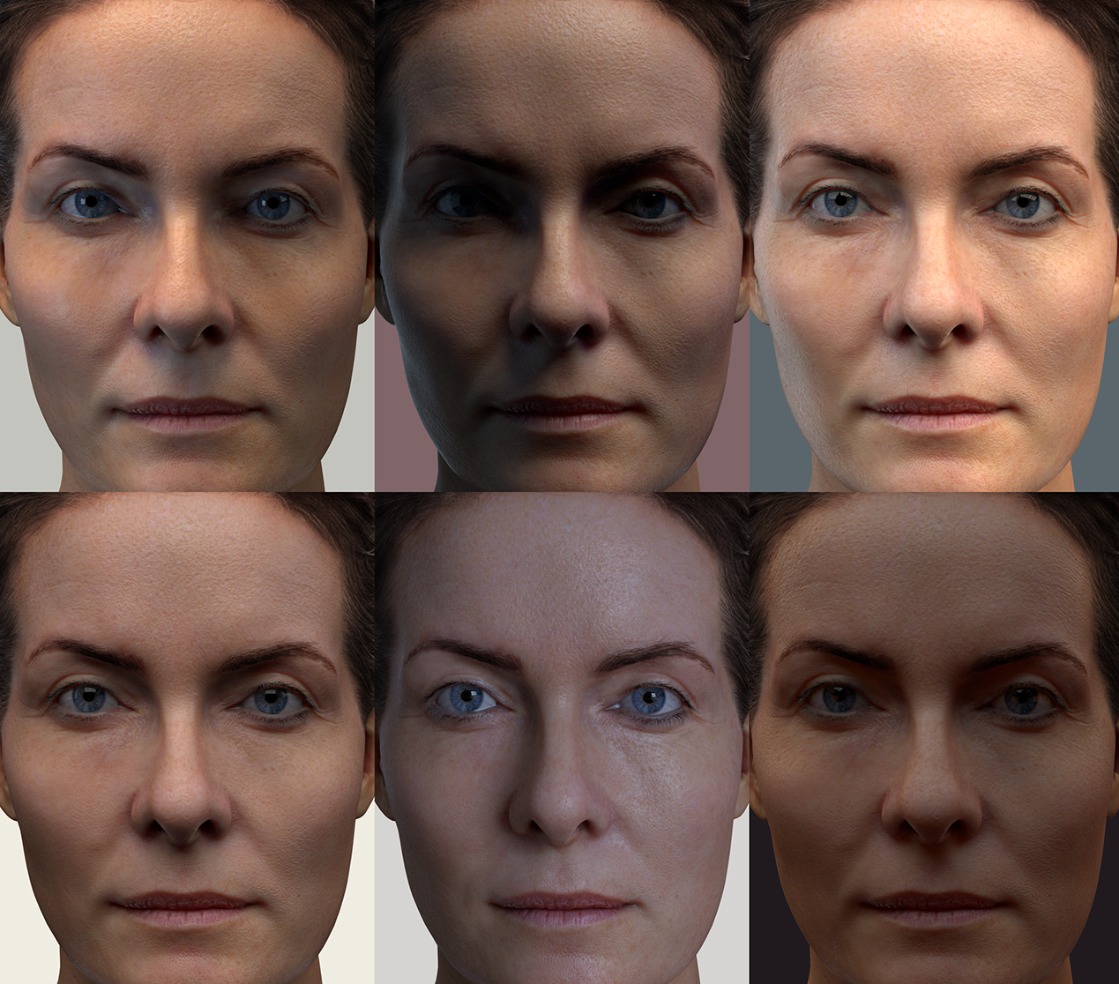
The modelling and texturing work then adds the detail that gives the asset credibility. Source text mentions lifelike skin textures, fine wrinkles, pores, veins, scars and supporting maps such as normal, displacement, diffuse, gloss, specular, depth and ambient. For creatures, the same thinking can support horns, tails, wings, scales or other custom features, with the final form shaped to suit the intended production use. When the project needs more than a static sculpt, the service can also connect to rigging workflows, including facial rigging, body rigging and custom control systems.
Provide reference views, intended camera distance and any existing scans or concept art. Agree the model’s proportions, surface detail and downstream rigging requirements so reviews assess the asset in the context in which it will actually appear. For creatures, provide anatomy, silhouette and movement references, including how the design should behave in close-up and full-body views.
Explore our 3D Modeling services and Creatures production.
Related production services: Character Rigging for Creatures · 3D Rendering for Creatures · 3D Modeling for VFX.


How we work
From brief to production handoff
01
Define the creature brief
We start with the intended use, visual style and technical needs, so the model is shaped for the right output rather than a one-size-fits-all sculpt.
02
Develop the form
Research, sketching and early 3D exploration establish anatomy, proportions and features such as limbs, tails, wings or horns.
03
Build detail and maps
The asset is refined with textures and supporting maps so surface materials read naturally under lighting and in the target environment.
04
Prepare the next step
If required, the creature can move toward rigging-ready delivery, with deformation needs and control considerations kept in view.
Frequently asked questions
Questions creature teams often ask
Can you start from concept art rather than a scan?
Yes. The source material says modelling can begin from scan data, reference images or concept art. That makes the service suitable when a creature exists mainly as a design brief and needs to be translated into a structured 3D asset. The final approach depends on how complete the concept is and what the downstream production requires.
Do you only make photoreal creatures?
No. The creature page states that Mimic Productions creates both stylised and photorealistic digital monsters. The right choice depends on the project, because some productions need visible realism while others need a more designed or graphic look. The important point is that the asset still needs to feel intentional and production-ready.
What technical details are included in the model?
The service source mentions support for normal, displacement, diffuse, gloss, specular, depth and ambient maps. In practical terms, that means the asset can carry detail through lighting and rendering, rather than relying only on sculpted form. The exact map set depends on the project brief and target pipeline.
Can the model be prepared for animation?
The source material says the workflow can extend to rigging, including facial rigging, body rigging and advanced control systems. That does not mean every creature leaves with a final rig, but it does mean the modelling stage can be planned with movement and deformation in mind so the handoff is cleaner.
Is this service suitable for games as well as film?
Yes. Both source pages refer to games, films and VFX, and also mention VR, AR and interactive simulations in the wider character modelling context. The actual deliverables will differ by medium, since real-time and cinematic projects have different technical limits and texture needs.
How do you handle unusual anatomy?
The creature source explains that the team studies anatomy, movement and environmental context before building the design. That is especially useful for non-human forms, because the asset still needs believable structure even when it includes wings, tails, horns or other distinctive features. The aim is to make the creature feel functional, not just decorative.
Frequently asked questions
Questions creature teams often ask
If you need a 3D creature model that is designed for realism, deformation and downstream production, start with Mimic Productions and shape the brief around your pipeline needs. Explore the modelling service and the creature studio page to see how the asset can be developed.