.png)


Motion capture for robotics
Performance data for humanoid systems
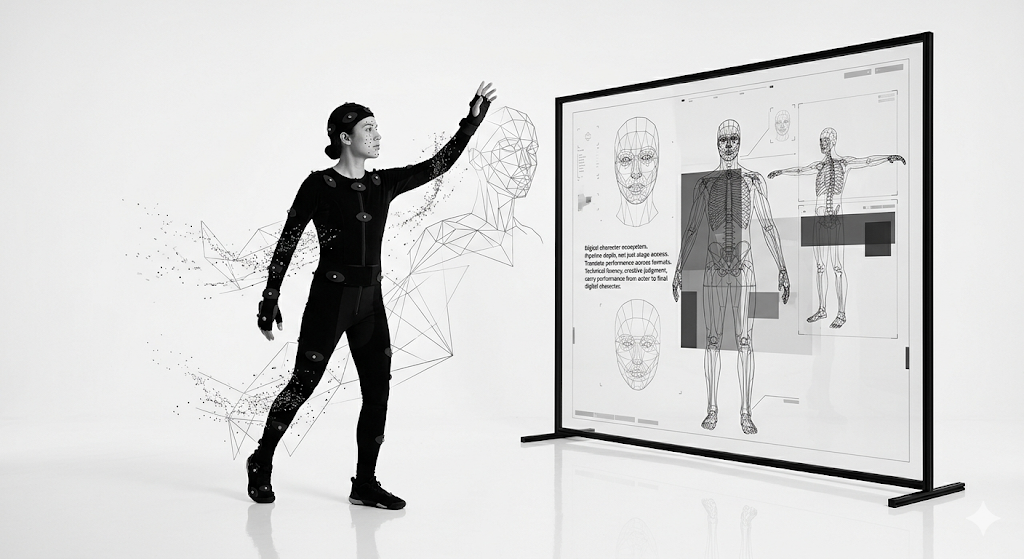
Robotics projects live or fail on how convincing they feel to people. For humanoid robots, the challenge is rarely only movement. Teams also need facial expression, timing, gesture clarity and a practical way to test how a character behaves before anything is built into hardware. Mimic Productions supports that work with motion capture, facial mocap, body tracking and realtime performance capture from the Berlin studio or on location.
The aim is to give robotics teams usable performance data, not abstract animation. We capture subtle facial movement, full body action and live applied animation for 3D characters where the robot or digital twin needs to read clearly in human interaction. That can support concept development, behavioural testing, presentation pieces, telepresence prototypes, simulation content or character-facing demonstrations.
Production challenges
Where robotics teams usually get stuck
Motion capture helps robotics teams when the capture plan matches the intended use case.
01
Expressive timing is hard to judge from static design
A robot face or body can look convincing in stills and still feel wrong in motion. Teams often need full performance data to evaluate whether expression, gesture and timing support human interaction.
03
Delivery must fit downstream technical workflows
Robotics work may require different outputs for simulation, realtime preview, presentation or character development. Capture only becomes useful when solving, editing and export are planned around the receiving pipeline.
02
Testing before fabrication needs dependable animation
Digital twins and humanoid concepts benefit from animation that can be reviewed early. Capture data helps teams assess interaction ideas, refine behaviour and communicate the robot’s intended presence before hardware decisions are finalised.
What your team gets
What this adds to a robotics workflow
01
Facial detail
Capture subtle expression and lip sync for more readable humanoid interaction.
02
Body performance
Record gestures and movement that support realistic motion and character timing.
03
Realtime options
Preview applied animation during live work, demonstrations or interactive sessions.
04
Practical delivery
Receive data cleaned, edited and exported in formats suited to your production team.
Capabilities and deliverables
Relevant capture capabilities
-
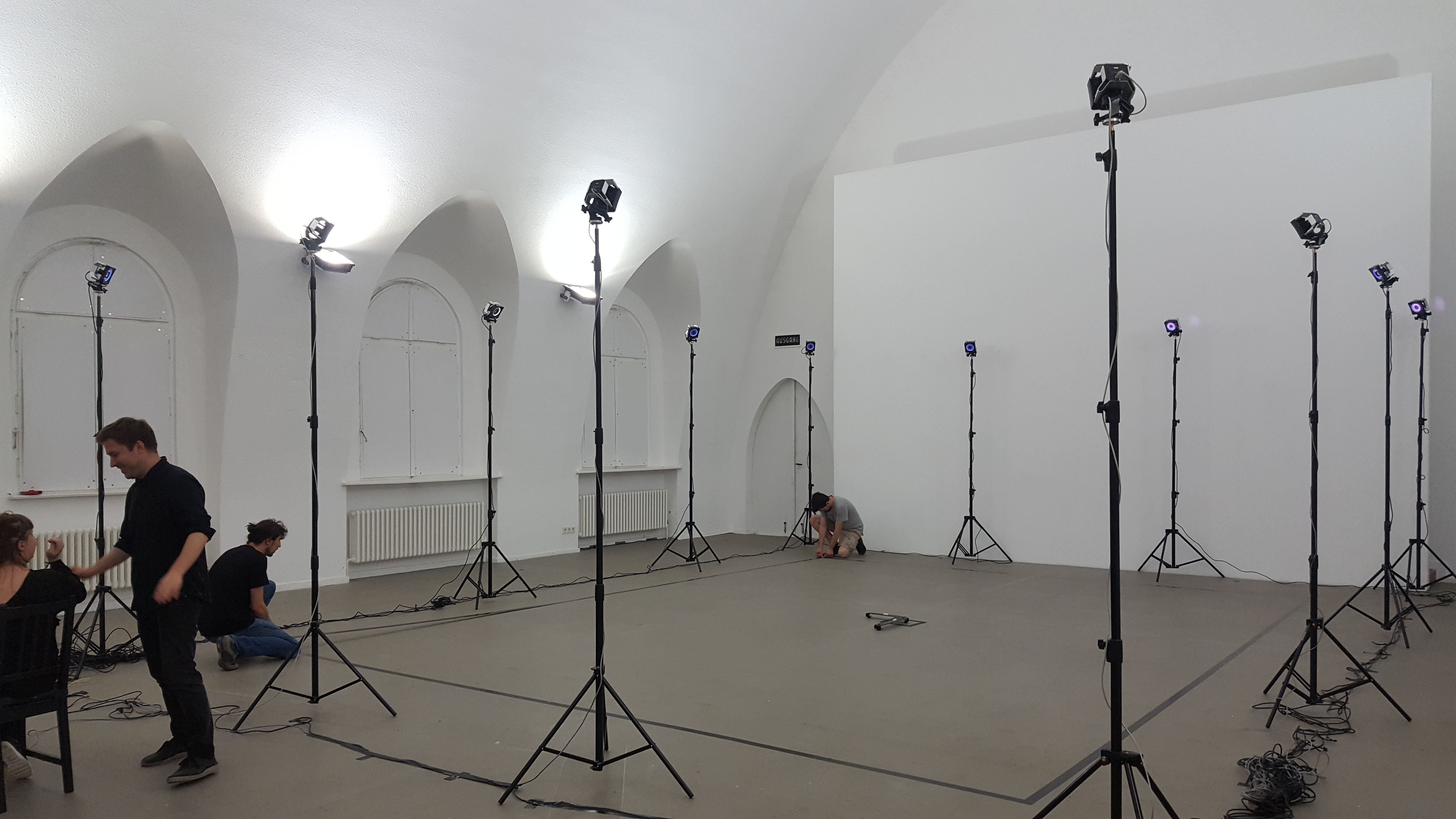
- Facial motion capture. Identify the expressions and close-up detail required by the performance.
-
- Body motion capture. Plan the session around action references and performance requirements.
-
- Realtime mocap. Plan the session around action references and performance requirements.
-
- Optical marker tracking. Discuss the required result and production scope during the project briefing.
-
- Wearable inertial capture. Plan the session around action references and performance requirements.
-
- Multiple performers. Plan the session around action references and performance requirements.
-
- Reference video recording. Use approved references to keep visual decisions consistent.
-
- Motion solving and export. Agree the required refinement and the checkpoints for reviewing movement.
Production approach
Built around the way robotics teams work
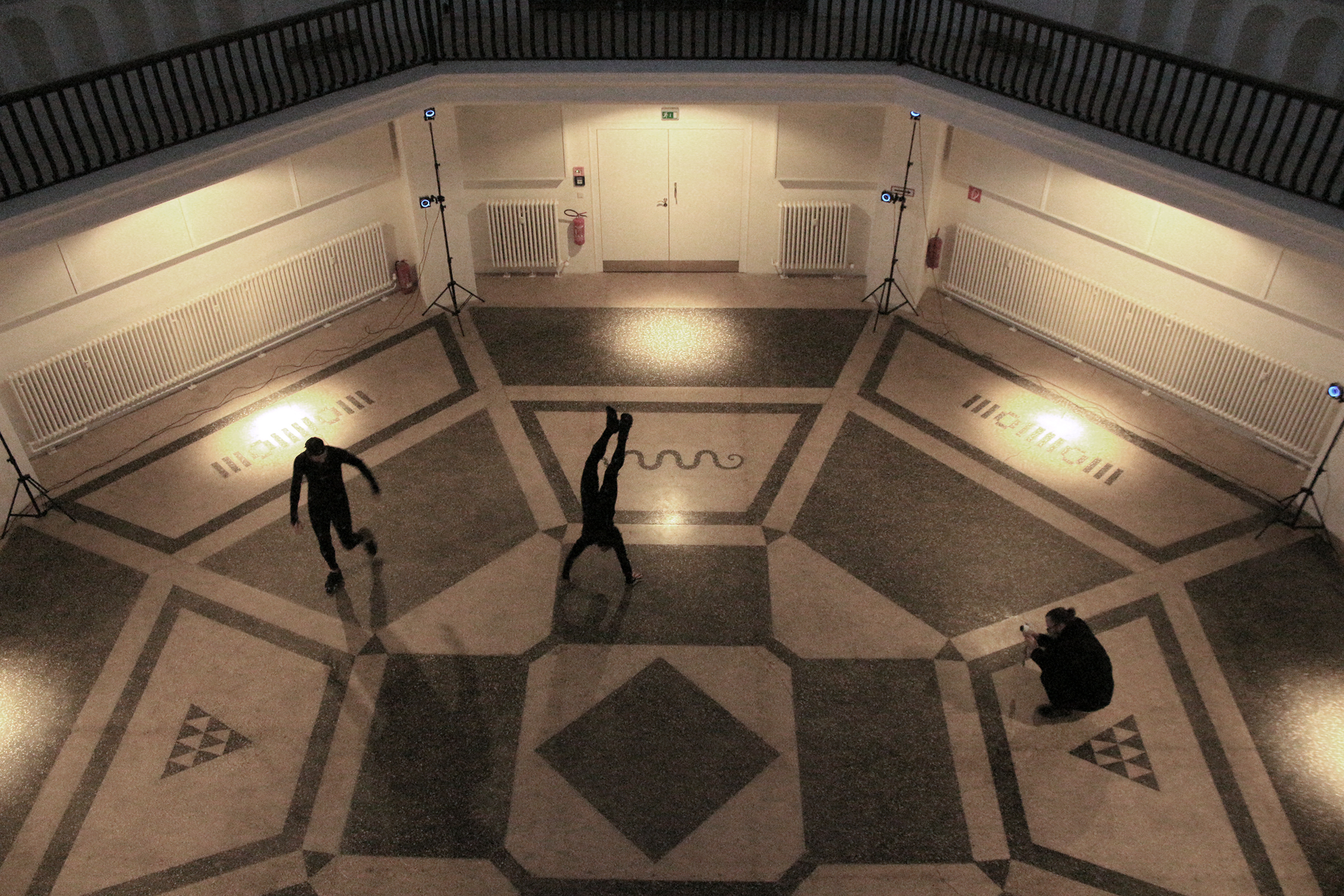
Mimic Productions offers facial and body motion capture for projects that need believable humanoid movement and expressive interaction. For robotics, that can mean developing facial animation for a digital character, testing how a humanoid behaves in a simulated environment, or producing realtime performance content for demos and live communication.
Our work includes optical and markerless capture options, support for performers, technical setup, solving, motion editing and delivery in standard formats such as FBX, C3D, Maya and 3ds Max. If your team is developing a robot appearance, an interaction layer or a digital twin, we can tailor the session to the capture space, the rig and the output your pipeline expects.
For robotics, handoff matters. A rig, a facial setup or a digital twin needs clean data and a clear production plan. We can help with performer casting, technical setup, capture, solving, motion editing and export so your team receives animation that is ready for further development rather than a raw recording with no context. If your project needs a physical robot appearance, motion content for a virtual humanoid, or facial animation for a research or presentation environment, this page is about that production layer.
Prepare an action list with references for timing, contact points and character proportions. Identify continuous performances, repeated cycles and facial requirements separately, then agree how takes will be reviewed and which cleanup or animation work belongs in the delivery scope. For robotics-related character work, distinguish digital appearance and animation requirements from the physical robot’s engineering and control systems.
Explore our Motion Capture services and Robotics production.
Related production services: 3D Animation for Robotics · Character Rigging for Robotics · Motion Capture for Conversational AI.


How we work
How a session is usually structured
01
Define the robotics use case
We map the session to the output you need, whether that is humanoid animation, facial performance, a digital twin review or realtime demonstration material.
02
Set up capture and performers
We plan the studio or on-location setup, select the right capture method and support performer casting where the motion needs a specific style or physicality.
03
Record and review
The capture is tracked with reference video and realtime preview where appropriate, so your team can assess movement before the session ends.
04
Solve and deliver
We clean and edit the motion, then export files in the format your pipeline can use for further robotics, animation or simulation work.
Frequently asked questions
Questions robotics teams ask
Can motion capture help before we have a physical robot?
Yes. Motion capture can be used for digital twins, character tests and presentation material before fabrication is complete. That lets robotics teams review gesture, facial timing and interaction behaviour early, then refine the design without waiting for final hardware.
Do you only work in the Berlin studio?
No. The motion capture service can be provided in the Berlin studio or on location, depending on what the project needs. That is useful when the team wants to capture in a specific environment or support a live event.
Can you capture both face and body in one session?
Yes. The service text states that facial mocap can be used together with optical body motion capture so body and facial data can be captured simultaneously. For humanoid robotics, that helps when the performance depends on expression, posture and timing working together.
Is realtime capture useful for robotics demos?
It can be. Realtime facial and body capture is described for AI motion capture, holograms, digital communication and live projections. In robotics, that may support interactive demonstrations or live character presentation, provided the rig and receiving system are planned in advance.
What files do we receive at handoff?
Mimic states that final data can be delivered in standard industry formats including FBX, C3D, Maya and 3ds Max. The right choice depends on your robotics pipeline, whether you are feeding animation into a simulation, a character rig or another downstream step.
Can this be used for physical robot control?
Motion capture can provide performance data for robotics development, but the service page does not claim to supply physical control systems. It is best understood as a production layer for face, body and realtime character motion that can support humanoid design, digital twins and interaction testing.
Frequently asked questions