.png)


Hair and cloth for sports
Built for sports stories that need motion to feel right
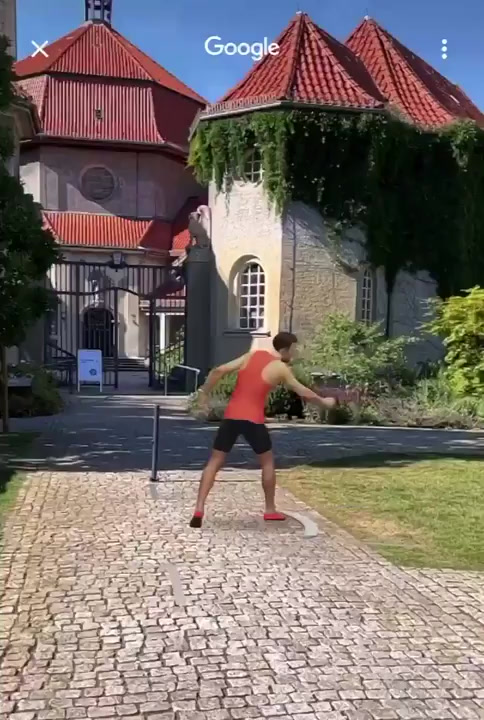
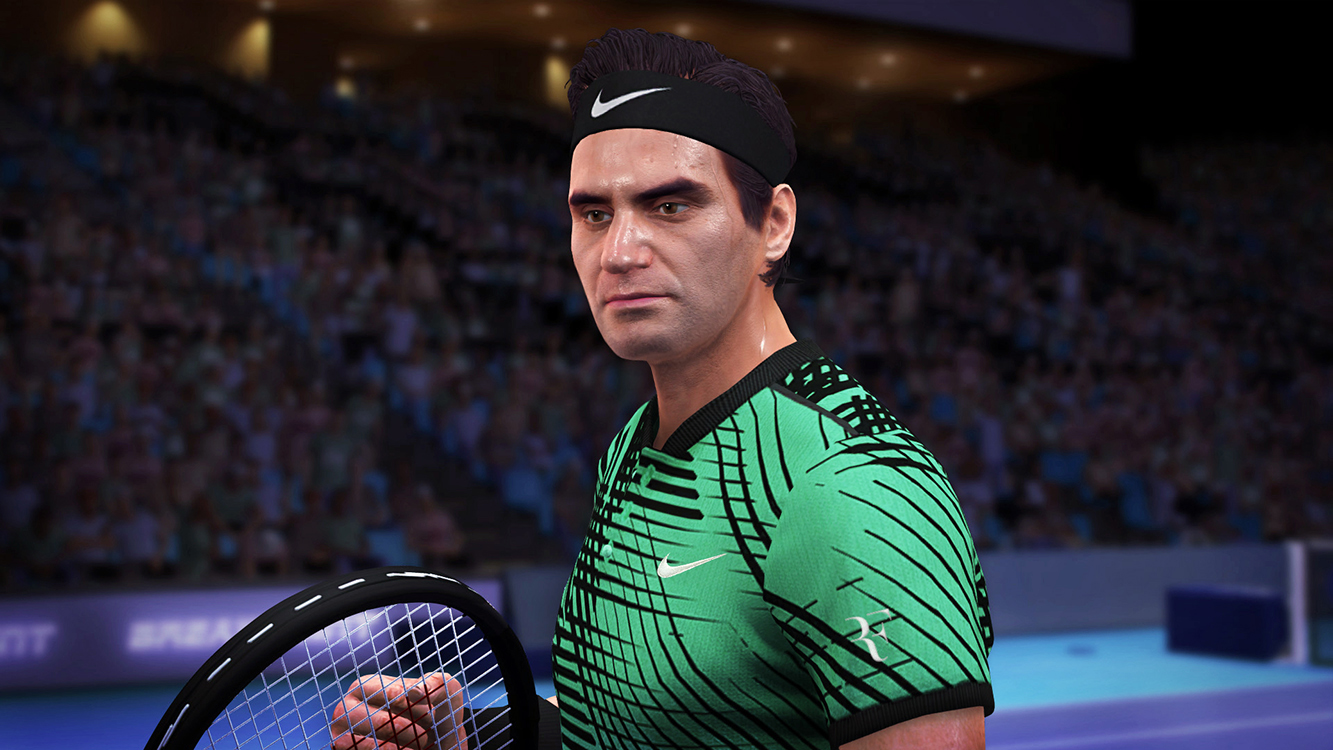
In sports content, the smallest movements often carry the most meaning. A jacket that hangs correctly during a turn, ponytail motion in a sprint, or a jersey that reads clearly under camera movement can make a digital character feel credible. Mimic Productions creates 3D hair simulation and 3D cloth simulation for characters, avatars and digital doubles, with options that suit cinematic work as well as real-time environments. For sports brands, teams and creators, the decision is rarely only about visual polish. It is also about whether the asset can hold up across trailers, interactive experiences, virtual events and game engines. Our studio works with full simulation, rigged approaches and optimised real-time setups, so the production route can match the hairstyle, garment design, budget and target platform. That means longer hair can move dynamically when needed, while shorter or stylised looks can be handled with rigged skin binding. For cloth, we can simulate folds and flow with advanced solvers or use weighted rigged cloth where performance matters more than physical detail. Sports projects often need a practical balance between authenticity and speed. A campaign asset may need cloth that reacts naturally to motion, but an XR feature may need the same character to stay within a lower polycount and run efficiently. We can support those decisions early, before animation or delivery constraints force late changes. When the work is aimed at virtual football experiences, augmented reality, games or live productions, our real-time hair and clothing workflows are shaped to stay responsive without losing material realism. The result is not just believable hair and fabric, but a production pipeline that helps sports characters stay usable across formats.
Production challenges
What makes sports character grooming difficult
Sports assets need realism, performance and consistency across fast motion and multiple outputs.
01
Fast movement exposes flaws
Running, turning and jumping quickly reveal awkward hair motion, collapsed garments and poor weighting.
03
Fabric and hair must stay believable
Team kits, training wear and stylised hairstyles need to read as physical materials, not rigid shapes.
02
One asset must serve many outputs
A sports character may need to work in film, social, XR or game engines, each with different limits.
What your team gets
How the right setup helps
01
Choose the right simulation depth
Use full dynamic simulation, rigged hair or rigged cloth according to motion style and platform constraints.
02
Support real-time delivery
Prepare hair and cloth for interactive use in engines such as Unreal and Unity when needed.
03
Keep sports details visible
Preserve folds, motion and silhouette so the asset reads clearly in close-ups and action shots.
04
Plan for handoff early
Align simulation choices with animation, engine setup and final delivery so the character stays practical to use.
Capabilities and deliverables
What we can provide
-
- Full 3D hair simulation. Define the silhouette, density and behaviour needed in close-up and motion.
-
- Bone-driven hair for real-time use. Define the silhouette, density and behaviour needed in close-up and motion.
-
- Non-dynamic rigged hair. Review proportions, range of movement and the animation handoff.
-
- Advanced 3D cloth simulation. Review fit, movement and intersections against the garment reference.
-
- Rigged cloth weighted to animation. Review proportions, range of movement and the animation handoff.
-
- Real-time hair and clothing optimisation. Define the silhouette, density and behaviour needed in close-up and motion.
-
- Unreal and Unity ready outputs. Discuss the required result and production scope during the project briefing.
-
- Support for avatars and digital doubles. Define the character’s role, appearance and intended interaction setting.
Production approach
A practical pipeline for sports production
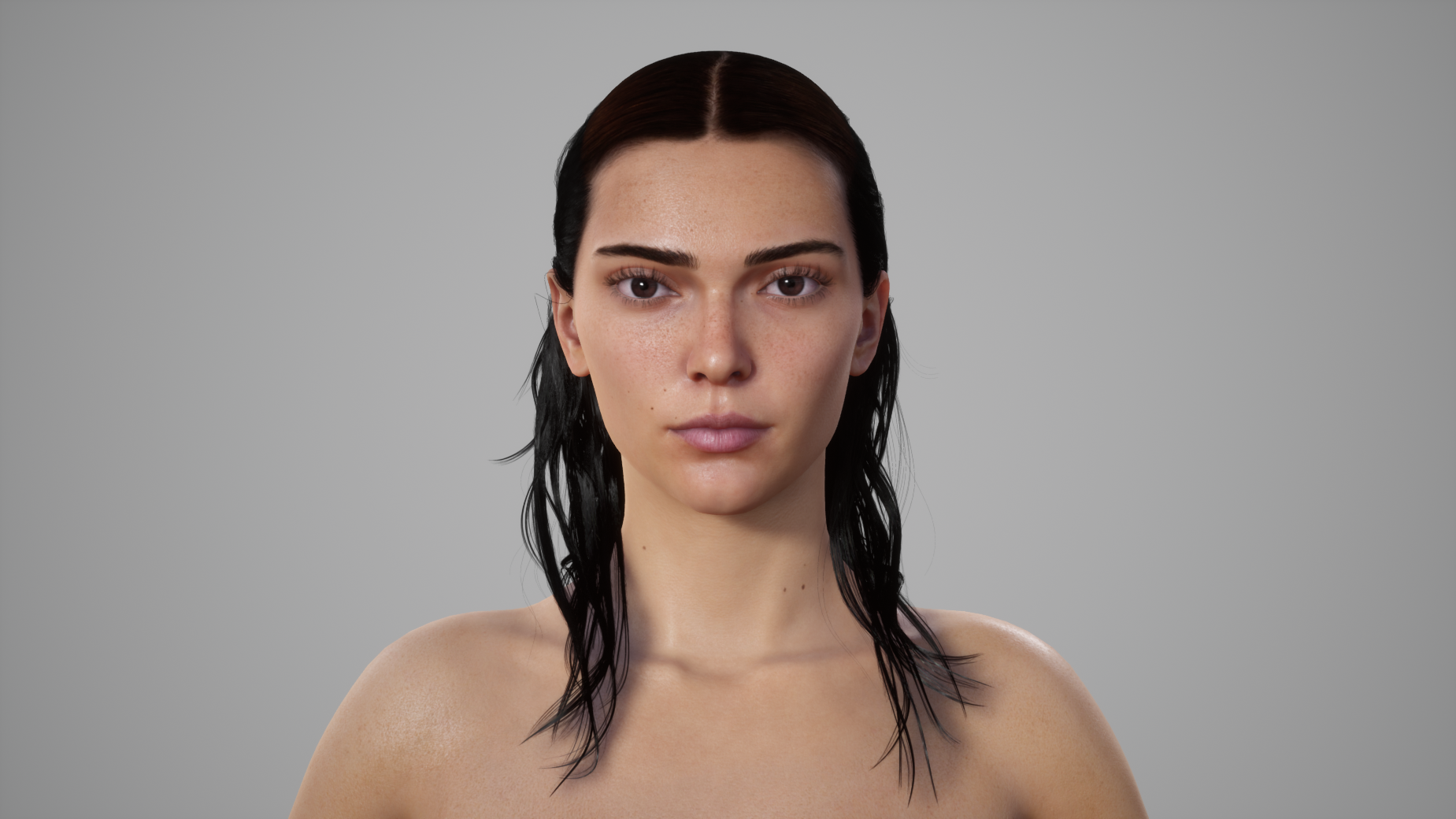
Mimic Productions combines hair and cloth work with character production thinking, so garments and grooming are not treated as isolated details. For sports projects, that means deciding whether the asset needs strand-level motion, a lighter rigged solution or a hybrid setup that can carry across platforms. We can advise on style, performance and technical requirements before the asset is locked, which helps avoid rework later.
For cloth, our simulation methods are suited to garments that need to flow and fold convincingly, while rigged cloth can be used where responsiveness and optimisation matter most. For hair, we support approaches from full simulation to non-dynamic binding, depending on the hairstyle and intended use. This gives sports teams a clear route whether they are building a digital athlete, a virtual appearance or a character for interactive media.
Provide grooming and garment references together with the character’s planned movement. Review the silhouette in still poses and in motion, and discuss intersections, material appearance and the requirements of the target rendering or real-time pipeline. For sports content, share references for the specific movement and equipment, and identify the angles needed to assess timing and body mechanics.
Explore our Digital Hair and Clothing services and Sports production.
Related production services: 3D Modeling for Sports · 3D Animation for Sports · Digital Hair and Clothing for Gaming.


How we work
How a project typically moves forward
01
Review the character need
We look at hairstyle, clothing type, motion style and final platform so the simulation method fits the brief.
02
Select the right approach
Full simulation, rigged hair, rigged cloth or a real-time variant is chosen according to realism and delivery targets.
03
Test motion and performance
We check how the asset behaves under sport-specific movement, then adjust for folds, silhouette and runtime efficiency.
04
Prepare handoff files
The final delivery is shaped for animation, engine integration or campaign rendering.
Frequently asked questions
Common questions
Do you only use full simulation for hair and cloth?
No. We also work with bone-driven hair, non-dynamic rigged hair and rigged cloth. Those lighter methods are useful when the sports asset needs to perform well in real time or when the hairstyle and garments do not require strand-level or solver-driven motion.
Can this work for real-time sports experiences?
Yes. Our source material specifically notes real-time hair and clothing simulation for engines such as Unreal and Unity. That makes the service suitable for interactive sports projects, virtual events and other productions where the character must remain responsive while still looking polished.
Is this suitable for jerseys, training wear and layered outfits?
It can be. Cloth simulation is designed to handle garments that flow and fold like real fabric, while rigged cloth is useful for items that need to follow the body cleanly with less simulation overhead. The best choice depends on garment shape, motion and the target output.
Can you help if we are still deciding on the pipeline?
Yes. A large part of the service is choosing the correct route before production gets too far along. We can compare full simulation, rigged solutions and real-time requirements against your art direction, so the asset is built around a practical delivery plan.
Does this include character creation from scratch?
The sports source mentions character creation and avatar customisation, while the hair and cloth source focuses on grooming and garments. For a broader character build, we can align the hair and clothing work with the wider character pipeline, but the scope should be agreed clearly.
Can this be used for digital doubles?
Yes. The hair and cloth service is described as suitable for characters, avatars and digital doubles. For sports content, that is helpful when the goal is to make a player-like figure feel believable in close-up, motion-led or interactive contexts.
Frequently asked questions