.png)
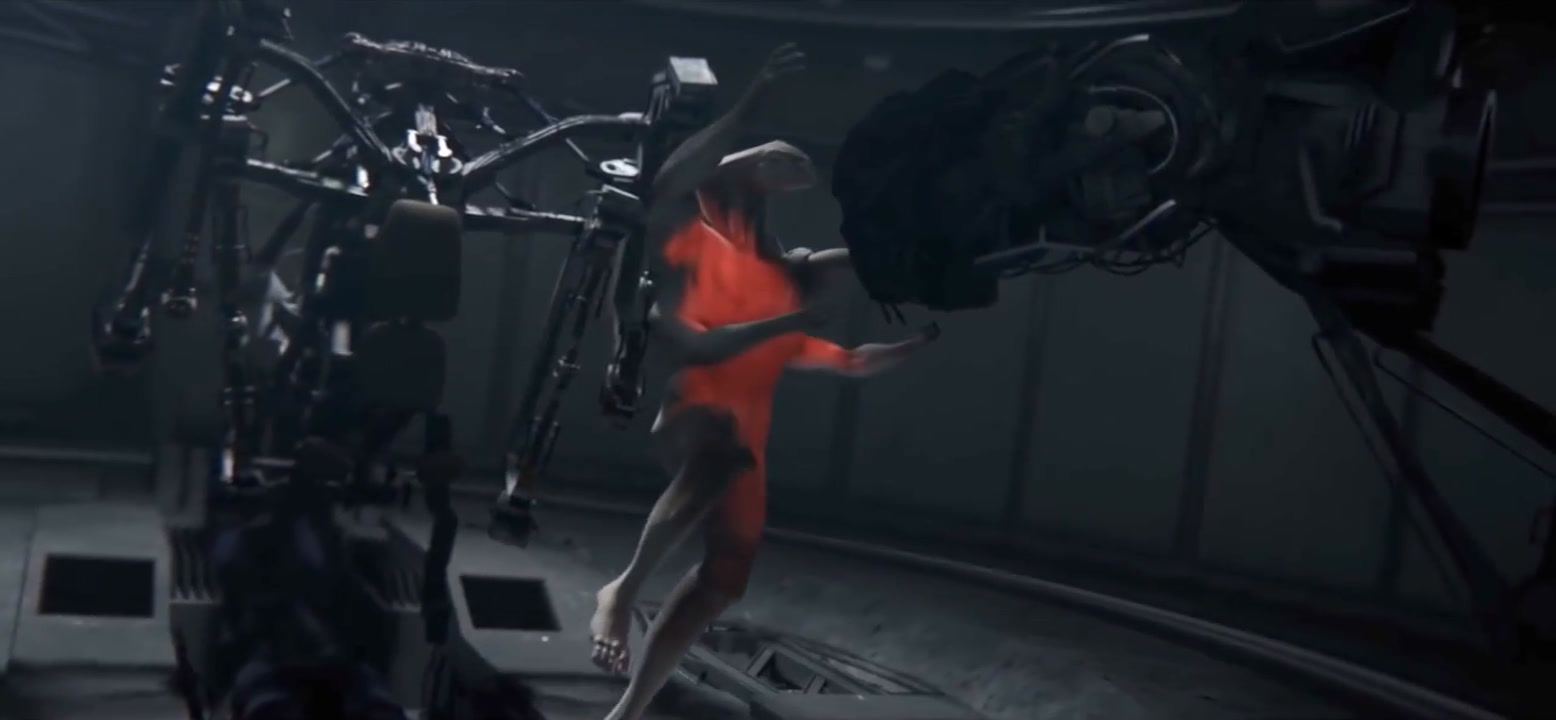
Hair and Cloth Simulation for Gaming Characters
Mimic Productions in Berlin creates realistic hair and cloth simulation for game characters, cut-scenes and real-time avatars. We shape performance-ready assets for Unreal, Unity and other production pipelines, balancing visual fidelity with practical runtime needs.


Gaming character production
Built for real-time characters that still read as human
Hair and cloth are often the difference between a character that looks assembled and one that feels alive. In games, those details also have to work inside a practical production pipeline. That means choosing the right approach for the asset, the platform and the scene, then keeping the result stable for gameplay, cinematics or both.
Mimic Productions is a Berlin-based character studio working across 3D hair simulation and 3D cloth simulation for gaming, XR and other real-time environments. Our service covers full simulation, rigged solutions and optimised setups for engines such as Unreal and Unity. We can advise on the trade-off between motion quality and runtime efficiency, whether the goal is a hero character for a cinematic moment, a lighter setup for gameplay, or a stylised character that still needs believable movement.
Production challenges
Common production issues we help solve
Hair and cloth need to look convincing and still behave inside the constraints of a game pipeline.
01
Keeping motion believable
Static or poorly weighted hair and clothing can break immersion as soon as a character moves. We shape simulation and rigging choices around the intended motion, from subtle idle movement to more active gameplay or cinematic performance.
03
Matching the character style
Short stylised hair, long dynamic strands and layered garments each need a different treatment. Our approach is driven by the character’s look, the platform and how close the camera will get in gameplay or cut-scenes.
02
Balancing detail and runtime
Heavy simulation is not always practical for real-time production. We help teams choose between full simulation, bone-driven systems and rigged approaches so the asset stays efficient without losing the character of the design.
What your team gets
What this adds to a game asset
01
More convincing silhouettes
Hair and clothing help define the character before the face is even read.
02
Better performance planning
We can match the setup to real-time needs rather than forcing one method everywhere.
03
Cleaner production decisions
Teams get a clear recommendation based on style, budget and platform.
04
Ready for multiple contexts
The same character can be shaped for gameplay, cut-scenes or promotional renders.
Capabilities and deliverables
Service capabilities
-
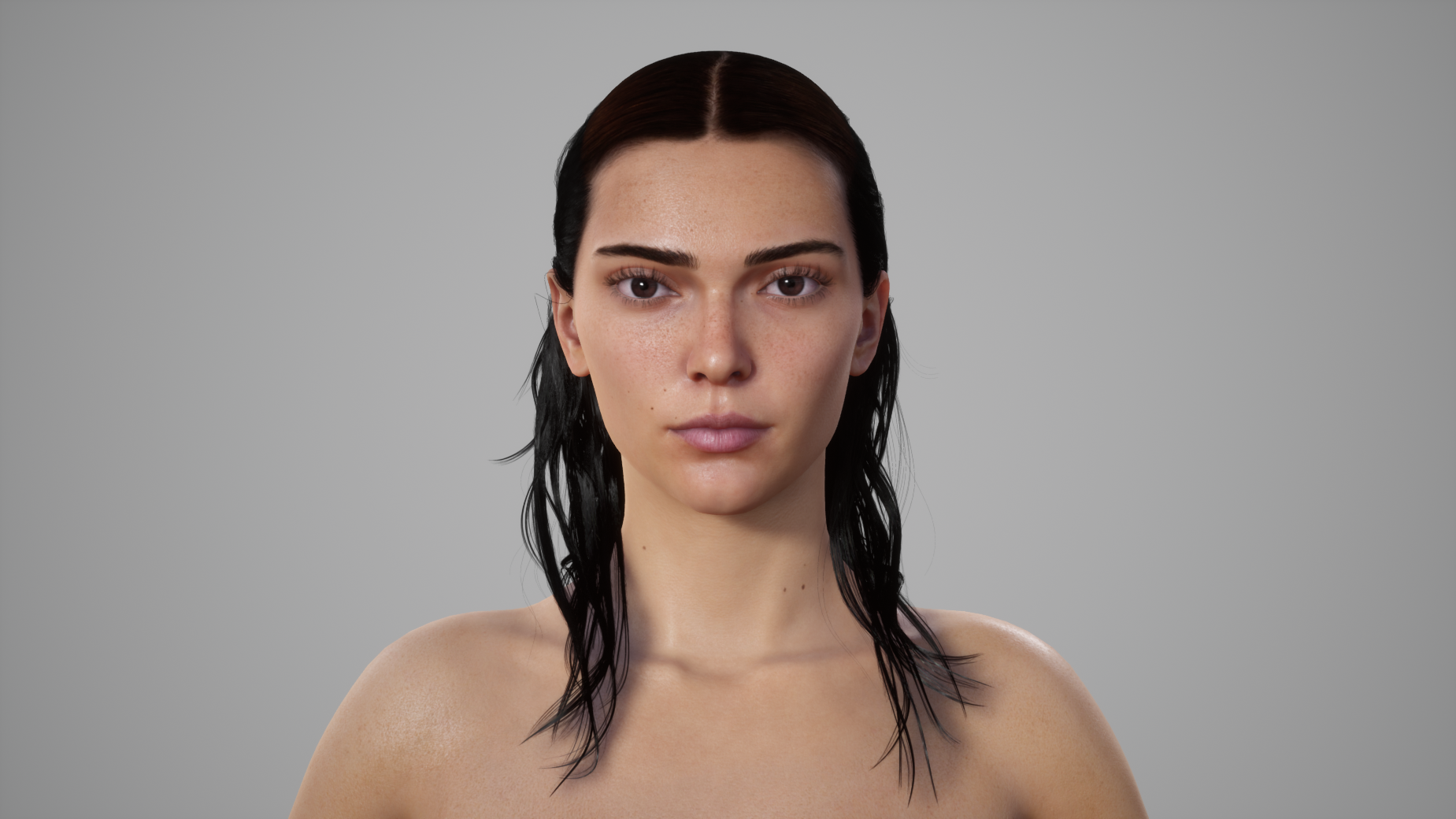
- Full 3D hair simulation. Define the silhouette, density and behaviour needed in close-up and motion.
-
- Bone-driven real-time hair. Define the silhouette, density and behaviour needed in close-up and motion.
-
- Rigged non-dynamic hair. Review proportions, range of movement and the animation handoff.
-
- 3D cloth simulation. Review fit, movement and intersections against the garment reference.
-
- Rigged cloth weighting. Review proportions, range of movement and the animation handoff.
-
- Unreal and Unity optimisation. Discuss the target application and practical performance constraints.
-
- Character look development support. Set a clear scope and review sequence with your production team.
-
- Real-time handoff for games. Discuss the target application and practical performance constraints.
Production approach
How we approach the work
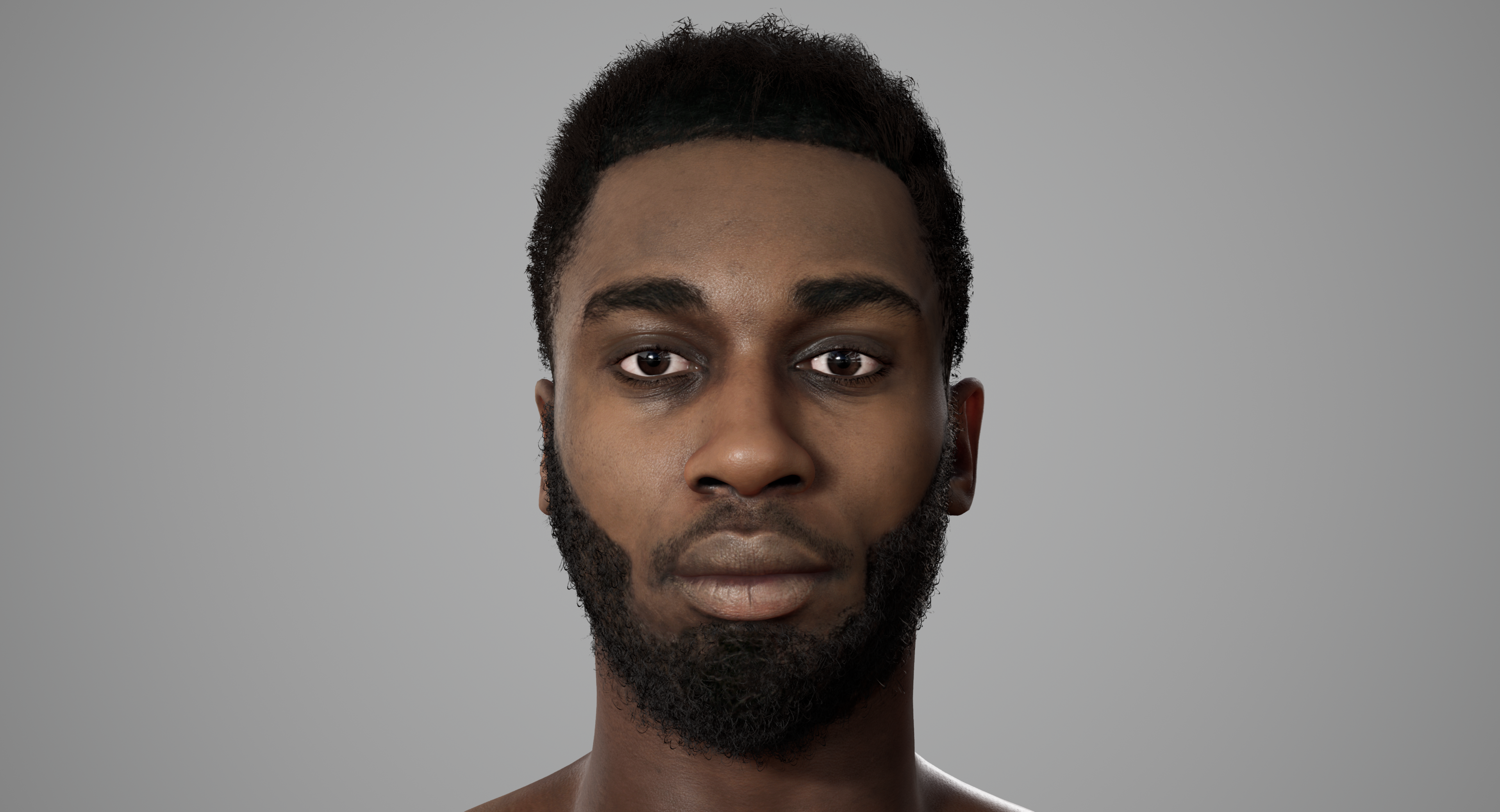
Hair and cloth are never solved in isolation. They sit on top of the character design, the rig, the animation style and the target engine. Our job is to make those elements work together so the asset behaves as expected in motion.
For gaming projects, that usually means deciding early whether a feature should be simulated, rigged or simplified for runtime. Full simulation can bring a strong cinematic finish. Bone-driven systems can provide smoother performance for interactive use. Rigged cloth and hair are often the most practical answer when the character needs to stay light and responsive.
We can support hero characters, supporting cast and avatar-style assets where the visual read matters but the pipeline still has to stay efficient. The goal is not to add complexity for its own sake, but to deliver hair and clothing that fit the production plan and the final experience.
For hair, we work with three proven strategies: full simulation for dynamic strand movement, bone-driven hair for smoother real-time performance, and non-dynamic rigged hair for short or stylised looks. For cloth, we can build simulated garments that fold and flow naturally, or rigged cloth that follows the body efficiently. That makes the service useful when a team needs character realism without overloading the build.
This page is for game teams, character artists and production leads who need hair and clothing solved as part of a broader character pipeline, not treated as a late-stage cosmetic extra. We focus on clean handoff, platform fit and the look of the final character in motion.
Explore our Digital Hair and Clothing services and Gaming production.
Related production services: 3D Modeling for Gaming · 3D Animation for Gaming · Digital Hair and Clothing for XR.


How we work
Typical delivery path
01
Review the character
We look at hairstyle, garment design, camera distance and platform needs to decide which solution is most practical for the build.
02
Propose the setup
Based on the asset and use case, we recommend full simulation, bone-driven motion or a rigged approach for hair and cloth.
03
Build and refine
We tune the movement against the character rig and animation so the result stays believable in motion and remains production-ready.
04
Prepare handoff
The final setup is delivered with the target pipeline in mind, so your team can continue implementation or integration with fewer surprises.
Frequently asked questions
Frequently asked questions
Do you only use full simulation for hair and cloth?
No. Full simulation is one option, but it is not always the right one for games. We also work with bone-driven hair and rigged hair or cloth when the project needs better runtime performance, simpler integration or a more stylised result.
Can this be used for real-time gameplay assets?
Yes. The service is designed for both cinematic and real-time environments. We optimise hair and clothing for engines such as Unreal and Unity, with the aim of keeping the character visually convincing while respecting performance constraints.
What kind of characters are best suited to this service?
Hero characters, avatar-style assets and any model where hair or clothing contributes strongly to the visual read are good candidates. The right method depends on the style, camera distance, motion pattern and how much simulation the production can support.
Can you help us decide between rigged and simulated cloth?
Yes. That decision is part of the service. Rigged cloth can be effective for real-time use, while simulated cloth may be better for richer movement in cinematics or controlled shots. We help match the solution to the asset and the platform.
Is this a standalone hair or cloth service?
It can be standalone, but it also sits naturally inside a wider character pipeline. Hair and cloth often need to be aligned with rigging, animation and real-time character development, so we can work alongside those stages rather than treating them separately.
Do you provide the game engine itself?
No. We provide the character-side hair and cloth production work, along with optimisation for real-time workflows. The game engine, project integration and final implementation remain with your development team or technical partners.
Frequently asked questions