.png)
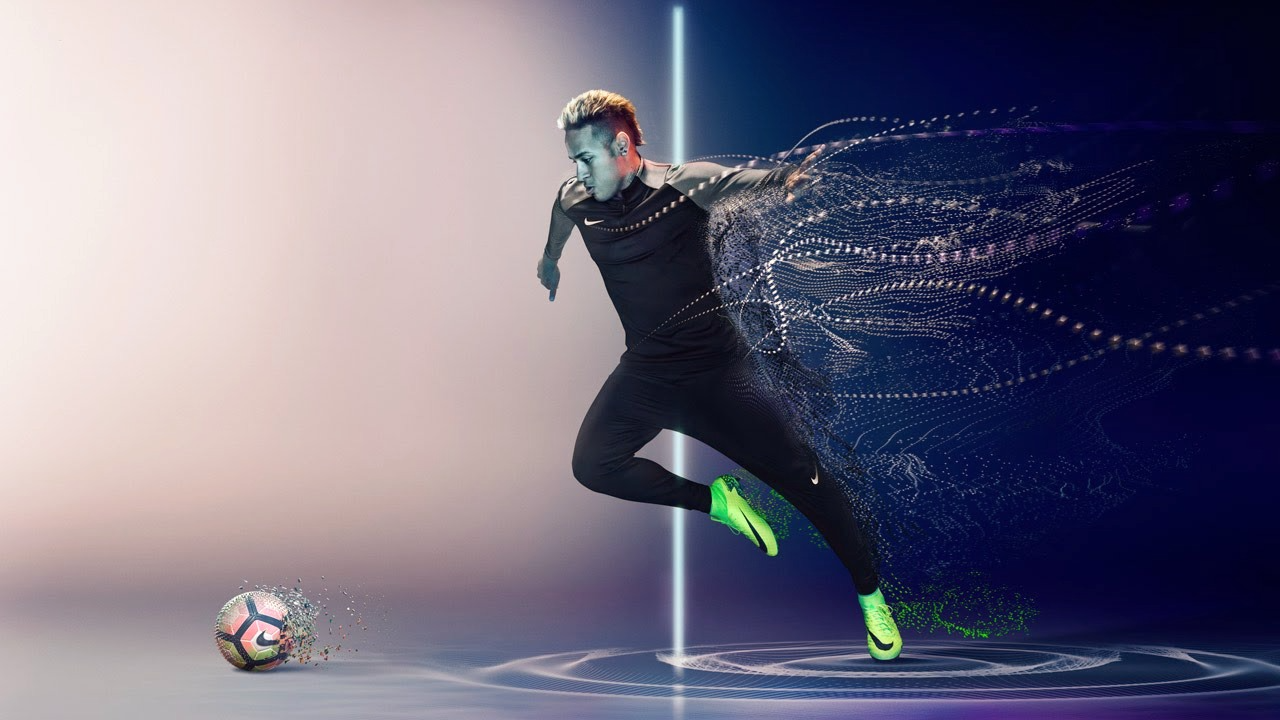


Sports 3D Modeling
Built for sports content that needs believable character detail
Mimic Productions creates photo-realistic 3D character models from scans, reference images or concept art, with sports projects in mind from the start. For teams, brands, broadcasters and experience studios, that can mean athlete likenesses, digital doubles, training assets, campaign characters or avatars for virtual and augmented reality. The work is grounded in facial and body modelling, sculpting, texturing and texture maps, so the final asset is shaped for realism rather than just a good still image. Skin detail, muscle structure, proportions and expression are handled together, which matters when a model has to sit beside live action footage, appear in a game engine, or support a metaverse-style experience. Sports projects often need a mix of visual accuracy and practical delivery. A campaign hero asset may need close-up polish, while an XR or interactive asset may need careful attention to polycount, level of detail and map usage. Mimic’s sports and fitness source material also points to motion capture, scanning athletes, avatar customisation and virtual or augmented reality pipelines, so the likely scope is broader than a single model file. That makes the handoff as important as the sculpt itself: textures, maps, technical limits and intended use should all be defined before production begins.
Production challenges
Common sports production pressures
These are the practical issues that usually shape the brief.
01
Real likeness under scrutiny
Athlete-facing content often needs a recognisable face, body and posture without losing realism in close-up.
03
Keeping assets usable downstream
Sports models often need to work with rigging, animation, motion capture or engine optimisation, so structure matters as much as appearance.
02
Different outputs for different channels
A hero render, an interactive avatar and an XR asset may each need different levels of detail, texture treatment and file planning.
What your team gets
What this approach supports
01
Facial and body realism
Sculpting can capture anatomy, expression and proportion in a way that suits athlete likeness work.
02
Reference-led builds
Models can start from scans, reference photos or concept art, depending on what the project has available.
03
Texture depth
Skin, fabric and surface detail can be developed with maps that support believable light response.
04
Production-ready handoff
Assets can be prepared with technical considerations in mind for animation, XR or further character work.
Capabilities and deliverables
Relevant capabilities
-
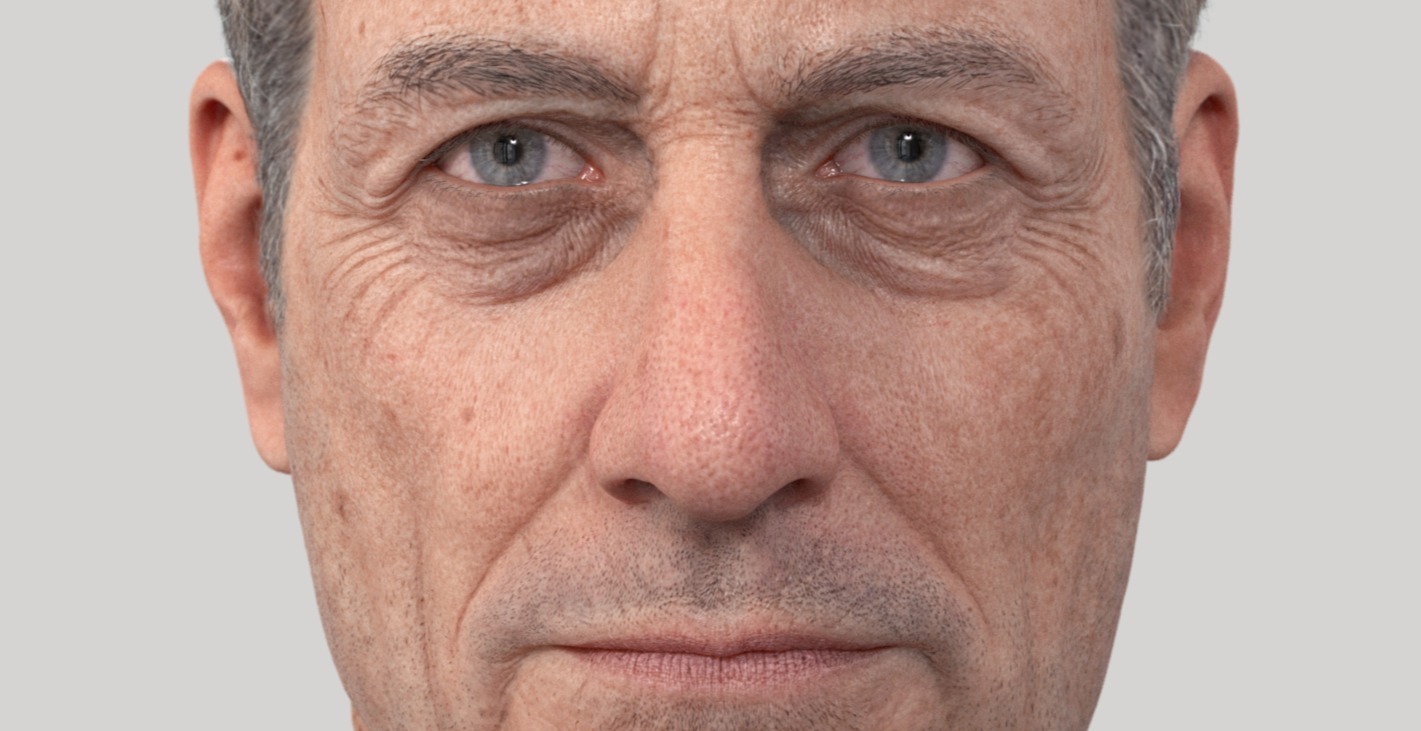
- Photo-realistic character modelling. Shape the asset around its proportions, intended views and downstream use.
-
- Facial and body sculpting. Identify the expressions and close-up detail required by the performance.
-
- 3D character texturing. Review surface detail under representative lighting and camera distances.
-
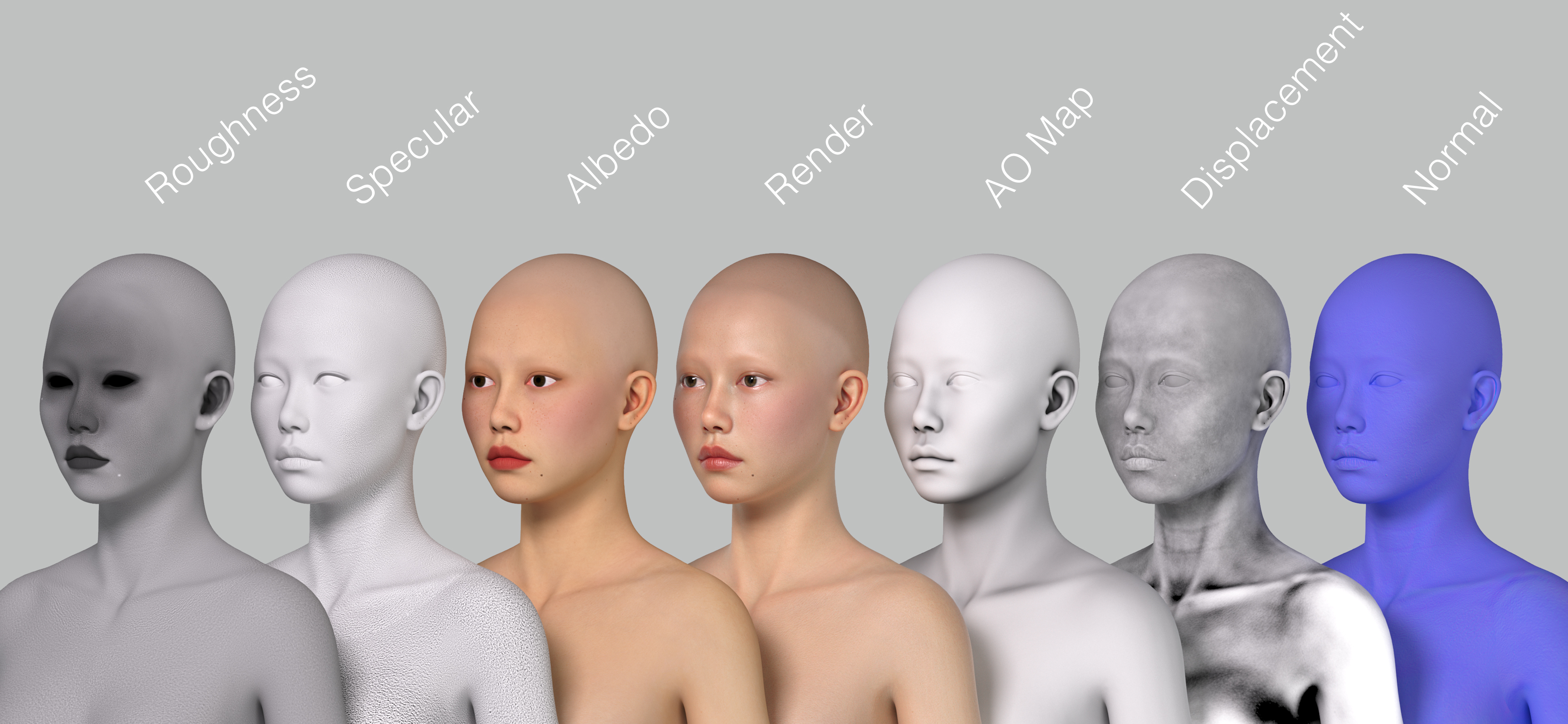
- Normal, displacement and diffuse maps. Discuss the required result and production scope during the project briefing.
-
- Gloss, specular, depth and ambient maps. Discuss the required result and production scope during the project briefing.
-
- Scan-based or reference-based workflows. Agree subject coverage and the downstream use of the captured detail.
-
- Low-poly consideration for XR uses. Discuss the required result and production scope during the project briefing.
-
- Avatar and character customisation. Define the character’s role, appearance and intended interaction setting.
Production approach
How sports briefs usually move through the pipeline
Sports work is rarely just about making a model look right from one angle. A player likeness or fitness character may need to hold up in broadcast graphics, social campaigns, virtual venues or interactive environments, each with its own technical demands. That is why the modelling, sculpting and texturing stages need to be planned against the final destination from the start.
Mimic’s source material indicates support for scan data, reference images and concept art, plus texture maps that add realism and flexibility. For sports clients, that means a model can be developed to reflect a specific athlete, adapted into a branded character, or prepared as a digital human for motion-driven use. When the asset is intended for XR, level of detail and polygon count become part of the creative brief, not an afterthought.
Provide reference views, intended camera distance and any existing scans or concept art. Agree the model’s proportions, surface detail and downstream rigging requirements so reviews assess the asset in the context in which it will actually appear. For sports content, share references for the specific movement and equipment, and identify the angles needed to assess timing and body mechanics.
Explore our 3D Modeling services and Sports production.
Related production services: Character Rigging for Sports · 3D Rendering for Sports · 3D Modeling for Gaming.


How we work
Typical project flow
01
Define the asset goal
We confirm whether the model is for campaign stills, animation, XR, a virtual venue or another sports use case, so realism and technical limits are set early.
02
Gather references
The brief can begin from scans, reference photos or concept art, depending on what is available for the athlete, character or branded figure.
03
Sculpt and texture
Facial and body detail, surface realism and map requirements are developed together so the model behaves well in production.
04
Prepare for handoff
We align the asset with the intended pipeline, including downstream rigging, animation or optimisation needs where required.
Frequently asked questions
Questions sports clients often ask
Can you build a sports character from photos rather than a scan?
Yes. The service source states that characters can be developed from scan data, reference images or concept art. For sports briefs, reference-led modelling is useful when you need an athlete likeness, a branded performer or a digital double and a scan is not available. The level of likeness depends on the quality and completeness of the inputs.
Is this only for film-style characters?
No. The official sports source points to sports and fitness, virtual and augmented reality, metaverse worlds, motion capture and character creation. That means the same modelling skills can support campaign visuals, interactive assets, training experiences or digital characters, provided the brief is clear about the target platform and technical constraints.
Can the model be prepared for animation later?
The modelling service can be built with later rigging or animation in mind, and the source text explicitly notes a transition from sculpted model to rigging. For sports work, that is important if the character needs dynamic movement, expressive performance or compatibility with motion-driven pipelines. The exact rigging work would sit in the next stage.
How do you handle realism in skin and detail?
The service source describes realistic skin textures, including pores, veins, wrinkles and subtle colour variation, supported by texture maps such as normal, displacement and diffuse maps. That approach is useful when a sports asset needs to hold up in close-up or under changing lighting, but it still needs the right references and usage context.
Do you make models for XR or virtual sports spaces?
Yes, the sports source specifically mentions virtual and augmented reality and the need to manage level of detail and polygon count for extended reality hardware. If the asset is headed into an interactive environment, the brief should include the target platform, performance limits and any expected file or map requirements before modelling begins.
Can you recreate a current athlete or public figure?
The source material supports realistic character production from reference photos and mentions recreating historical or deceased individuals, but it does not promise rights clearance or approval. For any recognisable athlete or public figure, the production brief should already account for legal permissions, usage rights and the intended release context before work starts.
Frequently asked questions