.png)
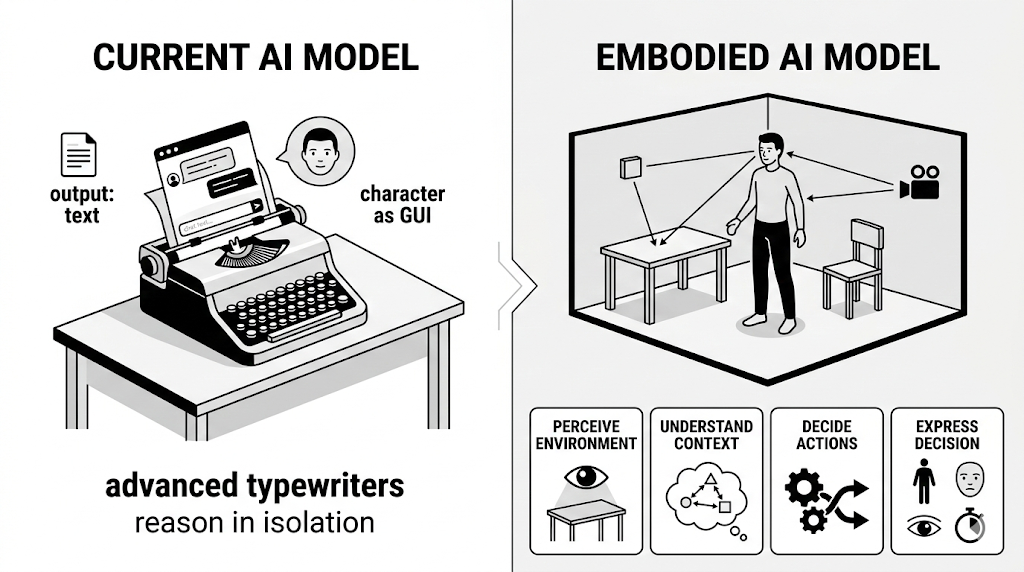


AI avatars for robotics
Digital humans that fit robotics workflows
Robotics teams often need more than a polished face on screen. They need a character asset that can support simulation, explain behaviour, show intent, or stand in for a robot before hardware is ready. Mimic Productions creates AI avatars and digital humans that can be used in robotics contexts for visualisation, training, research demonstrations and interactive experiences.
Our AI Avatar service covers likeness capture, full 3D modelling, rigging, facial blendshapes, texture refinement, lip-sync calibration and voice integration. For robotics projects, that means we can shape a digital human or humanoid-facing character to support a pilot, a presentation layer, or a simulation-first development cycle. If a project needs dialogue or guided interaction, conversational components can be planned separately through a suitable technical stack; if it only needs rendered output, we can deliver video-first assets without real-time dependencies.
Production challenges
Common robotics production hurdles
These are the practical issues AI avatars can help address in robotics projects.
01
Making intent readable
Robots can be technically capable while still difficult for users to read. An avatar layer can help present status, guide attention, or explain next steps when the physical system alone is not enough.
03
Keeping demos consistent
Live robotics demonstrations can be hard to script. A pre-rendered or interactive avatar can carry the explanation, reduce dependence on fragile live conditions, and keep the message controlled across locations.
02
Testing before hardware is fixed
Early robotics work often changes quickly. A digital human or avatar asset can support simulation, interface review and presentation while mechanics, control logic or enclosure details are still moving.
What your team gets
What the avatar layer adds
01
Clearer interaction design
Use facial expression and speech to show how users should approach the system.
02
Flexible production scope
Choose video-first assets, interactive deployment or simulation support as needed.
03
Better handoff to teams
Deliver assets with defined formats so robotics, content and product teams know what they are receiving.
04
Suitable for international use
Multilingual output can support robotics teams working across regions or audiences.
Capabilities and deliverables
Core capabilities
-
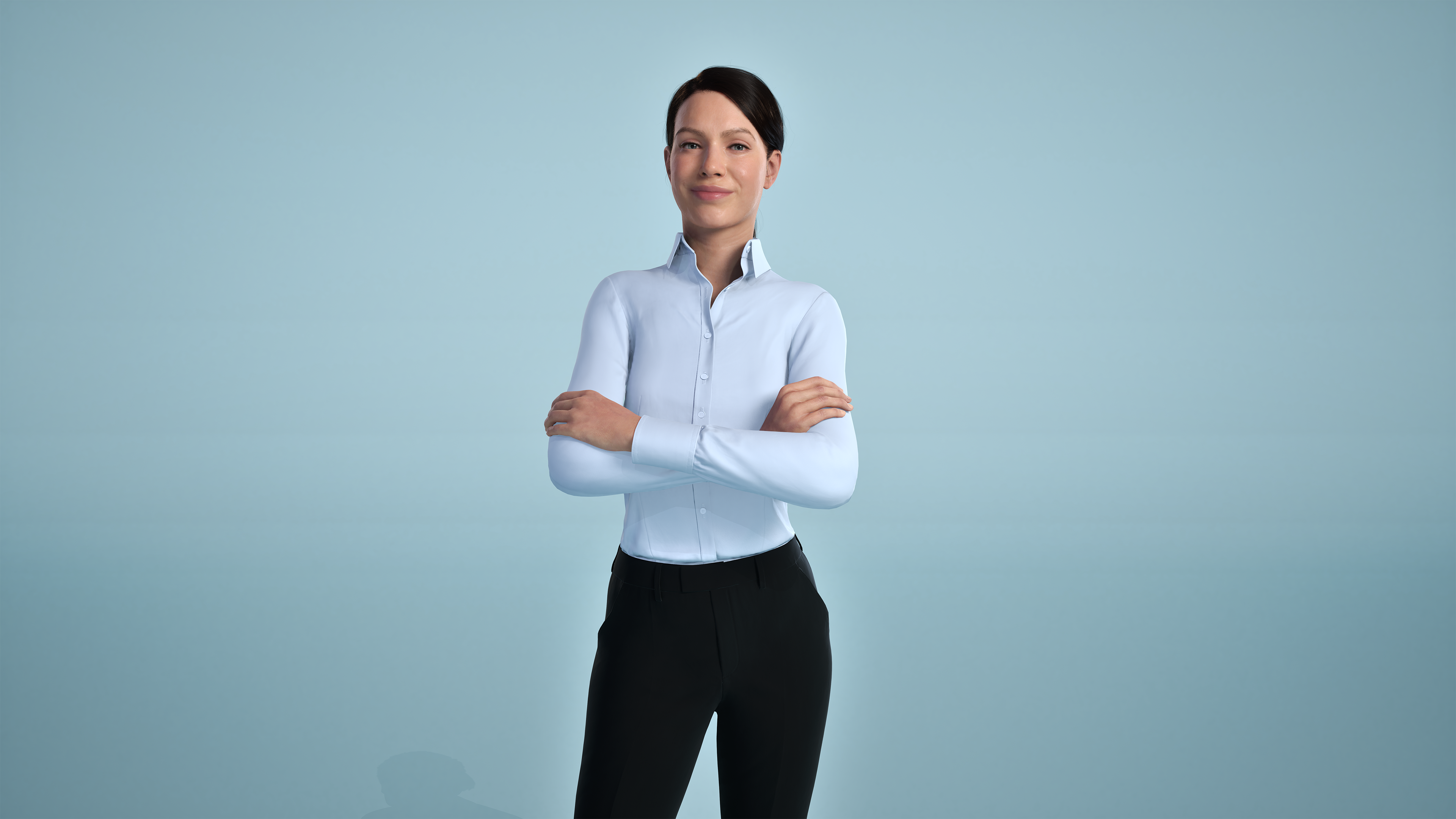
- Custom AI avatar development. Define the character’s role, appearance and intended interaction setting.
-
- Photogrammetry and high-fidelity 3D scanning. Agree subject coverage and the downstream use of the captured detail.
-
- Professional rigging and facial blendshapes. Review proportions, range of movement and the animation handoff.
-
- Texture refinement and lip-sync calibration. Identify the expressions and close-up detail required by the performance.
-
- Voice cloning with consent controls. Discuss the required result and production scope during the project briefing.
-
- Conversational AI and agent frameworks. Agree the visual target, review stages and final output requirements.
-
- Rendered video or interactive deployment. Agree the visual target, review stages and final output requirements.
-
- Web, mobile and real-time engine integration. Discuss the target application and practical performance constraints.
Production approach
Built for practical robotics delivery
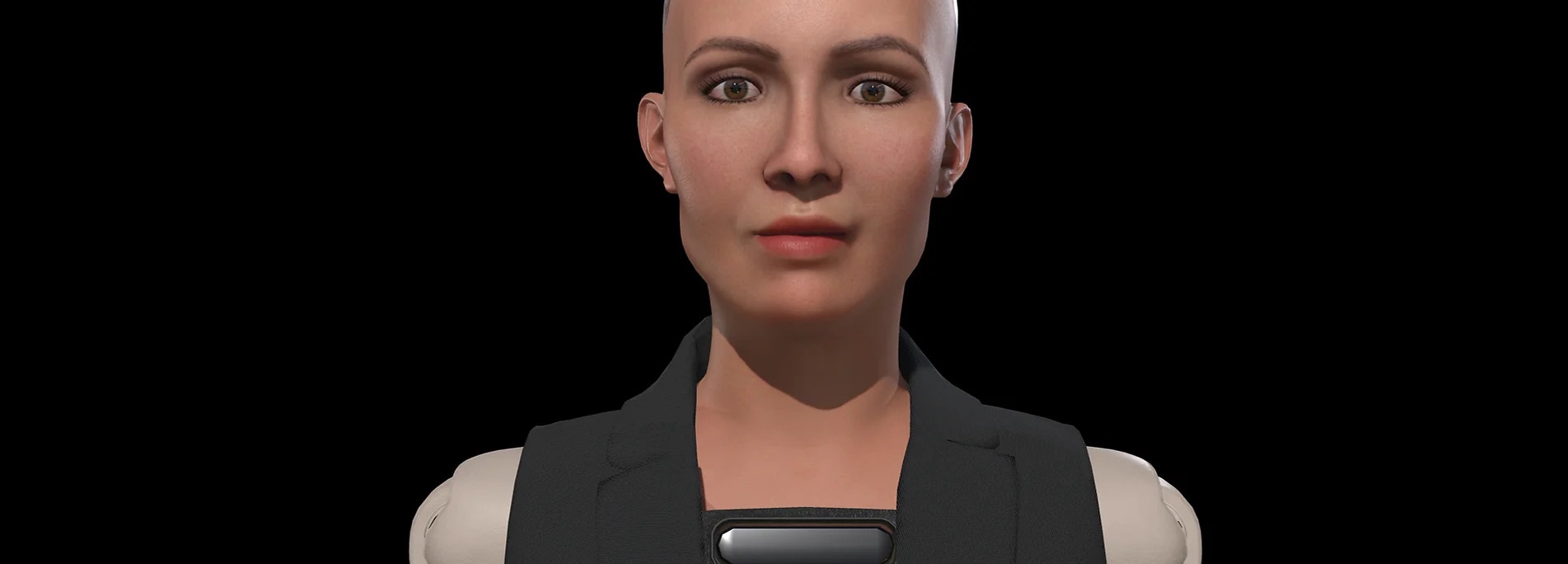
For robotics teams, the useful question is not whether an avatar can look impressive, but whether it can fit the product stage and the intended handoff. Mimic Productions can build a photoreal or stylised avatar, then prepare it as a broadcast asset, a web component, a mobile SDK element or a real-time character depending on the brief.
That makes it suitable for presentation layers, operator guidance, digital twins, training content and early-stage interaction testing. If your robotics team needs human-machine communication support, we can align the asset with your chosen platform and delivery method. If the work is purely visual, we keep it focused on animation and output rather than adding unnecessary runtime complexity.
Robotics use cases are usually decided by the point in the pipeline. Some teams want a visual stand-in for early testing, some need a human-like interface for demos, and some require a digital twin style asset for scenario review. We work to the chosen scope, not beyond it. The result is a production asset that can be handed to internal engineering, content, or product teams with clear limits on format, runtime and usage.
Define the avatar’s role, intended audience, languages and interaction setting before production. Share approved brand references and the boundaries of the conversation, including when the experience should hand a visitor to a person. For robotics-related character work, distinguish digital appearance and animation requirements from the physical robot’s engineering and control systems.
Explore our AI Avatars services and Robotics production.
Related production services: Character Rigging for Robotics · 3D Animation for Robotics · AI Avatars for Conversational AI.


How we work
How we approach a robotics brief
01
Define the use case
We start with the role of the avatar in your robotics workflow, whether it is demo support, training, simulation, or a human-facing interface.
02
Build the character asset
We create the look, motion and voice setup using the right capture or modelling path for the project, from webcam workflows to high-fidelity scanning.
03
Prepare the technical route
We agree whether the output is rendered video, a deployable avatar, or an interactive integration for your existing environment.
04
Deliver for handoff
We provide production-ready files and a clear scope so your team knows how to use the asset in content, software or live presentation.
Frequently asked questions
Frequently asked questions
Can an AI avatar represent a robot before the hardware is finished?
Yes, if the goal is communication, demonstration or visual planning. We can create a digital human asset that supports your robotics concept while the physical build is still in development. The scope stays visual or interactive, depending on what you need, and does not imply a finished hardware system.
Do robotics projects always need real-time interaction?
No. Some teams only need rendered footage for presentations, internal review or marketing. Others need a deployable avatar for a website, app or other interface. We recommend the route that matches your timeline, budget and the intended use of the asset.
Can the avatar speak multiple languages?
Yes, multilingual output is part of the broader AI Avatar offering. For robotics teams working across regions, that can support training material, guided explanations or public-facing demonstrations. The exact language setup depends on the production brief and delivery format.
Is voice cloning included automatically?
No. Voice cloning is only used with explicit consent and when the project calls for it. In some robotics work, a synthetic or newly recorded voice is the better choice. We decide this during planning rather than assuming every avatar needs a cloned voice.
Can you integrate the avatar with our software stack?
We can prepare outputs for web frameworks, mobile apps and real-time engines such as Unreal Engine or Unity when the project requires it. We do not assume every robotics team needs the same setup, so the integration plan is shaped around your existing environment and the limits of the brief.
Do you build the physical robot as well?
Our robotics source focuses on digital character, facial animation and human-like interaction support. We can create avatar assets and simulation-ready components, but that is not the same as guaranteeing physical hardware, control systems or mechanical fabrication. The scope should be agreed clearly at the start.
Frequently asked questions