.png)
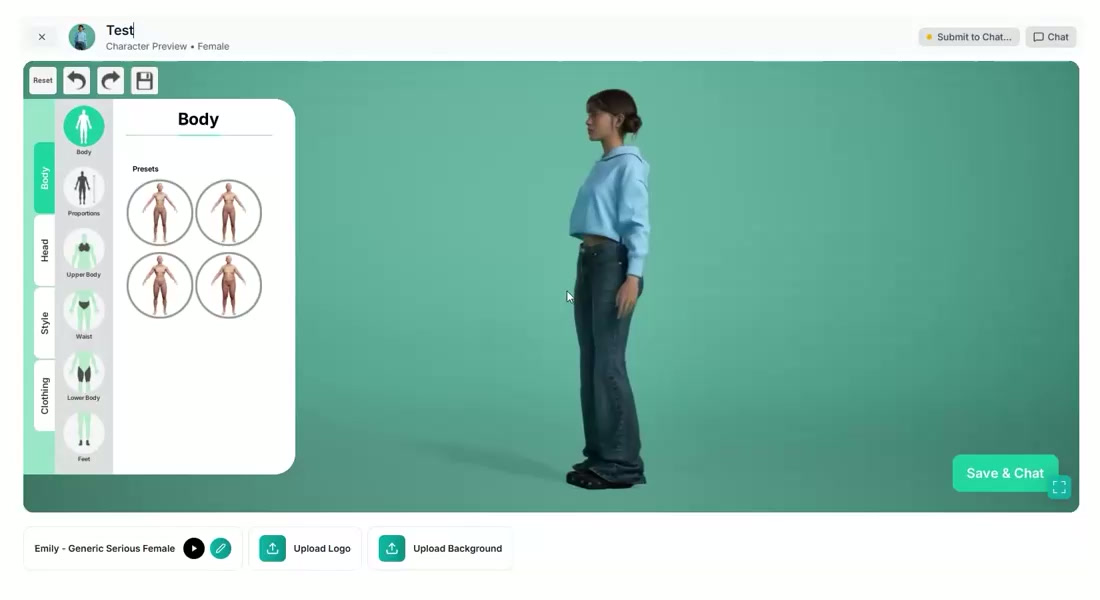


AI Avatars for holographic use
Build a digital character that can hold a stage
Mimic Productions creates digital humans and AI avatars for holographic experiences, live performances, exhibitions, and immersive brand storytelling. For hologram work, the focus is not only on how a character looks on screen, but on whether it reads clearly in a venue, fits the pace of a live show, and can be delivered in a format the production team can actually run.
Our AI avatar service can be used to create a presenter, ambassador, performer, or guided character that appears in a holographic setup or related digital environment. Depending on the brief, we can develop a video-first asset for pre-rendered playback, or an interactive avatar concept with conversational behaviour for real-time engagement. The right route depends on the audience, the venue, the available hardware, and how much live control the team needs.
Production challenges
What usually makes hologram projects difficult
These are the issues teams most often need to solve before production can begin.
01
Readability at venue scale
A character that looks convincing in a close preview may lose presence once it is projected or viewed from across a room. The performance has to suit the viewing distance and pace of the event.
03
Delivery that matches the setup
Some projects need rendered video assets, while others need interactive deployment. The production route should fit the venue, runtime, and technical team, not just the visual concept.
02
Identity and performance consistency
When a holographic character represents a person, brand, or recurring role, facial likeness, expression, and motion need to stay coherent across scenes, languages, and future updates.
What your team gets
Why teams choose this approach
01
Character built for the format
The avatar can be planned for holographic playback, live presentation, or a broader digital experience rather than a generic output.
02
Production from scan to finish
Mimic covers modelling, rigging, animation, voice integration, and final output, which reduces friction between creative approval and delivery.
03
Flexible runtime options
You can choose video-first assets for controlled presentation or interactive deployment when the experience needs live response.
04
Useful for multi-use campaigns
A single digital human can be adapted into stage content, exhibition material, or brand storytelling without changing the core identity.
Capabilities and deliverables
What we can produce
-
- AI avatar concepting for holographic use. Define the character’s role, appearance and intended interaction setting.
-
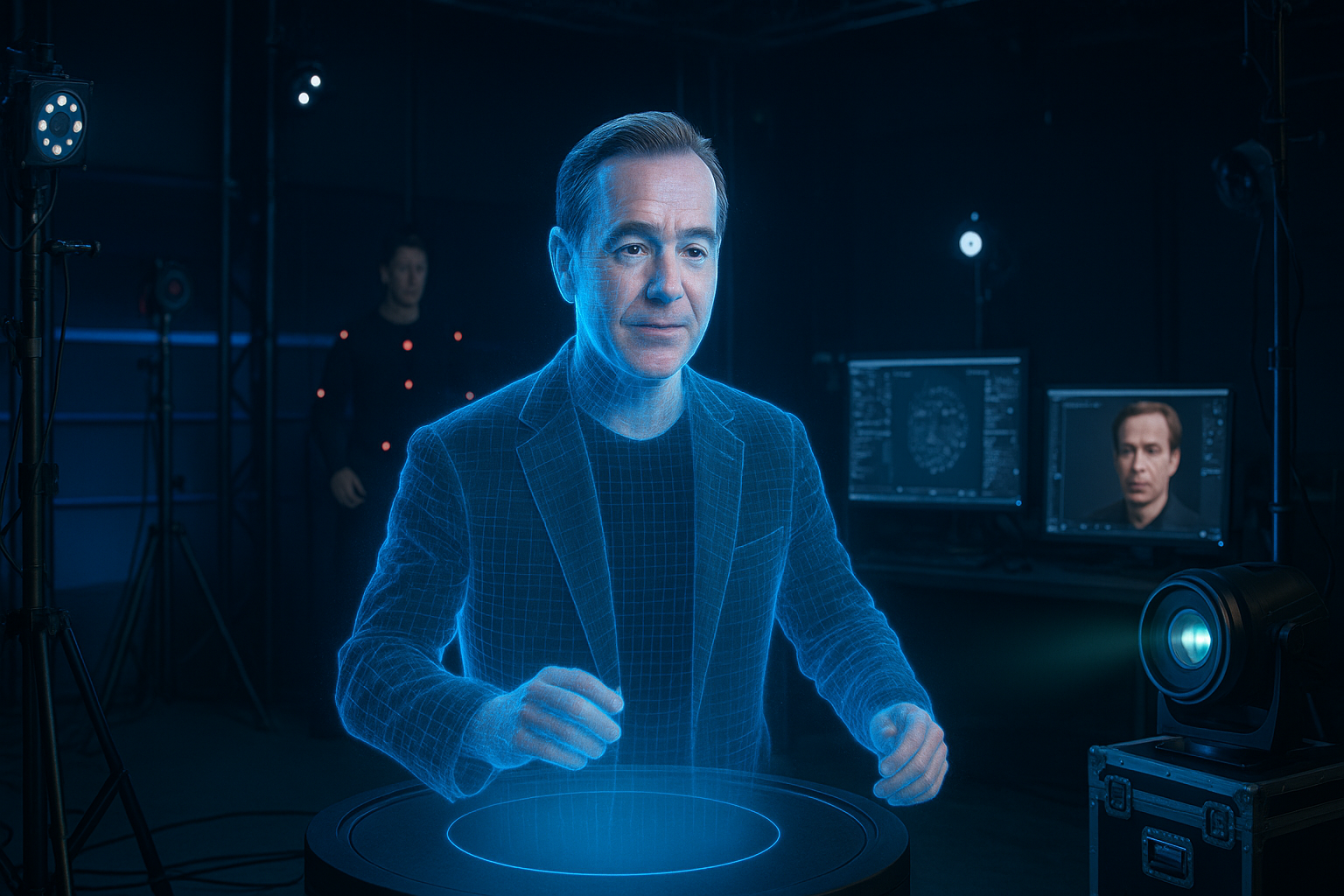
- Photoreal character design and likeness capture. Plan the session around action references and performance requirements.
-
- 3D scanning and photo or video reference workflows. Agree subject coverage and the downstream use of the captured detail.
-
- Facial rigging and blendshape setup. Review proportions, range of movement and the animation handoff.
-
- Performance animation and lip-sync calibration. Identify the expressions and close-up detail required by the performance.
-
- Voice cloning with consent-based workflow. Discuss the required result and production scope during the project briefing.
-
- Rendered video output for stage or screen. Agree the visual target, review stages and final output requirements.
-
- Interactive avatar planning for live deployment. Define the character’s role, appearance and intended interaction setting.
Production approach
From digital human to holographic presence
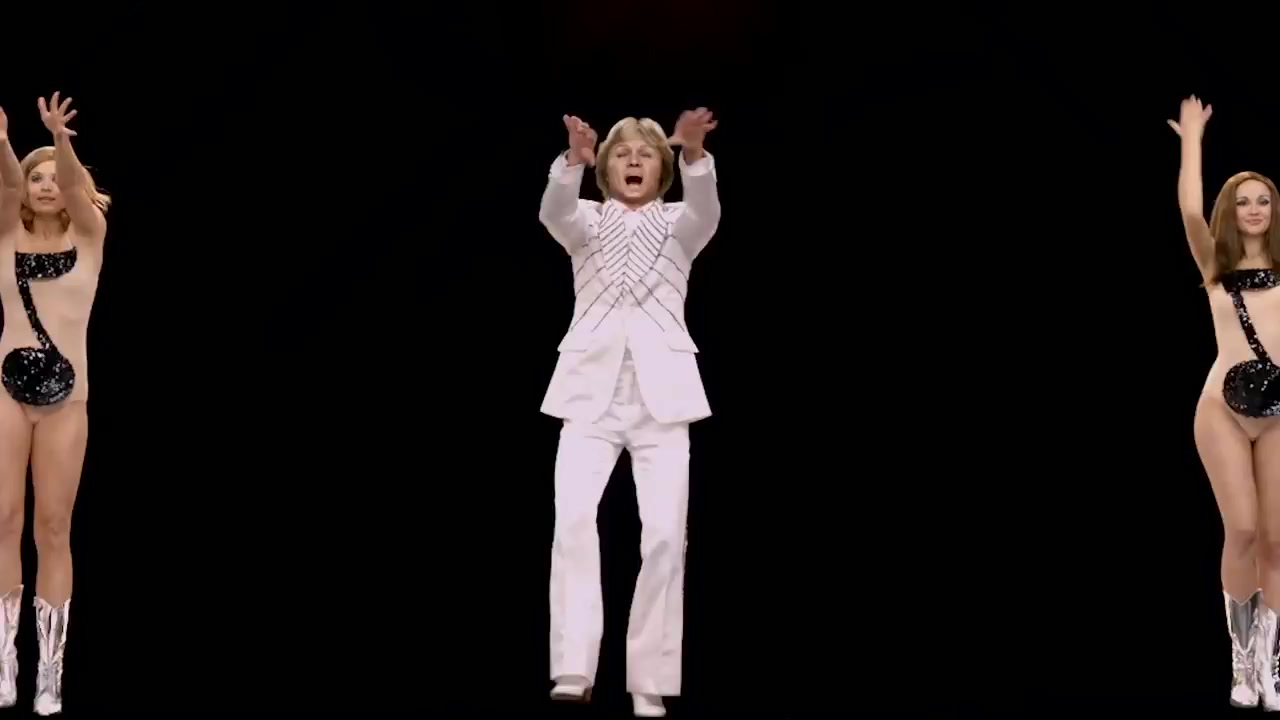
Hologram projects usually succeed when the character design is tied to the venue from the start. Mimic Productions builds digital humans with production-grade animation, facial performance, and final delivery in mind, so the asset can move from studio approval into a holographic or immersive environment without unnecessary rework. Where the brief calls for it, we can also plan multilingual output, conversational behaviour, or a repeatable brand avatar that supports future events.
We do not treat the hologram as a separate decoration step. The avatar, animation style, voice treatment, and output format are chosen together so the character feels believable in the context where it will appear.
For holograms, the practical questions usually come first. Will the character be seen from a distance or close up? Does it need subtle facial performance for an intimate presentation, or broader movement for a large-format stage? Is the output a single performance file, a repeatable brand asset, or a system that must be adapted across events and languages? Mimic’s AI avatar workflow covers likeness capture, facial rigging, animation, voice work, and final delivery, while the hologram side brings the character into live, exhibition, or storytelling contexts.
Define the avatar’s role, intended audience, languages and interaction setting before production. Share approved brand references and the boundaries of the conversation, including when the experience should hand a visitor to a person. For holographic presentation, share the display format, viewing distance and staging constraints before defining the character’s framing.
Explore our AI Avatars services and Holograms production.
Related production services: Character Rigging for Holograms · 3D Animation for Holograms · AI Avatars for Immersive Events.


How we work
How a project moves forward
01
Define the venue and role
We start with where the character will appear, who it must speak to, and whether the output is for playback, live presentation, or interaction.
02
Capture and design the avatar
Using reference material, scanning, and character design, we shape the digital human so the appearance fits the intended holographic context.
03
Build motion and voice
Facial systems, animation, lip-sync, and voice treatment are prepared to match the tone, pacing, and language needs of the project.
04
Deliver the correct format
We hand over video assets, interactive components, or deployment-ready outputs according to the agreed technical path and production scope.
Frequently asked questions
Common questions
Is this for hologram hardware or projection systems as well?
No. Mimic Productions creates the digital human and avatar content. Hologram projection, display hardware, venue installation, and playback systems are separate responsibilities. We can shape the asset for the intended environment, but the physical setup still needs its own technical provision and coordination.
Can the avatar speak to an audience in real time?
It can, if the project is set up for interactive deployment. We can plan conversational AI, voice, and runtime integration where required. If your event only needs controlled playback, a video-first route may be the better fit.
Do you create avatars from a real person?
Yes, when permission and usage rights are in place. The service can capture likeness, voice, and expression for a custom avatar. Consent is essential, and we do not create avatars of public figures without authorised approval.
Can one avatar be used across multiple events?
Usually yes, provided the licensing and delivery scope are planned that way. Many teams want a reusable digital ambassador or presenter that can be adapted for new campaigns, languages, or venues.
What should I prepare before briefing you?
Bring the audience profile, the event format, the venue context, and any reference material for the character. It also helps to know whether you want a finished video asset, an interactive avatar, or a longer-term character system.
Can this be multilingual?
Yes. The AI avatar service supports multilingual output and automated lip-sync, which is useful when holographic content needs to travel across regions.
Frequently asked questions
Common questions
Share your audience, venue, and deployment needs, and we will recommend a practical production route for your holographic AI avatar. Contact Mimic Productions at info@mimicproductions.com or start with our AI avatar service overview.