.png)


Rendering for creature work
Rendered to hold up in close-up
For creature projects, rendering is where sculpt, groom, shading and performance have to survive the camera. Mimic Productions supports that final stage with lighting, camera animation, compositing and head tracking built around digital character production. The goal is not just a polished frame, but a rendered creature that reads clearly, feels grounded in its environment and can be handed into a wider pipeline without losing detail.
Our approach suits teams that need realistic or stylised creatures for film, games, XR and VFX. We can work with in-house rendering for smaller jobs or coordinate external render farms for larger productions, depending on what the schedule and shot count demand. That makes the service practical for one hero asset, a sequence of close-ups or a broader creature pipeline where consistency matters across many frames.
Production challenges
Common issues in creature delivery
Creature rendering often succeeds or fails in the final passes. Teams usually need help with these practical points before approval.
01
Material detail can flatten
A strong sculpt still looks unfinished if shaders, texture maps and lighting do not work together. Creature renders need surface detail that reads under the chosen lens, distance and mood.
03
Final frames must fit the pipeline
Film, VFX and game teams often need outputs that sit cleanly beside live-action plates or other digital assets. Compositing and shot organisation matter as much as the creature itself.
02
Motion has to feel believable
Even a well-designed monster can lose credibility if camera movement, head motion or shot timing feels awkward. Rendering has to support the performance, not distract from it.
What your team gets
What the service is built to do
01
Cinematic lighting control
Shape mood, clarity and realism for creature close-ups and wider shots.
02
Shot-led camera animation
Plan angles and movement digitally before frames are locked.
03
Hybrid integration support
Use compositing and head tracking when live-action and digital elements must match.
04
Scalable rendering options
Choose in-house rendering or external farm coordination to suit project size.
Capabilities and deliverables
Core rendering capabilities
-
- Lighting and shader tuning. Review illumination and contrast against the intended visual reference.
-
- Camera animation and digital cinematography. Plan framing and movement around the subject and viewing format.
-
- Head tracking for face integration. Identify the expressions and close-up detail required by the performance.
-
- Compositing for final frame assembly. Discuss how digital elements should sit within the surrounding footage.
-
- In-house rendering for smaller projects. Agree the visual target, review stages and final output requirements.
-
- External render farm coordination. Agree the visual target, review stages and final output requirements.
-
- Photo-real and stylised creature output. Discuss the required result and production scope during the project briefing.
-
- Support for hybrid live-digital scenes. Set a clear scope and review sequence with your production team.
Production approach
How Mimic approaches creature rendering
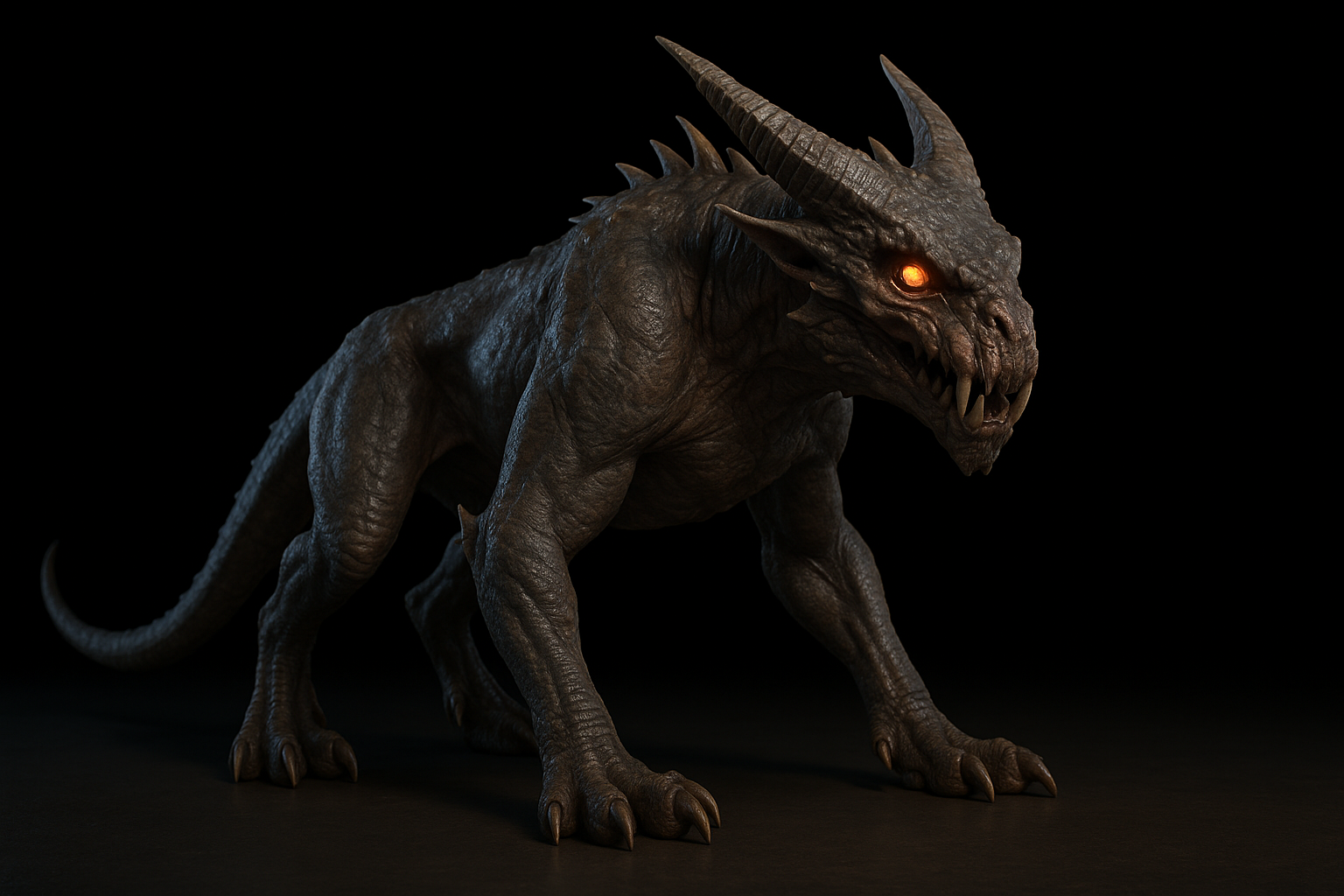
Creature rendering is most effective when the final image is planned as part of the broader asset and shot workflow. Mimic Productions treats rendering as the stage where modelling, texturing, lighting and camera choices are brought together so the creature feels present in the scene. That means attention to the material response of skin or fur, the readability of silhouette and the way the creature sits against the plate or background.
For teams developing monsters, digital animals or hybrid characters, the practical questions are often about shot density, level of polish and handoff. We help define whether the work should stay in-house or move through external rendering resources, and we keep the output aligned with the creative aim rather than forcing a one-size-fits-all solution. If the brief includes live-action footage, our compositing and head tracking support can help the rendered character integrate more naturally into the final frame.
Lighting is central to the result. Our artists collaborate with texturing to tune shaders, materials and texture maps so skin, fur, scales or other surface detail behave naturally under the camera. We also support digital cinematography, using camera animation to shape angles, movement and pacing before final compositing brings digital assets and live-action footage together. For hybrid work, head tracking can help integrate a digitally rendered face into live-action footage where the brief calls for performer replication, holographic effects or similar mixed realities.
Provide the intended shot list, reference lighting and final presentation format. Review framing, materials and exposure together, then agree the animation, compositing and output requirements before committing to final frames. For creatures, provide anatomy, silhouette and movement references, including how the design should behave in close-up and full-body views.
Explore our 3D Rendering services and Creatures production.
Related production services: 3D Modeling for Creatures · Digital Hair and Clothing for Creatures · 3D Rendering for VFX.


How we work
How a project moves through delivery
01
Review the asset and shot aim
We assess the creature design, target format and final use so the render plan matches the production need from the start.
02
Plan lighting and camera work
Lighting, lenses and movement are set to support mood, realism and the creature’s strongest visual features.
03
Render and refine
Frames are generated with attention to materials, detail and consistency, with options for in-house or external render support.
04
Composite the final image
Digital elements and live-action footage are brought together so the creature sits naturally in the scene.
Frequently asked questions
Questions teams usually ask
Is this service only for fully photoreal creatures?
No. The rendering service supports both photorealistic and stylised work, depending on the design brief. The important part is that the creature is rendered with the right material response, lighting and shot treatment so the result matches the intended look rather than forcing a single visual style.
Can you help if the creature is going into live-action footage?
Yes. Mimic Productions offers compositing and head tracking as part of its rendering workflow. Those stages are useful when the brief involves mixing a digital creature with live-action plates or similar hybrid content, because the final frame has to feel coordinated rather than assembled from separate parts.
Do you provide the render hardware or cloud setup?
Our work includes Mimic can use in-house rendering for smaller projects and coordinate external render farms for larger productions. That means the delivery approach can be chosen to suit the project size and workflow, but the specific setup should be confirmed against the brief.
Can this service cover creature close-ups and broader shots?
Yes. Camera animation and lighting are part of the service, so it can support close-ups, hero frames and wider scene work. The right setup depends on how much the creature needs to carry the frame and how much supporting environment detail is required around it.
Does rendering include the creature model itself?
Rendering is the final stage of the character production pipeline, so the service builds on existing modelling, texturing and rigging work. It does not replace those steps, but it does bring them together into the finished image through lighting, camera work and final compositing.
What kind of projects is this best suited to?
The service is suited to film, games, XR and VFX projects where a creature needs to be presented with strong visual credibility. It is especially useful when the final image depends on lighting detail, shot control, and a clean handoff into post-production or wider asset delivery.
Frequently asked questions