.png)


3D Modeling for VFX
Character assets that sit naturally in live action
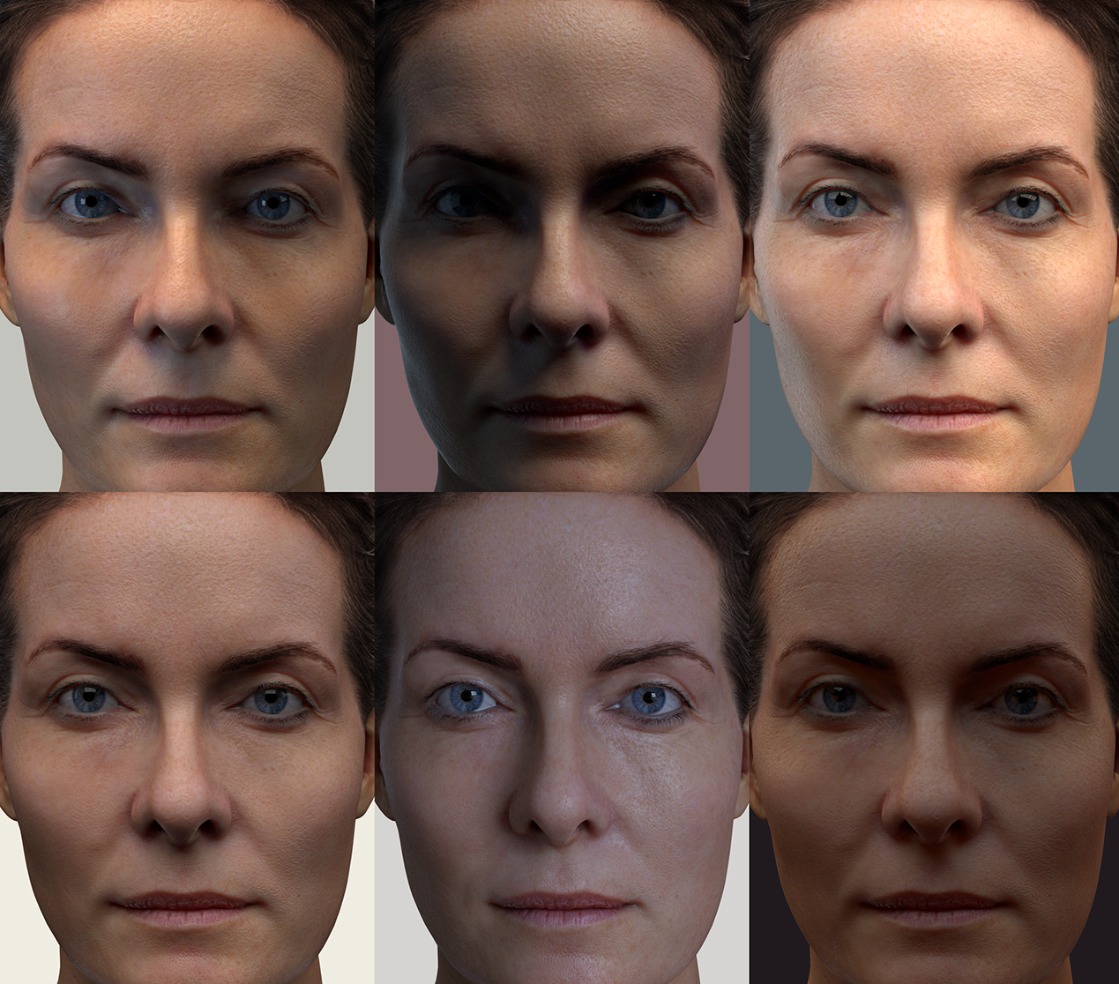
Mimic Productions creates 3D modelling and sculpting services for VFX teams that need characters, doubles and creatures to feel believable under film lighting. The work can begin from scan data, reference photography or concept art, depending on how much source material your production already has. Our focus is on facial and body modelling, anatomy, texture development and the technical maps that help a model behave properly in post-production. That includes pore detail, wrinkles, subtle colour variation and the supporting maps that give a surface the right response to light. For VFX pipelines, that means assets that are not only visually convincing, but also practical to hand over for rigging, animation, compositing and further shot work. The studio also works across digital doubles, cartoon characters and fantastical creatures in its VFX pipeline, so the modelling stage can be shaped to the needs of the shot, the degree of realism and the final delivery format. When production needs it, the workflow can be adapted to a client’s set, or handled in the Berlin studio in Wedding. That flexibility matters when modelling sits inside a wider sequence schedule and has to align with scanning, motion capture, rigging or post-production milestones. For VFX buyers, the main decision is usually how much of the likeness must be preserved, how much cleanup the asset requires and which downstream teams will use it next. A scan-based character may need reshaping for performance and articulation, while a concept-led creature may need proportion and surface detail developed from scratch.
Production challenges
Common VFX modelling problems
These are the points where character work often slows a shot down if the asset is not planned for the pipeline.
01
Likeness that drifts from the source
When a digital double is built from limited reference, small errors in proportion, expression or skin detail can become obvious once the asset is placed next to live action plates.
03
Surface detail that flattens on screen
VFX lighting exposes weak texture work quickly. Skin, fabric and facial features need maps and fine detail that hold up under close shots, varying angles and different illumination.
02
Models that do not support later stages
A sculpt may look right as a still image but still need topology, texture maps and facial structure that can survive rigging, animation and compositing without rework.
What your team gets
What the modelling stage should deliver
01
Readable facial detail
Build faces that carry expression, micro-expressions and emotion on camera.
02
Anatomy that behaves properly
Shape bodies with proportions and structure that suit performance and motion.
03
Textures that add realism
Use skin tone, pores, wrinkles and blemishes to support believable renders.
04
Handover-ready assets
Prepare models with the maps and structure needed for rigging and post-production.
Capabilities and deliverables
Modelling capabilities
-
- Character modelling from scan data. Agree subject coverage and the downstream use of the captured detail.
-
- Reference-led digital doubles. Use approved references to keep visual decisions consistent.
-
- Concept art to 3D sculpting. Shape the asset around its proportions, intended views and downstream use.
-
- Facial and body modelling. Identify the expressions and close-up detail required by the performance.
-
- Advanced character texturing. Review surface detail under representative lighting and camera distances.
-
- Normal, displacement and diffuse maps. Discuss the required result and production scope during the project briefing.
-
- Gloss, specular, depth and ambient maps. Discuss the required result and production scope during the project briefing.
-
- Support for rigging handover. Review proportions, range of movement and the animation handoff.
Production approach
Built for VFX pipelines
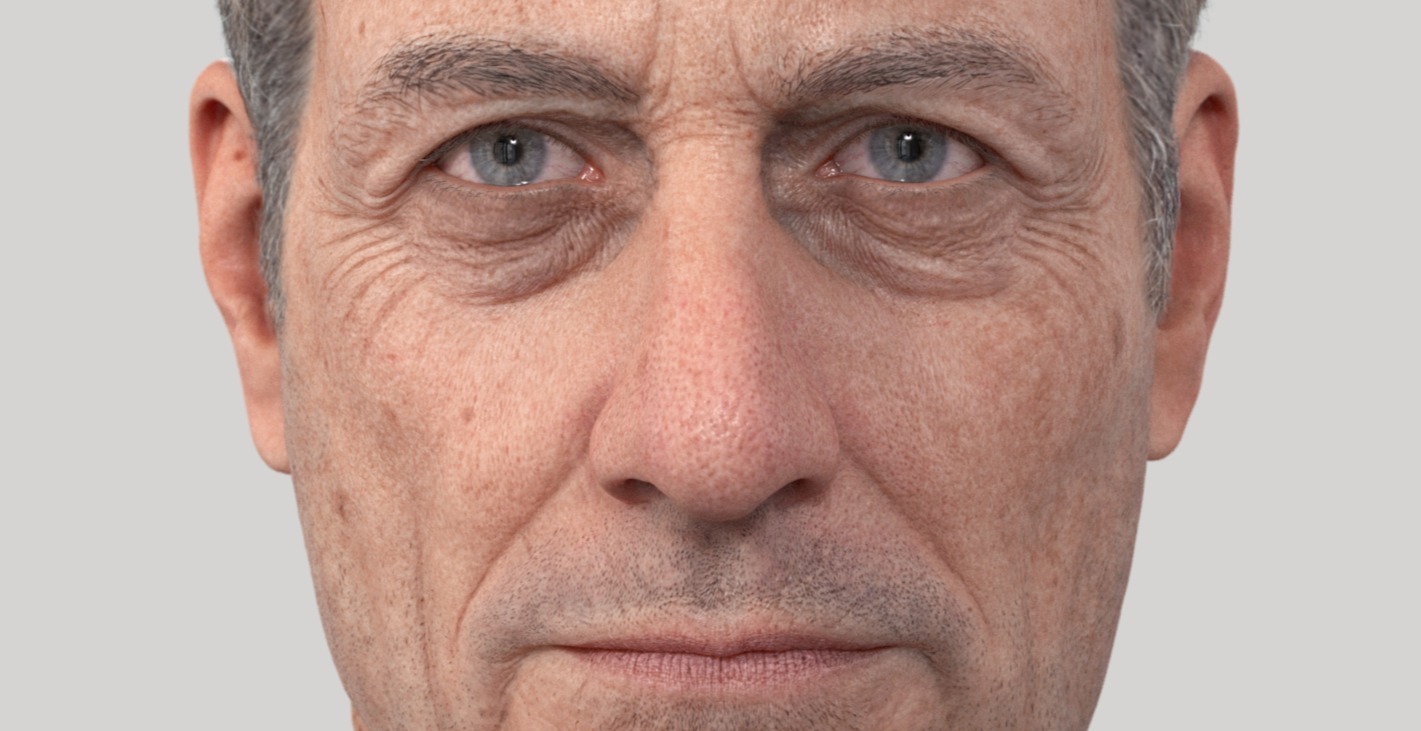
3D modelling for VFX is rarely only about making a character look accurate. The asset must also be ready for the next production step, whether that is facial rigging, body rigging, animation or final shot integration. Mimic’s workflow combines sculpting, texturing and mapping so the model can move from concept or scan into a practical production asset.
The same approach supports digital doubles, stylised characters and non-human creatures. If the brief needs high realism, the focus shifts to skin response, subtle colour and facial structure. If the brief is more imaginative, the modelling can still be grounded in technical discipline so it remains usable in the wider VFX pipeline.
Provide reference views, intended camera distance and any existing scans or concept art. Agree the model’s proportions, surface detail and downstream rigging requirements so reviews assess the asset in the context in which it will actually appear. For film and visual-effects work, include shot references and the relationship between digital characters and live-action footage.
Explore our 3D Modeling services and VFX production.
Related production services: Character Rigging for VFX · 3D Rendering for VFX · 3D Modeling for Gaming.


How we work
How the workflow is usually structured
01
Source review
We look at scans, reference images or concept art and define what the asset needs to achieve in the VFX pipeline, including realism level, likeness priority and likely downstream use.
02
Modelling and sculpting
The character is shaped with attention to facial structure, body proportions and details that affect how the model will read once lit, animated and composited.
03
Texture and map development
Skin, surface variation and technical maps are prepared to support depth, light response and production realism, from diffuse colour to displacement and specular detail.
04
Handover for the next team
The completed model is organised for rigging, animation or post-production, so the receiving team can continue without unnecessary rebuilds.
Frequently asked questions
Questions from VFX teams
What can a 3D model be built from?
The source text supports three starting points: scan data, reference images and concept art. The right option depends on how much likeness is already captured, how much creative development is required and how the asset will move into the rest of the VFX pipeline.
Do you only model realistic human characters?
No. The VFX source says the studio works on photo-realistic digital doubles, cartoon characters and fantastical creatures. That means the modelling brief can be realism-led or more stylised, as long as the asset still fits the production needs of the shot.
How does texturing fit into the service?
Texturing is part of the character build. The source mentions realistic skin textures, pore detail, wrinkles, blemishes and multiple map types including normal, displacement and diffuse maps, plus gloss, specular, depth and ambient maps where needed.
Can these models be prepared for rigging?
Yes. The modelling source states that once the character is sculpted and textured, the workflow can extend to rigging. The model should therefore be built with the next stage in mind, especially if facial movement or full-body performance is required.
Is this suitable for film and television work?
Yes. The official VFX source positions the studio for film and TV productions, and the modelling source refers to assets for film, gaming, advertising and immersive uses. For VFX buyers, the key is that the model must survive close viewing and fit the shot pipeline.
Can the work be done on location?
The VFX source says Mimic can relocate with portable 3D scanning and motion capture to a client’s preferred shoot location, or work from the Berlin studio in Wedding. That matters when modelling depends on production timing, scans or direct collaboration with the set team.
Frequently asked questions