


VFX service
Capture the actor, preserve the detail
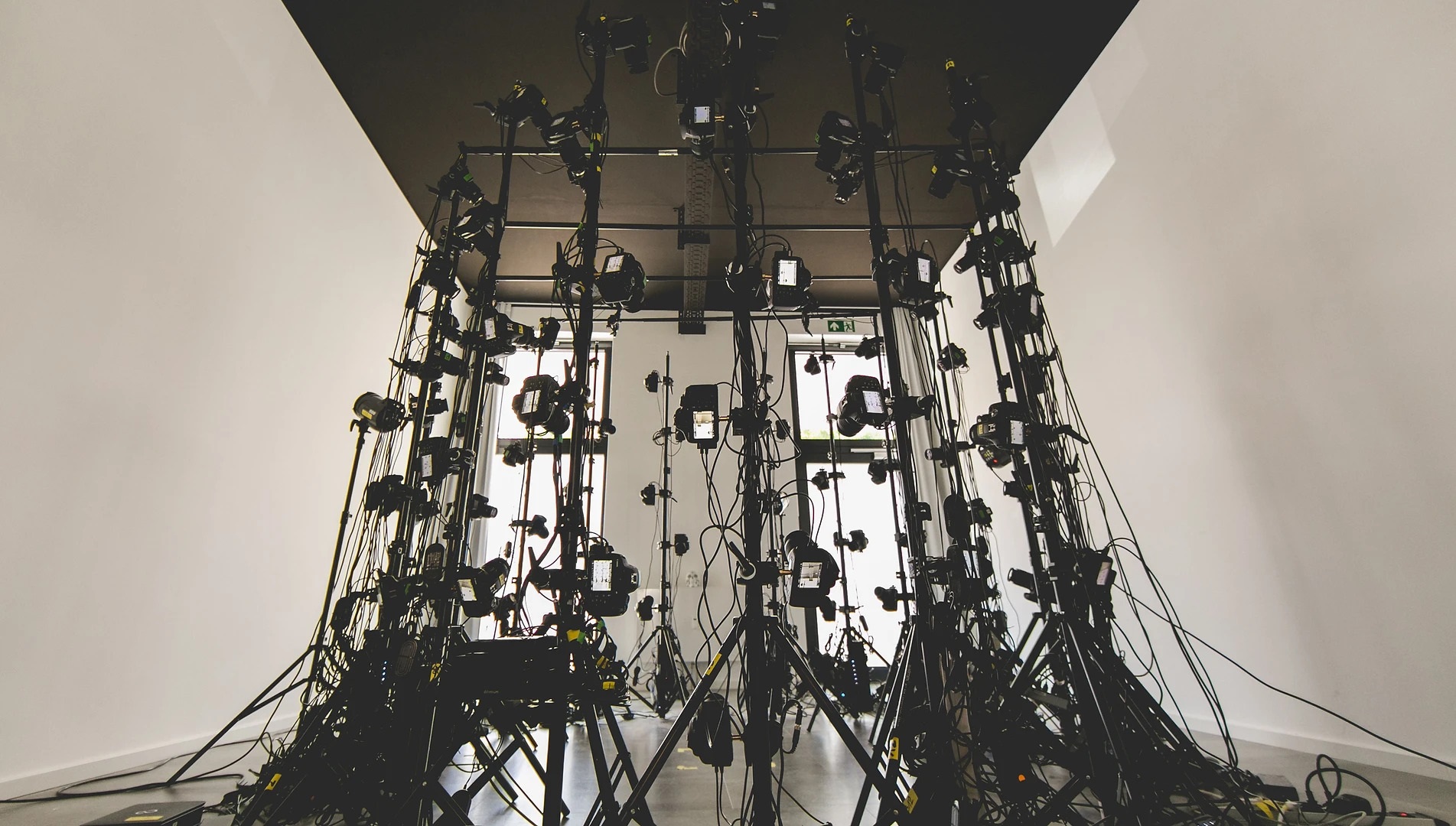
For VFX teams, 3D body scanning is often the first practical step in building a believable digital double. Mimic Productions uses photogrammetry-based scanning to record high-resolution topology and rich texture data for bodies, faces and full-body captures. The aim is to give your artists usable source material that reflects the performer’s proportions, surface detail and expression range without forcing your pipeline to rebuild missing information later.
In a VFX context, the value is not only realism. It is also consistency. A scan can support character creation, rigging, blend-shape development, clean reference for modelers, or the base mesh needed for downstream animation work. Mimic works from its Berlin studio and can also travel to set, which helps productions keep capture aligned with their shoot schedule. If you already have an existing scan, re-topology support is available to help prepare it for animation workflows.
Production challenges
What VFX teams need to solve
Body scanning is most useful when it fits the production plan, not just the camera setup.
01
Digital doubles must hold up in close-up
A VFX double has to match the performer’s proportions, skin detail and surface characteristics closely enough for integration, lighting and compositing without obvious mismatch.
03
Capture has to fit the shoot, not slow it down
On-set timing matters. Productions need a scanning setup that can work in studio or travel to location, while staying aligned with the wider schedule.
02
The scan has to be useful after capture
Raw data alone is rarely enough. Teams often need geometry and textures that can be taken forward into modelling, re-topology, rigging and animation preparation.
What your team gets
What the scan can help with
01
Photoreal starting point
Provides detailed geometry and texture data for believable digital human creation.
02
Facial and body continuity
Supports combined capture for characters that need matching head and full-body assets.
03
Pipeline-ready handoff
Can feed modelling, re-topology, rigging and animation preparation.
04
Flexible capture location
Available in Berlin studio or on location to suit production timing.
Capabilities and deliverables
Capture options and handoff scope
-
- 3D body scanning
-
- 3D face scanning
-
- 3D full body scanning
-
- Facial expression scanning
-
- Photogrammetry capture
-
- High-resolution texture maps
-
- Digital double reference
-
- Re-topology for animation prep
Production approach
Built for VFX character workflows
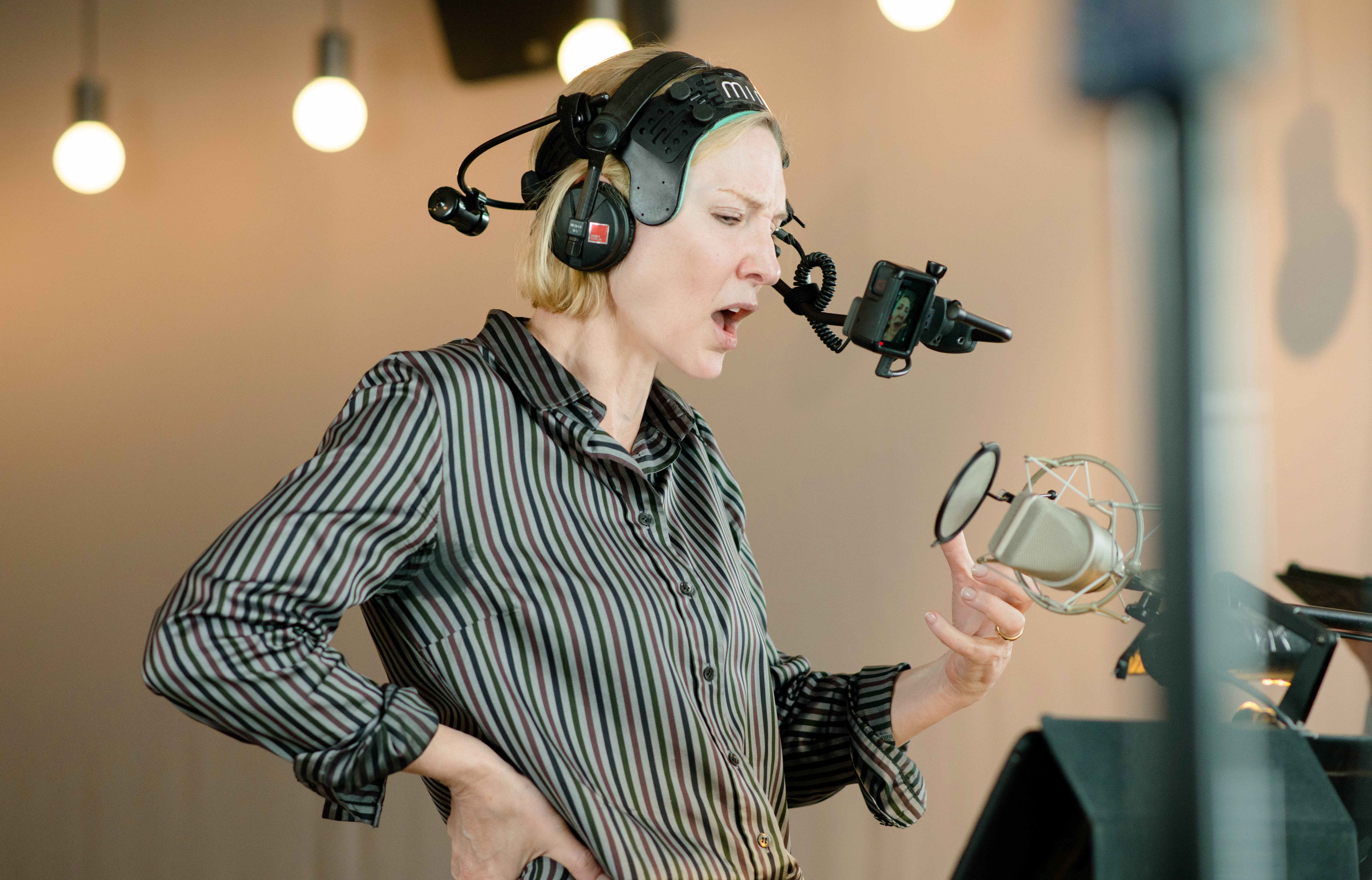
Mimic’s 3D body scanning service is positioned for productions that need realistic human assets, not just a static record of appearance.
Share the subject list, required coverage and intended use of the scans. Clothing, hair, reflective surfaces and the level of facial detail can affect preparation, so provide reference views and discuss the downstream modelling requirements before the session. For film and visual-effects work, include shot references and the relationship between digital characters and live-action footage.
Explore our 3D Body Scanning services and VFX production.
Related production services: 3D Modeling for VFX · Character Rigging for VFX · 3D Body Scanning for Gaming.


How we work
How a capture session typically runs
01
Brief the asset need
The team confirms whether the priority is a full-body double, a face scan, or a combined capture package for VFX use.
02
Set up the capture
Scanning is carried out in the Berlin studio or on location, with the workflow arranged to suit the available time and production space.
03
Record geometry and texture
Photogrammetry capture is used to collect high-resolution surface detail, body shape and texture information for the intended asset.
04
Prepare for handoff
If required, raw data can move into re-topology so the scan is easier to use in animation and character pipelines.
Frequently asked questions
Common questions
Q.1 Is this suitable for digital doubles in VFX?
Yes. The service is specifically described as useful for digital doubles, with high-resolution geometry and texture capture intended to support realistic human characters. It is most helpful when the VFX team needs a strong base asset before modelling, rigging and look development continue.
Q.2 Can you scan both the body and face?
Yes. Mimic offers body scanning, face scanning and full-body scanning, so a production can plan for combined capture when a character needs both facial fidelity and accurate overall proportions. This is useful when body and head assets must match closely in the same pipeline.
Q.3 Do you work only in the studio?
No. The source states that Mimic can scan at its Berlin studio and on location. That flexibility matters for film and TV schedules, because it allows capture to be aligned with cast and crew availability instead of requiring the production to travel if that is not practical.
Q.4 What do we receive from the scan?
Scan capture provides detailed geometry and texture information for a digital double or character build. Confirm the required resolution, file formats and cleanup level before the session. Retopology, shading, rigging and shot integration are separate production stages unless they are included in the agreed scope.
Q.5 Can raw scans be prepared for animation?
Yes. Mimic states that re-topology is available for raw full-body scans. This is relevant when a production already has scan data but needs it reduced and adjusted so it can function more effectively as an animation-ready asset in a character workflow.
Q.6 Is this service suitable for characters beyond realism?
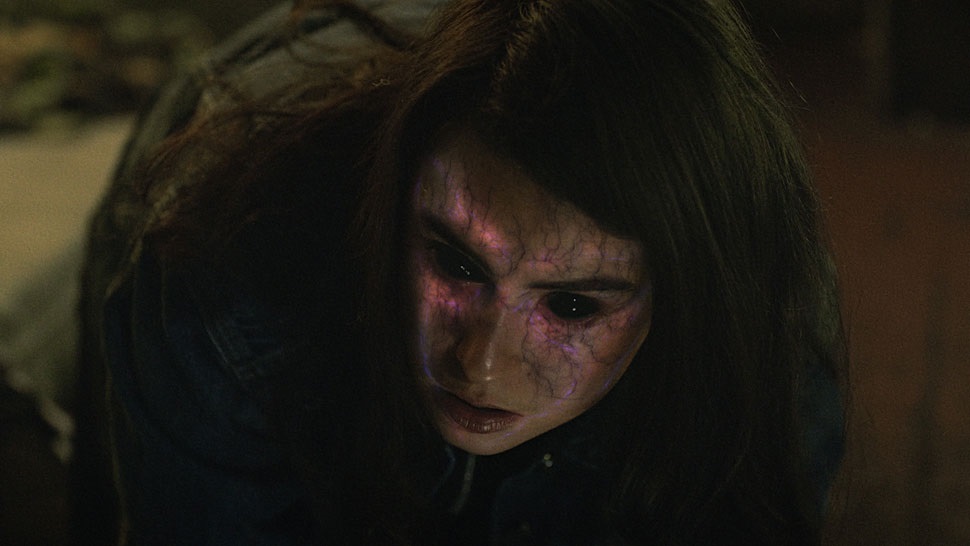
Yes, within the stated scope. The VFX source describes support for realistic digital doubles as well as cartoon characters and fantastical creatures. The scan service itself provides the human reference material, while the wider character build can be shaped to suit the creative brief.
Frequently asked questions
Common questions
For film and VFX, 3D scanning scope depends on the number of performers, capture location, expression set and scan cleanup. Send performer availability, required expressions and the downstream modelling brief. Provide the shot list, camera distance and handoff requirements for the team completing the final shots.