
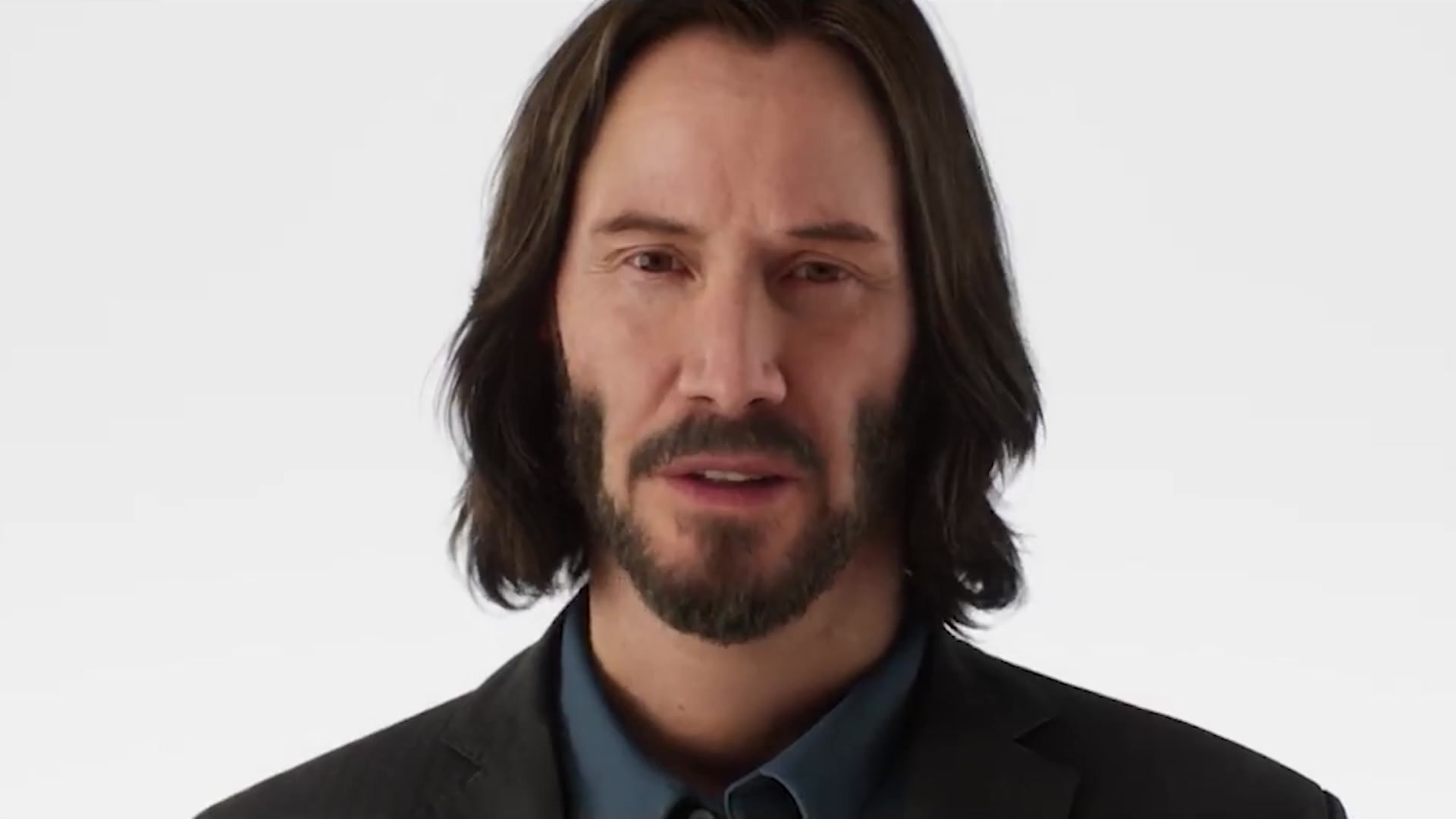


Gaming character capture
Capture players, performers and digital doubles with usable detail
Mimic Productions provides 3D body scanning for gaming projects that need believable characters, not just attractive stills. Our photogrammetry-based scanning captures high-resolution topology and detailed texture maps, with options for full body scanning, face scanning and facial expression capture. For game teams, that means a practical starting point for character creation, digital doubles, avatars and performance-driven assets.
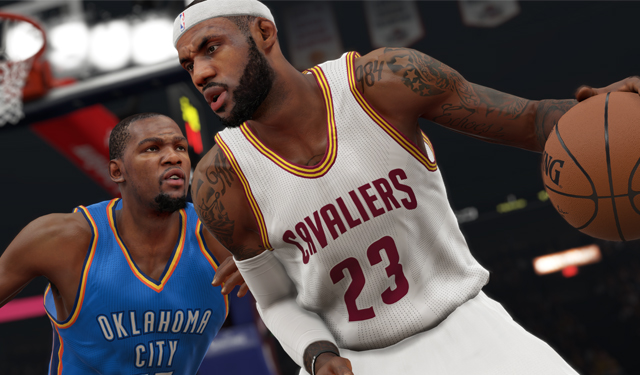
The service is based in Berlin and can be run in studio or on location, which helps teams align capture with cast availability and production schedules. If your pipeline needs a clean scan for modelling, retopology, rigging or animation, we can supply source data with the realism needed for close-up work and the structure needed for downstream production. The same capture approach also supports use cases such as cut-scenes, real-time gameplay characters and photoreal avatar development.
Production challenges
What slows game character capture
Game teams usually need more than a likeness. They need scan data that can move into modelling, rigging and animation without expensive rework.
01
Close-up realism has to survive production
A character may look convincing in a render, but gaming teams still need geometry and texture detail that hold up in close-ups, cinematics and in-engine viewing.
03
Capture needs to fit schedules and people
Games work around actors, motion sessions and release milestones. Studio-based or on-location scanning helps production stay aligned when talent availability is tight.
02
The scan must fit the next step
Raw capture is rarely the finish line. Teams often need retopology, clean topology, or facial and body prep before the asset can be animated or optimised for real-time use.
What your team gets
Why teams use 3D body scanning
01
Photo-real source data
High-resolution geometry and texture detail for believable digital humans.
02
Useful for game pipelines
Capture that can feed modelling, rigging, animation and engine preparation.
03
Studio or on location
Flexible capture setup to suit cast, crew and production timing.
04
Supports body and face work
One workflow for full body scans, facial scans and expression capture.
Capabilities and deliverables
Relevant capture and handoff options
-
- 3D body scanning
-
- 3D full body scanning
-
- 3D face scanning
-
- Facial expression scanning
-
- Photogrammetry capture
-
- High-resolution topology
-
- Texture map capture
-
- Retopology for animation readiness
Production approach
Built for character teams, not just scan viewing
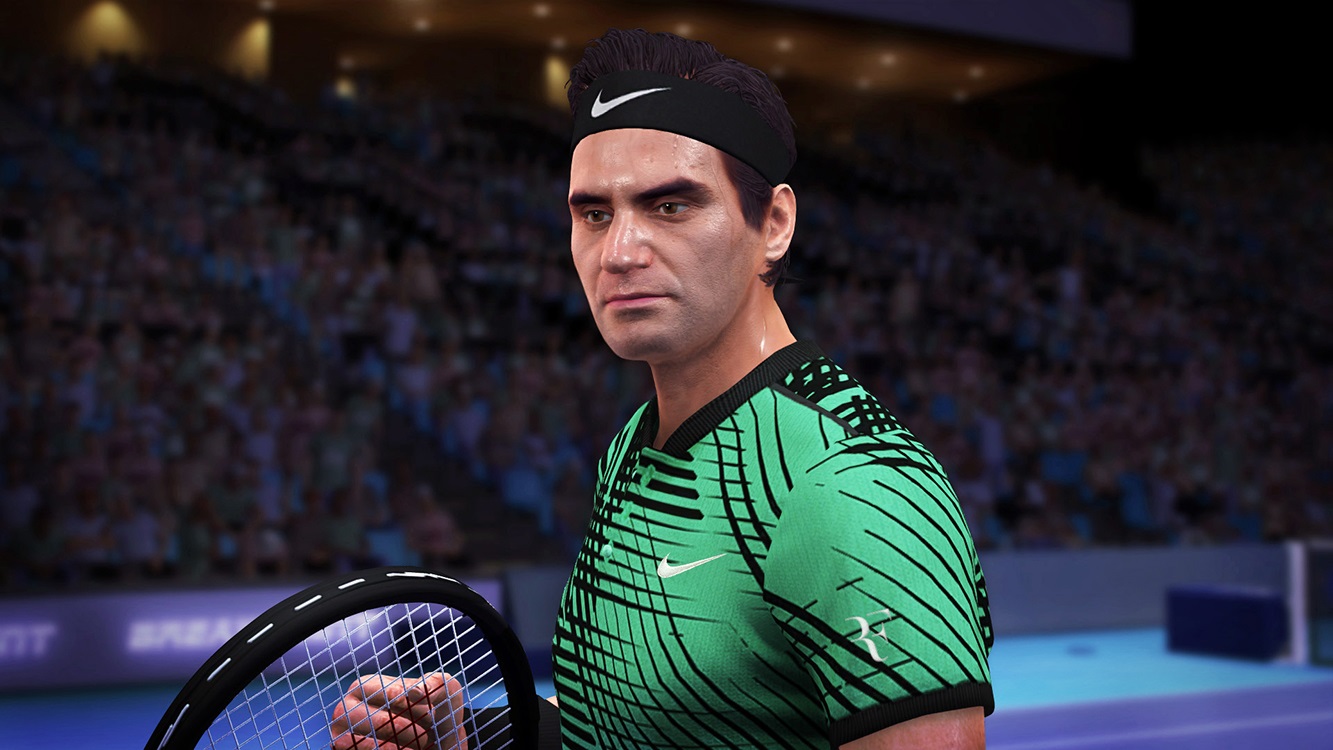
For gaming productions, the value of 3D body scanning is in what happens after capture.
Share the subject list, required coverage and intended use of the scans. Clothing, hair, reflective surfaces and the level of facial detail can affect preparation, so provide reference views and discuss the downstream modelling requirements before the session. For games, distinguish playable actions, cinematic sequences and promotional assets, because each is reviewed in a different context.
Explore our 3D Body Scanning services and Gaming production.
Related production services: 3D Modeling for Gaming · Character Rigging for Gaming · 3D Body Scanning for XR.


How we work
How a capture project typically runs
01
Plan the asset
We review the character brief, capture goals and intended downstream use, so the scan is shaped around modelling, animation or real-time delivery needs.
02
Capture body and face detail
Using photogrammetry-based scanning, we record the geometry and texture information needed for lifelike body or facial source data.
03
Prepare the handoff
If needed, we can support retopology and related preparation so the scan is easier to move into animation or character development workflows.
04
Deliver for production
You receive scan data that can be passed into your internal art team or external vendors for rigging, texturing and engine integration.
Frequently asked questions
Questions from gaming teams
Q.1 Is 3D body scanning enough to create a game-ready character?
Not on its own. The scan provides detailed source material, but game-ready assets usually still need modelling decisions, cleanup, retopology, rigging and animation setup. Mimic’s role is to capture realistic source data and, where required, help prepare it for the next production stage.
Q.2 Can you scan both the body and face of the same performer?
Yes. The service includes 3D body scanning, 3D full body scanning and facial scanning options. That is useful when a project needs a consistent digital human across gameplay, cinematics and dialogue scenes, or when the face and body will be developed by different parts of the pipeline.
Q.3 Do you work in Berlin only?
We offer scanning at our Berlin studio and on location. Share the performer location, number of people, available capture time and required delivery date. We can then discuss whether studio capture or a portable setup suits the production schedule.
Q.4 What kind of gaming projects is this best for?
It is suited to character-driven work such as digital doubles, realistic avatars, cut-scene characters and other real-time assets where detailed likeness matters. The same capture approach can also support stylised projects if the team wants strong source geometry and texture information before art direction is applied.
Q.5 Can the scan support facial animation work?
Yes, especially when paired with facial scanning and expression capture. Those outputs are useful for organic blend-shapes, facial rigs and animation work where small expressions need to read clearly in game cinematics or close camera work.
Q.6 Can you provide the whole character pipeline?
Scanning can be combined with facial capture, retopology and wider character development. A raw scan is not automatically a finished game asset. Agree which team handles modelling, rigging, textures and engine integration so each stage has a clear owner and the final character meets your build requirements.
Frequently asked questions
Questions from gaming teams
For game production, 3D scanning scope depends on the number of performers, capture location, expression set and scan cleanup. Send performer availability, required expressions and the downstream modelling brief. Specify whether the asset is for gameplay, a cinematic or both, and identify the target engine and hardware.