


Robotics production support
Built for humanoid robots that need believable human detail
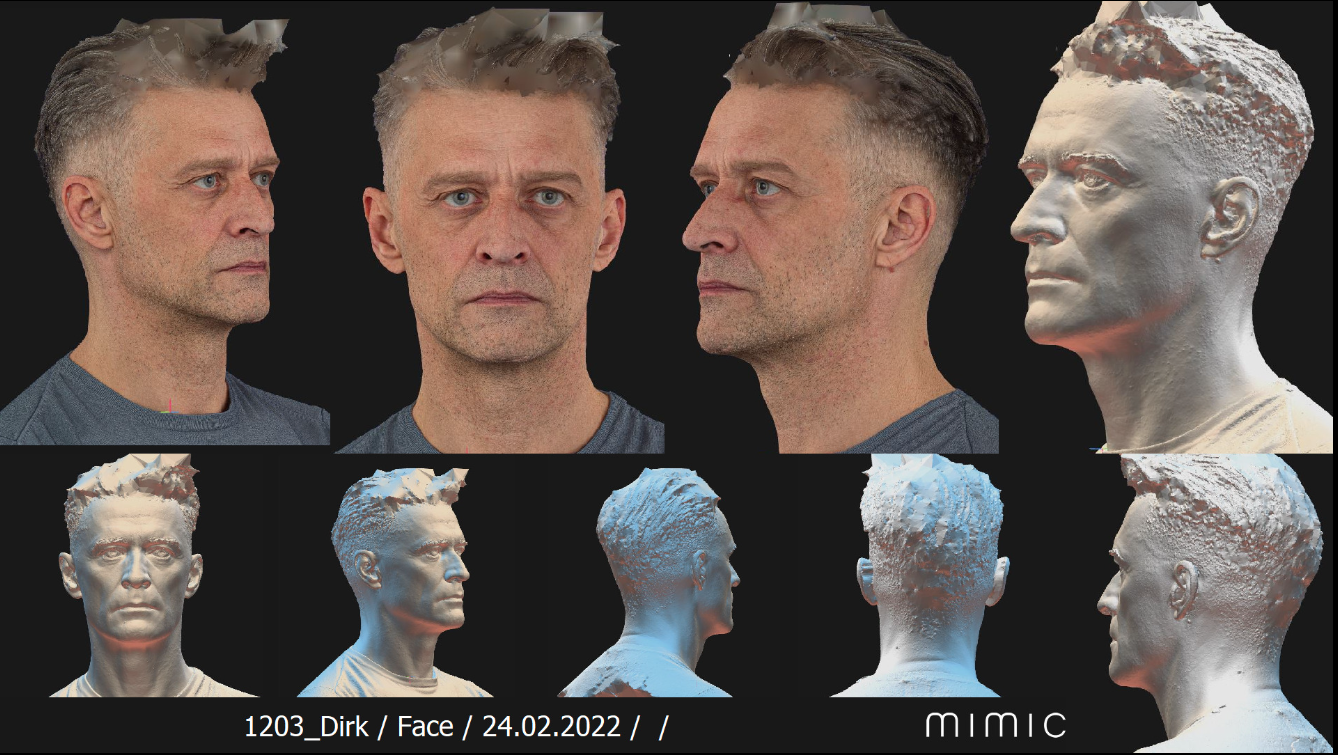
Mimic Productions provides 3D body scanning for robotics teams that need accurate human reference, face data and production-ready digital assets. Our Berlin studio and on-location setup use photogrammetry to capture high-resolution topology and detailed texture maps, supporting workflows for facial animation, digital doubles and character creation.
For robotics, the value is not just visual realism. A scan can help shape an expressive face, inform a digital twin for testing, or give your team a reliable base for modelling and texturing before mechanical and animation work begins. We support studio-based capture and travel when timelines or talent availability demand it, while keeping the deliverable focused on what your pipeline can actually use.
Production challenges
Where robotics teams usually need help
Typical scan outputs look impressive, but robotics workflows need them organised for animation, testing and asset development.
01
Capturing convincing human detail
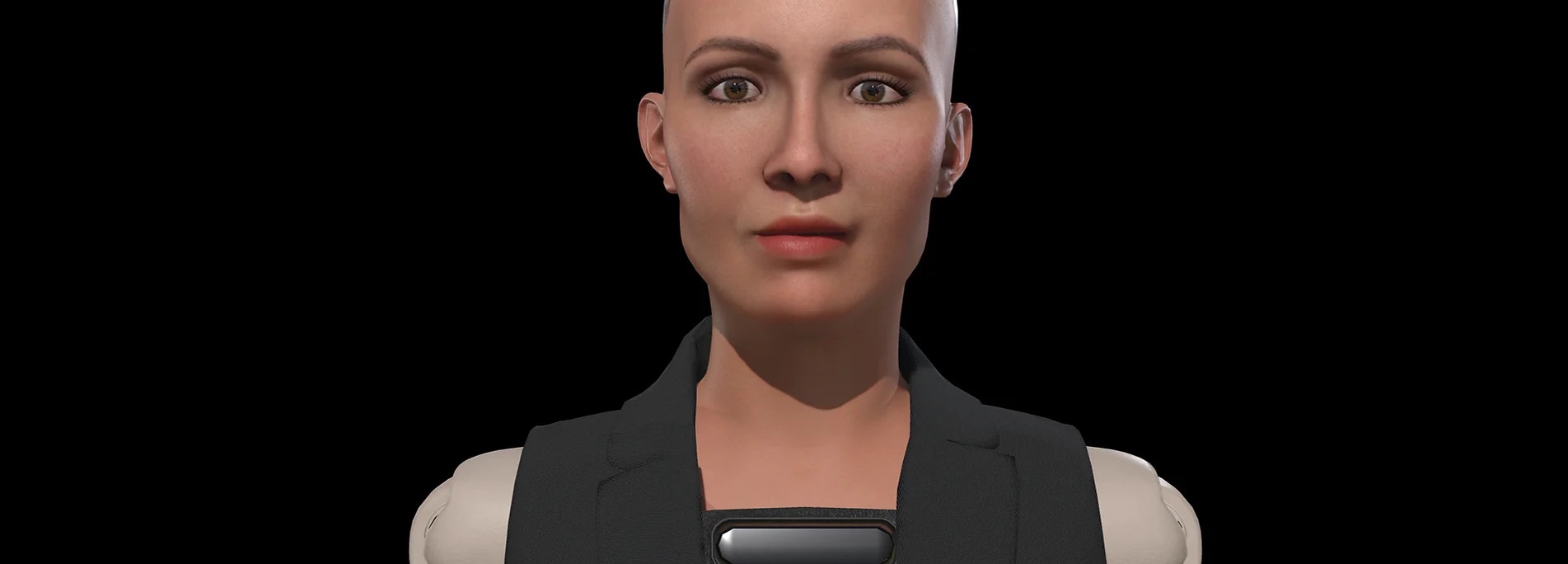
Robotics faces often need subtle geometry and texture detail to support believable expression rather than a flat likeness.
03
Keeping capture aligned with production
Teams may need studio or on-location scanning that fits casting, prototyping and build schedules without adding avoidable friction.
02
Turning raw scans into usable assets
A high-resolution capture can still need re-topology and preparation before modelling, rigging or simulation work can begin.
What your team gets
What this service gives your team
01
High-detail capture
Photogrammetry-based scans preserve fine geometry and texture information for realistic digital human reference.
02
Face and body coverage
Use one capture approach for facial detail, full-body proportion or both, depending on your robot concept.
03
Pipeline-friendly output
Scans can support modelling, rigging, animation and real-time rendering rather than stopping at visual review.
04
Flexible capture setup
Studio-based scanning in Berlin or on-location work helps match the realities of talent and schedule.
Capabilities and deliverables
Core scanning and production options
-
- 3D body scanning
-
- 3D full body scanning
-
- 3D face scanning
-
- Facial expression scanning
-
- Photogrammetry capture
-
- Digital double reference
-
- Retopology for animation
-
- Studio or on-location sessions
Production approach
How we fit into robotics development
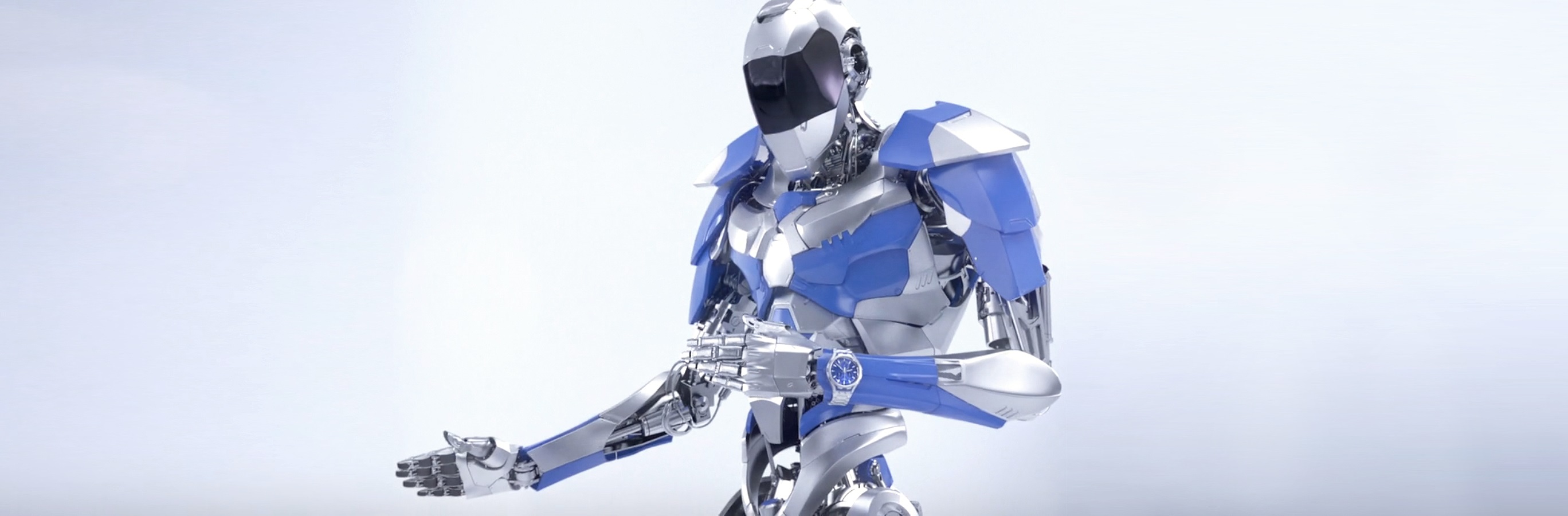
For robotics projects, we treat 3D body scanning as a source of reliable human detail, not a finished robot solution.
Share the subject list, required coverage and intended use of the scans. Clothing, hair, reflective surfaces and the level of facial detail can affect preparation, so provide reference views and discuss the downstream modelling requirements before the session. For robotics-related character work, distinguish digital appearance and animation requirements from the physical robot’s engineering and control systems.
Explore our 3D Body Scanning services and Robotics production.
Related production services: 3D Modeling for Robotics · Character Rigging for Robotics · 3D Body Scanning for Conversational AI.


How we work
How the work moves forward
01
Brief the capture goal
We review whether you need facial detail, full-body reference, digital double support or scan data for a specific robot pipeline.
02
Plan the session
We confirm whether the work happens in Berlin or on location, then align the setup with your subject, timeline and delivery needs.
03
Capture and prepare
We create the photogrammetry scan and, where needed, prepare the data so it can move toward modelling or animation use.
04
Hand over usable assets
You receive output that can be taken into your production flow, with re-topology available when the raw scan needs adaptation.
Frequently asked questions
Questions robotics teams often ask
Q.1 Is 3D body scanning useful for robots if the final product is mechanical?
Yes, when the project needs human likeness, facial expression or a believable digital character layer. The scan can support face design, proportional reference, surface modelling and digital twins. It is best treated as upstream asset capture, not as a replacement for mechanical engineering or control system design.
Q.2 Can you scan faces for expressive humanoid robots?
Yes. We provide 3D face scanning and facial expression scanning intended to capture subtle detail that can inform organic-looking rigs and animated faces. The output is useful when a robotics team wants the face to read naturally in live presentation, simulation or digital development.
Q.3 Do you deliver a complete robot build?
No. Mimic’s role here is focused on scan capture, facial and full-body reference, digital human asset support and related preparation such as re-topology. If your team needs mechanical construction, that sits outside the scan service and should be handled by your robotics build pipeline.
Q.4 Can you work on location for a robotics shoot or prototype review?
Yes. Our portable system allows us to travel globally, which is useful when talent, prototype access or production schedules make studio attendance impractical. We still keep the deliverable centred on scan quality, lighting control and practical handoff for the next stage of work.
Q.5 What happens if we already have a raw scan?
If you already have raw scan data and need it for animation, we can provide professional re-topology. That helps reduce polygon count while keeping the important surface detail, so the asset is easier to use in rigging, animation or real-time environments.
Q.6 Is this only for human actors?
No. The service is aimed at human capture, but the output can be used where robotics teams need a realistic human base for digital doubles, social robot faces or simulation. The key point is whether your pipeline needs accurate human geometry and texture data as a starting asset.
Frequently asked questions
Questions robotics teams often ask
For robotics visualisation, 3D scanning scope depends on the number of performers, capture location, expression set and scan cleanup. Send performer availability, required expressions and the downstream modelling brief. Distinguish a digital prototype from a physical robot deployment and describe the expression or movement the visual asset must support.