.png)


Music video production support
Scan talent for digital performance
Music videos often need more than a convincing look. They need an artist’s face, posture and movement to hold up under close camera work, stylised lighting and animation.
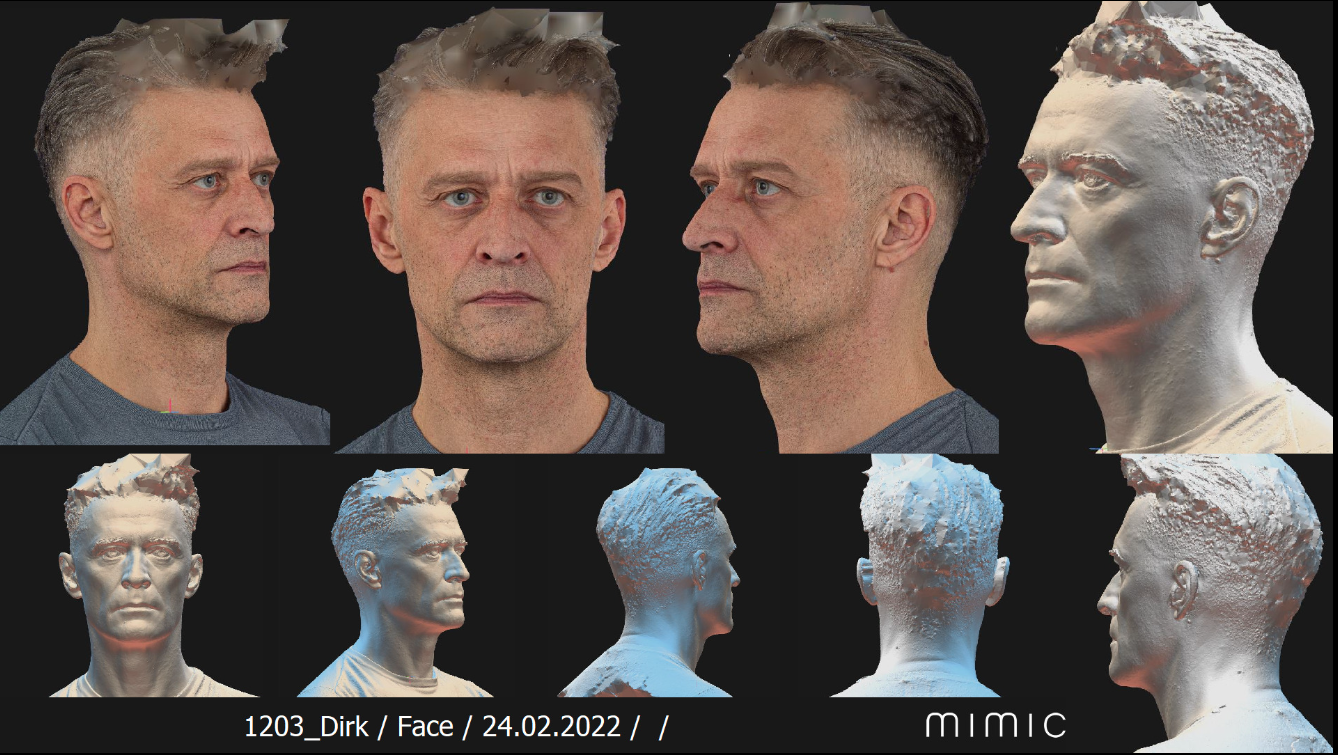
Mimic Productions uses photogrammetry-based 3D body scanning to capture high-resolution geometry and detailed texture maps for digital doubles and avatars. In the context of music videos, that means your performer can be rebuilt as a believable digital character for close-up facial work, stylised performance scenes or real-time presentation. The studio’s workflow also includes 3D face scanning, full body scanning and re-topology, which matters when a raw scan must be prepared for animation rather than only visual reference.
Production challenges
What music video teams need to solve
When a video mixes live action, avatar performance and post-production, scanning has to serve both likeness and workflow.
01
Artist likeness under heavy stylisation
Music videos often push colour, lighting and camera treatment far beyond live capture. A detailed 3D body scan helps preserve recognisable facial and physical traits before the character is restyled for the final visual concept.
03
Flexible production conditions
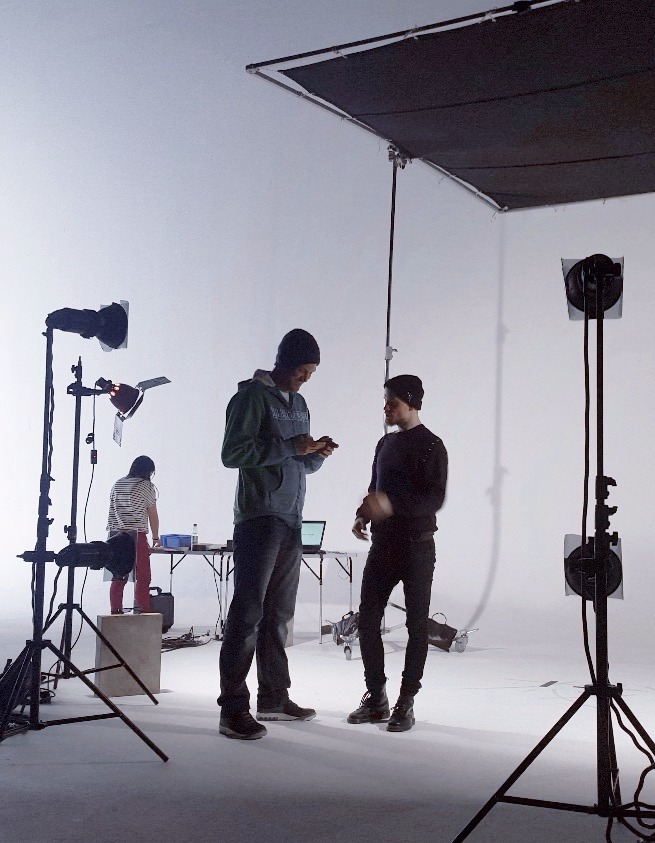
Some shoots happen in Berlin, others on location. Mimic’s portable setup supports both studio-based and on-site scanning, which is useful when talent availability, travel or production timing shape how the project is planned.
02
Fast decisions across departments
Directors, labels and post teams usually need scan data that can move quickly into modelling, rigging or facial animation. A controlled scan session gives a practical starting point instead of forcing each department to rebuild the performer from scratch.
What your team gets
Why it helps
01
Detailed capture
Photogrammetry is used to preserve high-resolution geometry and texture detail for realistic digital likenesses.
02
Animation-ready options
Re-topology is available when a raw body scan needs to be prepared for animation use.
03
Studio or on location
Capture can happen in Mimic’s Berlin studio or at another location, depending on the production plan.
04
Built for avatar workflows
Scanning can feed digital doubles, facial animation and real-time music video applications.
Capabilities and deliverables
Core production uses
-
- 3D body scanning for performer likeness. Agree subject coverage and the downstream use of the captured detail.
-
- 3D face scanning for close-up character work. Identify the expressions and close-up detail required by the performance.
-
- Full body scanning for digital doubles. Agree subject coverage and the downstream use of the captured detail.
-
- Photogrammetry capture with texture maps. Agree subject coverage and the downstream use of the captured detail.
-
- Retopology for animation-ready assets. Shape the asset around its proportions, intended views and downstream use.
-
- Studio sessions in Berlin. Discuss the required result and production scope during the project briefing.
-
- On-location scanning support. Agree subject coverage and the downstream use of the captured detail.
-
- Source data for rigging and rendering. Agree the visual target, review stages and final output requirements.
Production approach
How the scan supports the video
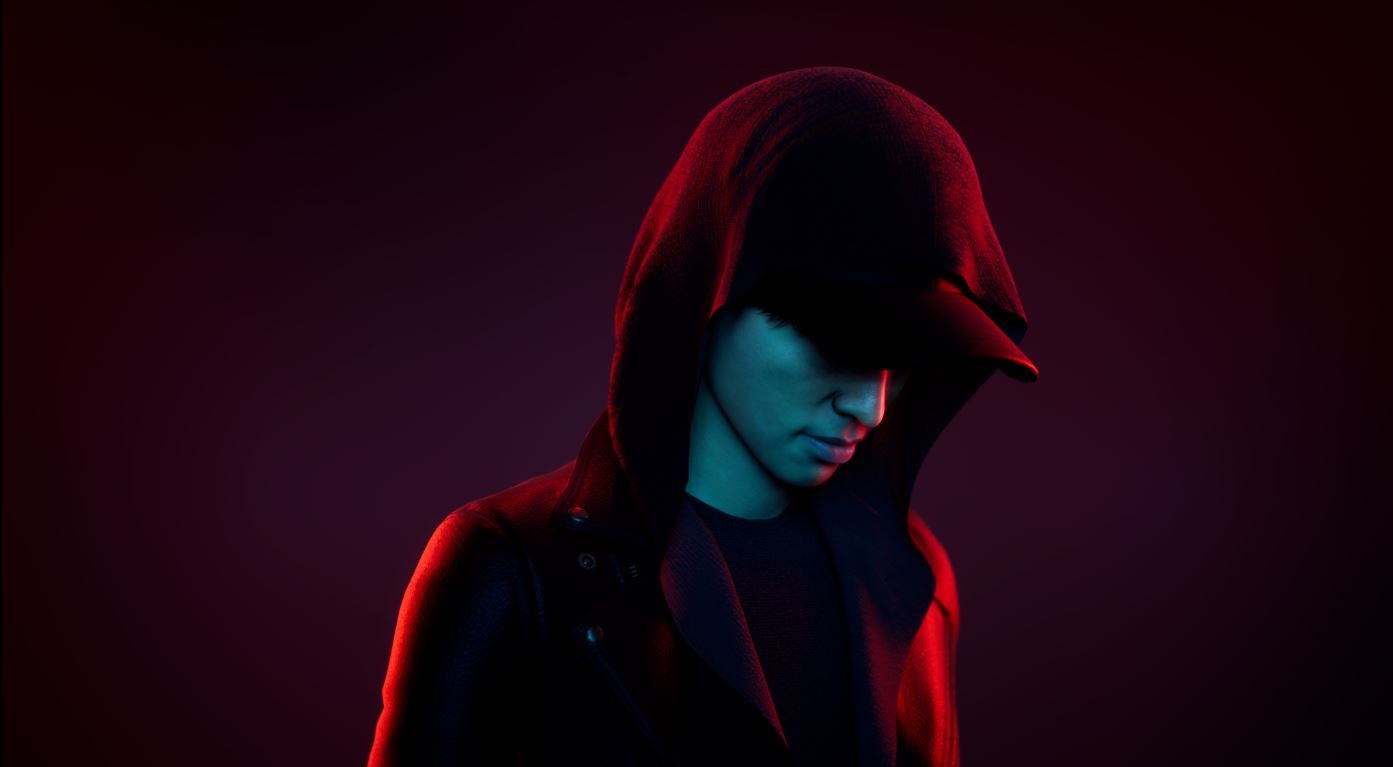
For music videos, the scan is not the finished piece. It is the asset that makes the rest of the character work possible.
Mimic’s body scanning service is positioned for digital doubles, avatars and photoreal character creation. In a music video workflow, that usually means capturing the performer first, then passing the scan into modelling, rigging, facial animation or real-time rendering depending on the concept. If the project needs a stylised result, the scan gives the team an accurate base that can be shaped without losing the artist’s identity. If the project needs fast turnaround, the Berlin studio setup and on-location option give production teams a clearer path from session to post.
For music teams, the practical question is not just how accurate the scan looks, but how it fits the production. Mimic offers studio-based scanning in Berlin and on-location capture, which supports schedules where artists, directors and post teams need dependable source data without building a custom capture setup from scratch. Scans can be used as the starting point for character modelling, rigging, facial animation, real-time rendering and other downstream music video applications described by the studio.
The service is especially relevant when the concept depends on a recognisable performer presence. Mimic’s music video page describes 3D avatars and facial animation for artists, plus motion capture, animation clean-up, lighting, shading and rendering. The scanning stage is the foundation for those later steps, giving your team a solid digital likeness to build on before styling, performance tuning and final delivery.
Explore our 3D Body Scanning services and Music Videos production.
Related production services: 3D Modeling for Music Videos · Character Rigging for Music Videos · 3D Body Scanning for Immersive Events.


How we work
Typical workflow
01
Plan the capture
We confirm the intended downstream use, whether that is a digital double, avatar performance or facial work, so the scan session is framed for the right output.
02
Scan in studio or on location
Talent is captured in Mimic’s Berlin studio or at another approved location using the studio’s photogrammetry-based body scanning setup.
03
Prepare the asset
If the scan must be animated, the team can move into retopology and related preparation so the model is more usable for production.
04
Hand off for video production
The scan output can then support rigging, facial animation, rendering or character modelling within the wider music video pipeline.
Frequently asked questions
Frequently asked questions
What does a 3D body scan give a music video team?
It provides a high-resolution digital capture of the performer’s body shape and surface detail. In a music video workflow, that scan is usually the starting point for a digital double, avatar or character asset that can be rigged, animated and styled for the final concept.
Can you scan talent outside Berlin?
Yes. Mimic states that it offers both Berlin studio-based scanning and on-location scanning. That is useful when the artist, director or production schedule makes travel to the studio impractical, or when the project needs capture to happen closer to the shoot.
Is this service only for full body capture?
No. The source material also describes 3D face scanning and facial expression scanning. For music videos, that matters when the close-up performance is as important as the full-body silhouette, especially for lip-sync, expression-led scenes or avatar shots.
Does a scan mean the character is ready for animation?
Not automatically. Mimic notes that it provides re-topology for raw full body scans when they need to be used for animation. That means the scan can be prepared for downstream character work, but the production still needs rigging, animation and final integration.
Can scans be used for real-time music video work?
Yes, the music video source describes digital avatars optimised for real-time use, with related rendering and live-performance applications. The scan provides the likeness source, while the wider production pipeline shapes how it appears in the real-time environment.
What should labels or artists prepare before booking?
It helps to define the intended output early. Whether the scan is for a stylised avatar, a digital double or facial performance work, the team should know the use case, timing and where the asset will be handed off in the production pipeline.
Frequently asked questions