.png)



Character rigging
Built for performance-led music visuals
Music videos ask a digital character to do more than look convincing. It has to hold close-up expression, stay readable in fast editing, and move cleanly when dancing, lip-syncing or performing in a real-time setup. Mimic Productions provides character rigging from Berlin with a focus on facial and body systems that support musical performance, not just static presentation. Our rigging work is grounded in facial rigging, body rigging and full-body setups that can be adapted to the needs of a production. For music projects, that often means rigs designed to preserve identity in the face, keep motion controllable for animation, and stay practical for delivery into engines such as Unreal or Unity where real-time use is part of the plan. We can build around scan data or reference imagery when the production calls for a recognisable artist likeness, and we can tailor blend-shape counts and wrinkle map detail to suit scope. The value for labels, directors and artists is straightforward. A rig has to support the performance choices made later in animation, and it has to fit the pipeline the project actually uses.
Production challenges
Common rigging problems in music video work
When the brief is performance, the rig has to handle expressive detail, choreography and production changes without slowing the creative process.
01
Close-ups expose weak facial setups
Music videos often cut straight to the face. If the rig cannot carry subtle expression, the performance feels flat even when the animation is strong.
03
Delivery has to match the pipeline
Some productions need a rig for rendered shots, others for real-time engines or mixed workflows, so the setup must suit the final handoff from the start.
02
Dancing needs stable body control
Fast movement, extreme poses and repeated beats can reveal poor weighting or limited deformation, making the character harder to animate cleanly.
What your team gets
What the rig is built to support
01
Facial nuance
Blend-shape facial rigs can be shaped around the expressions a performance actually needs.
02
Body flexibility
Body rigs are designed to support dynamic motion while keeping anatomical movement believable.
03
Production fit
Rigging can be prepared for animation, rendering or real-time use depending on the brief.
04
Practical scope
Where budgets or timelines are tight, we can prioritise the most essential controls and shapes.
Capabilities and deliverables
Relevant rigging capabilities
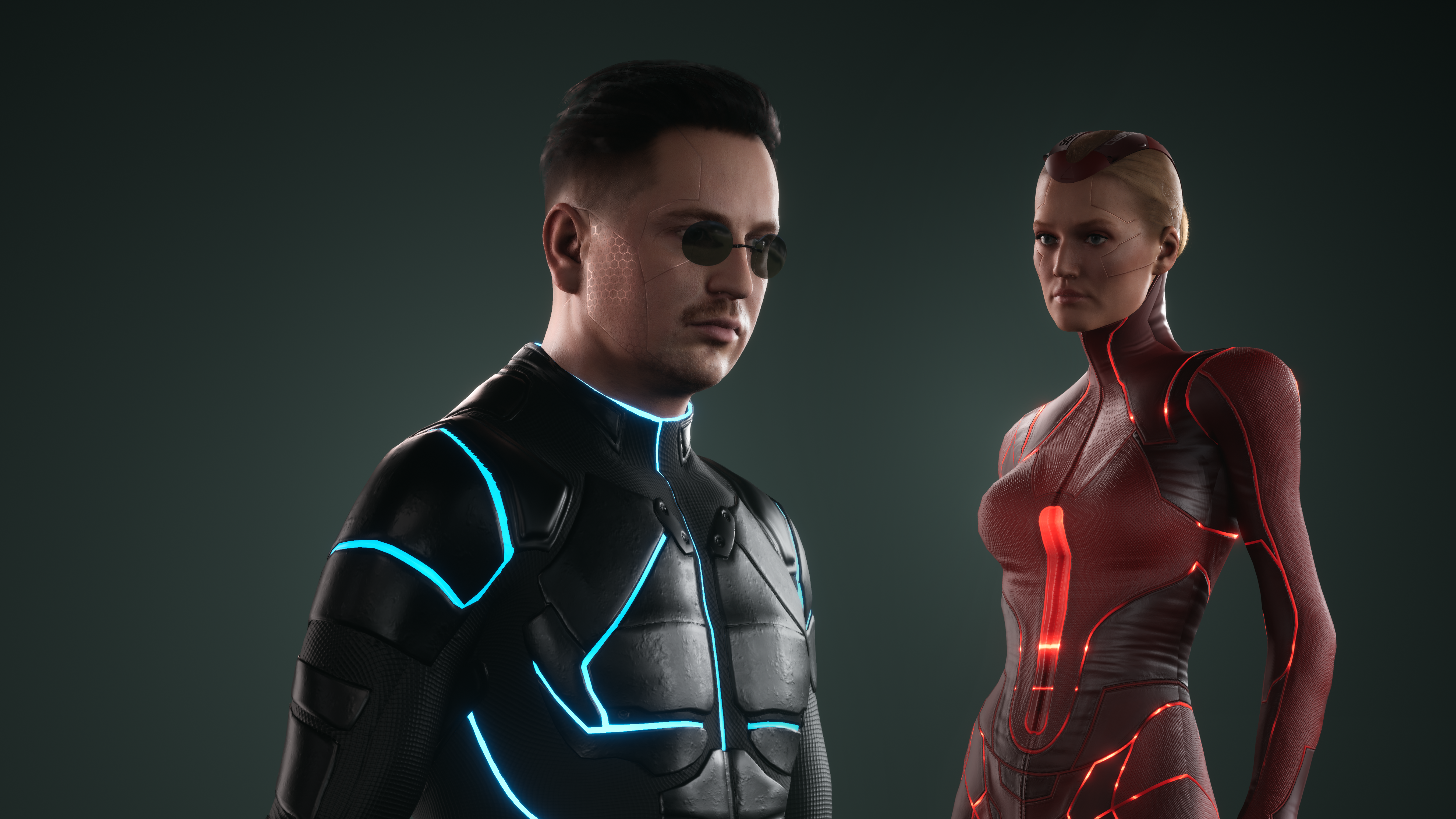
-
- Facial rigging for expressive performance. Review proportions, range of movement and the animation handoff.
-
- Blend-shape facial rigs based on actor expression scans. Review proportions, range of movement and the animation handoff.
-
- Body rigging for humans, animals and creatures. Review proportions, range of movement and the animation handoff.
-
- Full body rigging for extreme poses. Review proportions, range of movement and the animation handoff.
-
- Wrinkle maps for added facial detail. Identify the expressions and close-up detail required by the performance.
-
- Character rigging for music video avatars. Review proportions, range of movement and the animation handoff.
-
- Creature rigging where the concept requires it. Review proportions, range of movement and the animation handoff.
-
- Unreal and Unity-ready animation support. Review timing, weight and readability in the intended scene.
Production approach
How we approach music video rigging
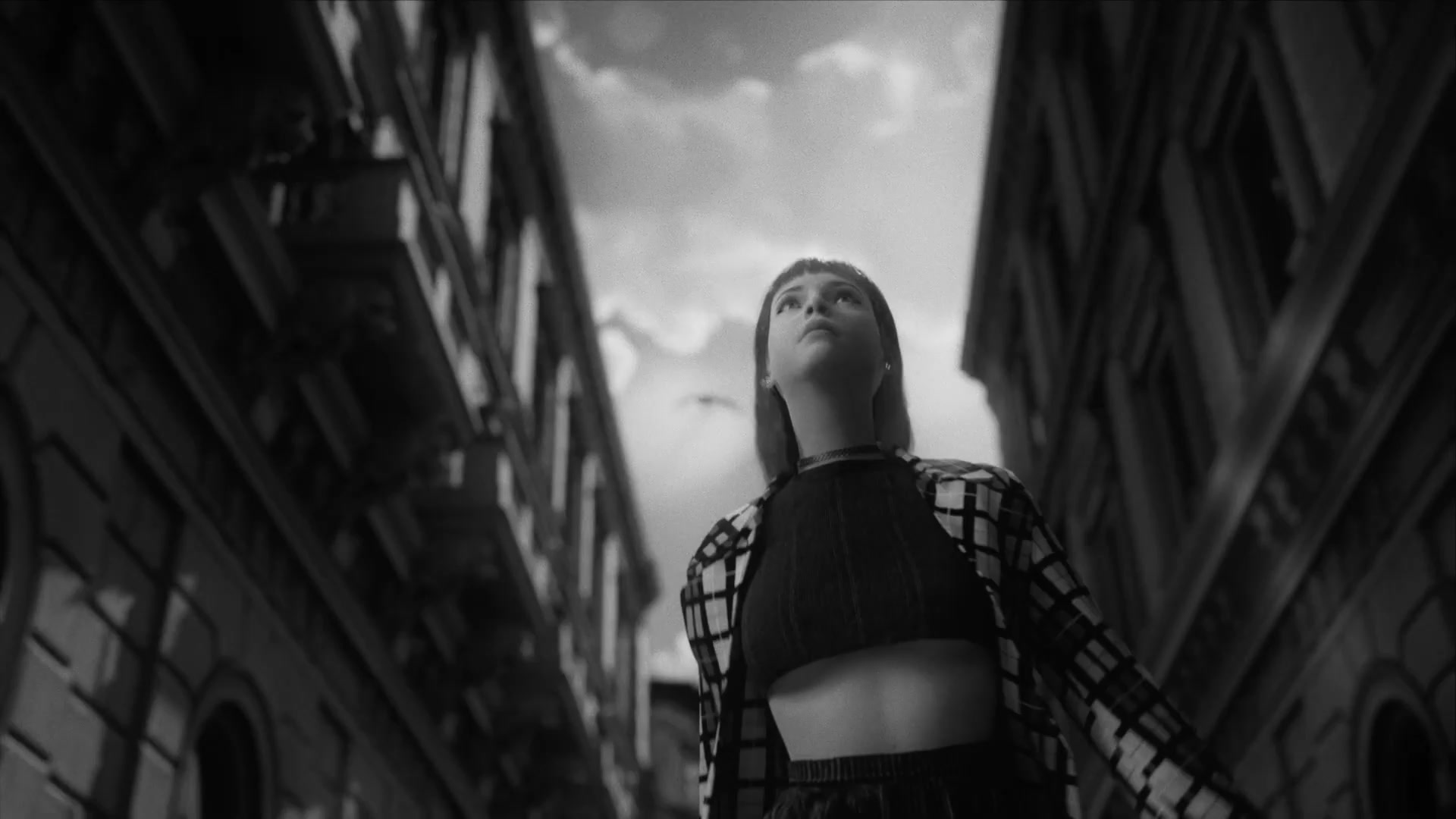
For music videos, character rigging is less about a generic setup and more about performance discipline. We start with the intended use of the character, then shape the rig around the expressions, poses and movement style the project will ask for. Facial rigging can be built as a blend-shape system from actor expression scans, while wrinkle maps add detail when a shot needs more depth in a smile, brow raise or lip movement.
On the body side, we build rigs that can support strong action, quick changes in posture and animated movement that still feels grounded. If the project is intended for a real-time engine, the rig can be prepared with that handoff in mind. If the focus is a rendered music video, the rig is still structured to give animators control and consistency. The point is to give the production a reliable technical base, not an overly complex setup that becomes difficult to use.
Supply the model, expected range of movement and examples of expressions or poses. Review deformation at demanding positions, then agree controls, naming and the handoff to the animation team before the rig is used across a larger sequence. For music videos, provide the track, treatment and performance references so character movement can be discussed alongside edit timing.
Explore our Character Rigging services and Music Videos production.
Related production services: 3D Animation for Music Videos · Motion Capture for Music Videos · Character Rigging for Immersive Events.


How we work
A typical rigging workflow
01
Brief the performance
We define how the character will be used, from facial close-ups and lip-sync to dance or live real-time output.
02
Build the rig structure
Our team sets up the facial and body rig, including blend-shape logic, deformation control and any needed wrinkle detail.
03
Review animator use
The rig is checked for practical animation control so the performance can be driven efficiently without unnecessary complexity.
04
Prepare the handoff
We deliver the rig in a form that supports the wider production pipeline, whether the next stage is animation, rendering or engine integration.
Frequently asked questions
Frequently asked questions
Can you rig a character for a music video if we only have reference images?
Yes. The music video source states that avatars can be built from scan data or reference imagery. The best route depends on how recognisable the artist likeness needs to be, how detailed the performance must be, and whether the final use is a rendered video, a real-time piece or another format.
Do you only create realistic characters?
No. The rigging source covers detailed facial rigging, body rigging and creature rigging, so the setup can support humans, animals or mythical characters. For music videos, that means the rig can match a realistic artist likeness or a more stylised digital character, depending on the creative brief.
How detailed can the facial rig be?
The source describes blend-shape facial rigs ranging from about 30 entry-level blend-shapes to 300 for film-quality work. The right amount depends on the performance, budget and how much facial nuance the video needs. We can prioritise the controls that matter most to the shot list.
Can this work for real-time music video ideas?
Yes. The music video source says rigs can be optimised for Unreal and Unity, and that real-time production can support additional applications. That said, the rig still has to be planned for the final workflow, especially if the character will also be rendered for a finished music video cut.
Do you provide the animation as well as the rig?
This page is about character rigging, which is the technical foundation for later animation. The music video source also mentions motion capture, facial animation, clean-up, lighting, shading and rendering as complementary services. The exact scope should be agreed per project so the handoff is clear.
What should a label or artist prepare before starting?
It helps to share the intended use of the character, reference for likeness or style, any scan material available, the expected performance range and the target pipeline. That lets us decide whether the rig needs to favour expressive close-ups, dance movement, real-time use or a balance of all three.
Frequently asked questions