.png)



Realtime assets
Built for XR production pipelines
Mimic Productions creates real-time assets for XR projects that need convincing visuals and practical deployment. Our work combines character optimisation, asset development, motion capture support, and engine integration so your team can move from concept to interactive use with fewer technical surprises.
For XR, the brief is rarely just about appearance. Models need to hold up in real-time engines, respect platform limits, and remain responsive in motion. Mimic’s approach is grounded in the requirements described across our real-time integration and XR production pages: high-fidelity characters for Unreal and Unity, asset development for immersive environments, and avatars that can support virtual reality, augmented reality, mixed reality, and web-based experiences.
Production challenges
Common XR asset challenges
Immersive projects succeed when the asset looks right, behaves right, and still runs inside the intended platform.
01
Visual quality versus runtime limits
XR teams often need detailed characters and objects that still perform within strict budgets for polycount, LODs, and real-time rendering.
03
Delivery across platforms
Assets may need to work in Unreal, Unity, mobile AR, VR headsets, or web XR, which means compatibility testing and careful optimisation are essential.
02
Animation that feels live
A static-looking asset can weaken immersion. Real-time facial and body motion, rigging, and deformation need to be planned for responsive performance.
What your team gets
What this service helps solve
01
Real-time-ready assets
Characters and models are prepared for engines and XR runtimes, not just for still presentation.
02
Cleaner handoff
Teams receive assets with clear technical intent, making downstream integration easier for in-house developers or partners.
03
Responsive performance
Facial motion, body motion, and shader behaviour are considered as part of how the asset will actually be used.
04
Scope for immersive use
Whether your project is AR, VR, MR, or a digital event, the work is shaped around the platform rather than a generic export.
Capabilities and deliverables
Relevant capabilities
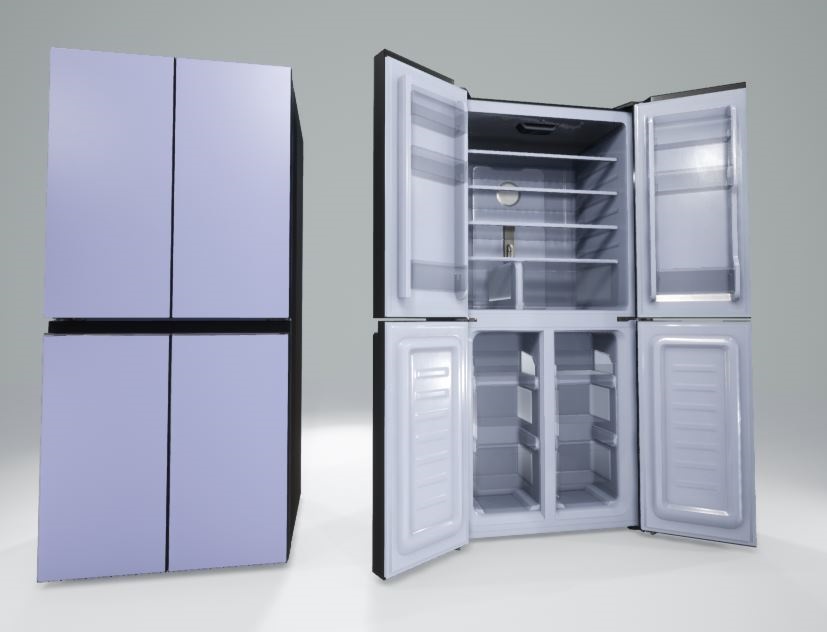
-
- 3D character optimisation. Discuss the target application and practical performance constraints.
-
- Asset development for XR. Discuss the required result and production scope during the project briefing.
-
- Avatar and digital human creation. Define the character’s role, appearance and intended interaction setting.
-
- Real-time engine integration. Discuss the target application and practical performance constraints.
-
- Unreal Engine and Unity compatibility. Discuss the target application and practical performance constraints.
-
- Facial and body motion capture support. Identify the expressions and close-up detail required by the performance.
-
- Texture, shader, and rig preparation. Review proportions, range of movement and the animation handoff.
-
- Performance testing for immersive platforms. Plan the session around action references and performance requirements.
Production approach
How Mimic approaches XR asset production
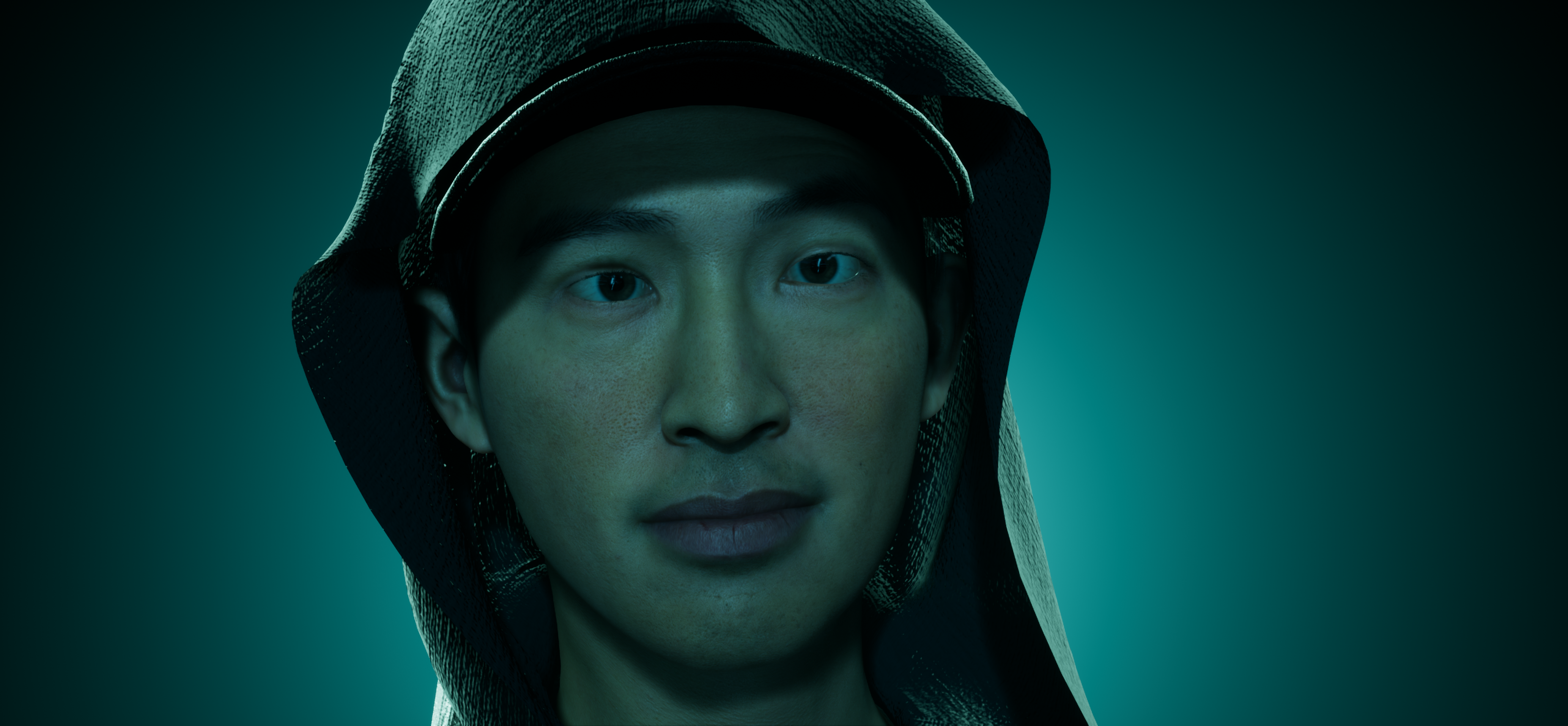
Mimic’s real-time integration and XR pipelines are designed around practical production needs. For a character, that can mean sculpting, rigging, skin deformation, facial animation, and engine preparation for Unreal or Unity. For an immersive scene, it may mean asset development, environment creation, and performance-aware output for headset, mobile, or web deployment.
The value for XR teams is not only in realism. It is in preparing assets that can be reviewed, animated, and integrated without breaking the experience. If your project uses live performance, virtual production, or interactive presentation, we can align the asset work to the runtime and the intended audience experience.
That makes this service useful for brands, studios, and creative teams planning immersive launches, virtual events, product showcases, or digital human experiences. We can prepare characters and assets for live performance, interactive presentation, or environment use, while keeping the handoff focused on what the runtime actually needs. The scope can include sculpting, rigging, optimisation, texture and shader preparation, and compatibility testing for real-time deployment.
A practical XR build also depends on disciplined expectations. If your project is for mobile AR, headset-based VR, or a metaverse-style environment, budgets for polycount, lighting, and animation fidelity matter from the start. Mimic’s role is to help shape assets that perform in those conditions and to support the production path that gets them there.
Specify the target application, camera distance and expected scene complexity. Review the asset in that context and agree responsibilities for optimisation, import and testing, including how materials and animation should behave in the final experience. For XR, specify the viewing device and interaction scenario, including how close the audience will get to the character.
Explore our Real-Time Assets services and XR production.
Related production services: 3D Modeling for XR · 3D Animation for XR · Real-Time Assets for Holograms.


How we work
Typical production path
01
Define the runtime
We start with the intended platform, such as Unreal, Unity, VR, AR, MR, or web-based XR, so the asset plan matches technical constraints.
02
Build and optimise
Characters or objects are sculpted, rigged, textured, and adjusted for performance, with the level of detail set against the target experience.
03
Test motion and integration
Facial animation, body motion, shader response, and lighting behaviour are checked to reduce surprises at handoff.
04
Prepare delivery
We deliver assets in a form that supports your internal pipeline, whether the next step is live performance, virtual production, or environment integration.
Frequently asked questions
Frequently asked questions
Is this service only for game projects?
No. The source material positions real-time assets for games, film, music videos, VR, virtual events, and other immersive experiences. For XR buyers, the key question is whether the asset must perform in an interactive runtime. If it does, this service is relevant even when the end use is marketing, training, or a digital event rather than entertainment.
Can Mimic create assets for both AR and VR?
Yes. The XR source explicitly refers to virtual reality, augmented reality, and mixed reality solutions, and to asset development that respects performance budgets and platform constraints. That means the work can be shaped for mobile AR, VR headsets, or web-based XR depending on the brief and technical target.
Do you handle character creation as well as optimisation?
Yes. The sources describe avatar and digital human creation, plus 3D character optimisation for real-time engines. That can include sculpting, rigging, skin deformation, facial systems, and preparing the asset so it behaves well in the chosen runtime. The exact scope depends on whether you are starting from reference, concept, or an existing model.
Can you support live motion or performance capture use?
The real-time integration source states that Mimic has developed real-time facial and body motion capture systems. That makes the service suitable for live virtual performances or interactive workflows where characters need to respond in the moment. Any live use still depends on the project setup and the client’s overall production pipeline.
Will you provide the engine, headset, or XR hardware?
No. The sources describe asset creation, performance optimisation, and engine integration, but they do not suggest supplying hardware. A good handoff should account for the client’s chosen engine, headset, or deployment environment so the asset can be integrated into that existing technical stack.
Can this be used for a metaverse-style environment?
Yes, provided the project needs real-time character or asset work for an immersive environment. The XR source describes immersive production pipelines for virtual worlds and related experiences. The practical question is what needs to be built, how interactive it should be, and which platforms it must support.
Frequently asked questions