.png)
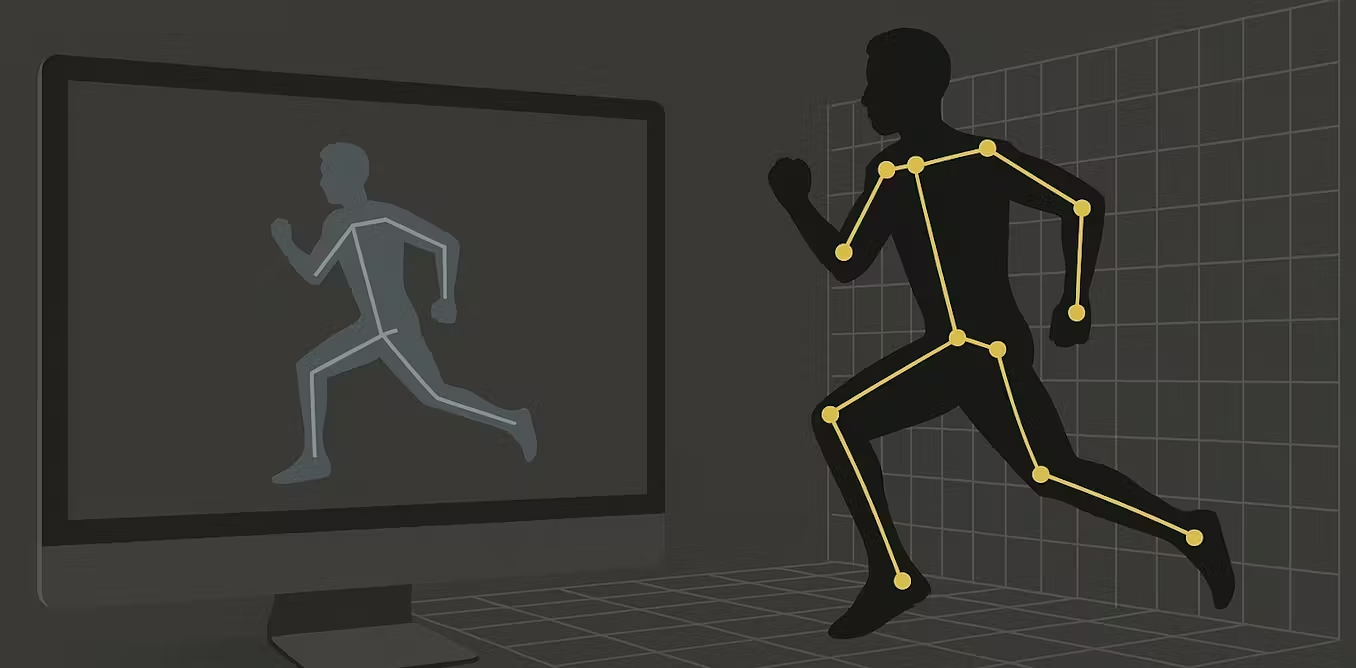


Realtime Assets x Sports
Built for sport, speed and live iteration
Sports brands and entertainment teams need digital assets that can hold up under movement, camera changes and tight turnaround. Mimic Productions creates realistic 3D characters and optimised real-time assets for engines such as Unreal and Unity, with the technical control needed for interactive activations, virtual production and extended reality formats.
For sports and fitness projects, the work often sits between marketing, product storytelling and experience design. A team may need a player likeness for a campaign, a trainer avatar for an app, or a character that can perform in live virtual spaces. Our pipeline focuses on clean character optimisation, strong texture and shader work, rig integration and real-time animation so assets are ready for practical deployment rather than just presentation renders.
Production challenges
Where sports teams usually get stuck
Real-time sports assets have to look convincing, run efficiently and fit the target platform from the start.
01
Performance limits on immersive platforms
AR, VR and metaverse experiences often require lower poly counts and careful LOD planning, while still preserving the details that make an athlete or product feel premium and recognisable.
03
Delivery across engines and formats
Assets may need to move between Unreal, Unity or a wider real-time workflow, so texture sets, rigging and animation checks must be done with deployment in mind.
02
Likeness, movement and brand tone
A sports character needs believable proportions, facial fidelity and motion that match the campaign purpose, whether that is editorial, fan engagement, training or product storytelling.
What your team gets
What this service helps you achieve
01
Real-time readiness
Assets are prepared for practical use in engines and live virtual workflows.
02
Athletic realism
Character movement and expression are shaped to feel natural in motion.
03
Platform-aware optimisation
Geometry, textures and rigs are tuned for extended reality constraints.
04
Flexible production scope
The same pipeline can support campaigns, virtual events and avatar-led experiences.
Capabilities and deliverables
Core capabilities
-
- 3D character optimisation for real-time engines. Discuss the target application and practical performance constraints.
-
- Unreal Engine and Unity compatibility. Discuss the target application and practical performance constraints.
-
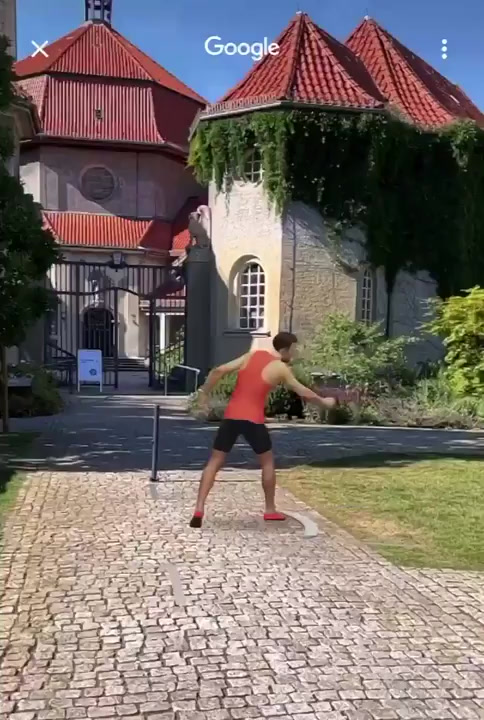
- Facial and body motion capture integration. Identify the expressions and close-up detail required by the performance.
-
- Athletic avatar and player likeness production. Define the character’s role, appearance and intended interaction setting.
-
- Portable scanning for identity capture. Agree subject coverage and the downstream use of the captured detail.
-
- LOD and polycount management for AR and VR. Discuss the target application and practical performance constraints.
-
- Texture, shader and rig integration. Review proportions, range of movement and the animation handoff.
-
- High-fidelity real-time animation. Discuss the target application and practical performance constraints.
Production approach
How we approach sports real-time assets
Mimic’s sports and fitness work sits on a practical production base: scan or build the character, optimise it for the target engine, validate the rig, and test how it behaves under real-time constraints. That can serve a player-led campaign, a branded virtual environment or an interactive product concept.
The source material also shows where our support is strongest. We can create or customise avatars from reference images, adapt outfits and body types, and prepare assets for live virtual spaces. For teams exploring AR or VR, we can advise on low-poly ceilings, LODs and asset structure so the character stays usable when the platform, device or performance budget changes.
The sports source material points to several useful directions. Mimic can support motion capture for athletic movement, avatar creation from reference images, portable scanning for identity capture and real-time optimisation for low-poly limits in AR and VR. That makes the service suitable for promotional content, metaverse-style environments, virtual match-day experiences and training or product visualisation, while keeping scope grounded in what real-time character production can actually deliver. Where a project needs to move into interaction, we can prepare the asset for live facial and body motion capture, but the backend, platform and hardware decisions remain with the client and their technical partners.
Specify the target application, camera distance and expected scene complexity. Review the asset in that context and agree responsibilities for optimisation, import and testing, including how materials and animation should behave in the final experience. For sports content, share references for the specific movement and equipment, and identify the angles needed to assess timing and body mechanics.
Explore our Real-Time Assets services and Sports production.
Related production services: 3D Modeling for Sports · 3D Animation for Sports · Real-Time Assets for Gaming.


How we work
From reference to deployable asset
01
Define the use case
We confirm whether the character is for campaign content, AR or VR, a virtual event, or a live performance workflow, then agree the technical target and scope.
02
Build and optimise
The asset is modelled or adapted, then refined for texture quality, shaders, rigging and the polygon budget of the chosen platform.
03
Test motion and engine fit
We check how the character performs with animation, facial expression and motion capture, and review it in the target real-time environment.
04
Handover for production
Final files are prepared for the client’s engine, platform or production team, with the asset structured for practical integration and further development.
Frequently asked questions
Frequently asked questions
Is this service only for game engines?
No. Our work includes Unreal Engine, Unity, VR, AR, metaverse environments and live virtual performances. The same real-time production approach can support sports campaigns, interactive fan experiences and virtual production, provided the final platform requirements are defined early. We build for deployment, not just preview.
Can you create an athlete likeness from reference images?
Yes. The sports source describes avatar creation from reference images and portable scanning to bring identity into live virtual spaces. That makes the service useful for player-style characters, trainer avatars or branded hosts. Exact likeness scope depends on the material supplied and the intended use, which needs to be agreed before production.
Do you provide the backend for interactive experiences?
No. Mimic produces the visual asset and real-time-ready character work, but a conversational backend, app logic or platform infrastructure is a separate technical layer. The avatar can be prepared for live use, yet the client or their development partner would handle the surrounding system.
Can these assets be used in AR and VR?
Yes, if they are planned for the device and performance limits. The sports source specifically mentions LODs and low-poly ceilings for extended reality hardware. That means we can optimise the character for AR or VR delivery, but the final experience still depends on the target hardware and software stack.
Is motion capture part of the service?
It can be. The real-time integration source describes facial and body motion capture systems that allow performers to drive characters live. In sports contexts this can be useful for athletic movement, live presentation or virtual event performance, but the capture setup itself needs to match the client’s production plan.
What files do you hand over?
The handover is shaped by the target engine and the agreed production scope. Typically the aim is a usable real-time character asset with the necessary textures, rigging and animation readiness for integration. Because requirements vary across campaigns and platforms, we define file needs early rather than assume a single fixed package.
Frequently asked questions