
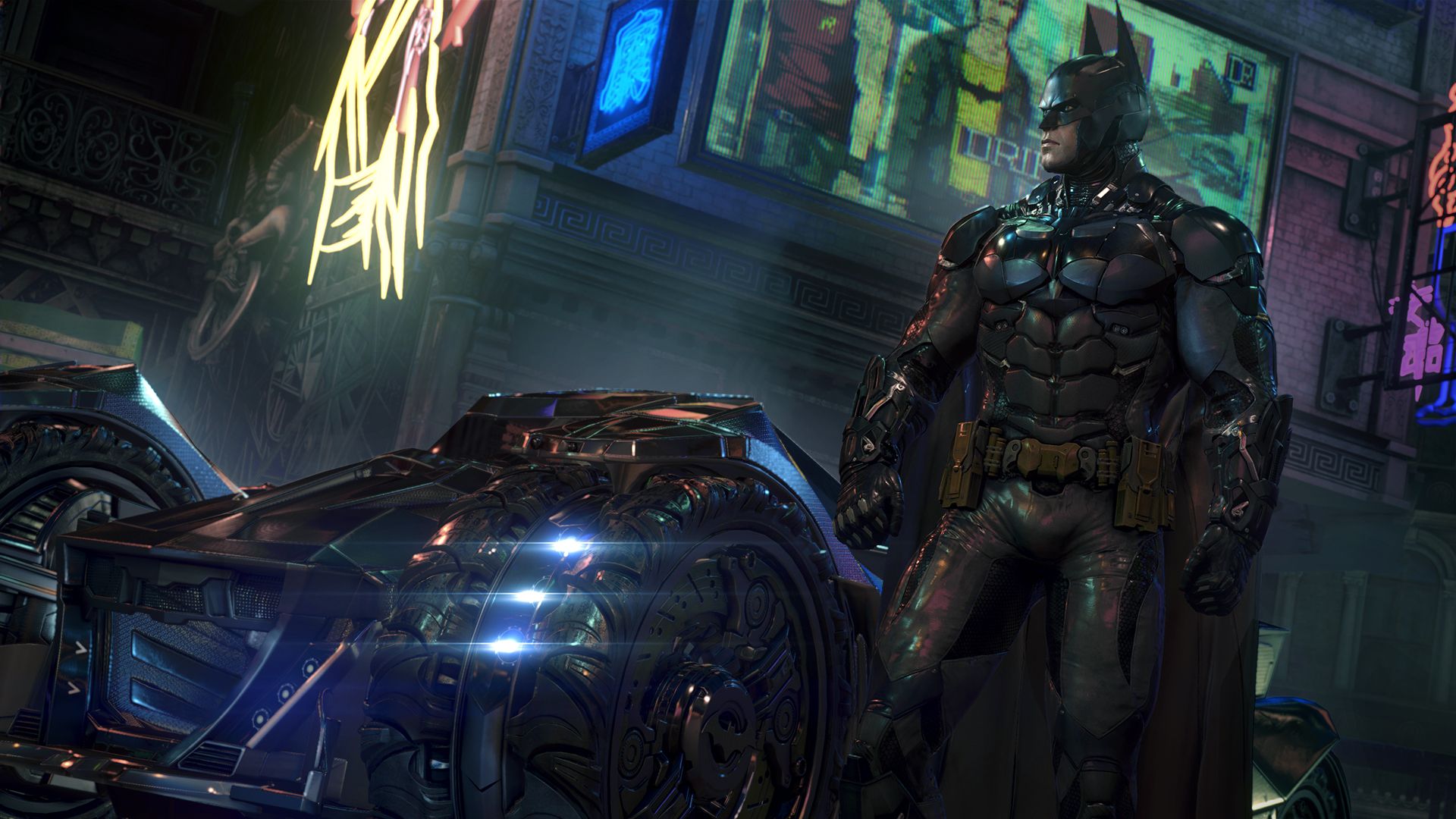


Realtime Assets for Gaming
Built for gameplay, cut-scenes and engine delivery
Mimic Productions is a Berlin-based 3D character development and animation studio working for gaming teams that need assets ready for real-time use. Our focus is performance-driven character work: modelling, optimisation, rigging, facial animation, motion capture and engine integration for Unity, Unreal Engine and other major real-time platforms.
For game production, the buying decision is rarely just about how a character looks in a still render. Teams need assets that hold up under movement, lighting changes, camera shifts and frame constraints. That means topology has to support deformation, textures need to read well in engine, and rigs must stay responsive when the character is animated for gameplay or cut-scene use. Mimic’s pipeline is built around those practical requirements.
Production challenges
Common production pressures
Game teams usually need more than one deliverable, and each stage can expose a different risk.
01
Characters that break in engine
A model can look strong in a sculpt or render and still fail under real-time constraints. Teams need topology, texture mapping, LODs and rig behaviour that support stable play and cut-scene performance in the chosen engine.
03
Handoffs between art and integration
A polished asset is only useful if it arrives ready for deployment. Studios need clear coordination across modelling, animation, optimisation and engine testing so the character can move from production into the build without avoidable rework.
02
Facial performance without heavy assets
Expressive faces are essential, but game rigs must still remain efficient. The challenge is creating believable expression, clean deformation and responsive controls without pushing the character beyond practical runtime limits.
What your team gets
What this pipeline is designed to deliver
01
Engine-ready character work
Assets are prepared with Unity, Unreal Engine and other real-time platforms in mind from the outset.
02
Performance-focused realism
The process balances visual detail with poly count, topology and frame performance.
03
Animation that reads naturally
Facial and body motion are shaped to support believable emotion and game movement.
04
Practical delivery support
Characters are tested for lighting, shaders and integration so the handoff is usable.
Capabilities and deliverables
Core services
-
- 3D character development
-
- Real-time character optimisation
-
- Facial rigging
-
- Motion capture
-
- Animation cleanup
-
- LOD preparation
-
- Shader and texture readiness
-
- Engine integration
Production approach
How we approach real-time game assets

Mimic’s gaming pipeline is structured around practical engine delivery.
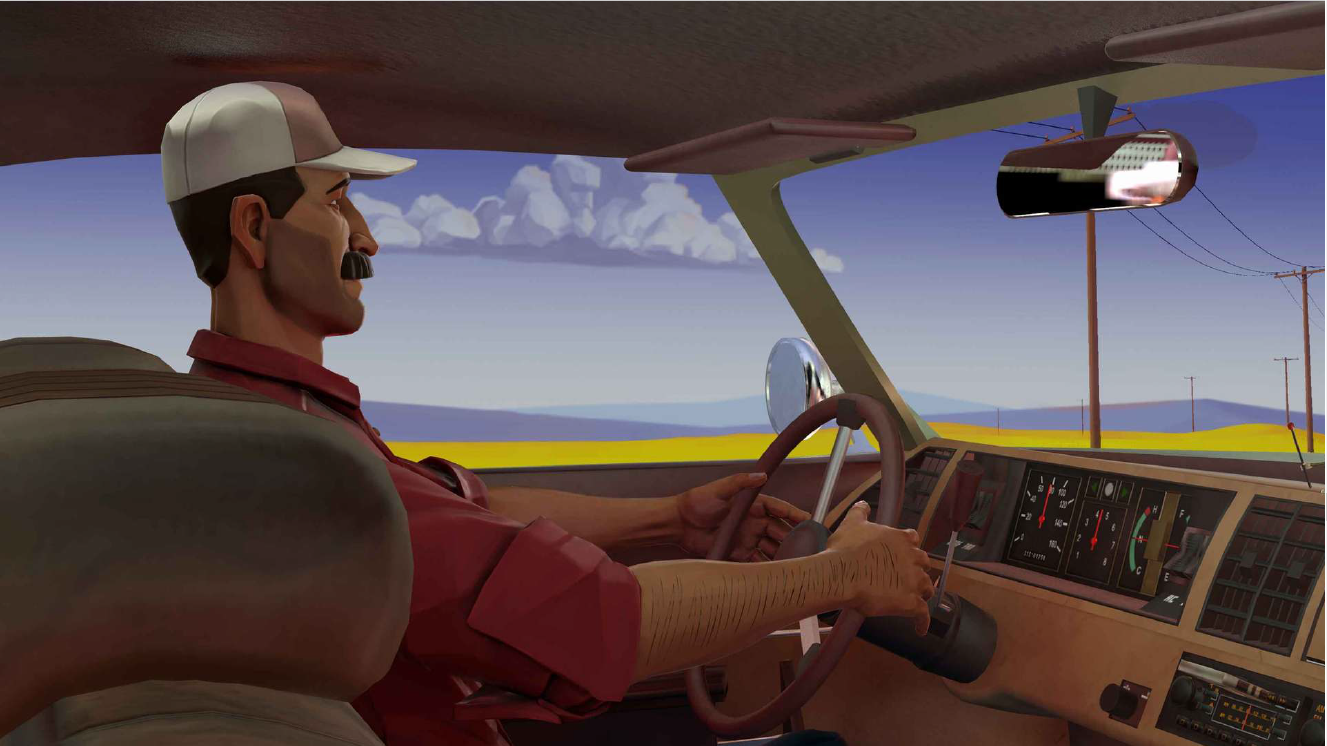
Our gaming page highlights experience with real-time character development, facial rigging and motion capture for projects including Batman: Arkham Knight, Borderlands, Tennis World Tour and NBA 2K. The real-time integration pipeline also references work produced in Unreal Engine, showing how character performance can be designed for interactive and cinematic use. For studios, that means one partner can cover the handoff points between creative intent, technical readiness and final engine compatibility.
Explore our Real-Time Assets services and Gaming production.
Related production services: 3D Modeling for Gaming · 3D Animation for Gaming · Real-Time Assets for XR.


How we work
Typical production flow
01
Brief and target platform
We review the character’s role, the intended engine and the performance demands so the asset is designed around gameplay, cut-scene or mixed-use delivery.
02
Build and optimise
The model, textures, topology and LOD approach are shaped for real-time use, with attention to deformation and visual consistency under engine conditions.
03
Rig, animate and refine
Facial rigging, motion capture and animation cleanup are used to bring the character to life while keeping movement responsive and production-friendly.
04
Test and hand off
Before delivery, the asset is checked for lighting, shader behaviour and frame performance so the receiving team can integrate it with fewer surprises.
Frequently asked questions
Frequently asked questions
Q.1 What kinds of gaming assets do you create?
Our gaming work covers real-time character development, facial rigging, motion capture, animation cleanup, LODs and engine integration. The pipeline is geared towards characters that need to work in gameplay, cut-scenes or hybrid real-time production, rather than static presentation only.
Q.2 Which engines can you support?
We support Unreal Engine and Unity. Share the engine version, target hardware and character budget before production. Geometry, textures, shaders, rigging and animation need to be checked together in the target environment, rather than assessed only from a high-quality render.
Q.3 Can you handle both gameplay and cinematic characters?
Yes. Gameplay and cinematic versions can be planned together, with different levels of detail where required. Specify camera distance, animation requirements and runtime limits for each use. This helps the team preserve a consistent character while preparing assets suitable for each part of the game.
Q.4 Do you provide motion capture as part of the asset work?
Yes. Mimic’s gaming and real-time integration material both mention in-house facial and body motion capture. This is useful when a project needs live performance capture, expressive facial movement or clean body animation to support a character pipeline.
Q.5 Are these services limited to one type of project?
No. Our work includes games, cut-scenes, cinematic sequences, VR, virtual events and live real-time performances. The practical scope depends on the asset requirements and engine target, but the pipeline is built to support character work across those use cases.
Q.6 What do you need to quote real-time character production for game production?
Send the engine version, target hardware, asset budgets and required interactions, together with the deadline and any existing assets. Specify whether the asset is for gameplay, a cinematic or both, and identify the target engine and hardware. The work involved depends on existing asset quality, geometry and texture budgets, rig complexity and integration. Confirm the deliverables and review stages in the proposal so the quote covers the work your team actually needs.
Frequently asked questions
Frequently asked questions
For game production, real-time character production scope depends on existing asset quality, geometry and texture budgets, rig complexity and integration. Send the engine version, target hardware, asset budgets and required interactions. Specify whether the asset is for gameplay, a cinematic or both, and identify the target engine and hardware.