
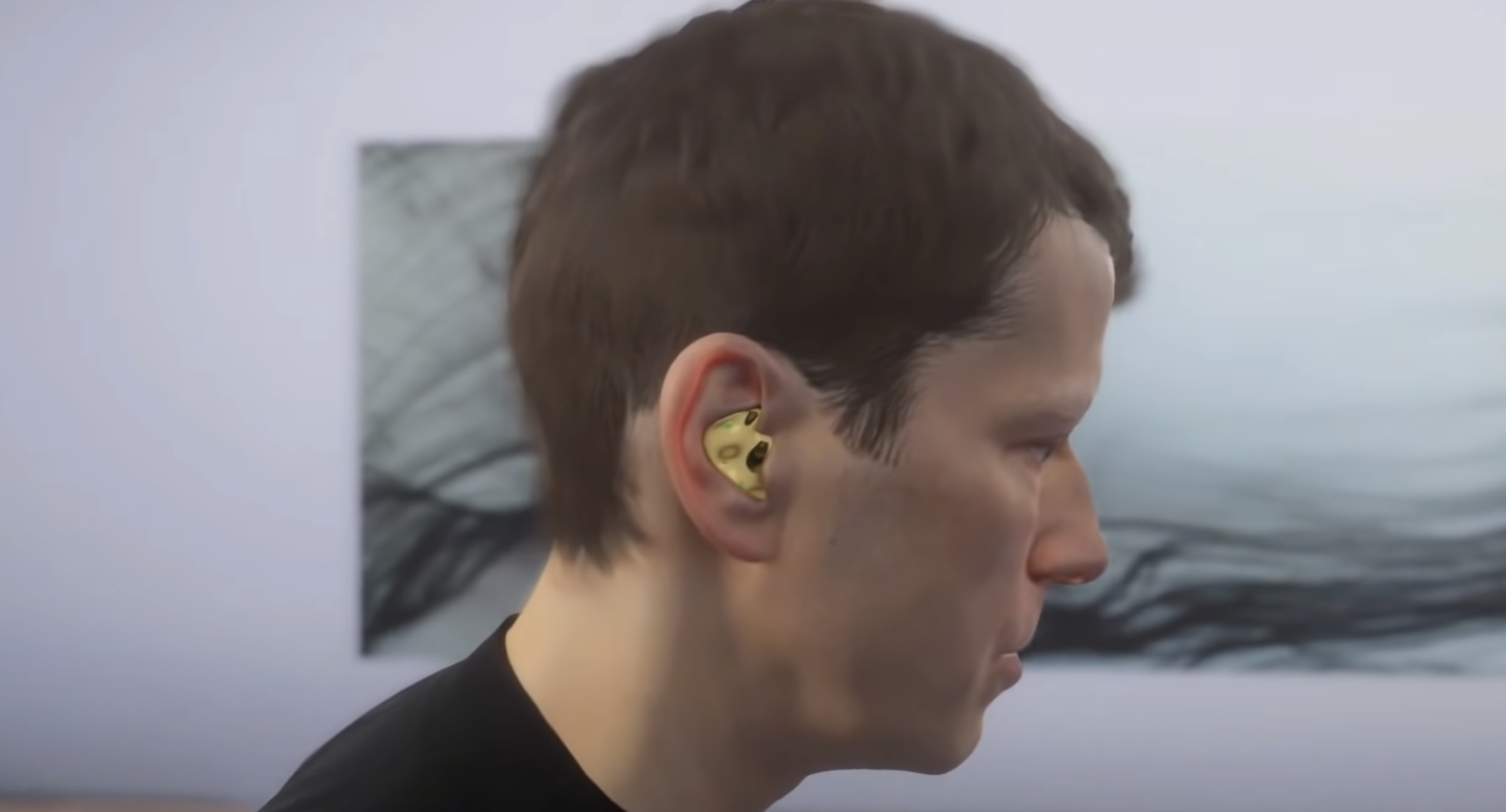


Hair / Cloth for music videos
Motion that holds up on every frame
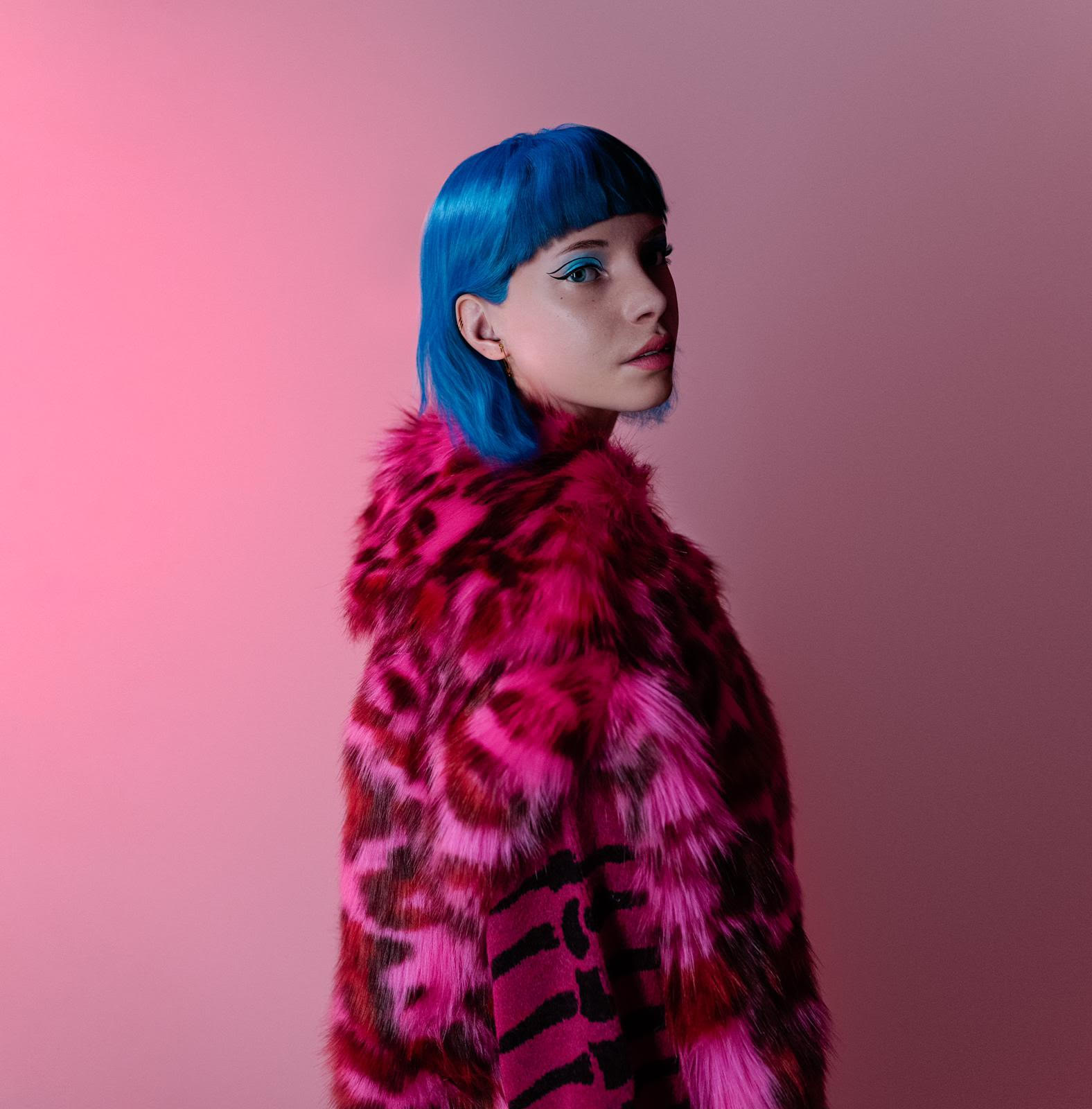
Music videos ask hair and clothing to do more than look good in stills. They need to read clearly in close-up, stay believable through fast choreography, and support the mood of the track without distracting from the artist. Mimic Productions creates 3D hair simulation and 3D cloth simulation for music video pipelines, with options for full simulation, rigged solutions and real-time-ready setups depending on the shot design and delivery format. For artist-led visuals, that means treating hair and wardrobe as part of the performance. Long hair needs to settle naturally after movement, fringe and braids need controlled motion, and garments should fold and drape in a way that matches the character design. Our Berlin studio can work with avatars, digital doubles and stylised characters, combining art direction with technical planning so the final look supports the music video rather than competing with it.
Production challenges
Where production usually gets difficult
Hair and cloth are often the last details to be planned, yet they influence how convincing a music video feels once movement begins.
01
Fast movement exposes weak simulation
Performance-heavy edits can make hair pop, cloth clip or silhouettes lose shape. We plan the motion setup around the choreography so the look stays readable when the artist turns, spins or lands a move.
03
Delivery targets affect the setup
A frame-rendered hero shot and a real-time performance asset do not need the same level of simulation. We help define what should be fully simulated, what should be rigged and what should be optimised for playback.
02
Style and realism do not always match
A music video may need a stylised character but still require fabric and hair to feel physically grounded. We shape the simulation approach to fit the visual language instead of forcing one method everywhere.
What your team gets
What this adds to a music video pipeline
01
Closer character presence
Hair and cloth motion help avatars and digital doubles feel present in the frame, especially in shots built around performance and expression.
02
Better shot consistency
A planned simulation setup reduces unwanted changes between angles, takes and edits, which matters when a video is cut tightly to the beat.
03
Practical production choices
We match the method to the brief, whether the priority is cinematic realism, stylised motion or runtime efficiency for real-time use.
04
Cleaner handoff for finishing
Simulation can be prepared with the wider pipeline in mind, making it easier for animation, lighting, rendering and final comp to stay aligned.
Capabilities and deliverables
Core capabilities
-
- Full 3D hair simulation
-
- Bone-driven hair for real-time use
-
- Non-dynamic hair and rigged skin binding
-
- 3D cloth simulation for garments
-
- Rigged cloth and weighted garments
-
- Simulation for Unreal and Unity
-
- Support for avatars and digital doubles
-
- Pipeline planning for cinematic or live playback
Production approach
Built around the shots, not just the asset
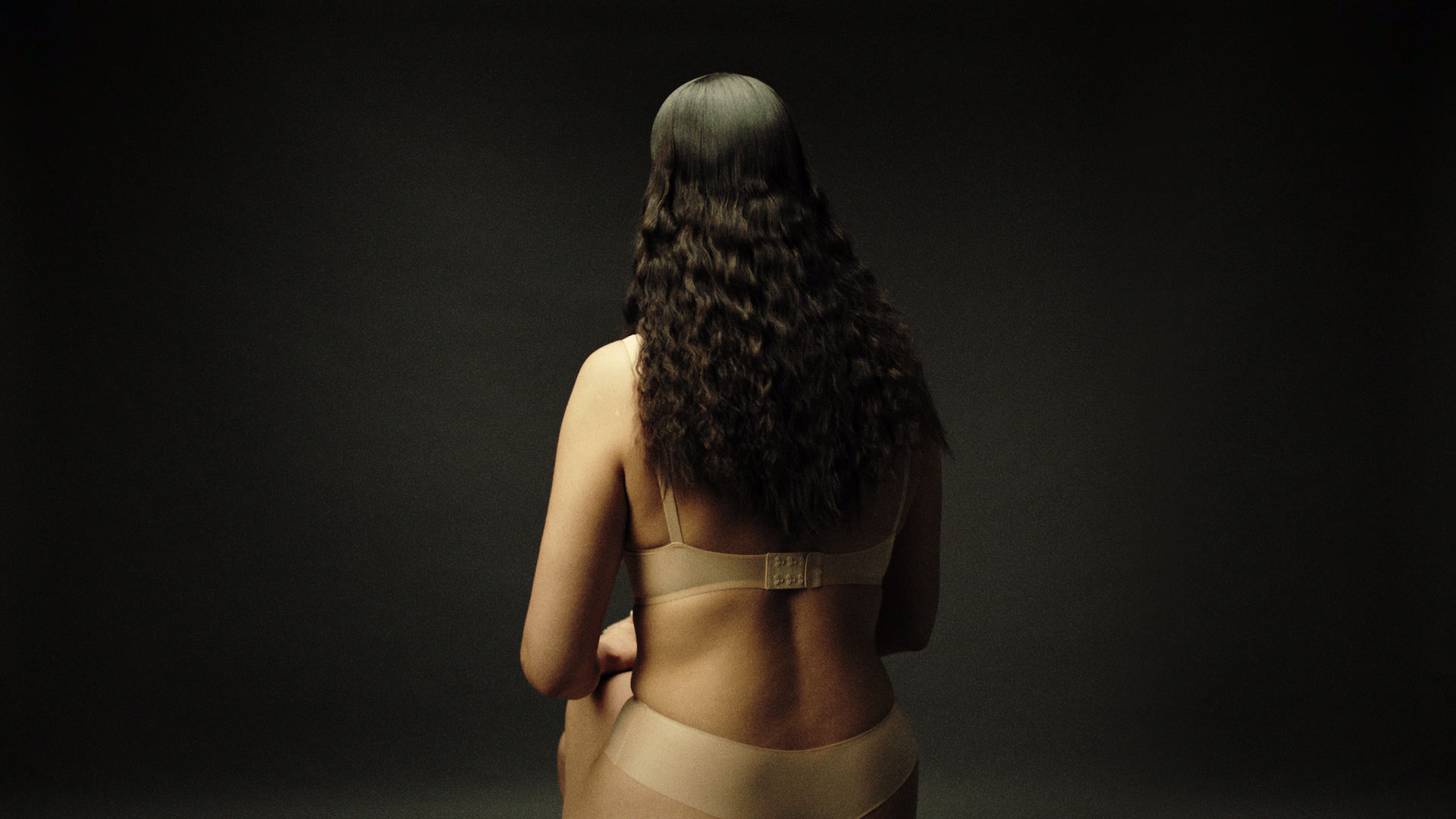
Hair and cloth choices affect more than the character rig.
Provide grooming and garment references together with the character’s planned movement. Review the silhouette in still poses and in motion, and discuss intersections, material appearance and the requirements of the target rendering or real-time pipeline. For music videos, provide the track, treatment and performance references so character movement can be discussed alongside edit timing.
Explore our Digital Hair and Clothing services and Music Videos production.
Related production services: 3D Modeling for Music Videos · 3D Animation for Music Videos · Digital Hair and Clothing for Immersive Events.


How we work
How we approach a project
01
Define the performance need
We start by checking whether the shot needs strand simulation, rigged movement or a lighter real-time solution, then map that against the edit and platform.
02
Match hair and cloth to the character
The simulation method is chosen to suit the hairstyle, garment type, art direction and how close the camera will get to the performer.
03
Build and test against motion
Hair and cloth are tested with the animation so we can see how they behave during turns, impacts, lip-sync beats and camera changes.
04
Prepare for delivery
We hand off assets and setups in a way that fits the wider production, whether the final output is rendered footage or a real-time performance asset.
Frequently asked questions
Frequently asked questions
Q.1 Do you only work on fully simulated hair and cloth?
No. We can use full simulation where the shot needs maximum realism, but we also offer bone-driven hair, non-dynamic hair and rigged cloth for projects that need a lighter or more controlled setup. The right method depends on the hairstyle, garment, shot distance and delivery format.
Q.2 Can this support an artist avatar rather than a live-action performer?
Yes. Our hair and cloth services are used to support characters, avatars and digital doubles. For music videos, that is often important because the audience still needs to read the performer clearly, even when the character exists entirely in 3D.
Q.3 Is this suitable for real-time music video work?
It can be. Our work includes optimisation for Unreal and Unity, which makes real-time hair and cloth a sensible option for live performance pieces, virtual shows and other interactive formats. We would still need to confirm the visual and technical limits of the target engine.
Q.4 Can you help decide between simulation and rigging?
Yes. That is often the most useful part of the discussion. Full simulation is not always the best answer, especially for stylised hair, short hairstyles or runtime-sensitive assets. We can advise on the method that best fits the project goals and the available production time.
Q.5 Do you provide the whole music video?
This page covers hair and cloth within music video production, not every part of the pipeline. Mimic Productions also works on avatars, facial animation, motion capture, lighting and rendering, so hair and cloth can be planned alongside related services when the brief requires it.
Q.6 What do you need to quote 3D hair and cloth work for music video production?
Send hair and garment references, the character rig and representative movements, together with the deadline and any existing assets. Provide the storyboard, song timing, close-up requirements and release formats so the character work follows the performance. The work involved depends on groom and garment complexity, movement, simulation requirements and runtime limits. Confirm the deliverables and review stages in the proposal so the quote covers the work your team actually needs.
Frequently asked questions
Frequently asked questions
For music video production, 3D hair and cloth work scope depends on groom and garment complexity, movement, simulation requirements and runtime limits. Send hair and garment references, the character rig and representative movements. Provide the storyboard, song timing, close-up requirements and release formats so the character work follows the performance.