.png)


Gaming production support
Built for game characters that must perform
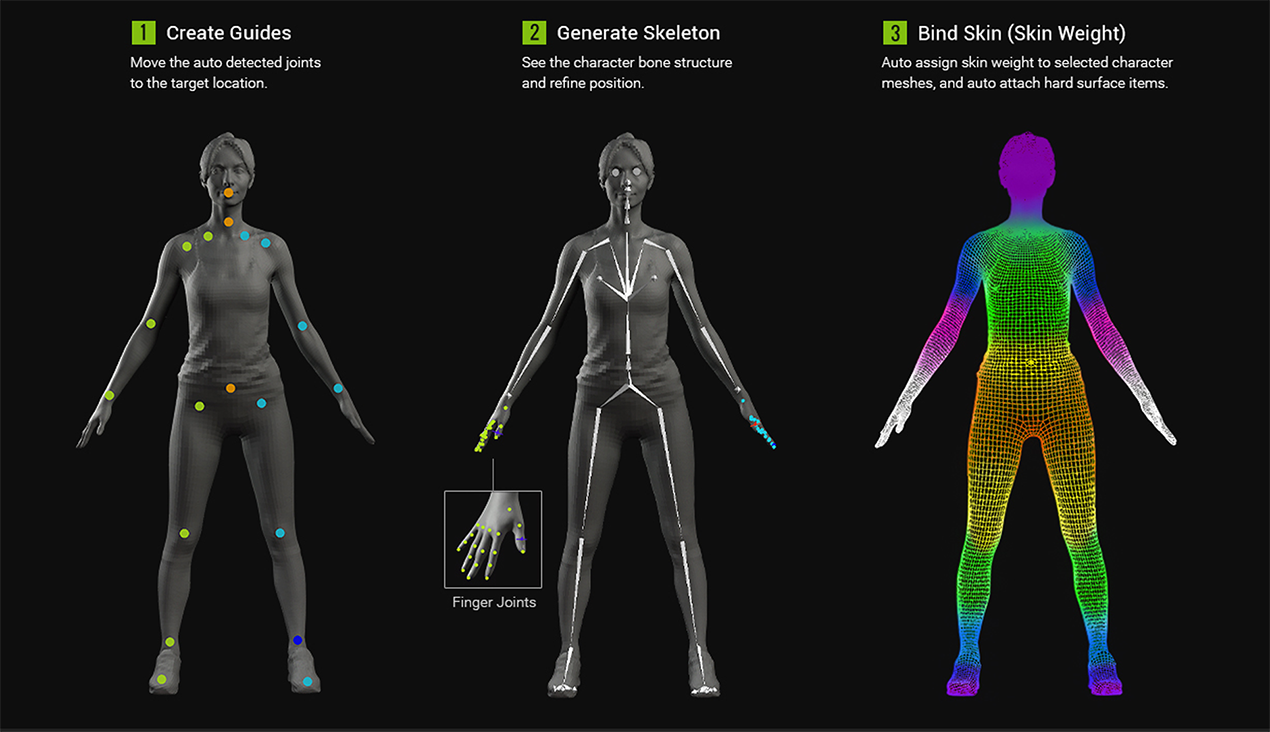
Mimic Productions provides character rigging for gaming teams that need believable movement, stable deformation and assets that are ready for real-time production. Our work sits at the point where sculpted design becomes an animatable character, so the rig has to support expression, action and the pace of game development.
We build facial rigging, body rigging and full character systems for humans, animals and mythical creatures. Our work includes facial rigging as one of our greatest strengths, with blend-shape pipelines built from actor expression scans and wrinkle maps used to add depth to smiles, frowns and brow movement. For game teams, that means rigs that can support close-up cinematic moments as well as playable performance, while staying practical for production.
Production challenges
What game teams need from rigging
Rigging decisions affect performance, animation range and how easily a character can be used across the project.
01
Real-time constraints
Game characters need rigs that behave well in engines and still hold up in cut-scenes, so topology, deformation and control design have to be considered together.
03
Pipeline fit
A rig only helps if it can move cleanly into the studio workflow, whether the target is gameplay, a motion library or a performance-driven narrative sequence.
02
Facial range
Close-up dialogue and cinematic work depend on expressive faces, which is why blend-shape planning and wrinkle maps matter as much as the body setup.
What your team gets
Why teams commission us
01
Expressive faces
Facial rigging is built for natural expression and subtle emotional detail.
02
Engine-aware builds
Rigs are designed with Unreal, Unity and other real-time needs in mind.
03
Flexible bodies
Body systems support humans, animals and creatures in demanding poses.
04
Production support
Rigging can sit alongside motion capture, animation cleanup and character development.
Capabilities and deliverables
Core rigging capabilities
-
- Facial rigging with blend shapes. Review proportions, range of movement and the animation handoff.
-
- Actor expression scan workflows. Identify the expressions and close-up detail required by the performance.
-
- Wrinkle map creation. Discuss the required result and production scope during the project briefing.
-
- Body rigging for humans and creatures. Review proportions, range of movement and the animation handoff.
-
- Full body rigging systems. Review proportions, range of movement and the animation handoff.
-
- Animation rigging for game engines. Review proportions, range of movement and the animation handoff.
-
- Real-time character optimisation. Discuss the target application and practical performance constraints.
-
- Motion capture and cleanup support. Agree the required refinement and the checkpoints for reviewing movement.
Production approach
How the rig is planned
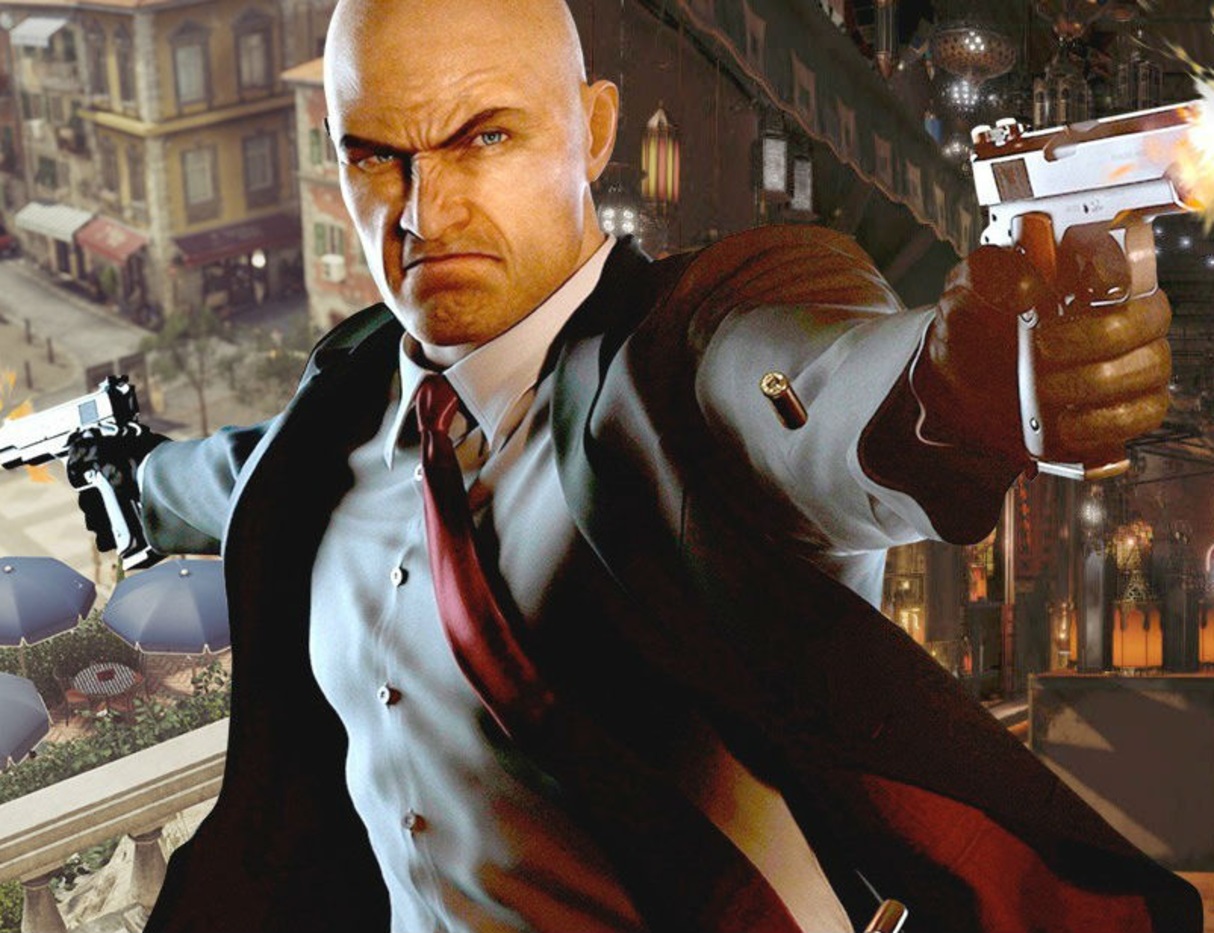
For gaming, rigging is less about a single asset and more about whether the character can carry the workload of a full production. Mimic’s Our work includes a pipeline that starts with realistic facial systems, including blend-shape facial rigging based on actor expression scans, then extends into body and full body setups for strong movement and anatomical accuracy.
That approach is useful when a character must behave convincingly in both gameplay and cinematic contexts. The same source also notes that our rigs can be customised around project needs, including a practical blend-shape count rather than a fixed template. For studios, that gives room to match the rig to the actual performance demands of the game, rather than overbuilding where it is not needed.
The gaming source also states that our character assets are optimised for major game engines such as Unity, Unreal Engine and CryEngine, and that our pipeline supports gameplay, cut-scenes and cinematic sequences. We also provide motion capture and animation cleanup, so rigging can be handed over into a wider character workflow rather than treated as a stand-alone task. When a project needs to balance realism, responsiveness and technical discipline, the rig has to be planned around the final engine and the animation team that will use it.
Supply the model, expected range of movement and examples of expressions or poses. Review deformation at demanding positions, then agree controls, naming and the handoff to the animation team before the rig is used across a larger sequence. For games, distinguish playable actions, cinematic sequences and promotional assets, because each is reviewed in a different context.
Explore our Character Rigging services and Gaming production.
Related production services: 3D Animation for Gaming · Motion Capture for Gaming · Character Rigging for XR.


How we work
Typical delivery path
01
Brief and target platform
We review the character, intended use and the real-time destination so the rig is designed around gameplay, cinematics or both.
02
Facial and body setup
Depending on scope, we build the facial system, body rig or full character solution with performance and deformation in mind.
03
Testing and refinement
Controls, expressions and motion range are checked against the animation needs of the project, with adjustments made before handoff.
04
Integration support
The finished rig is prepared for the studio pipeline, with motion capture and animation cleanup available where required.
Frequently asked questions
Common questions
Do you only rig humanoid characters?
No. Our work includes Mimic provides body rigging for humans, animals and mythical creatures, as well as character rigging and creature rigging. That makes the service relevant for standard game protagonists, stylised casts and non-human roles, provided the animation requirements are clearly defined at the start.
Can the rig be used in real-time engines?
Yes, the gaming source says our character assets are optimised for major game engines such as Unity, Unreal Engine and CryEngine. The important point is to align the rig with the intended engine and performance needs early, so the final setup supports the studio’s workflow rather than fighting it later.
How much facial detail can be included?
The source explains that blend-shape facial rigging can range from around 30 entry-level shapes to 300 for film-quality detail. The right number depends on performance goals, budget and how much close-up acting the game needs, so the system can be scaled rather than treated as fixed.
Do you provide motion capture as part of the same pipeline?
Yes. The gaming and rigging sources both mention motion capture and animation support alongside rigging. That is useful when a studio wants the character setup, performance capture and cleanup to be coordinated, especially for projects with dialogue, combat animation or cinematic scenes.
Is this service suitable for cinematic cut-scenes?
Yes. The gaming source specifically refers to high-quality cut-scenes as well as real-time gameplay. Facial rigging, wrinkle maps and body systems all matter more when the camera moves closer, so the rig has to hold up under both gameplay restrictions and cinematic scrutiny.
What should a studio prepare before commissioning rigging?
A clear description of the character type, intended engine, animation use and any facial performance needs is the most useful starting point. If there are actor scans, expression references or motion capture plans, they help shape the rig. The service is strongest when technical and creative requirements are defined together.
Frequently asked questions